

Tanzania - safari & Zanzibar
Written by Jennifer Milano, traveled in July-August 2017
Tanzania had long been on my travel bucket list, and I knew from my mom’s and brother’s reviews of a trip they took with Thomson Safaris that I would book their family safari for my husband, two kids, and me. While I had originally planned to go in mid-August, when I called Thomson to choose a departure date, I learned that there was a family of four from Colorado with kids around my kids’ ages signed up for a late July departure. My first safari, which I took at age 12 in Kenya with my mom, was memorable not only for the amazing animals and landscapes, but also for the lifelong friendship it sparked with the 12-year-old English girl, Ali, who was on our safari with her parents. Ali and I had so much fun running around The Ark in Kenya while waiting for calls on the loudspeaker that there were elephants at the salt lick to view, getting our nerve up to jump off the high diving board at the pool at our Lake Naivasha hotel, and making fun of our parents in their safari hats. Hoping for a similar experience for my kids, I signed us up for the same departure as the Colorado family and began booking flights and buying unfashionable safari clothing.
We arrived in Tanzania directly from South Africa. After a long flight delay and missed connection, we were stuck in Dar es Salaam for a night, at one of the worst hotels I have ever stayed in (Harbour View Suites). After very little sleep, we were on our way north to Arusha to begin our adventure with Thomson Safaris. Thomson Safaris picked us up from the airport and brought us to the Mt. Meru Game Lodge in Arusha for the night, where we met the other two families on our safari. I was delighted that there were six kids in total, all around the same ages. The adults on the trip were lovely, and easy and fun to be with. We also loved our driver, Harrison, our guide, Freddy, and the children’s guide, Frank. The Mt. Meru Game Lodge was not our favorite, but it was fine. The next day we visited Arusha National Park, where we saw African buffalo and hiked to a beautiful waterfall. Then, we left Arusha for ten days of safari, learning, and fun! All of the kids chose to ride in their own safari vehicle for the rest of the trip, and they had the time of their lives.
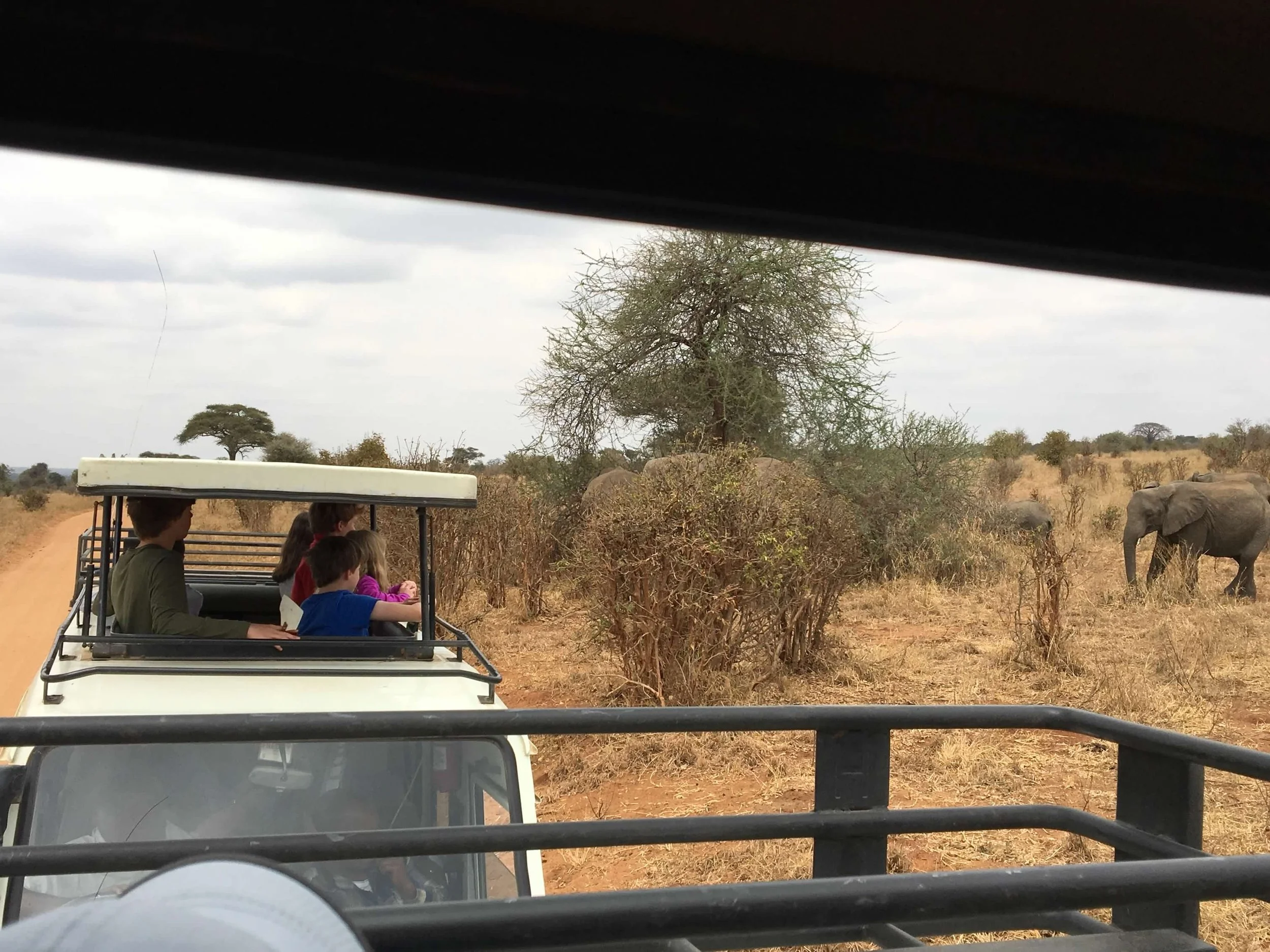
The kids chose to ride in their own vehicle with Frank and had so much fun together
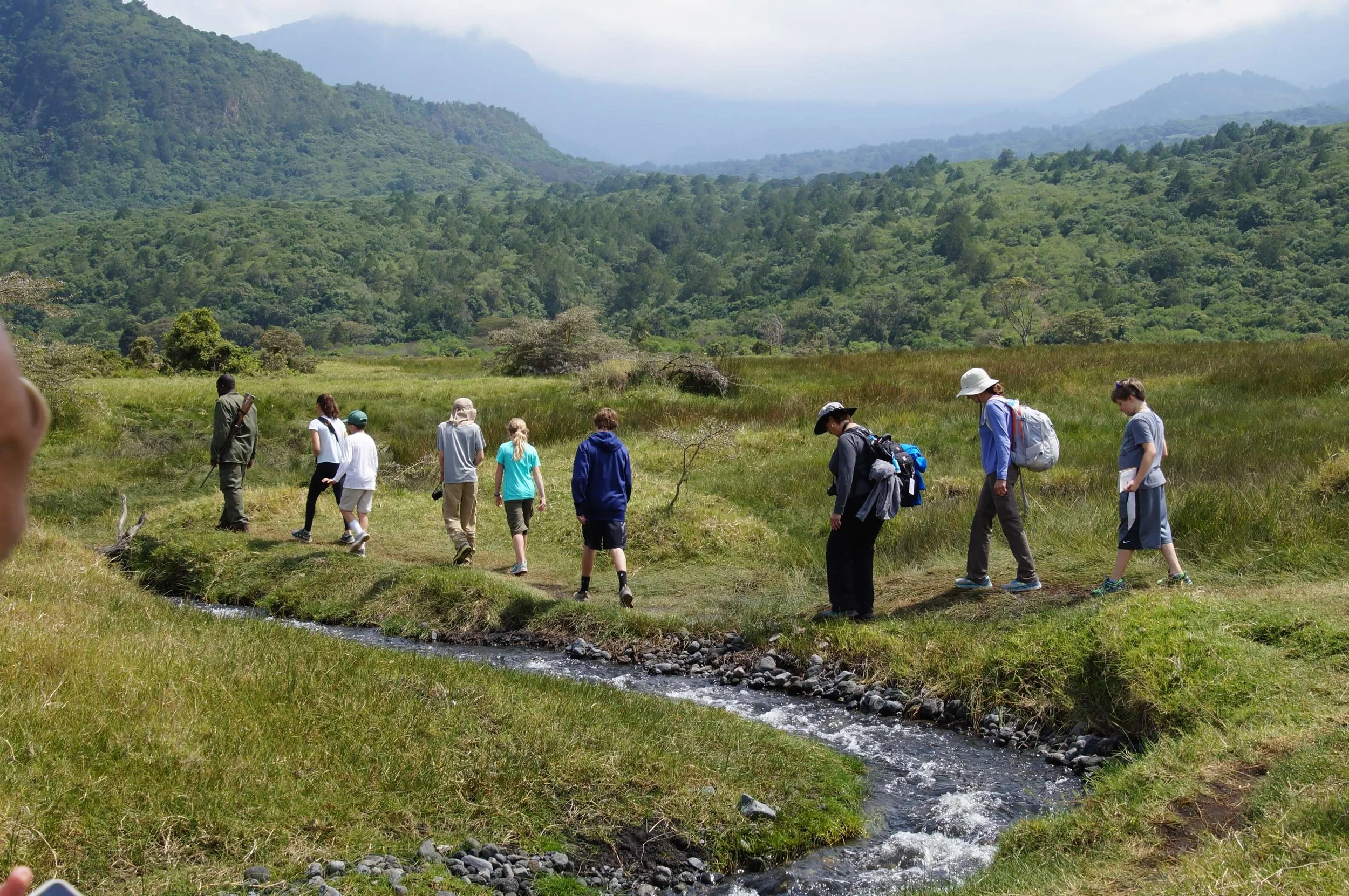
Hiking in Arusha National Park, one of the few opportunities to be out of the safari van and walk in the bush
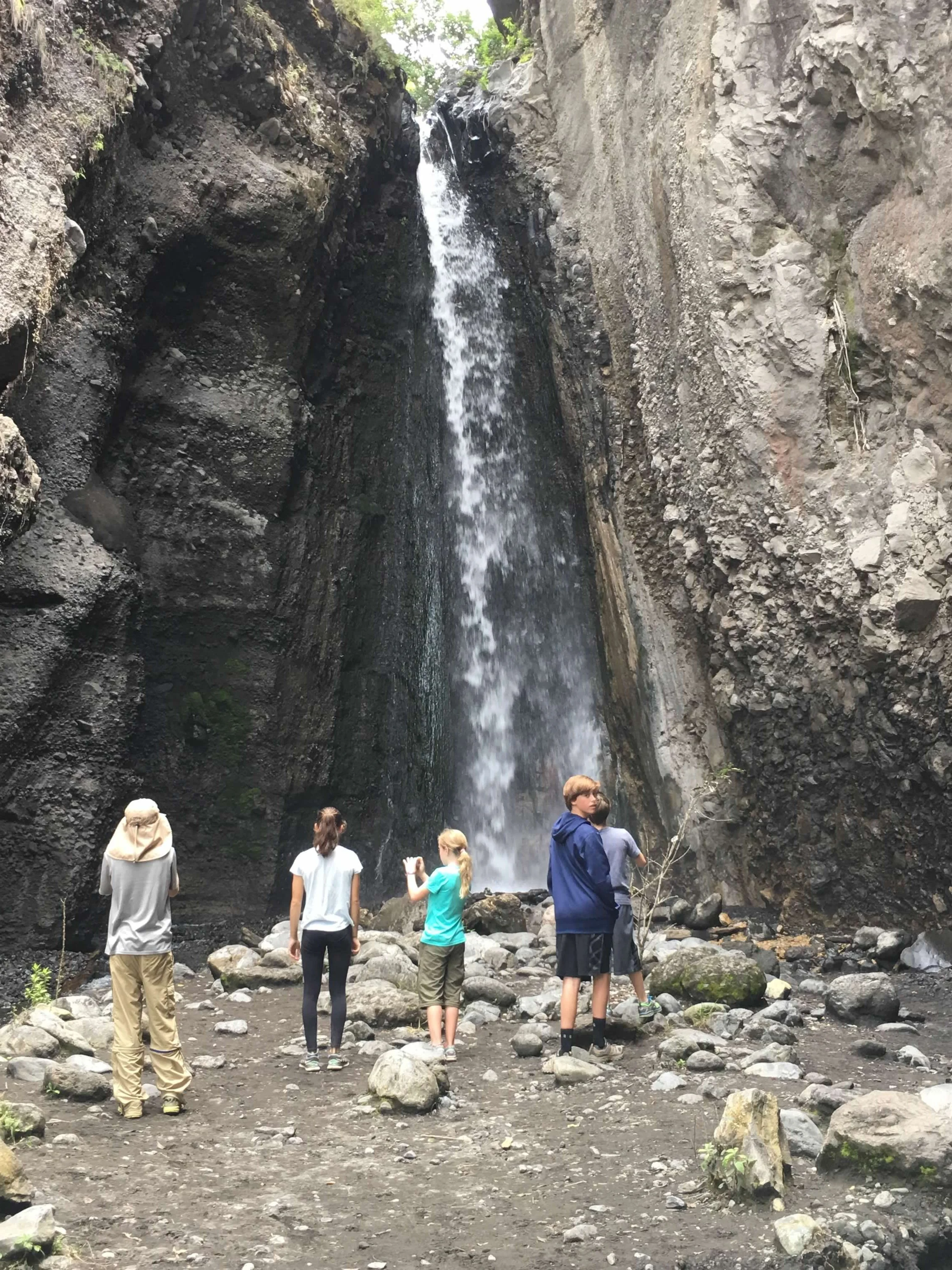
Waterfall in Arusha National Park
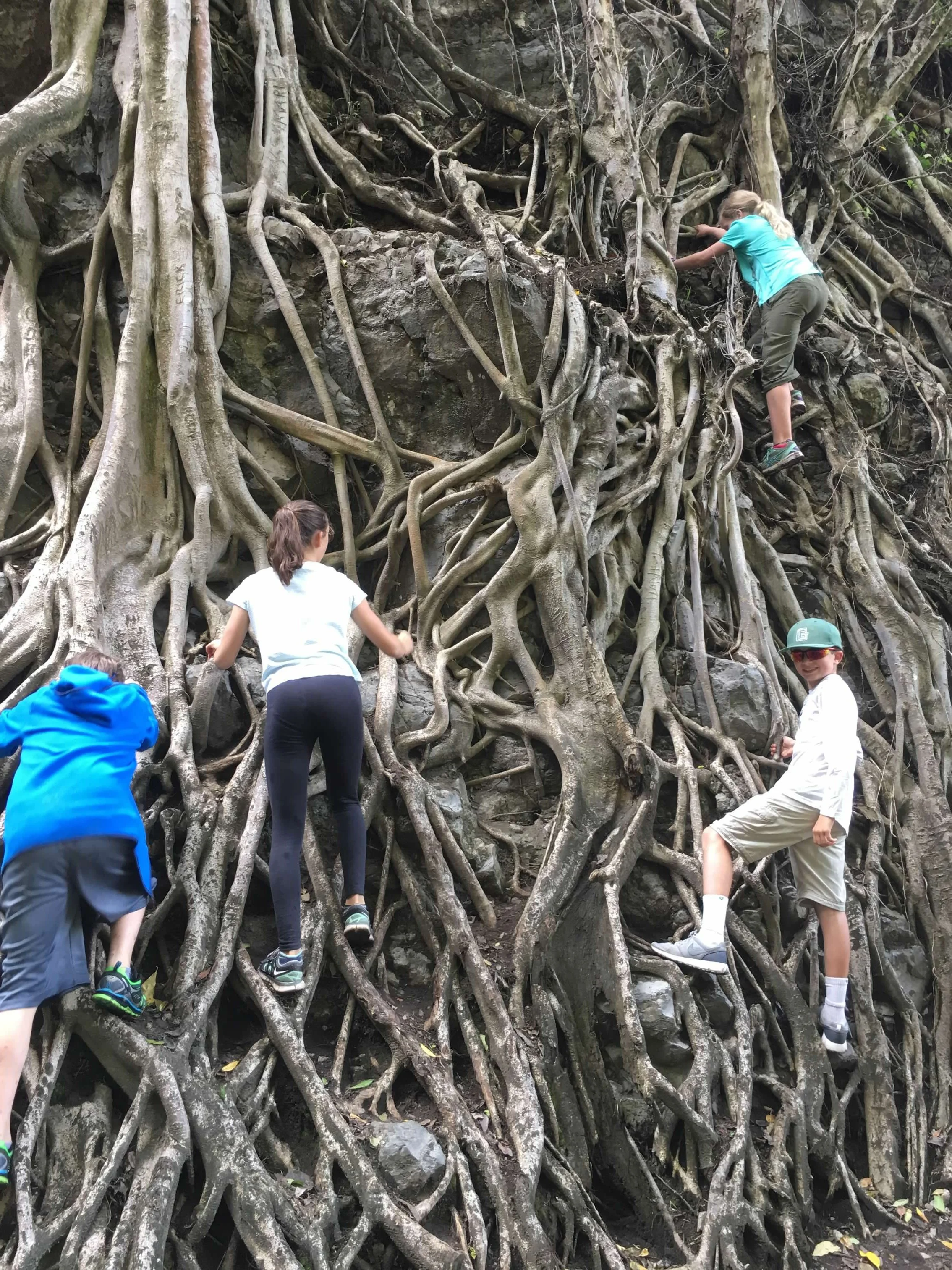
Kids climbing a Balete tree in Arusha National Park
We chose Thomson’s longer family safari, staying first at Thomson’s comfortable permanent camp in Tarangire National Park, known for its elephants. We saw amazing wildlife and relaxed at our glampsite.
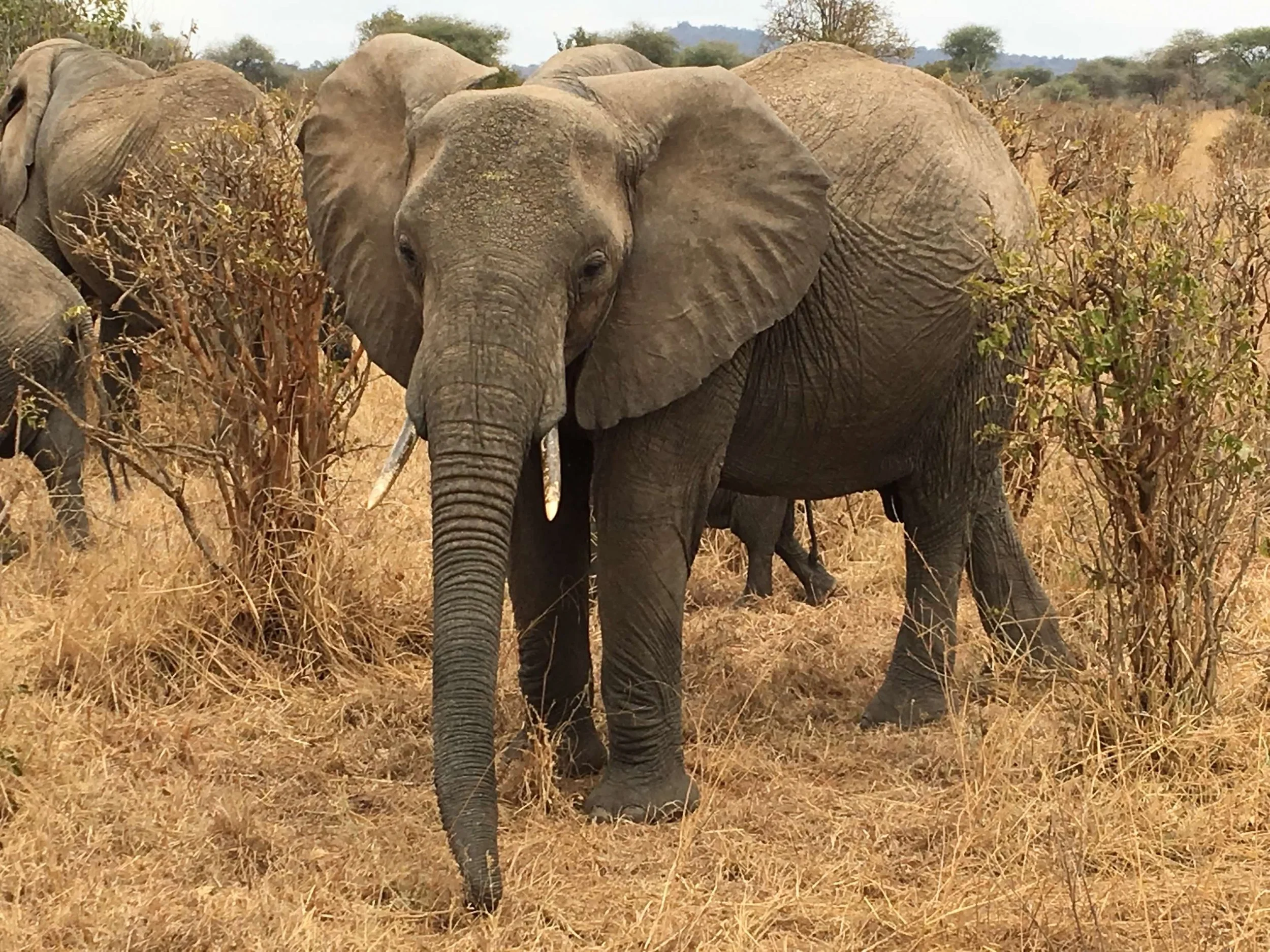
Tarangire National Park is known for its large elephant population
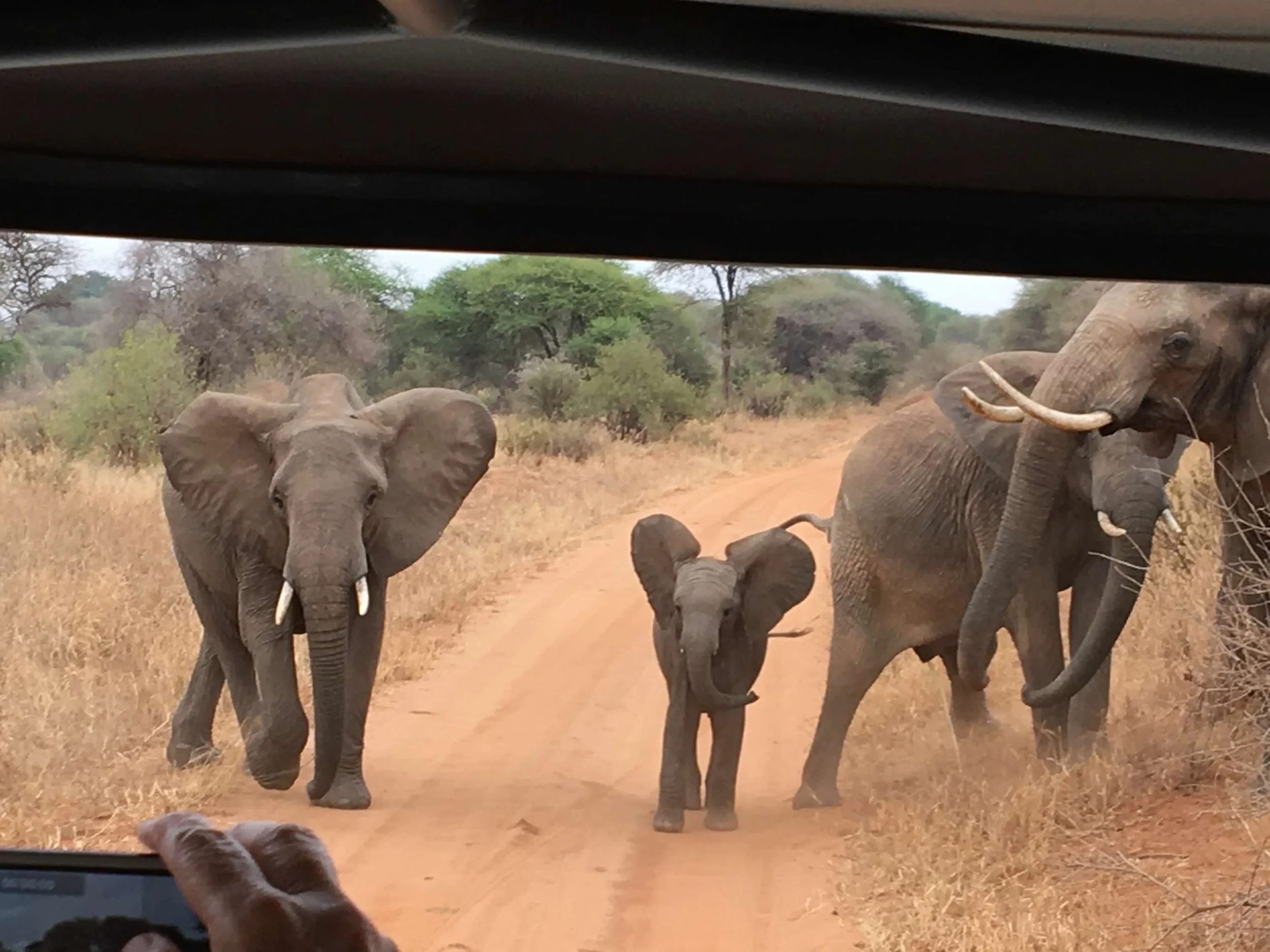
This elephant mama taught the kids a lesson about respecting wildlife by faux charging in protest of the noise our kids were making in the safari van
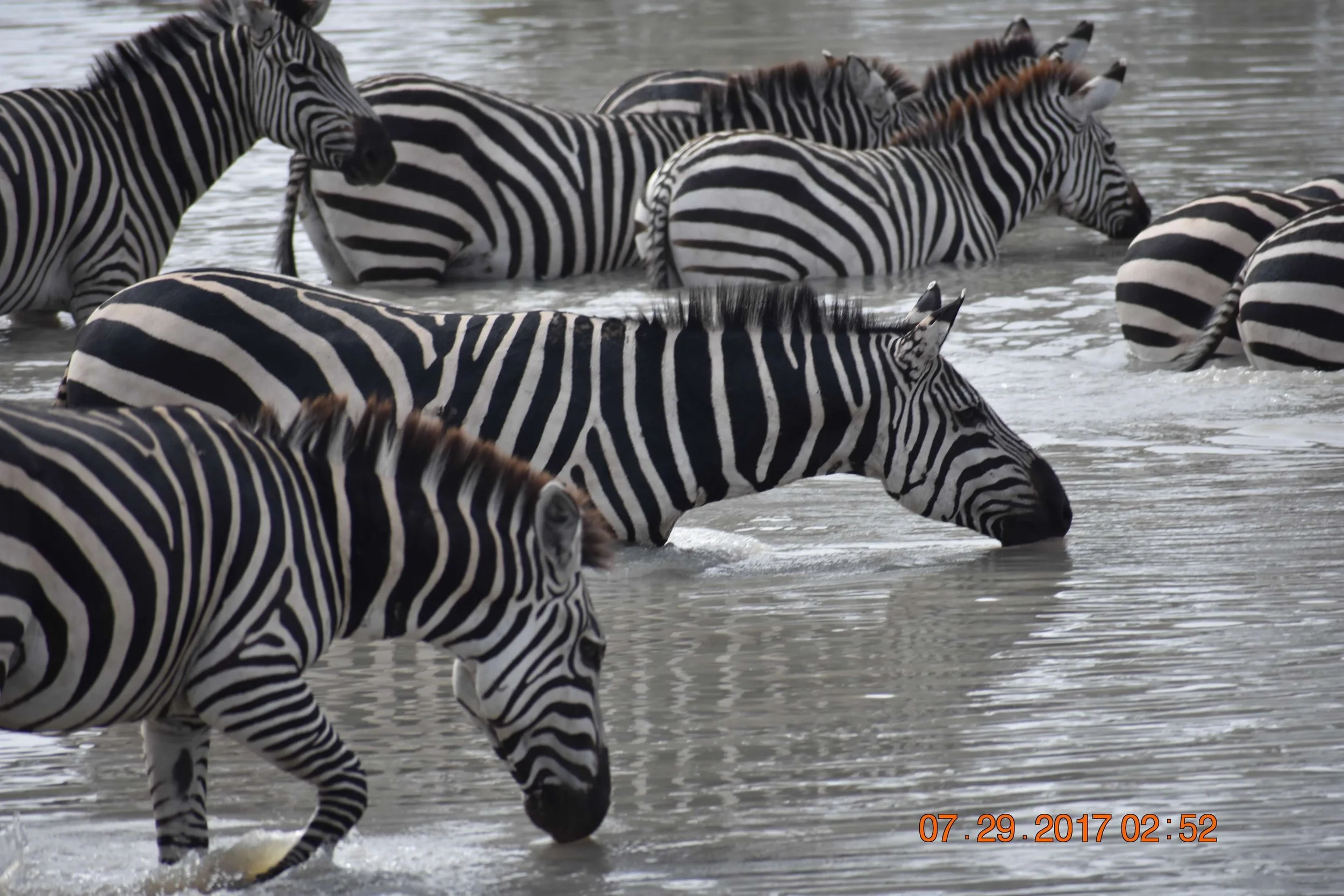
Zebras cooling off in Tarangire’s river, photo by Zoe Sessine
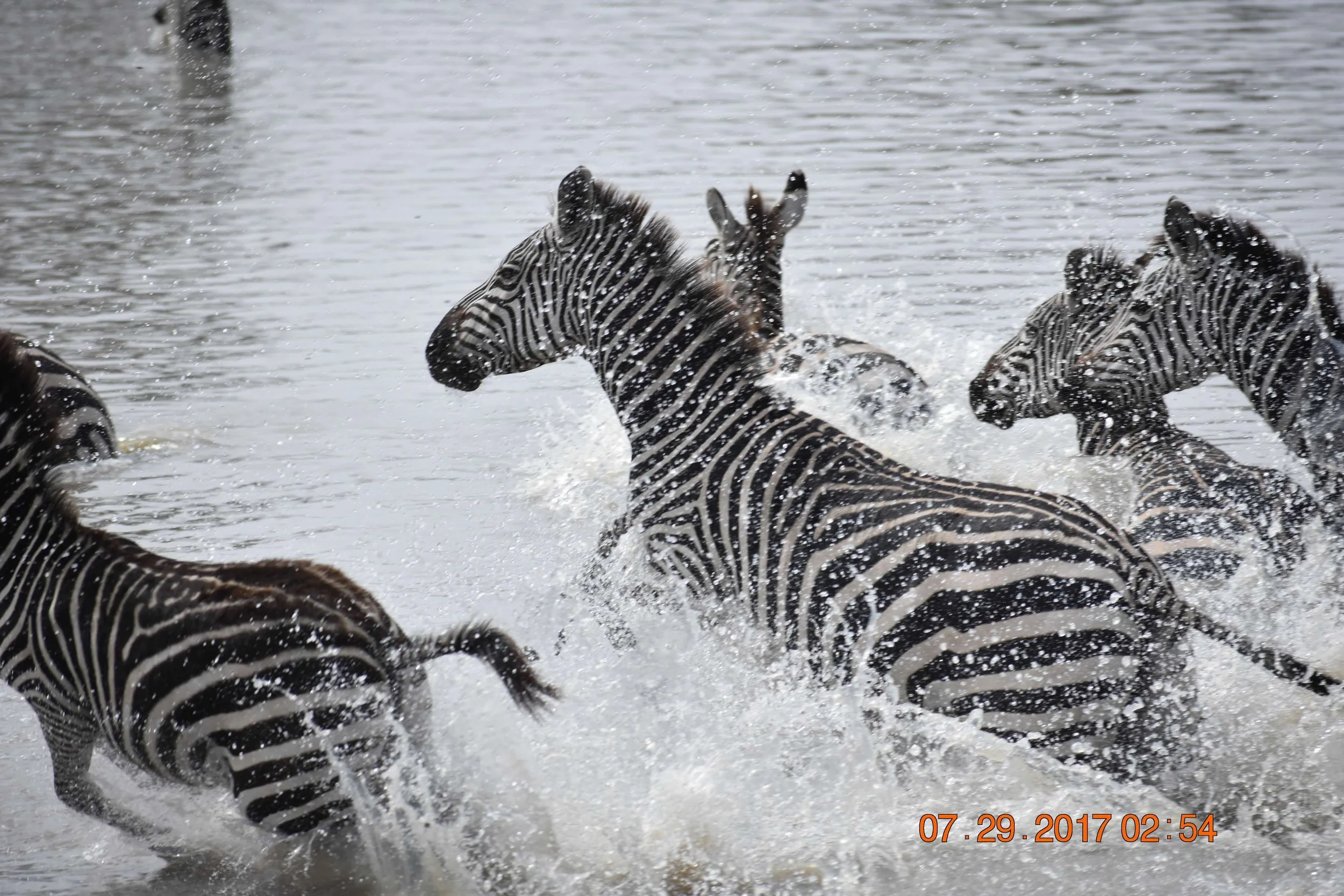
Their escape when thirsty elephants approached, photo by Zoe Sessine
Next, we stayed near the Ngorongoro Crater, at the luxurious Gibb’s Farm, where all of the food served is grown or raised on site. The kids got to milk a cow and tour the vegetable patches. We also hiked to a nearby village called Tloma, where we learned about the workers at a clay brick mine, and visited a school and homes. After a wonderful night’s sleep in our beautiful rooms and a farm-fresh breakfast, we spent the entire day on safari in the Ngorongoro Crater, where we saw hippos, wildebeest, ostriches, and majestic lions. After our safari, we stopped at a roadside woodworking shop, where the carvers taught the kids how they create animal figures from wood. We bought elephant, rhino, and giraffe figures to bring home. We relished our last night under a solid roof before heading off to our Serengeti camps.
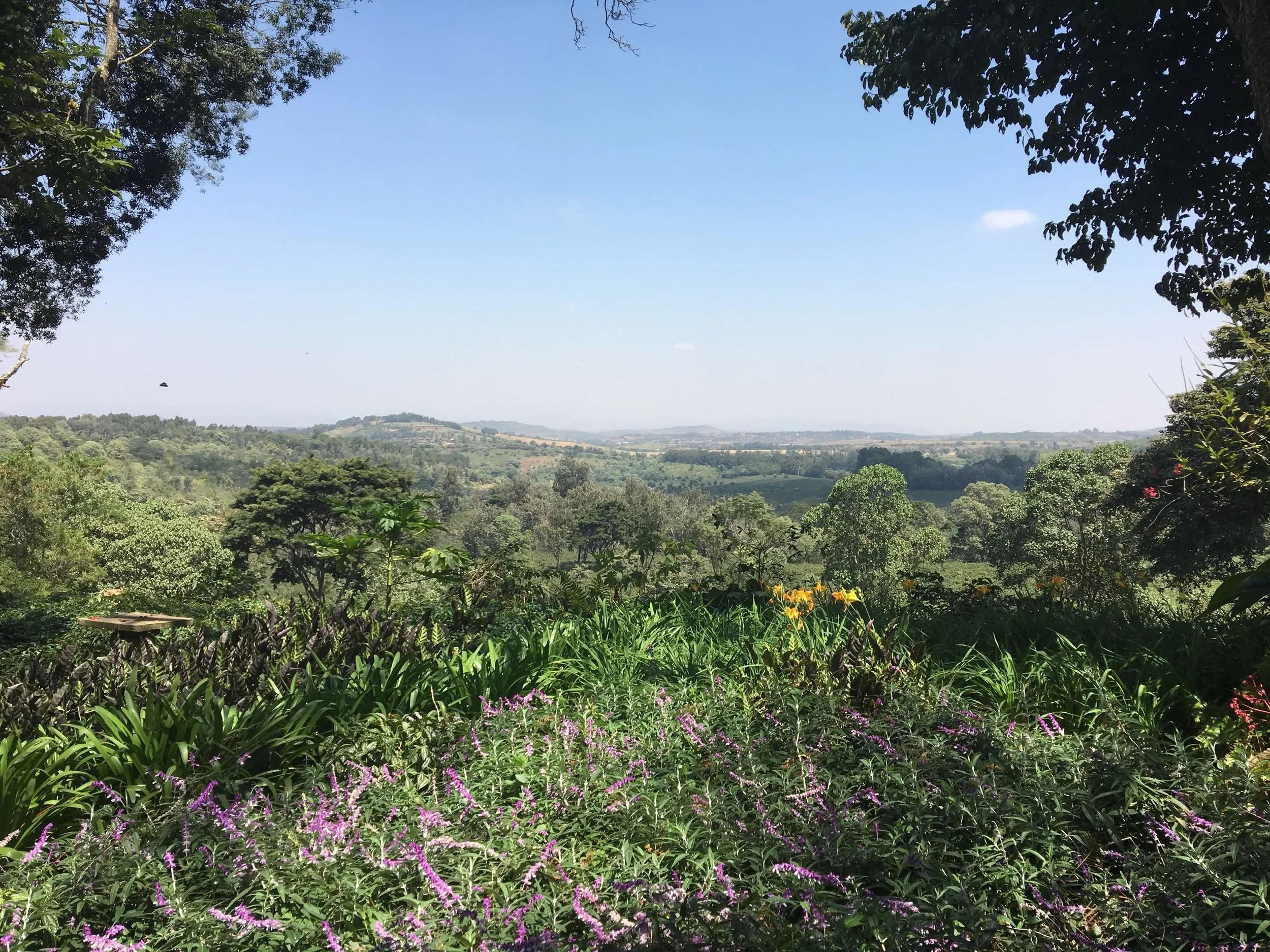
The view from the luxurious Gibb’s Farm in Tanzania
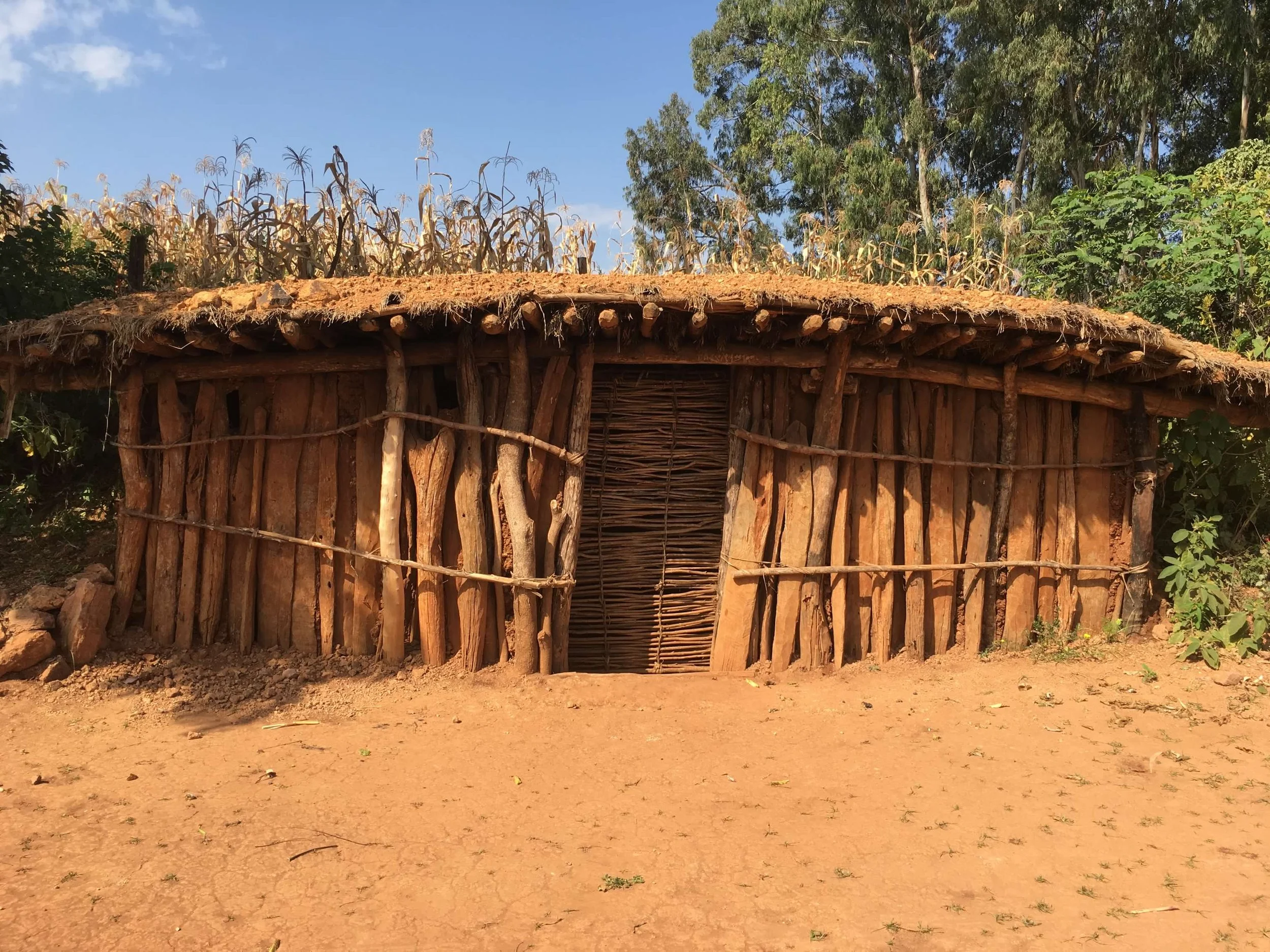
A home in Tloma, a village near Gibb’s Farm that we visited
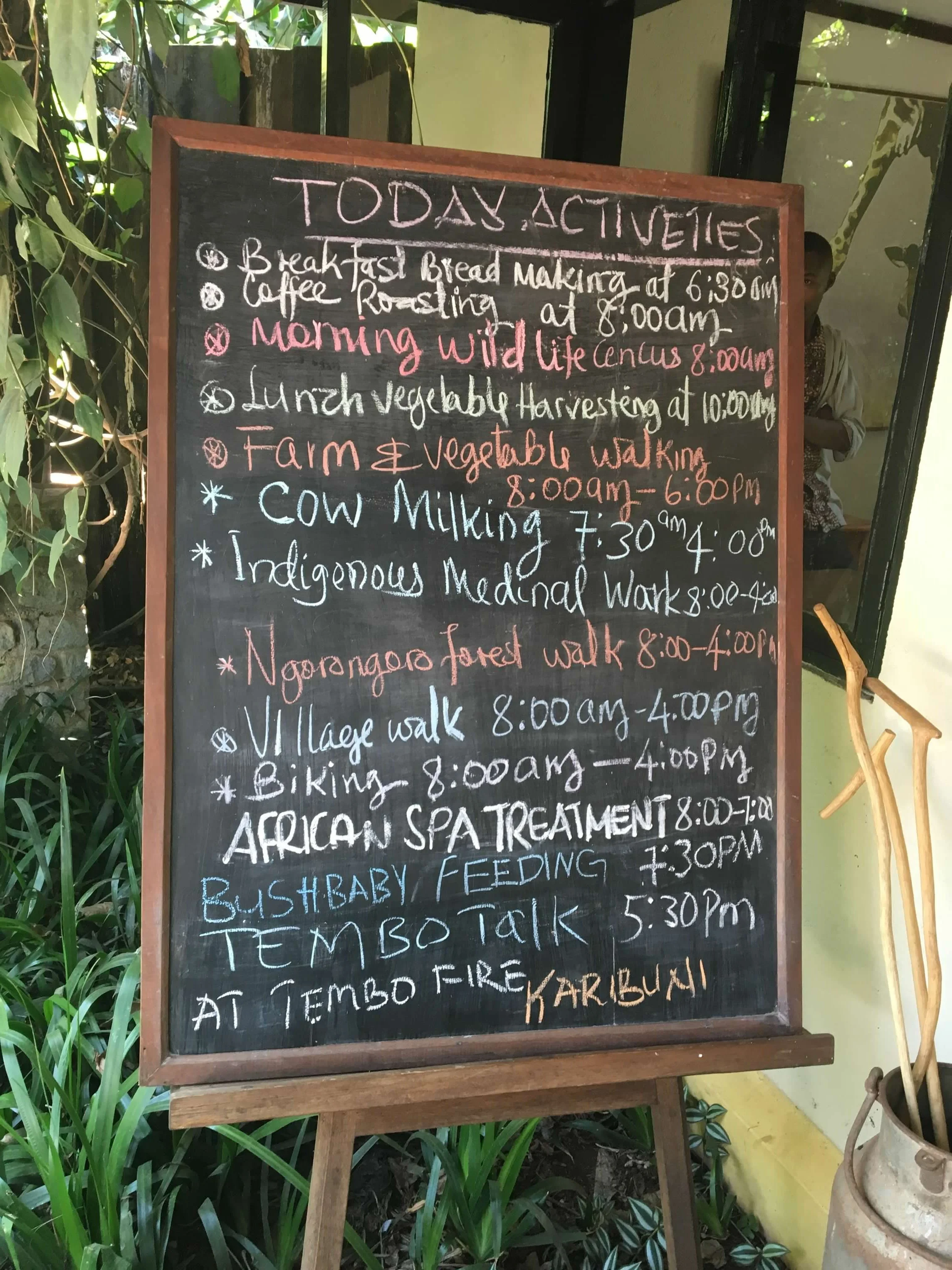
Activities board at Gibb’s Farm
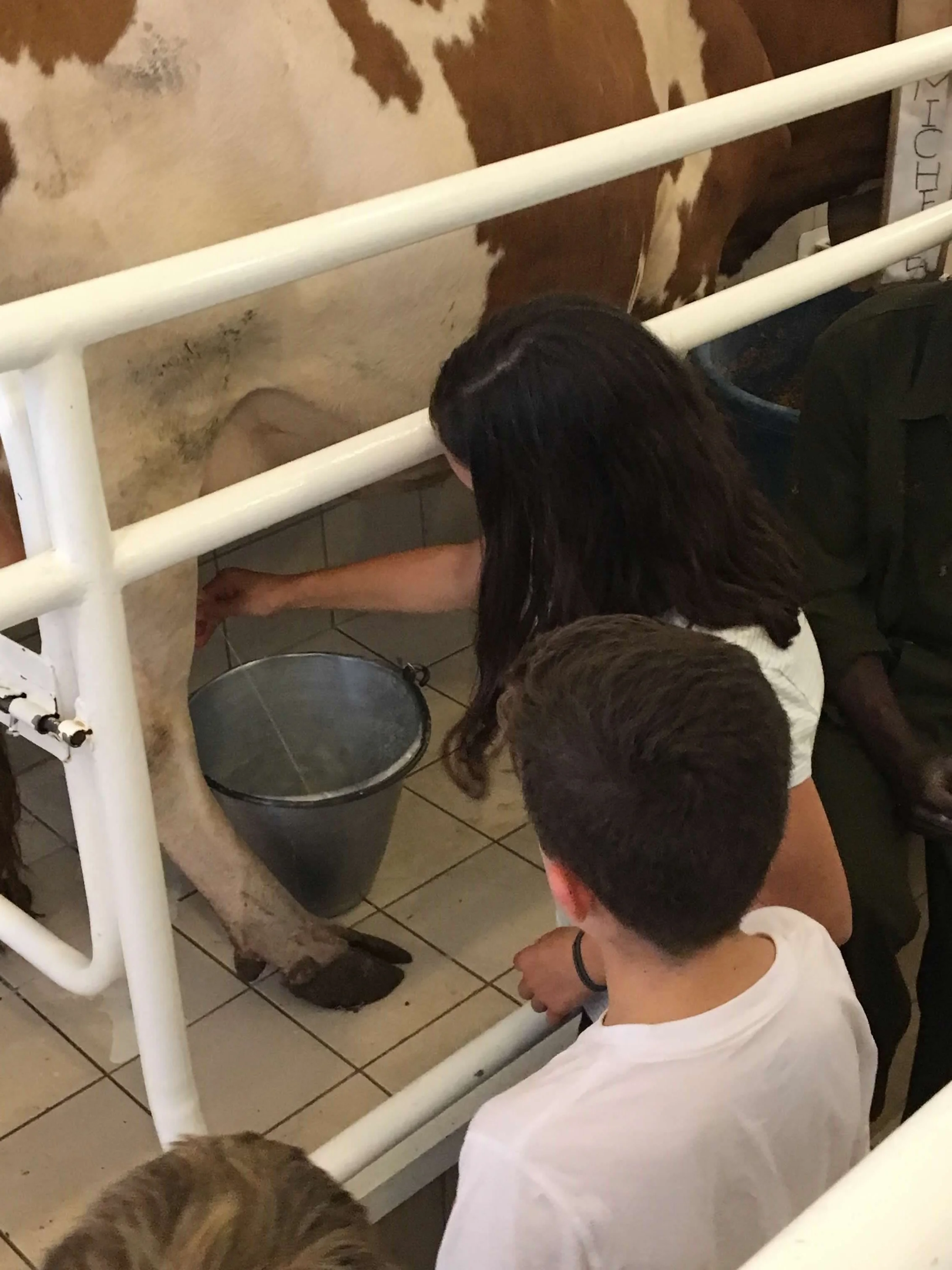
Kids learning how to milk the cows at Gibb’s Farm
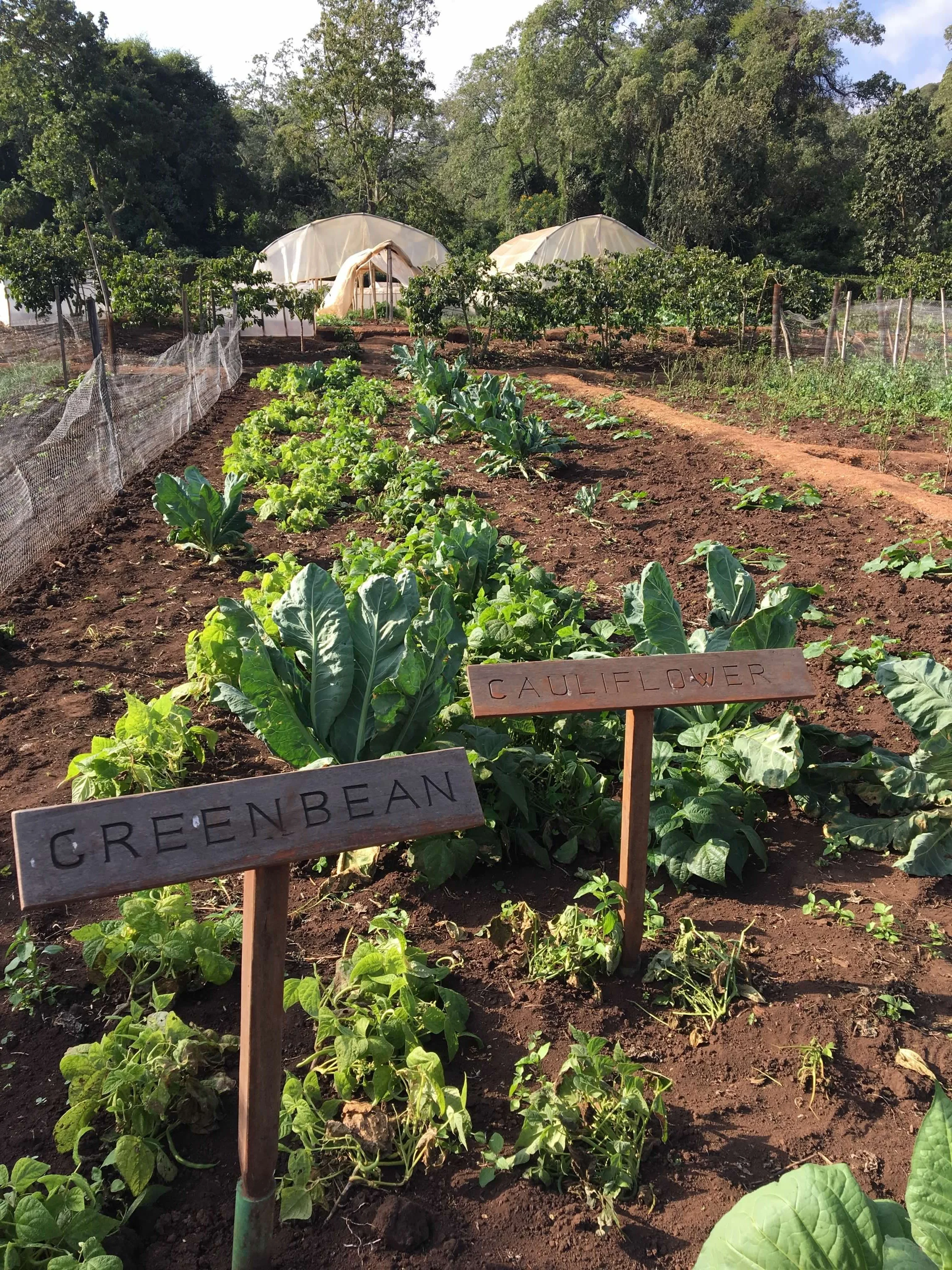
Touring the vegetable garden at Gibb’s Farm
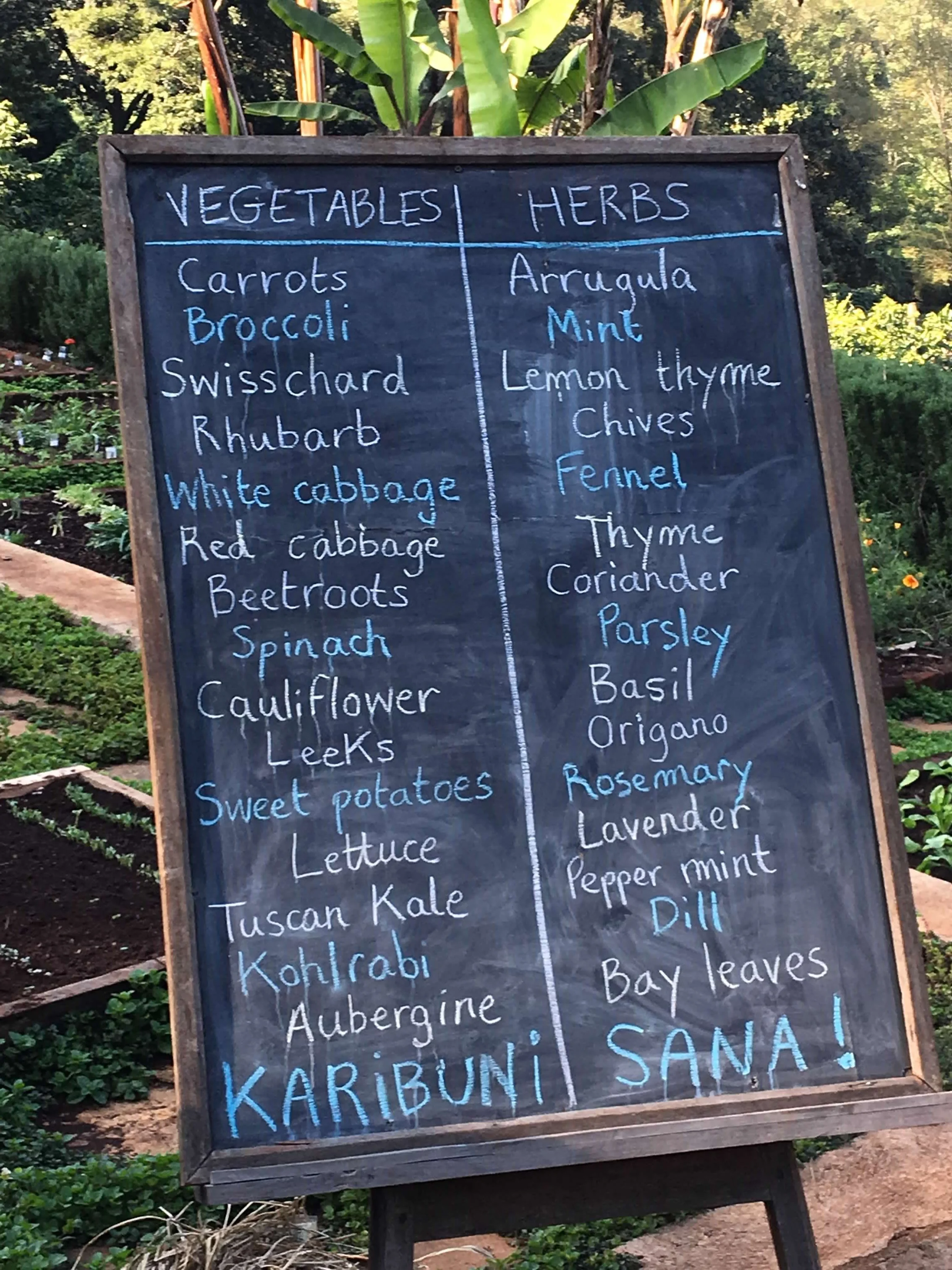
Today’s bounty - much of it to end up in our dinner!
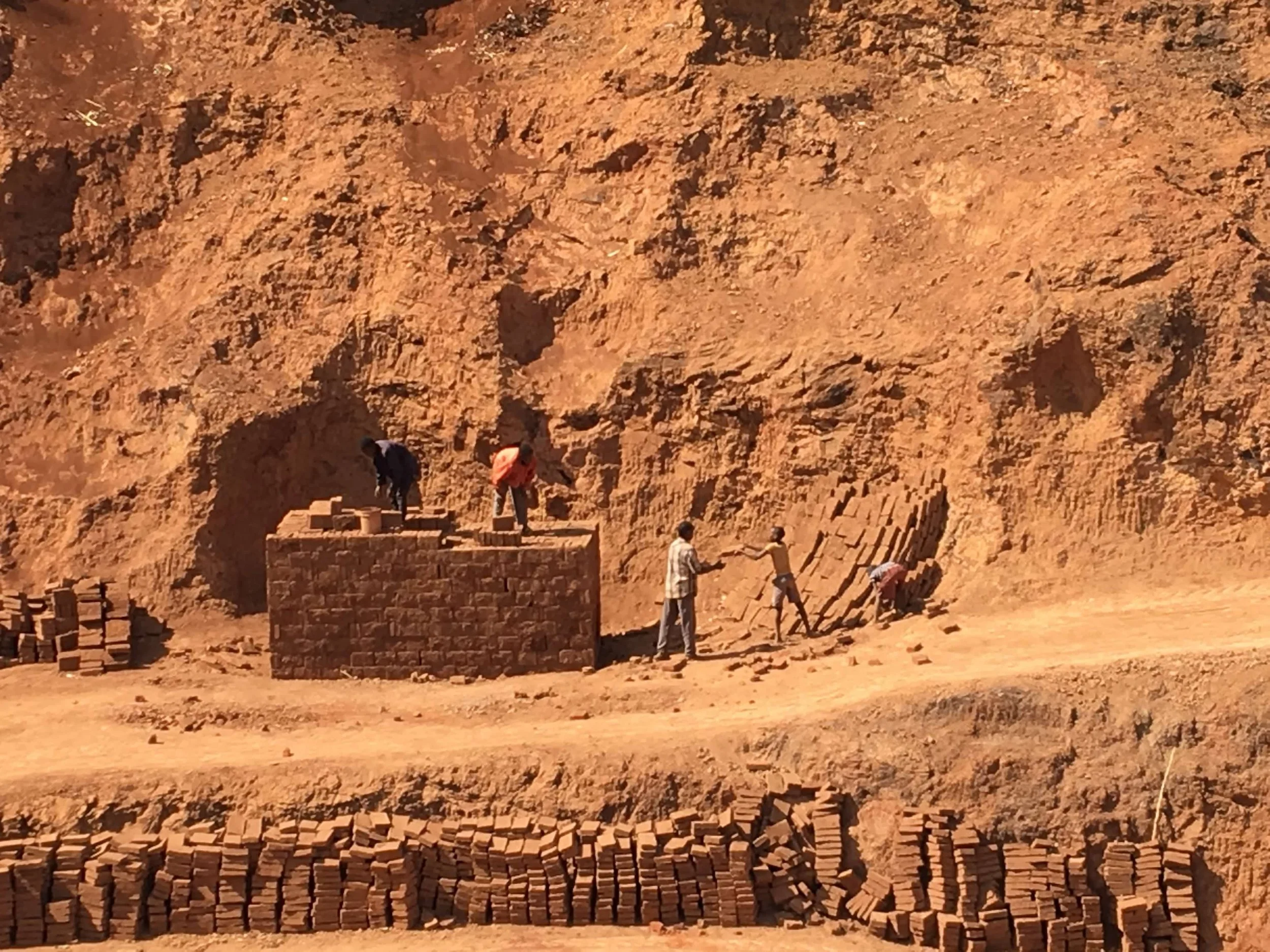
Learning about mining for clay to make bricks in Tloma, Tanzania
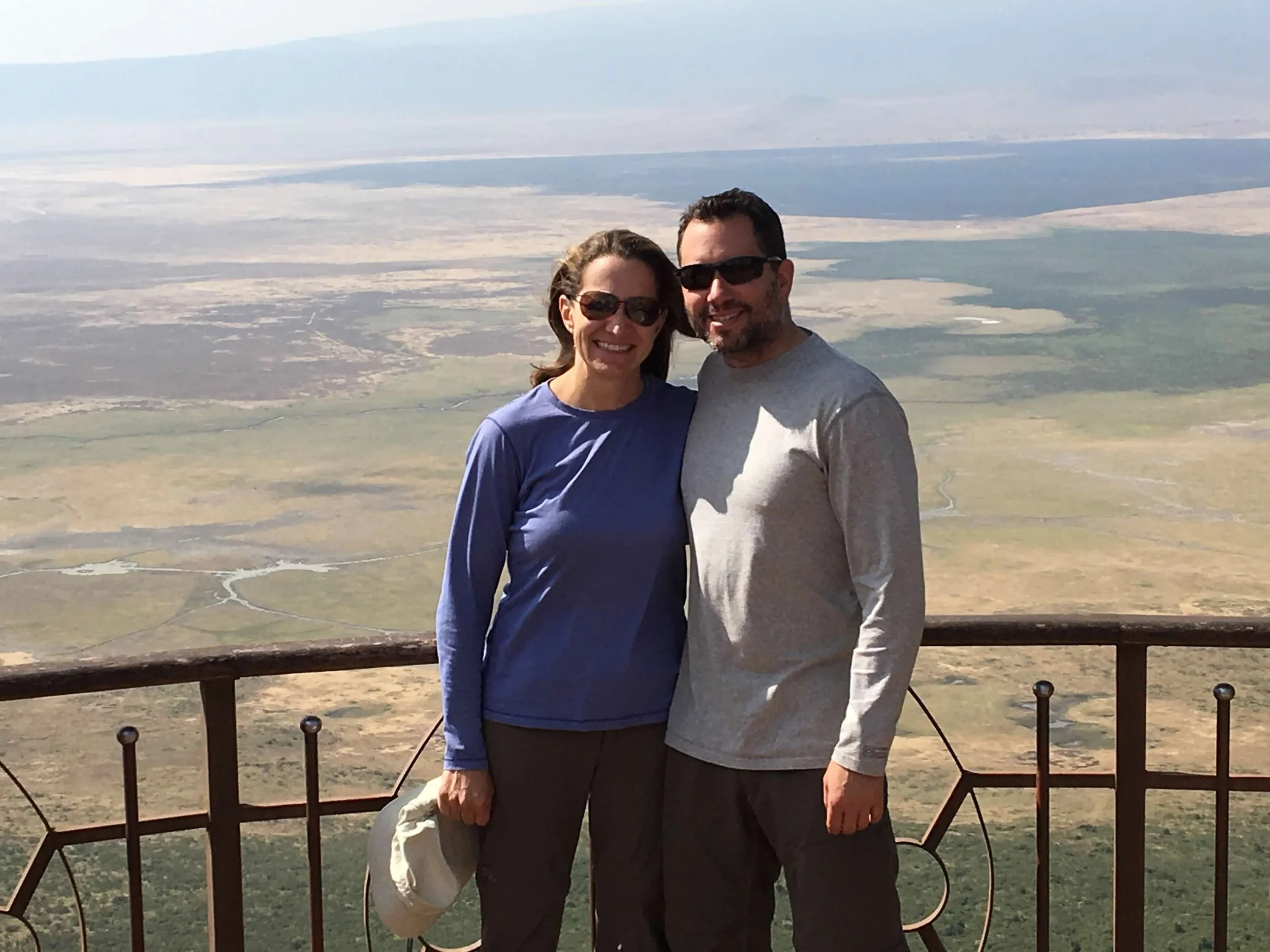
The author and her husband overlooking the vast Ngorongoro Crater
On our way to the Serengeti, we passed Maasai settlements, the Great Rift Valley, and the Olduvai Gorge, where evidence of the first human was found. Entering the Serengeti, we spotted our first cheetahs! They were beautiful. Soon, we came upon a gorgeous lioness lounging on a dirt mound, looking over the grasses. Thomson has well-appointed permanent camps in the Central and Eastern Serengeti, and we stayed at both. The staff will heat water for a brief shower in the bathroom tent attached to each sleeping tent. We had actual beds in each tent. The food was good. The staff was wonderful. The longer safari gave us time for not only being on safari at leisure, watching lionesses with their cubs or following a leopard on the hunt, but also for playing soccer in the camps every evening with the guides and staff. Even my daughter, who is not big on ball sports, played for hours every day, having so much fun. The staff also made a campfire for us every evening, where we could make s’mores or just hang out.
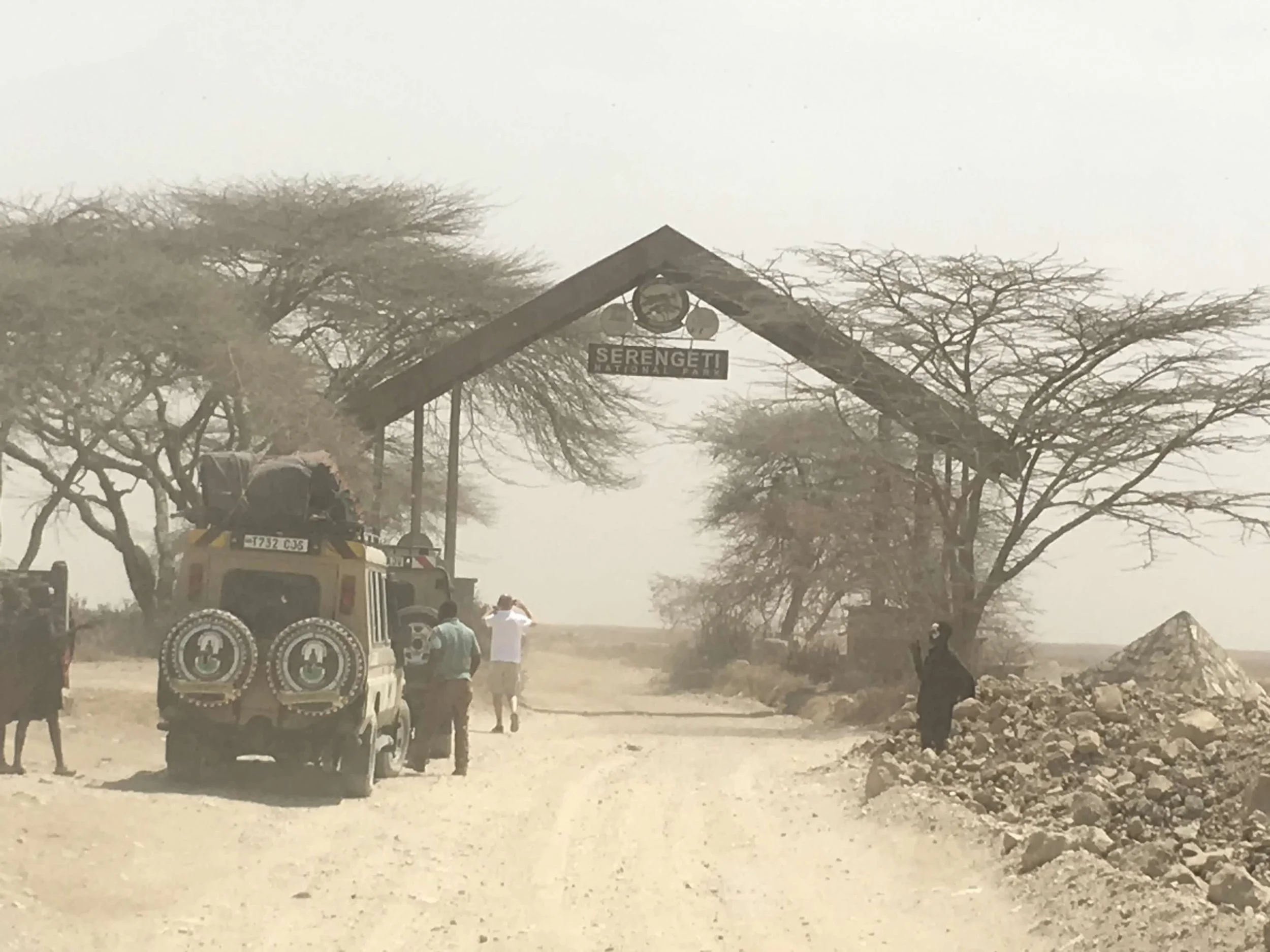
Entering Serengeti National Park!
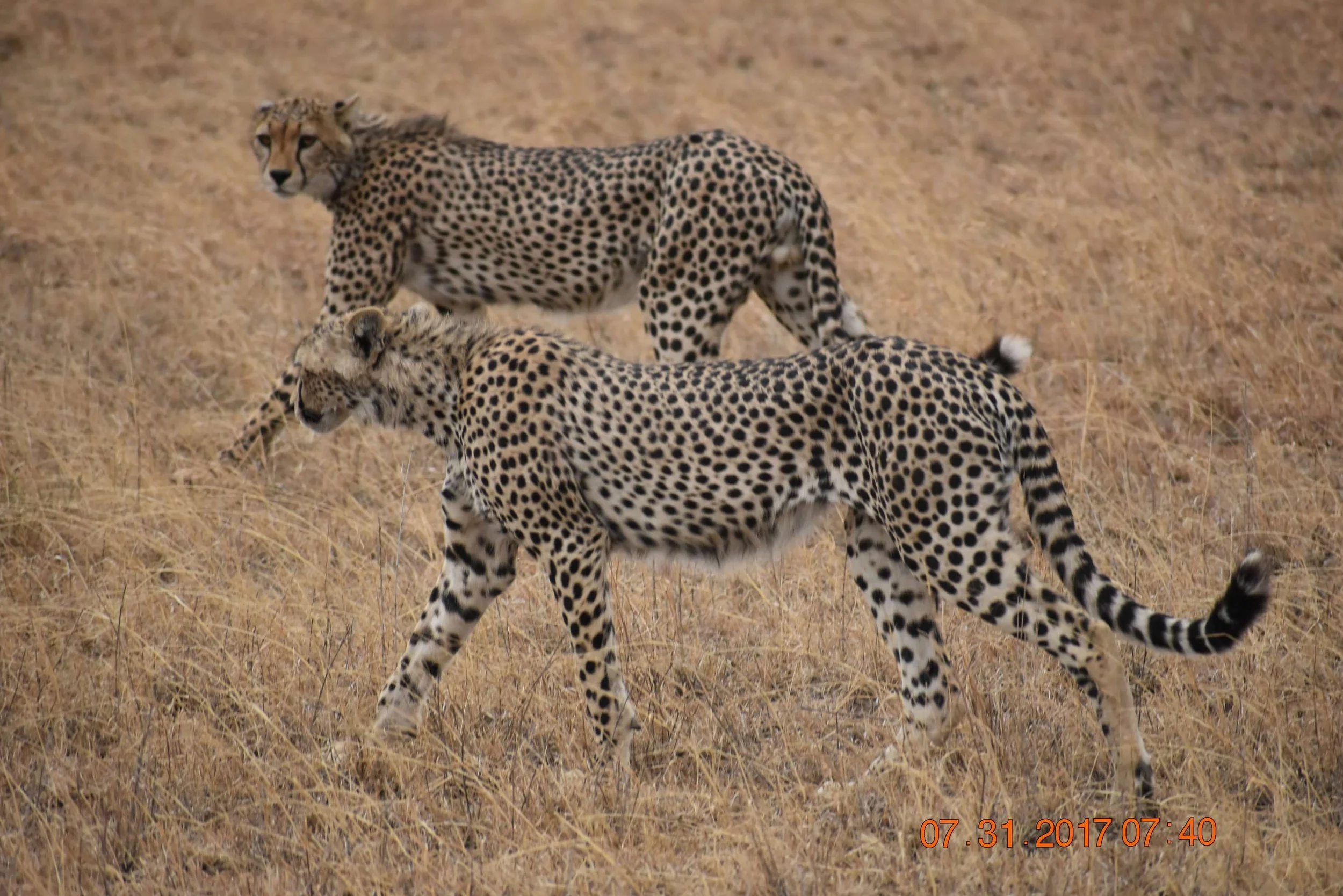
The cheetahs were just gorgeous to watch, photo by Zoe Sessine
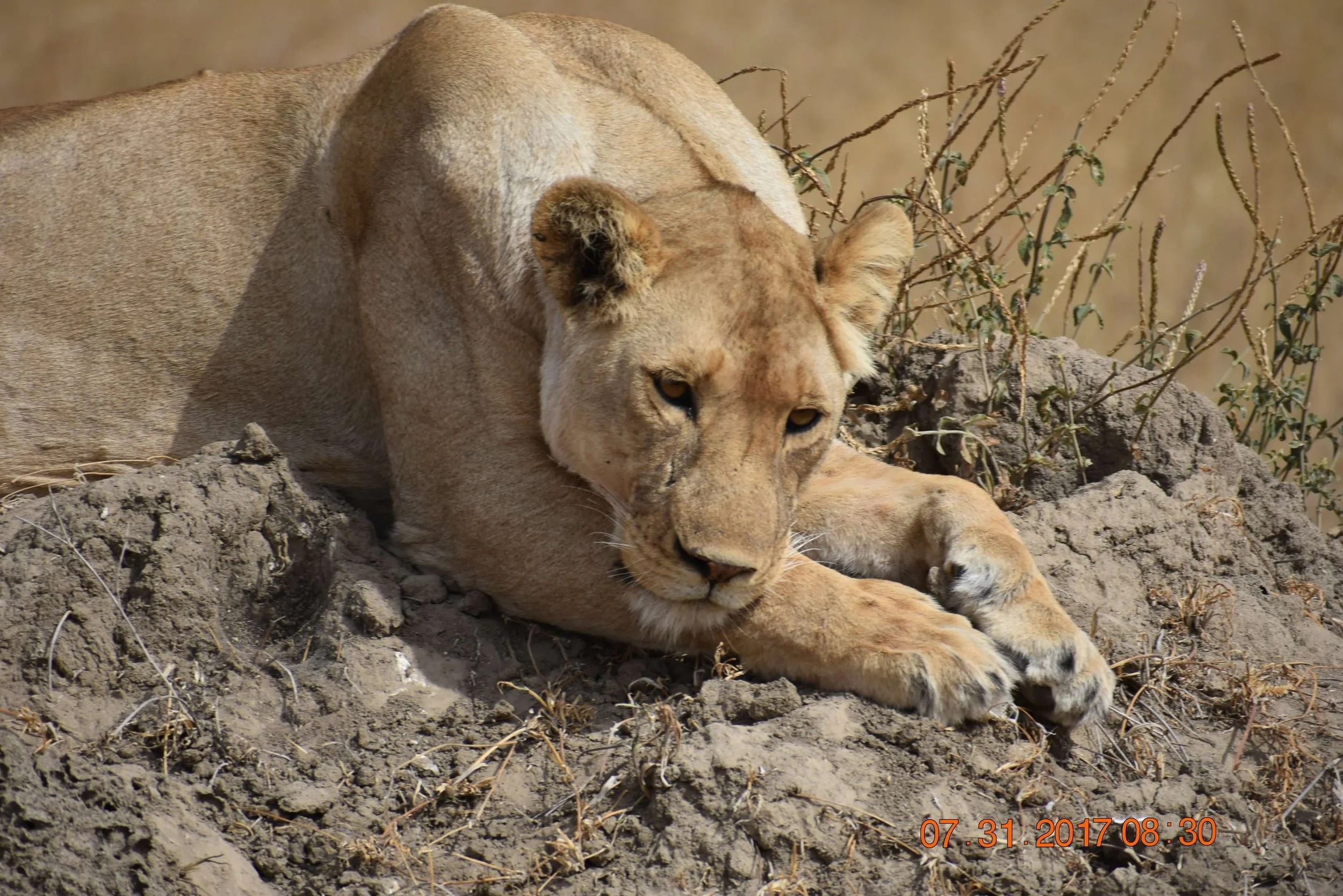
Isn’t she just beautiful? Photo by Zoe Sessine
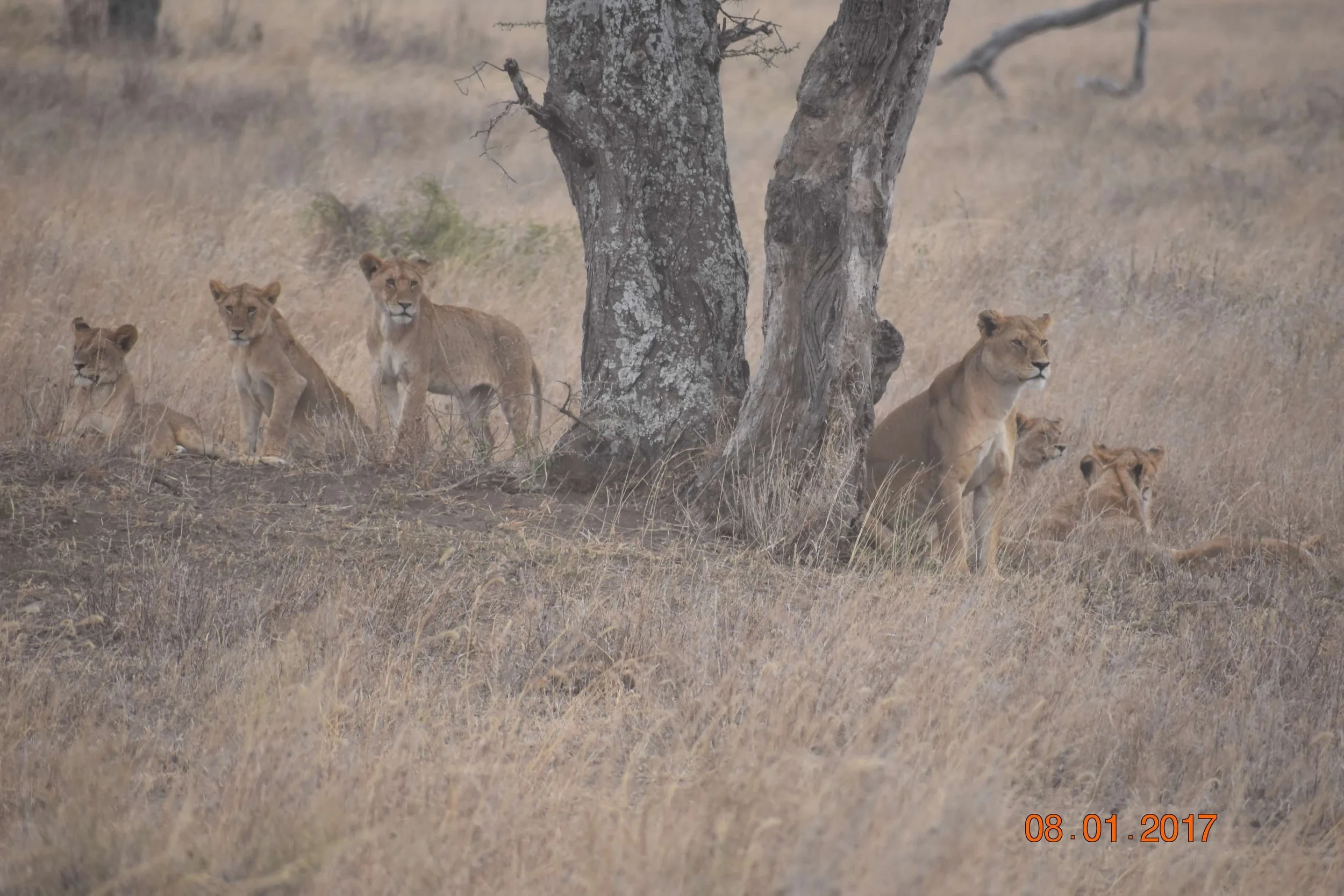
Lionesses on the lookout, photo by Zoe Sessine
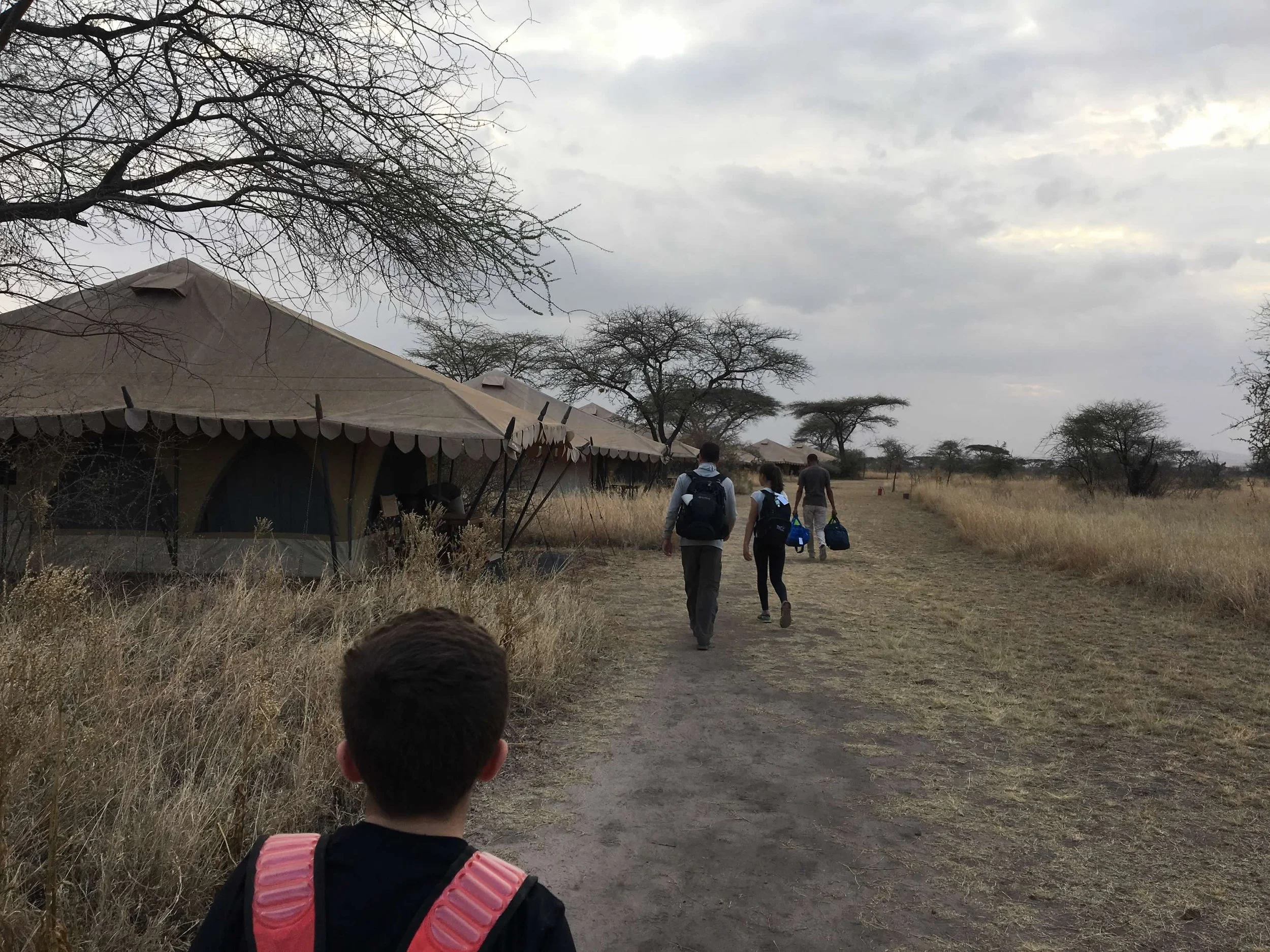
Walking to our tents at one of Thomson’s permanent tented camps
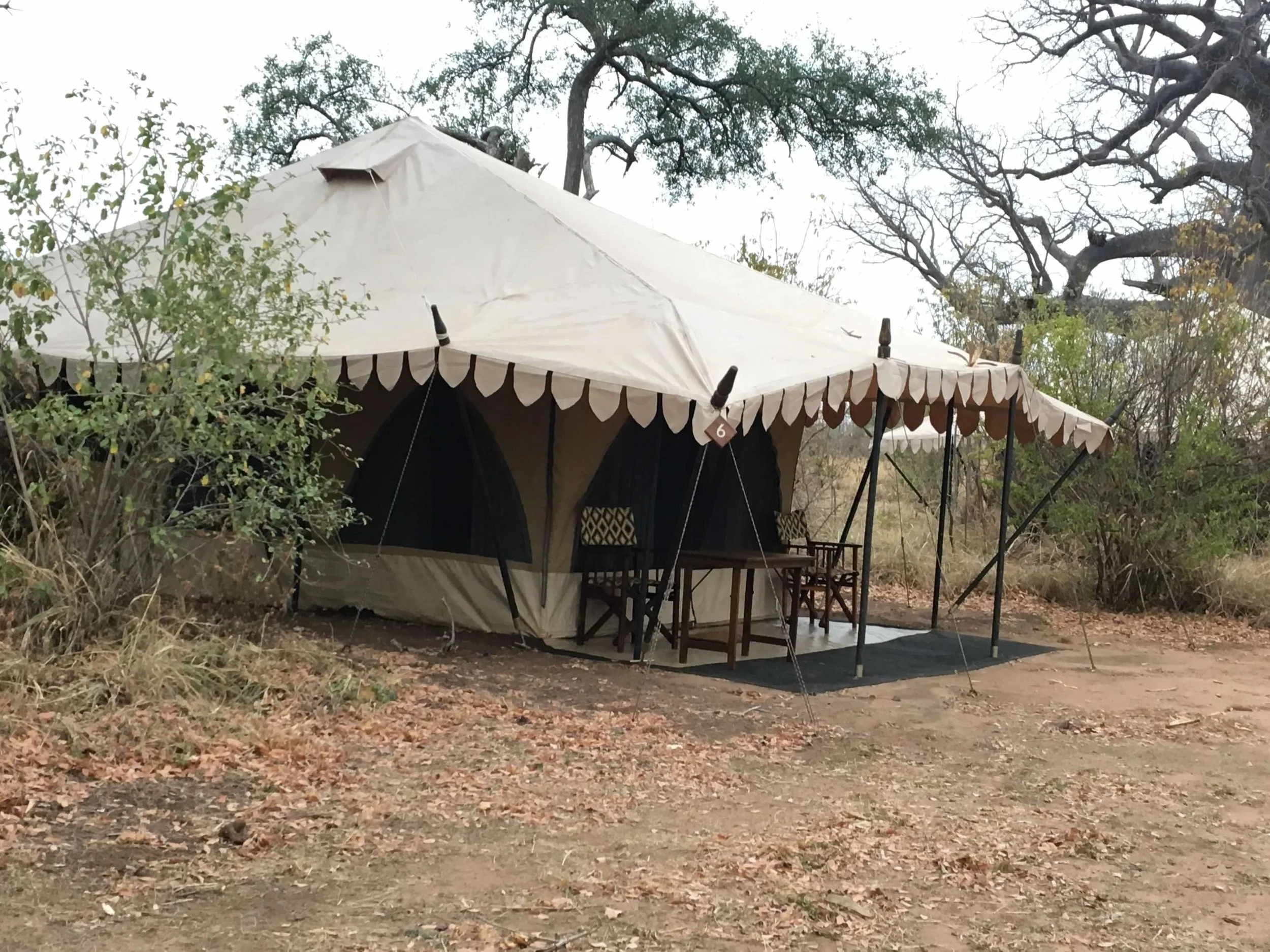
Our tent
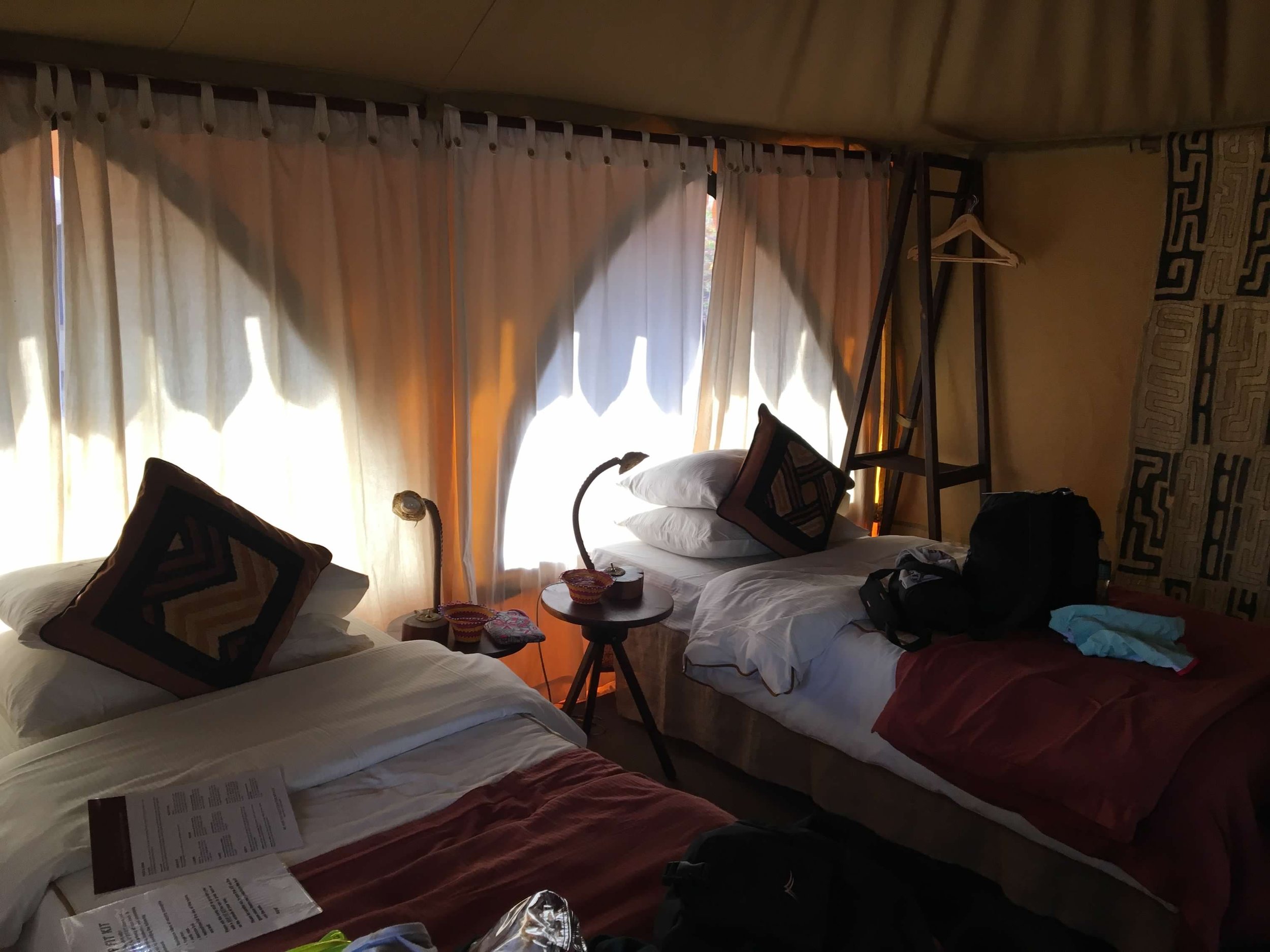
The tents were very comfortable
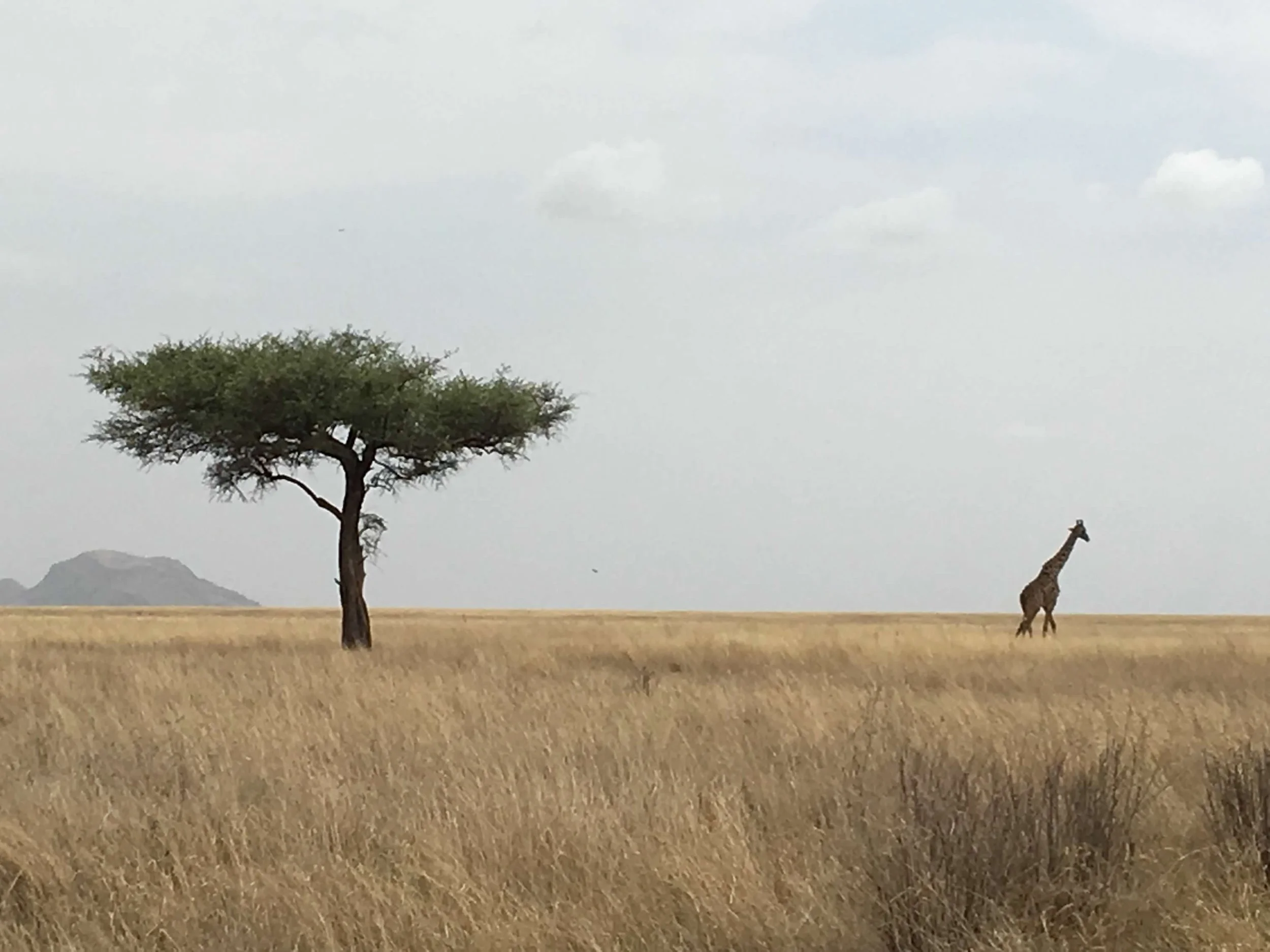
The reality of the Serengeti matches the imagination
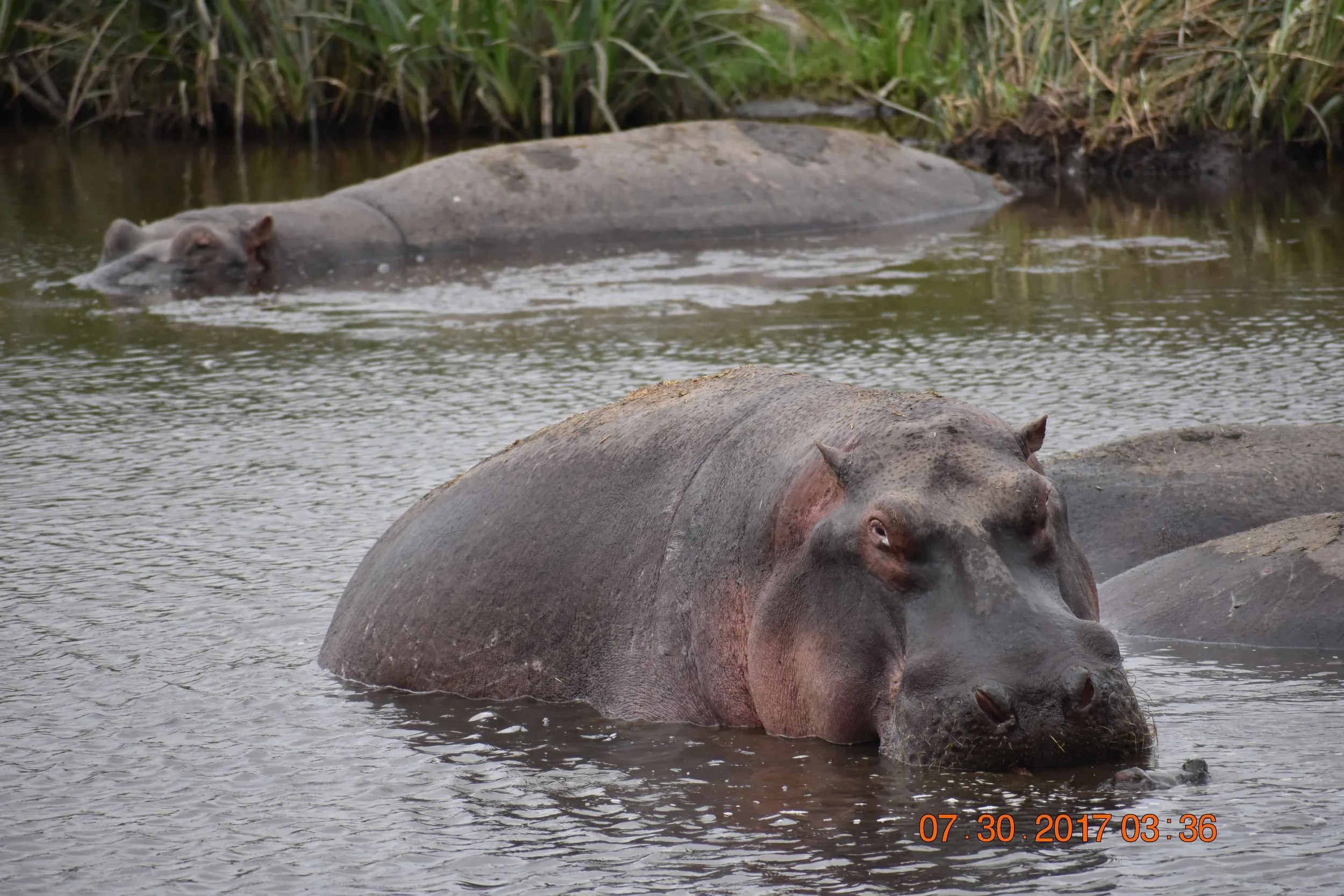
Africa’s most dangerous animal emerging from the river, photo by Zoe Sessine
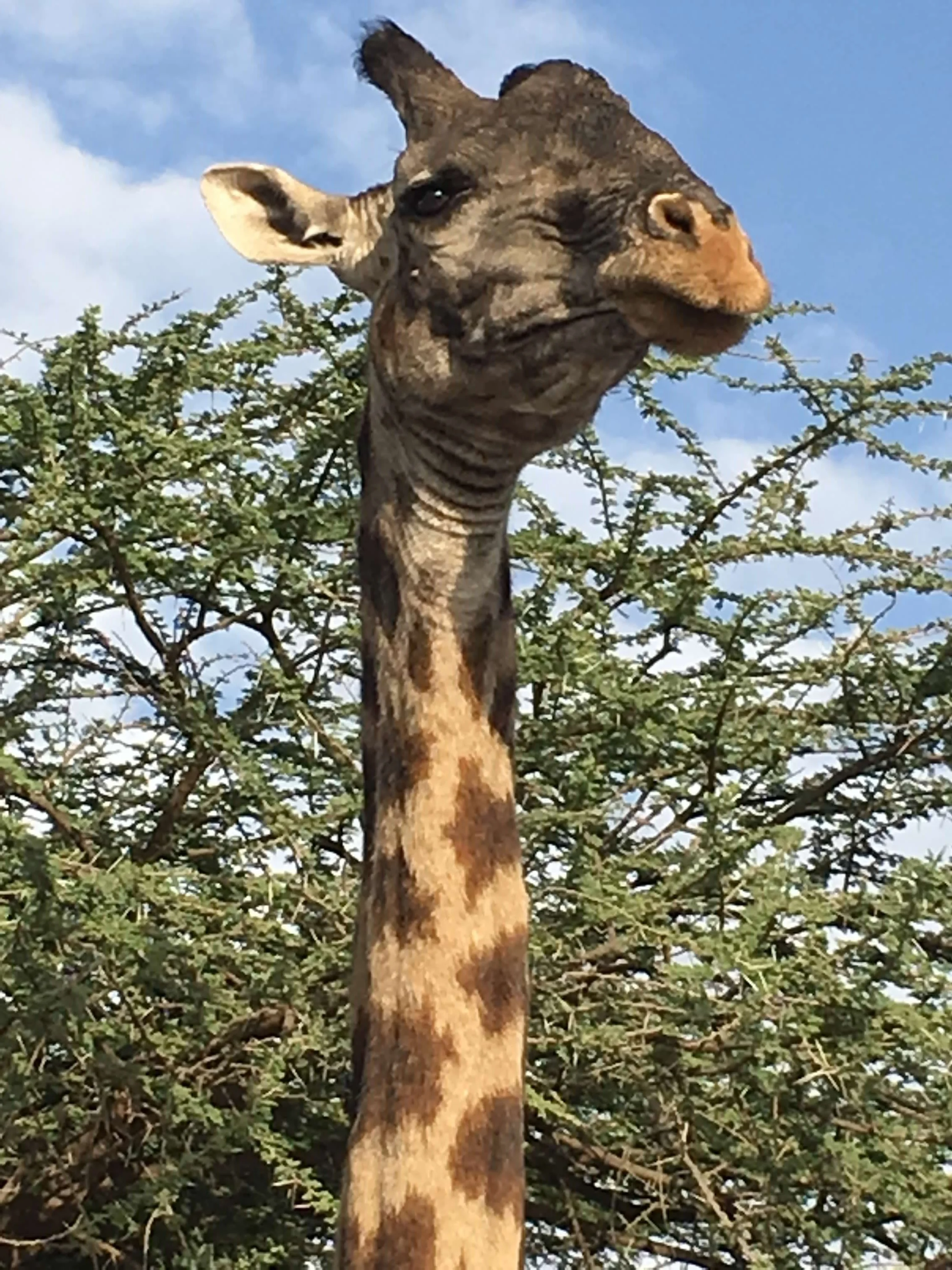
Giraffes are ubiquitous in the Serengeti
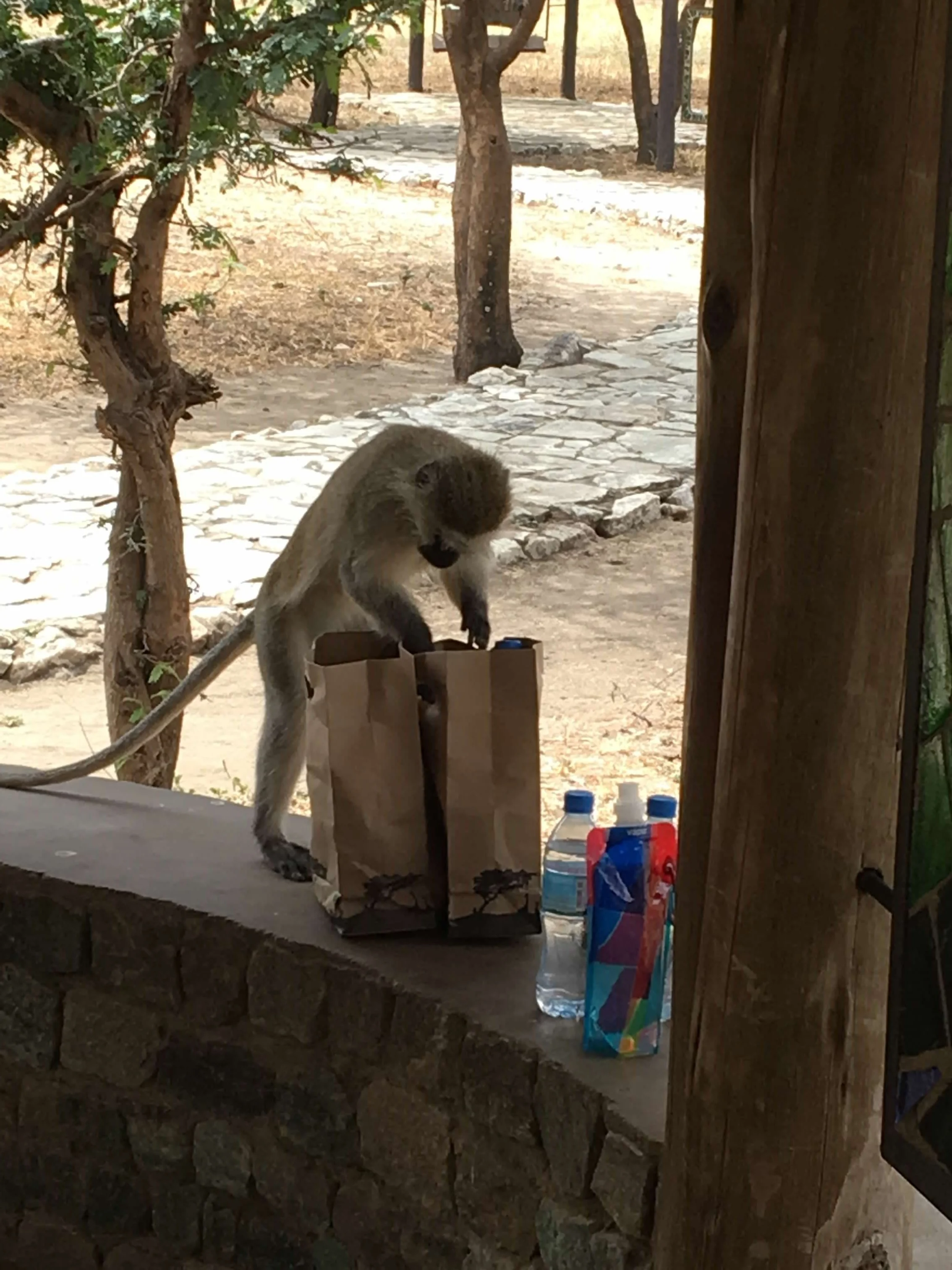
Another lesson taught by wildlife to the American children - don’t leave your lunch unattended!
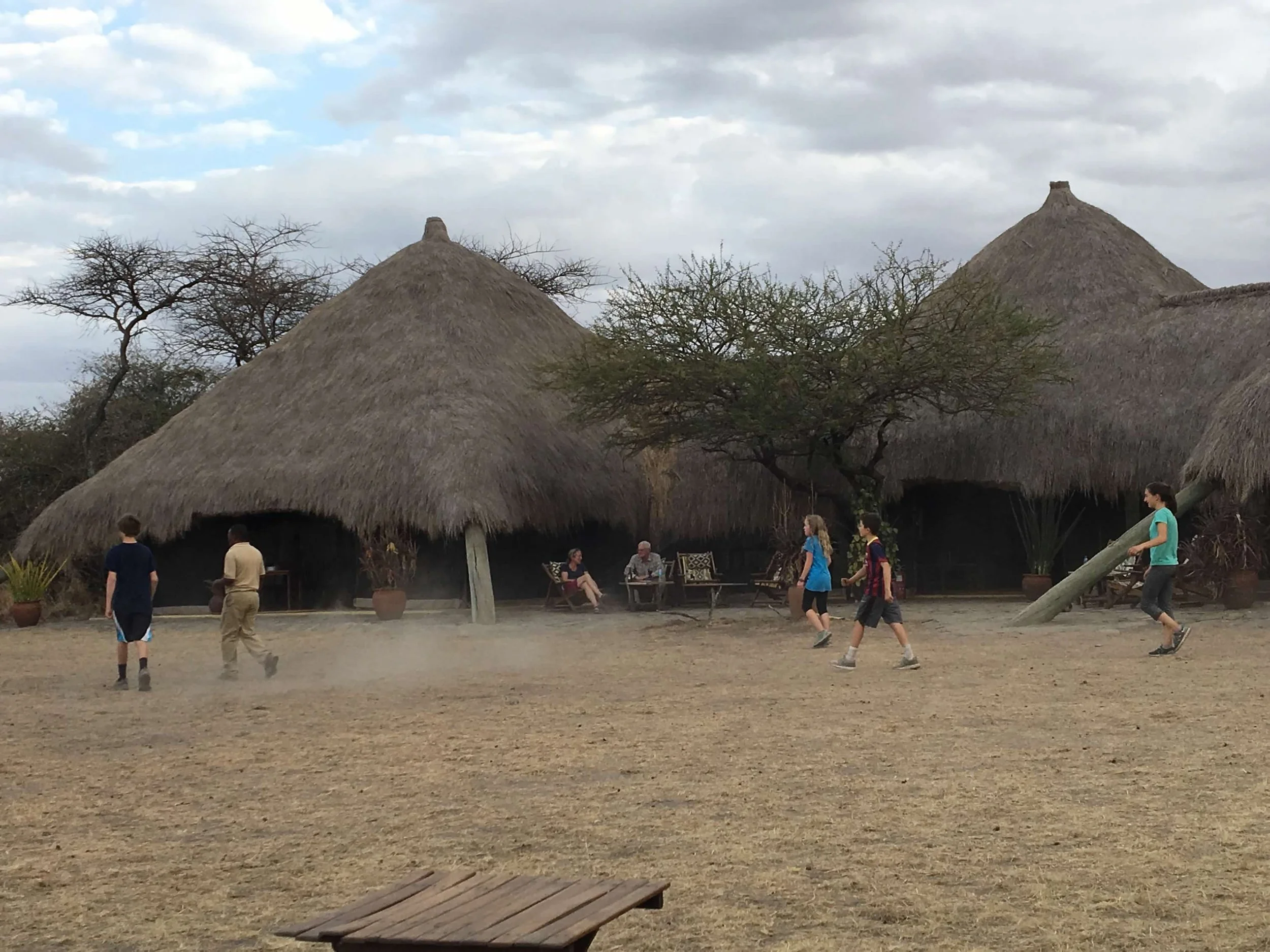
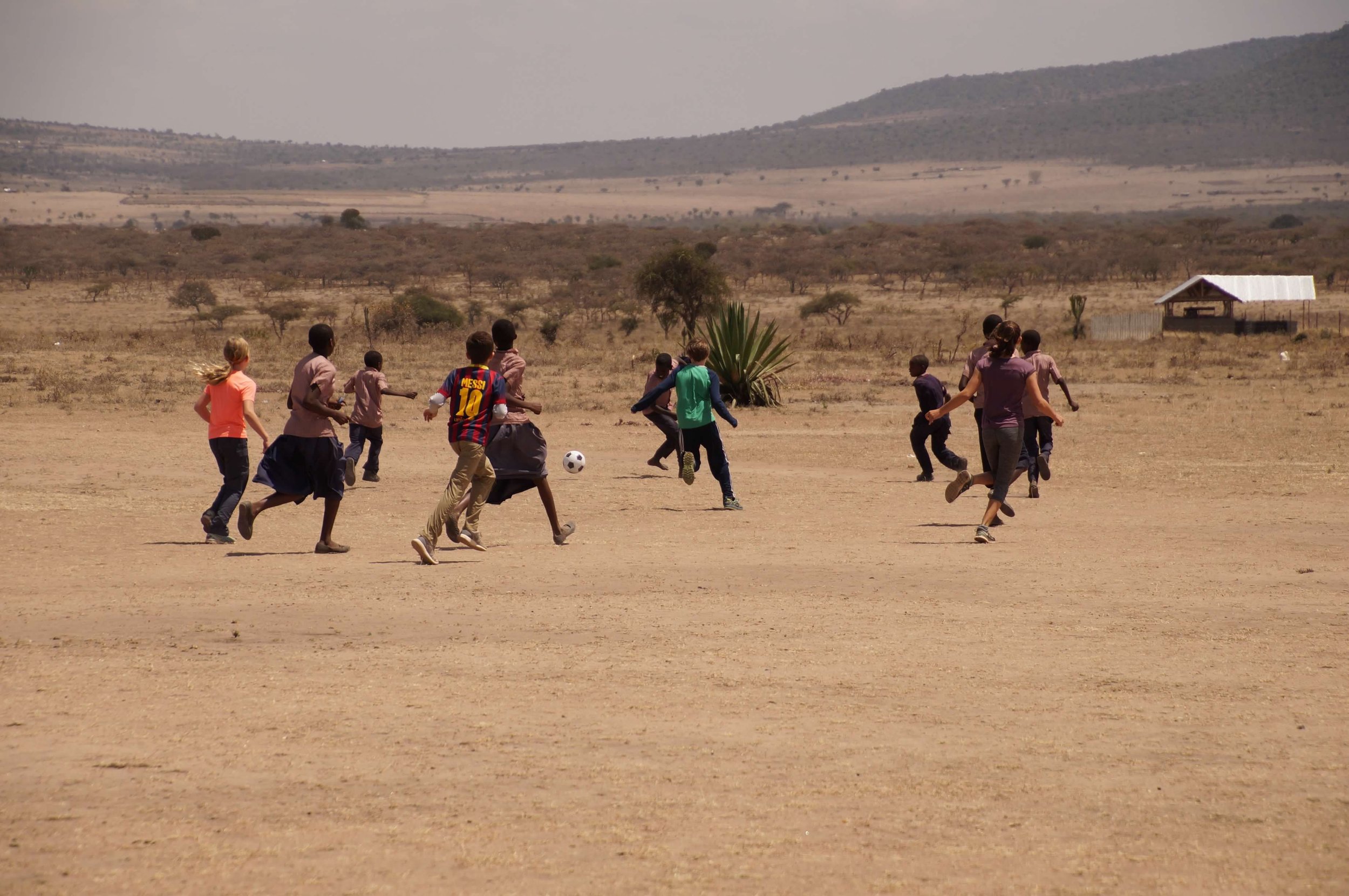
The kids, guides, and staff played soccer everyday after safari
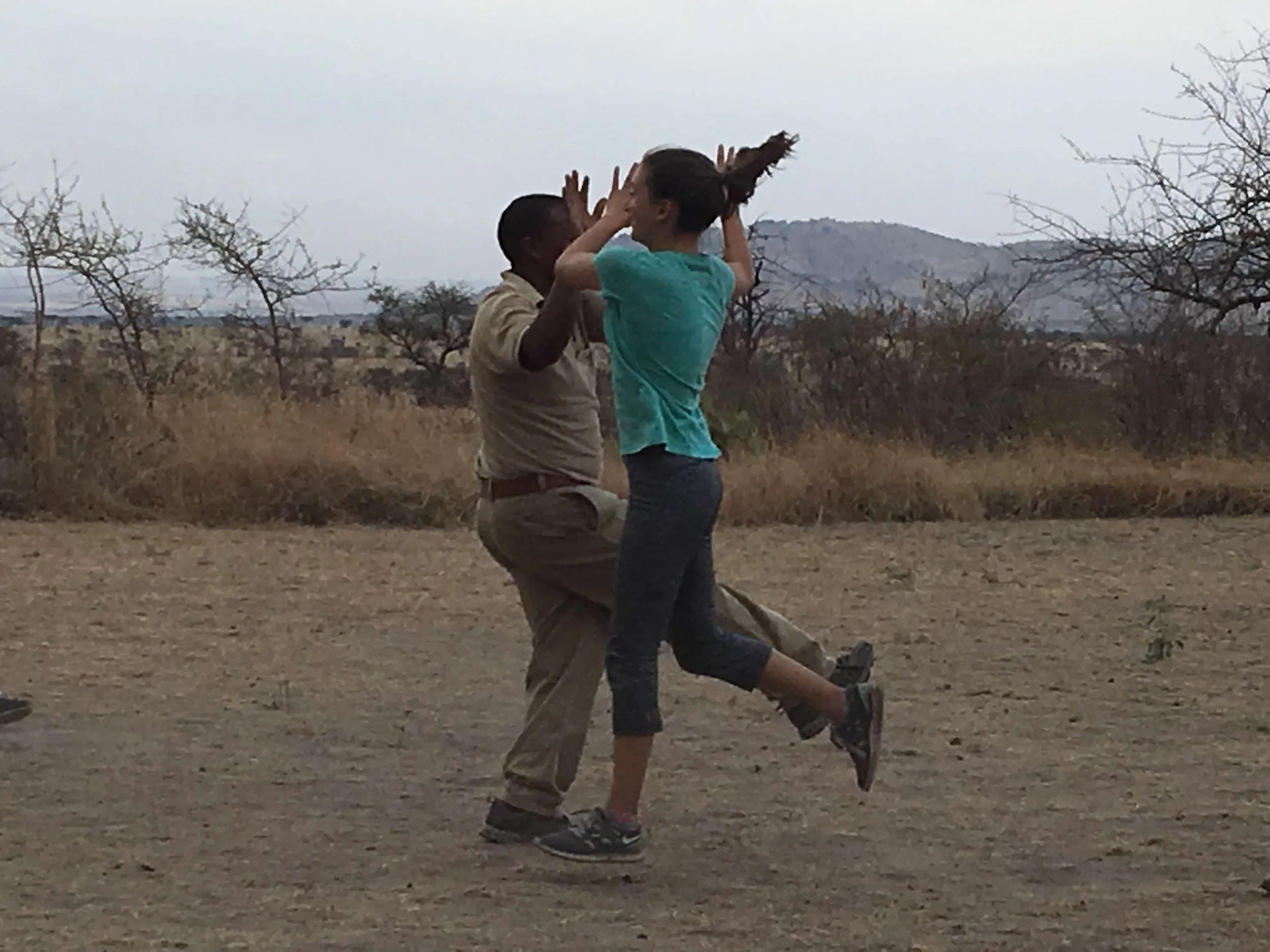
High fives
As much as we loved watching the amazing animals and spending time with each other and our new friends, getting to know the Maasai people was a true highlight of our time in Tanzania. A Maasai grandmother visited our camp one night and told traditional Maasai stories. She taught us that Maasai do not count their children, in a feeble attempt to ease the pain when they inevitably lose some of them to disease or famine. We often saw young boys herding cattle during the school day, not having the option to learn in a classroom. The best cultural exchange and learning experience was during our visits to a Maasai school and village. One of the reasons I chose Thomson was because a year before our trip, my kids were matched with two Maasai children, Theresia and Samuria, at a school sponsored by Thomson. The children wrote back and forth all year, getting to know each other. It was such a special moment when we arrived at the school and my kids met their penpals in person. We brought their new Maasai friends a photo of our family, which they found intriguing. The kids all played soccer together before the Maasai children had to return inside to prepare for their upcoming exams. These exams were important, especially for the girls. Girls who did not pass with high enough marks to continue on to secondary school likely would be married off, at age 13 or 14, to an older man with several other wives.
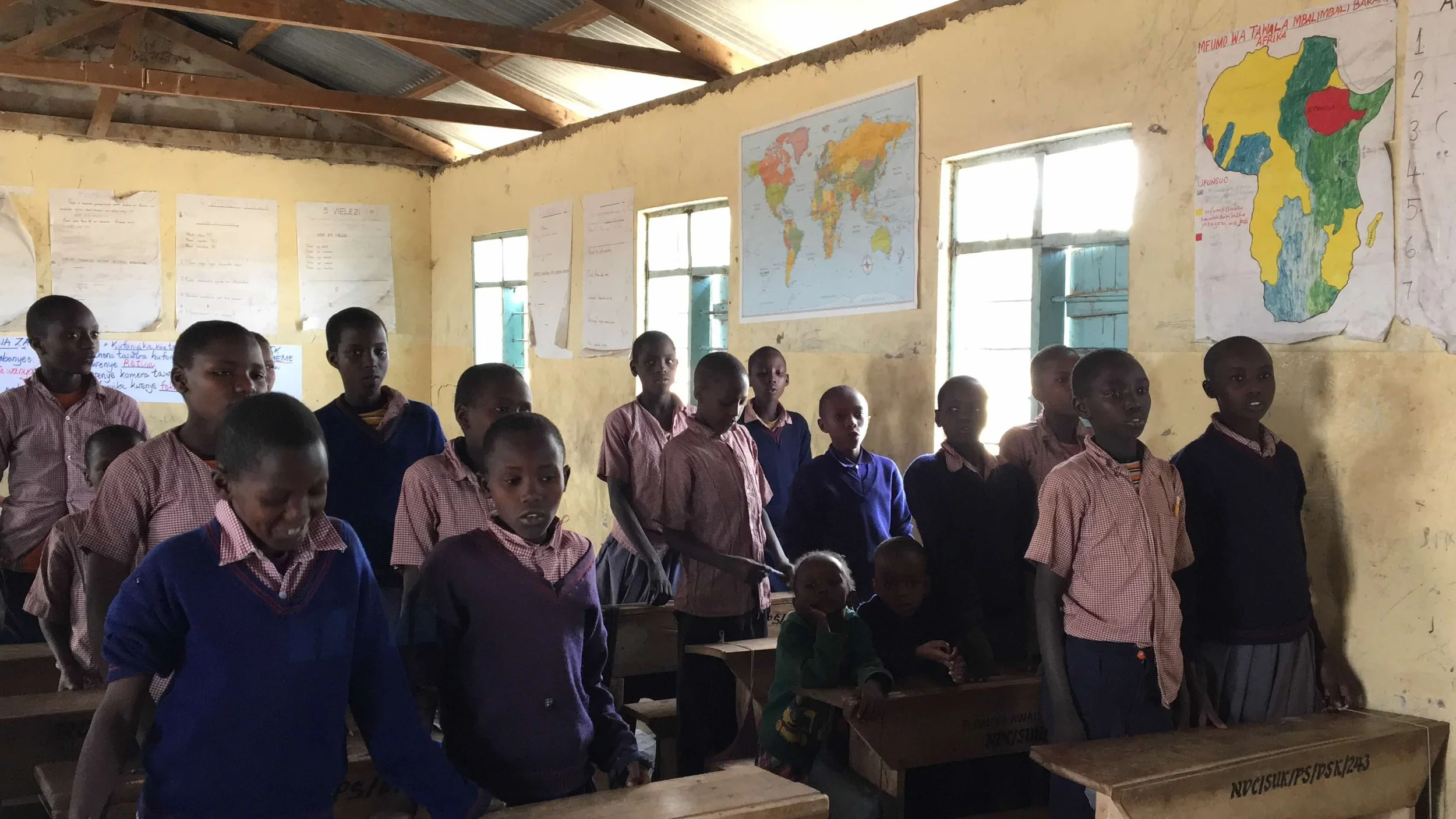
Thomson sponsors this Maasai school in the Serengeti, and matched my kids to penpals the year before our trip
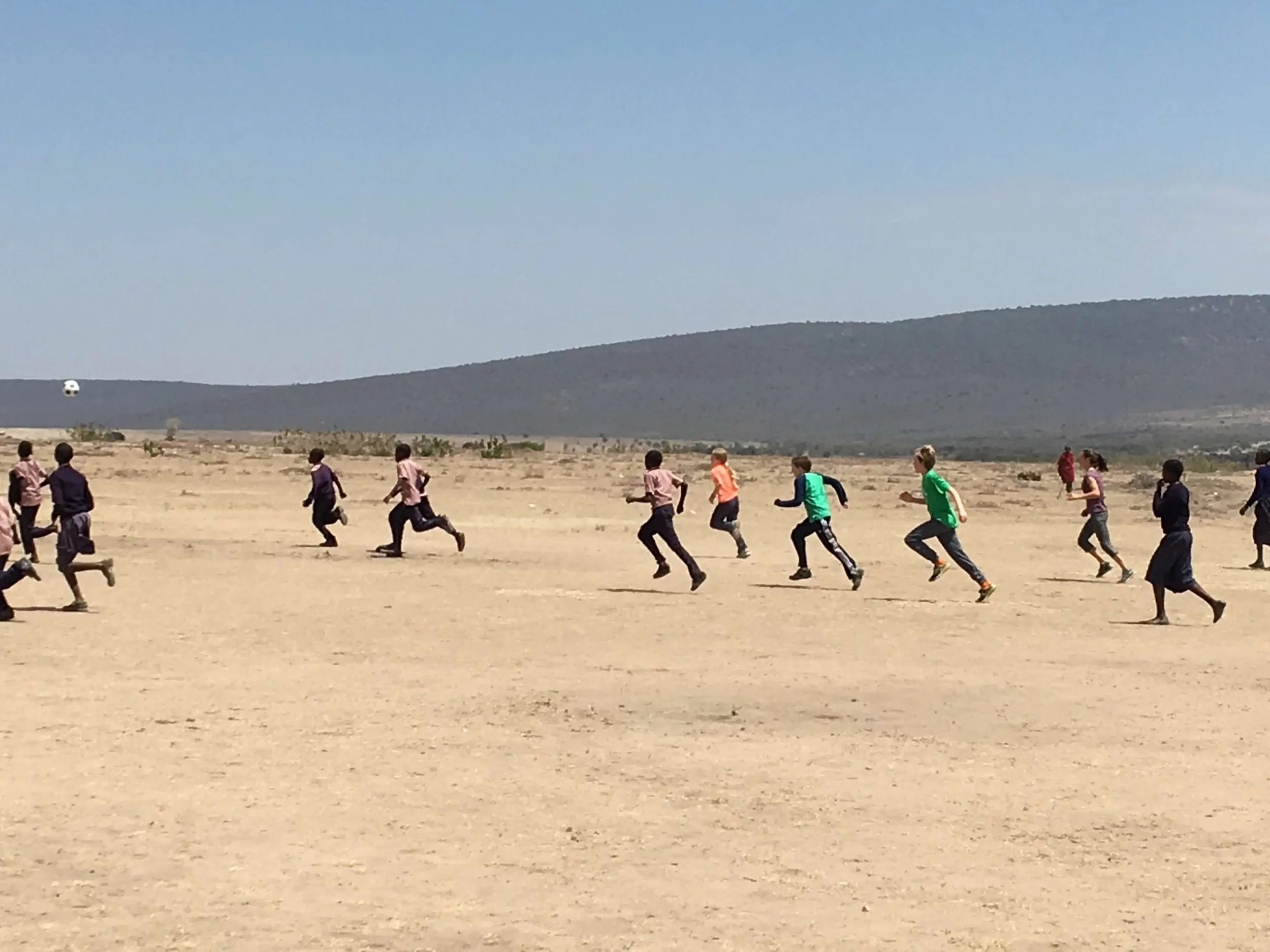
Soccer in the Serengeti - our kids play with their Maasai penpals during their school recess

My son shared a photo of our family and pens with his penpal, Samuria
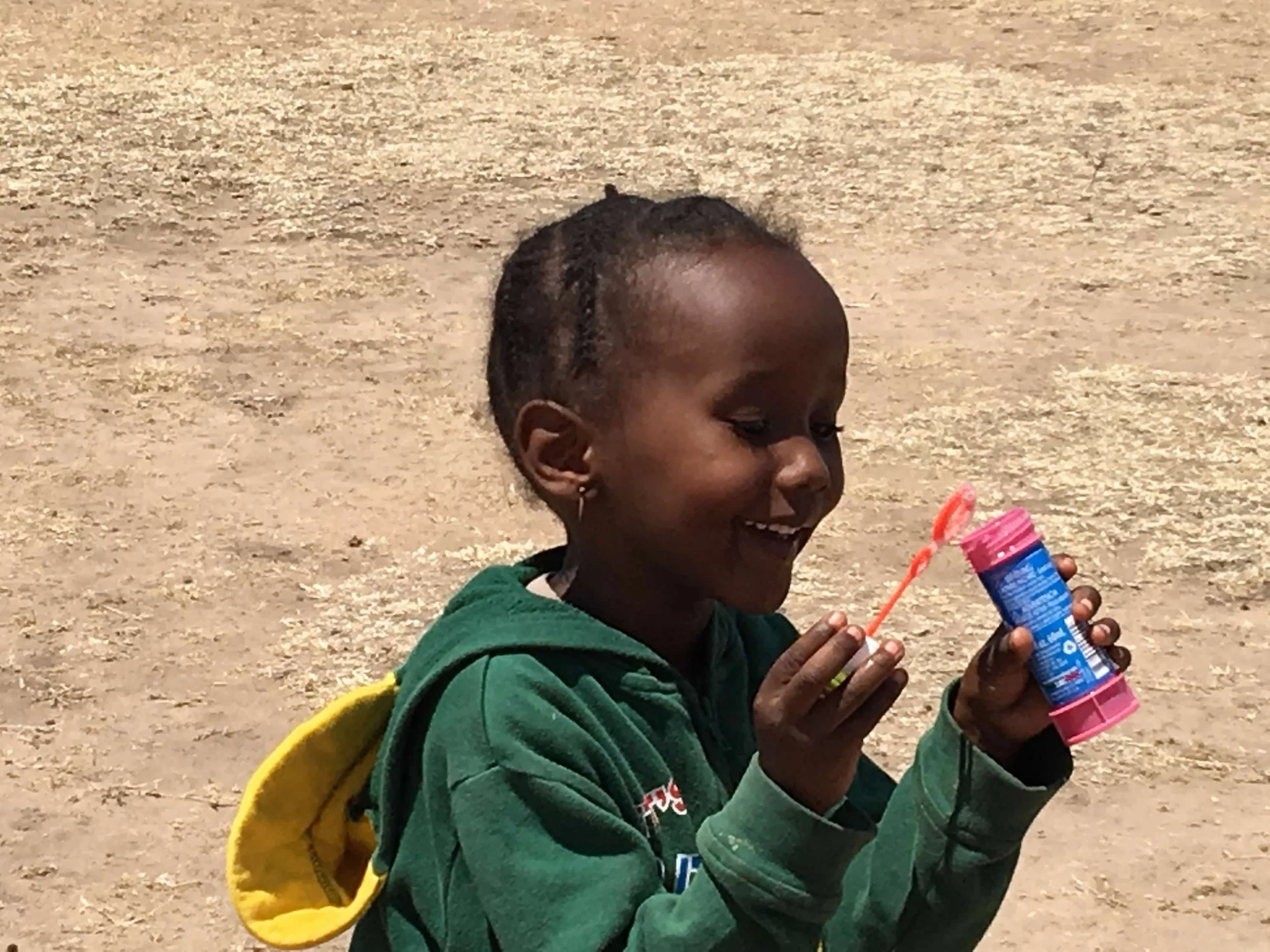
Bubble blowing with the little ones
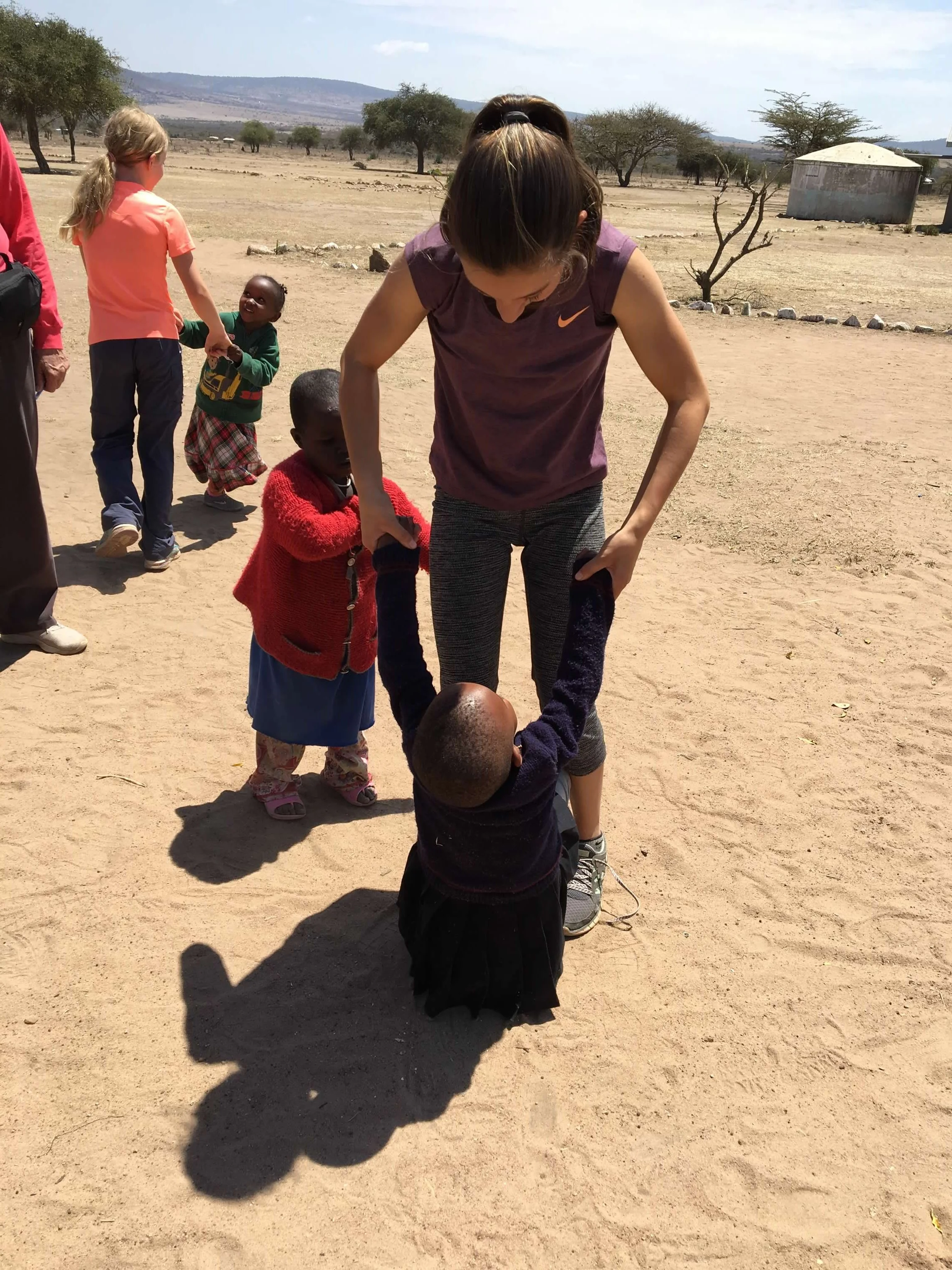
My daughter playing with these adorable little girls
The idea of child marriage became more real when we visited a Maasai village. I remember my visit to a Maasai village in Kenya when I was 12. It was clearly a village marketed to tourists, with women selling beaded jewelry and singing us welcome songs. Our experience with Thomson felt much more authentic, because Thomson chooses different villages for each trip, so no village is visited more than about once a year. We watched the Maasai man, who looked to be in his 70’s, sitting under a tree while his twelve young wives and an uncountable number of children smiled at us and gave us a thumbs-up. Thomson is working to educate Maasai men on the value of education for girls, and the need for only one wife and fewer children since they rely less on large cattle herds than in the past, meaning they do not need large families to support that lifestyle. Mud huts are tiny and primitive, and smell of fire and livestock. Each wife has her own hut, where she cooks over an open wood fire, and where she and her children sleep. The husband rotates where he sleeps each night. The children loved touching our girls’ long, straight hair, and my digital watch. After waving goodbye to the Maasai villagers, we were driven to an airstrip where we boarded a small plane to Arusha. We parted ways with our new safari friends, and stayed overnight in Arusha (Mt. Meru Hotel, fine but nothing special) before boarding a plane to Zanzibar, an island in the Indian Ocean off the coast of Tanzania.
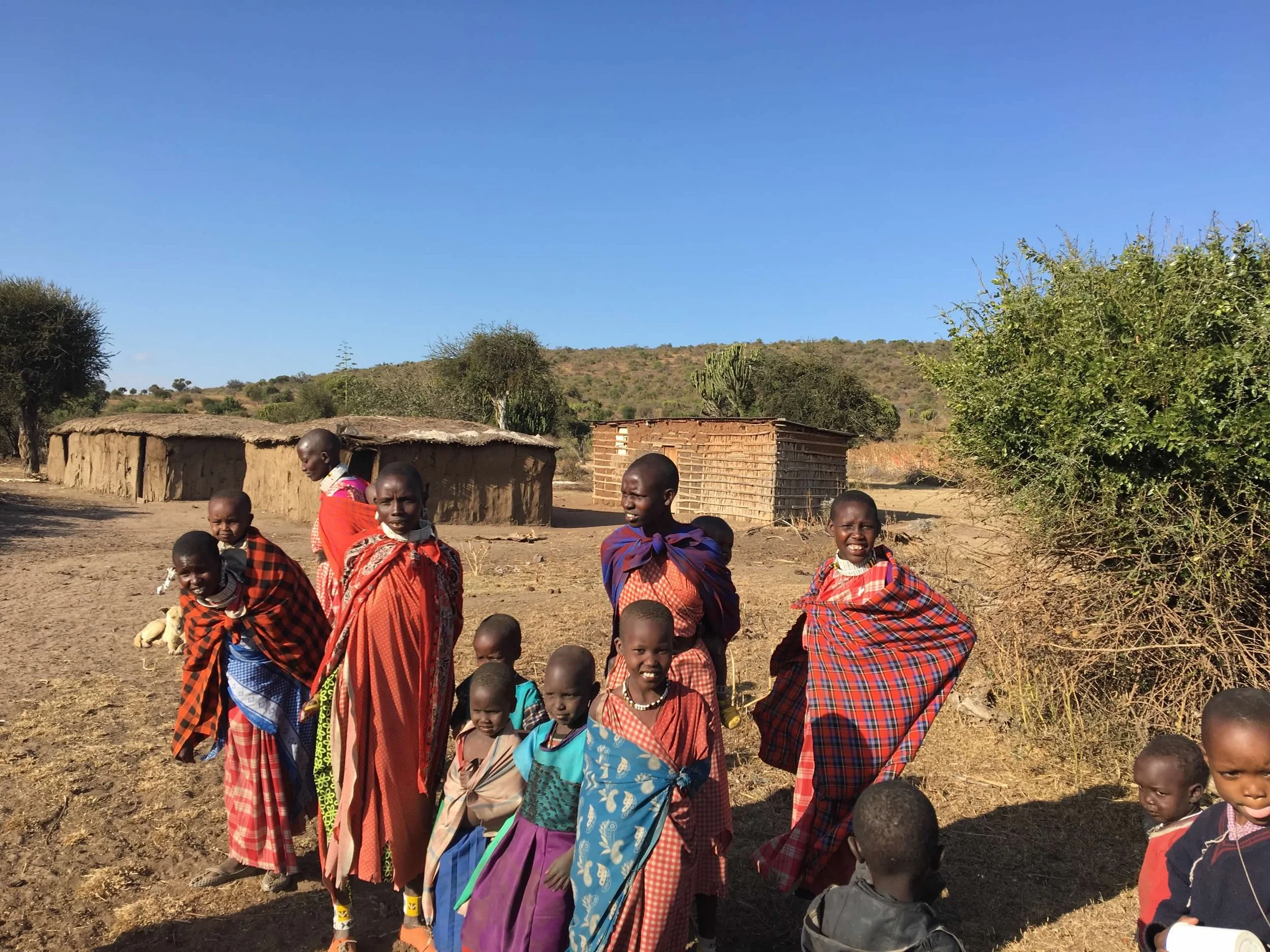
Maasai village in the eastern Serengeti - one old man, twelve young wives, countless children
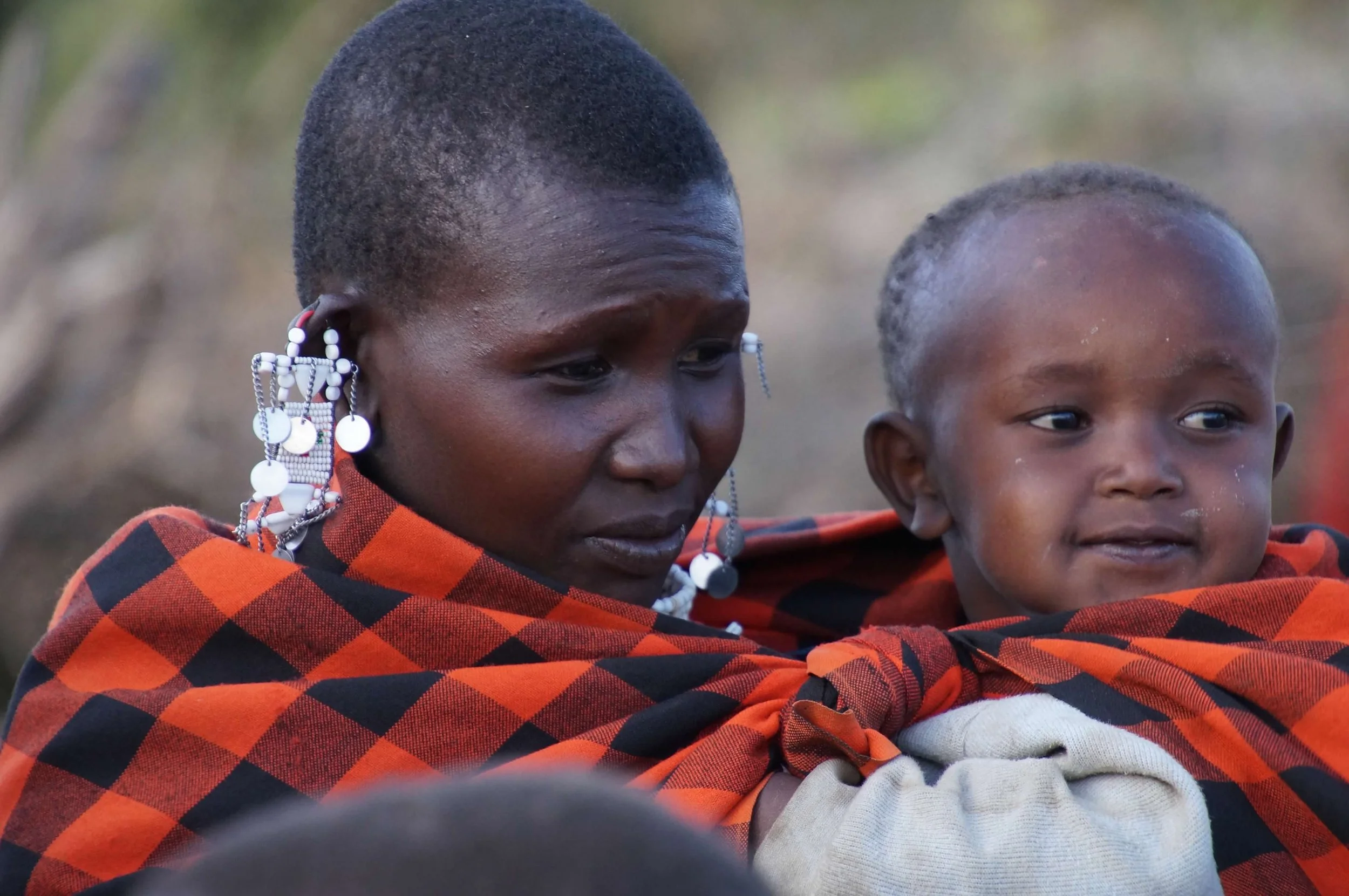
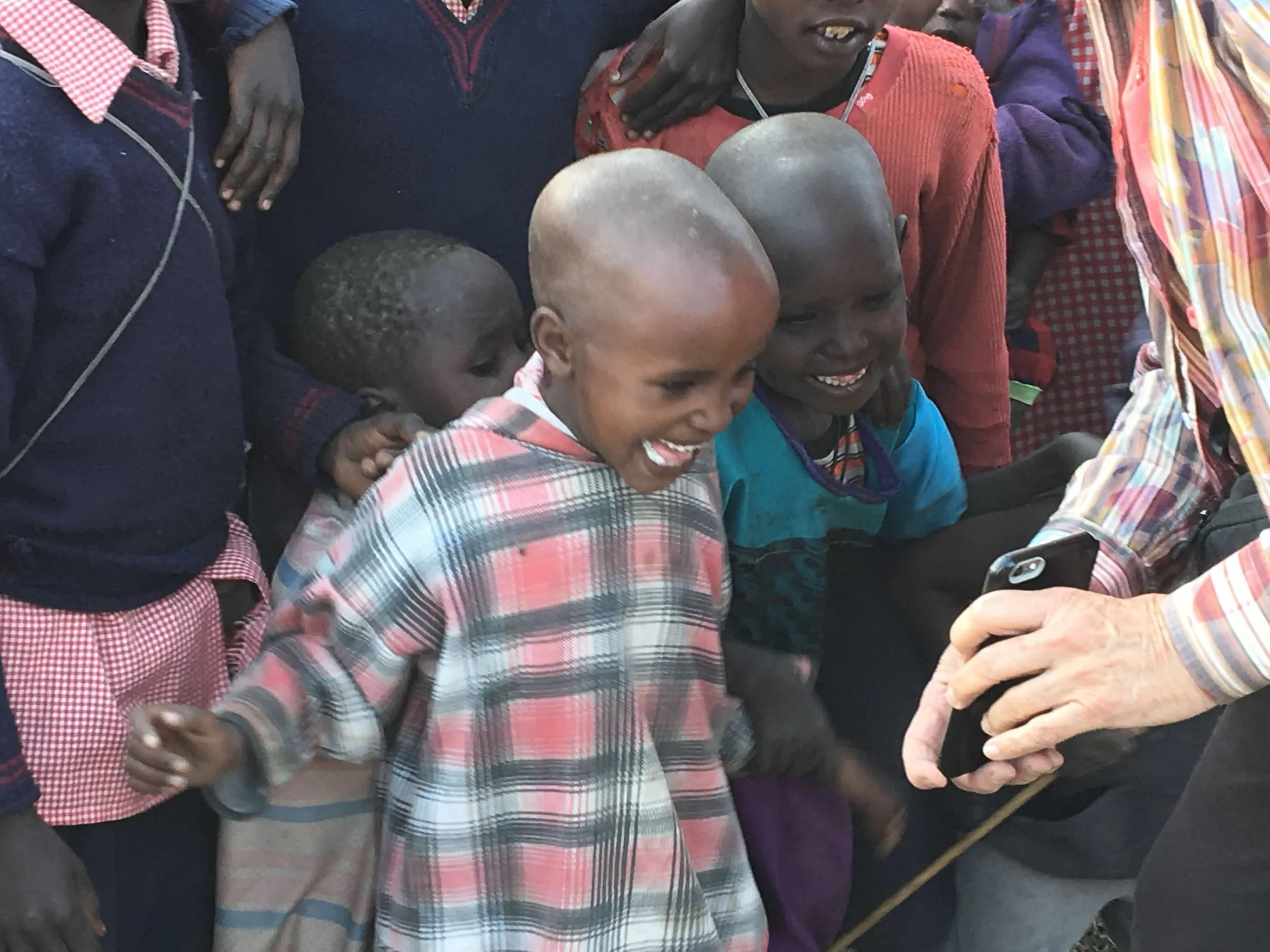
The kids were delighted to see their photos on our cell phones
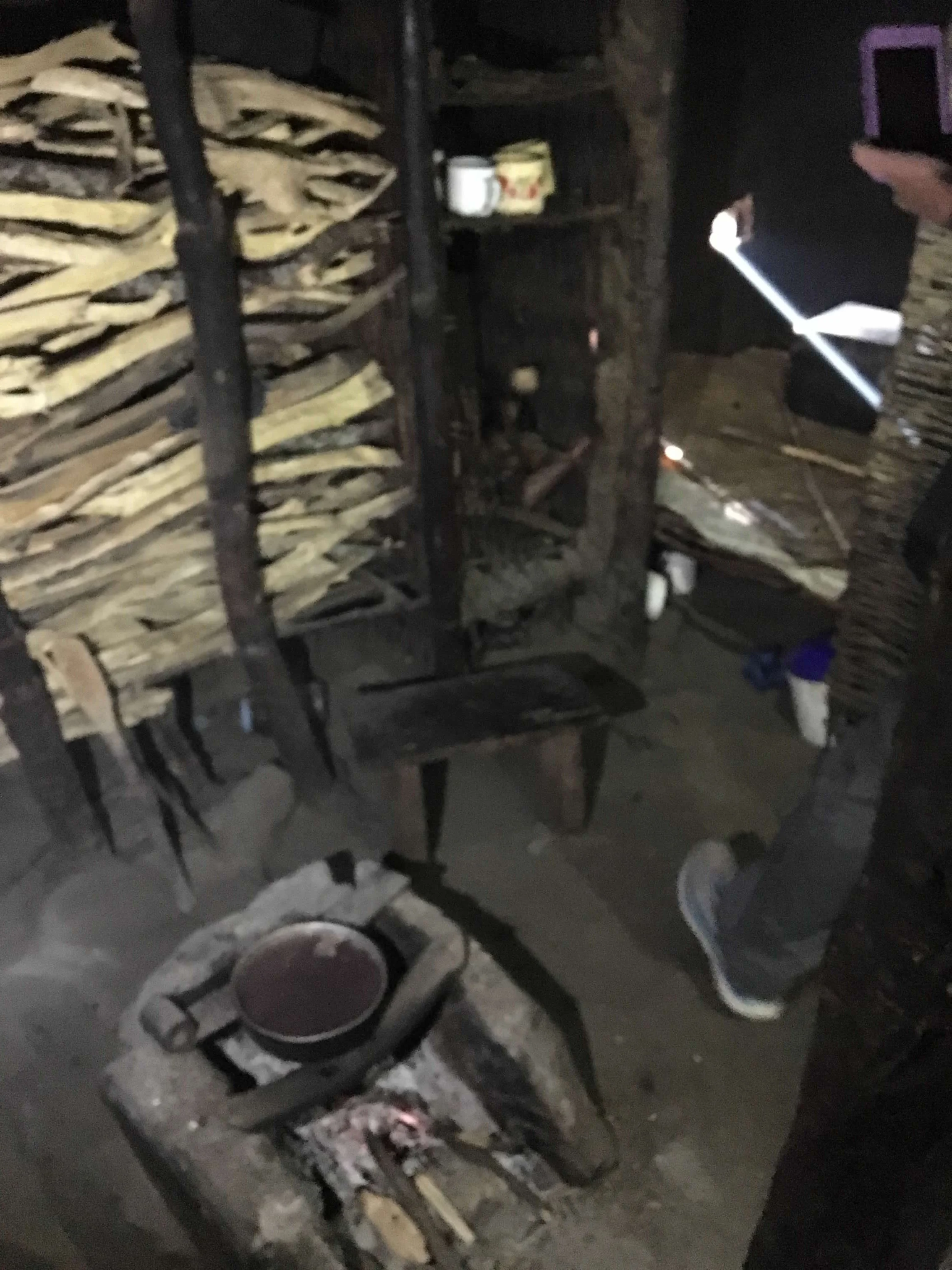
The inside of one of the mud huts where a wife and her children cook and sleep
Zanzibar, once part of Oman’s vast empire but now part of Tanzania, is mostly Muslim. It’s main city, Stone Town, was the hub of the East African slave trade, something we learn little about here in the U.S. because American slaves were West African. East Africans were kidnapped and sold into slavery in the Middle East. Different from American slaves, male slaves headed to the Middle East were castrated so that they could not reproduce. We also learned about the ivory trade, as Zanzibar was the largest exporter of ivory in the world during the height of the market in the 19th century. Guess who the greatest importer of ivory was? The United States. In a nutshell, elephants were killed for their tusks, East Africans were forced into slavery to transport the tusks to the coast and beyond. Americans bought the ivory to make items like piano keys and billiard balls. And guess what Americans used for currency to buy the ivory? Textiles made from cotton produced on American slave plantations, as well as firearms and gunpowder. About 75% of the ivory that reached Zanzibar eventually landed in Connecticut, my home state, where factories produced ivory products. I felt ashamed. Today, Tanzania employs rangers to combat poaching, which is illegal, but the demand for ivory still exists in Southeast Asia and drives a lucrative black market. As for slaves, they, of course, also still exist, with the highest concentrations in countries such as India, China, Pakistan, and Russia. According to a 2022 United Nations report, an estimated one-quarter of the 28 million victims of forced labor are enslaved for sex. An additional estimated 22 million victims are in forced marriages, for a total of approximately 50 enslaved people worldwide.
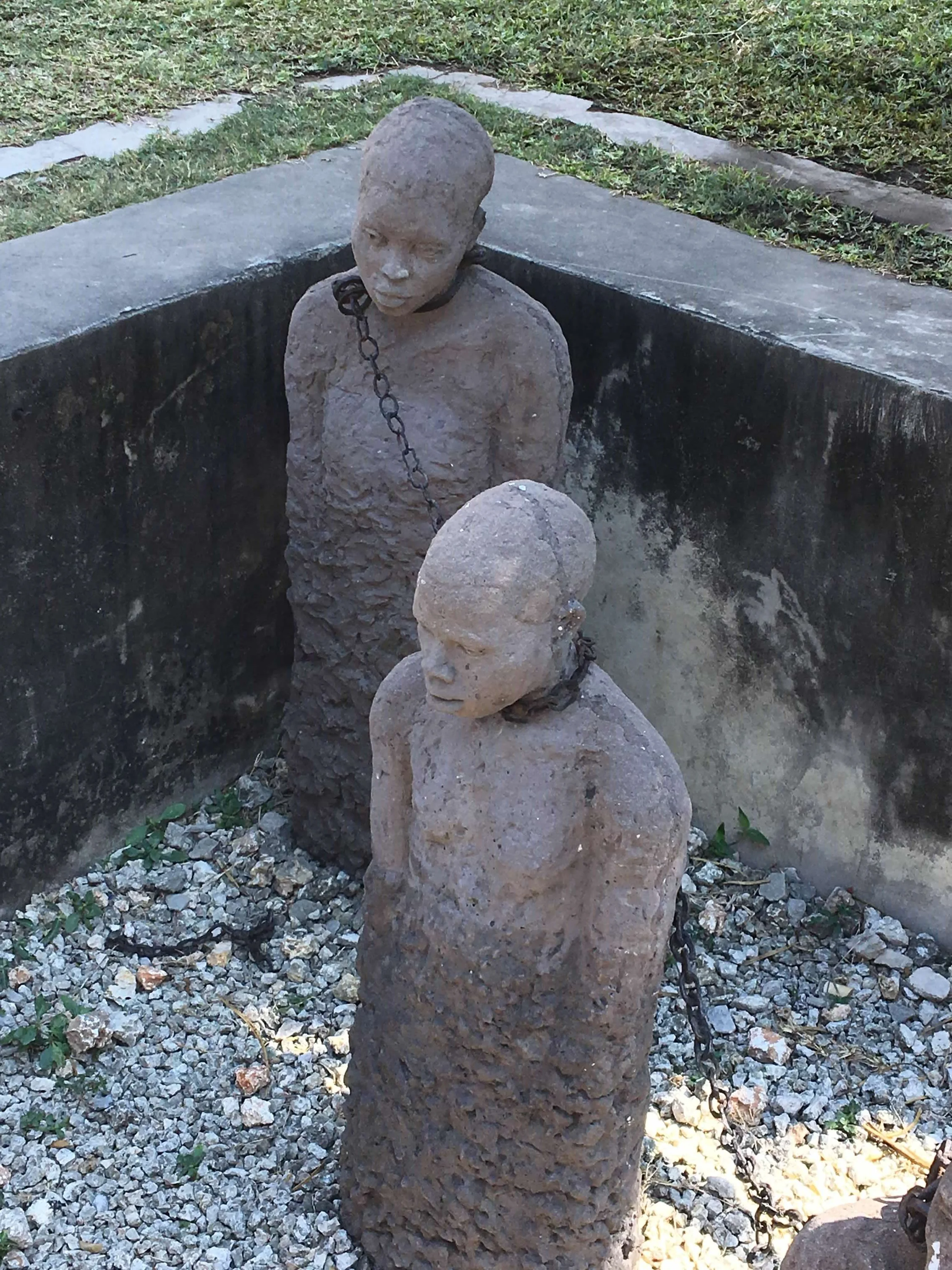
Slave Market Memorial in Stone Town, Zanzibar
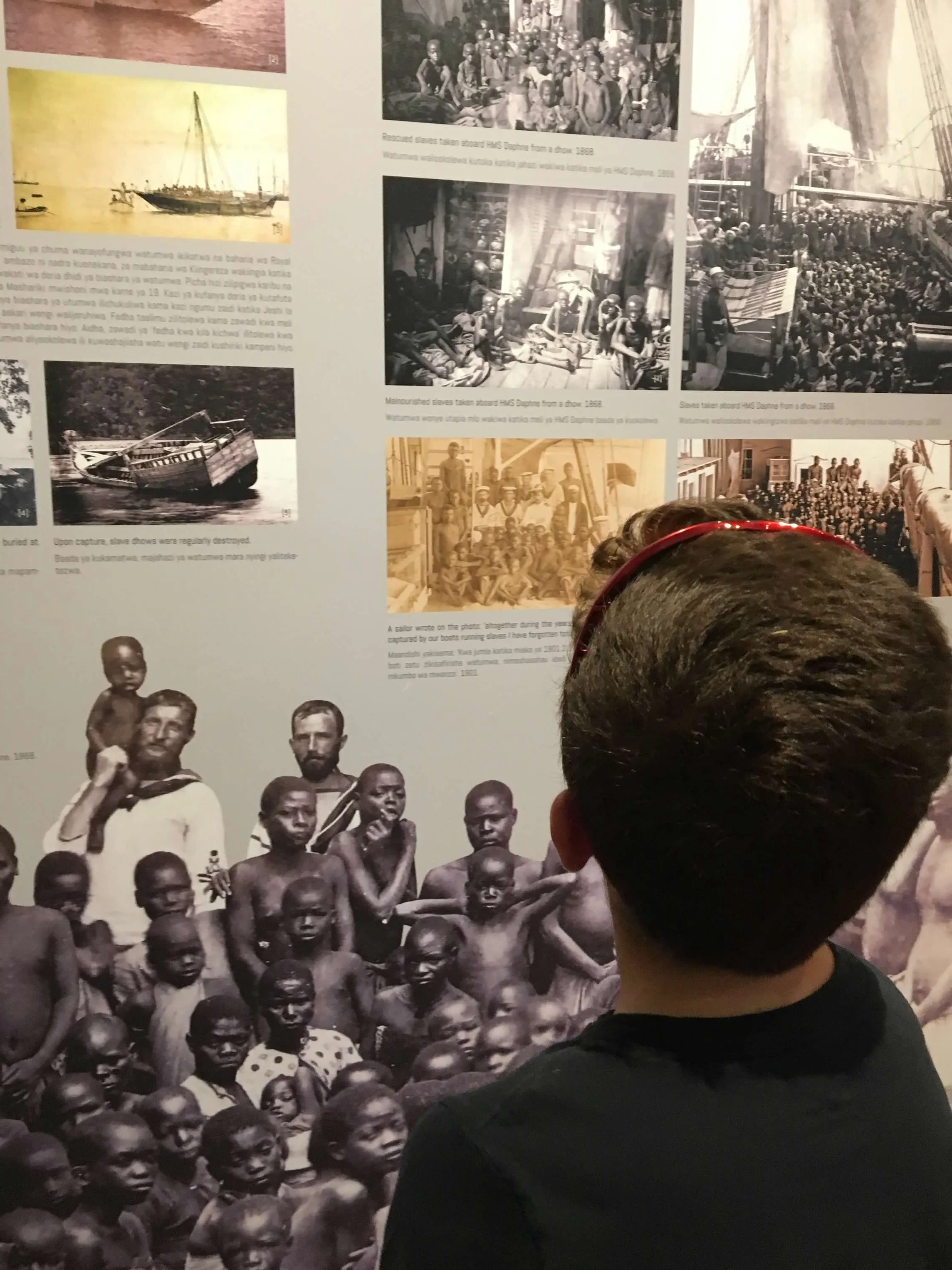
East African Slave Trade Exhibit in Stone Town, Zanzibar
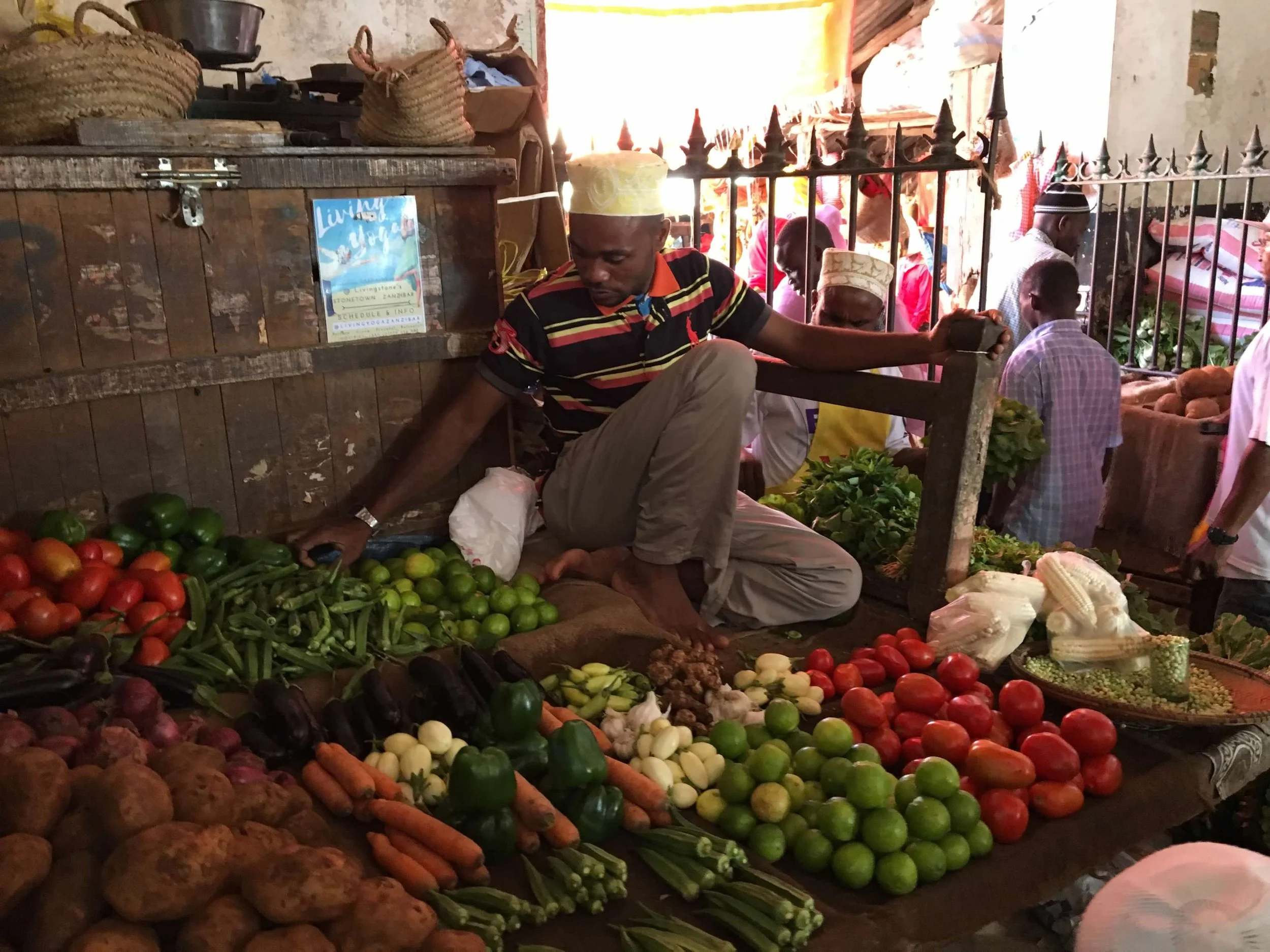
In addition to the heavier, more educational portion of our time in Zanzibar, we visited the spice market. Nicknamed “the Spice Island”, Zanzibar produces cinnamon, cloves, nutmeg, black pepper, and more. We also indulged in relaxation at our hotel, Baraza Resort & Spa. The food was delicious, and the beach was beautiful. We walked through shallow ocean water to the reef to see the crashing waves, which was fun, but honestly, pretty stressful given that we had to avoid stepping on the numerous sea urchins hanging out on the ocean floor. (Water shoes are not enough to avoid injury.) Our two-bedroom suite reminded us of Oman, which we had visited, and loved, in March of that year. Lounging by the beautiful pool, we reflected on our month in sub-Saharan Africa - on all that we saw and learned and experienced, and for me, on all of the new African destinations I planned to add to my bucket list!
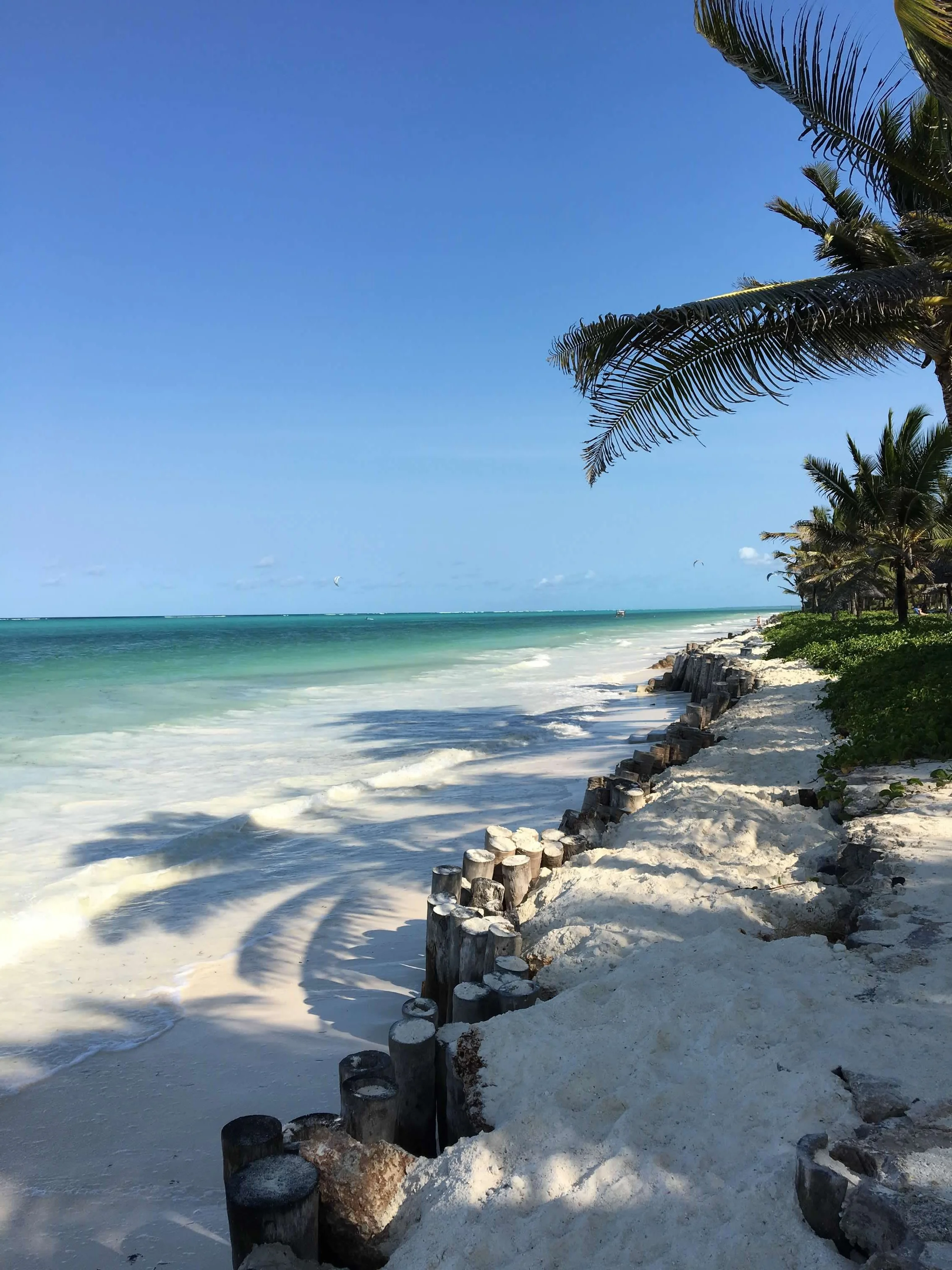
The beach at Baraza Resort & Spa on the island of Zanzibar
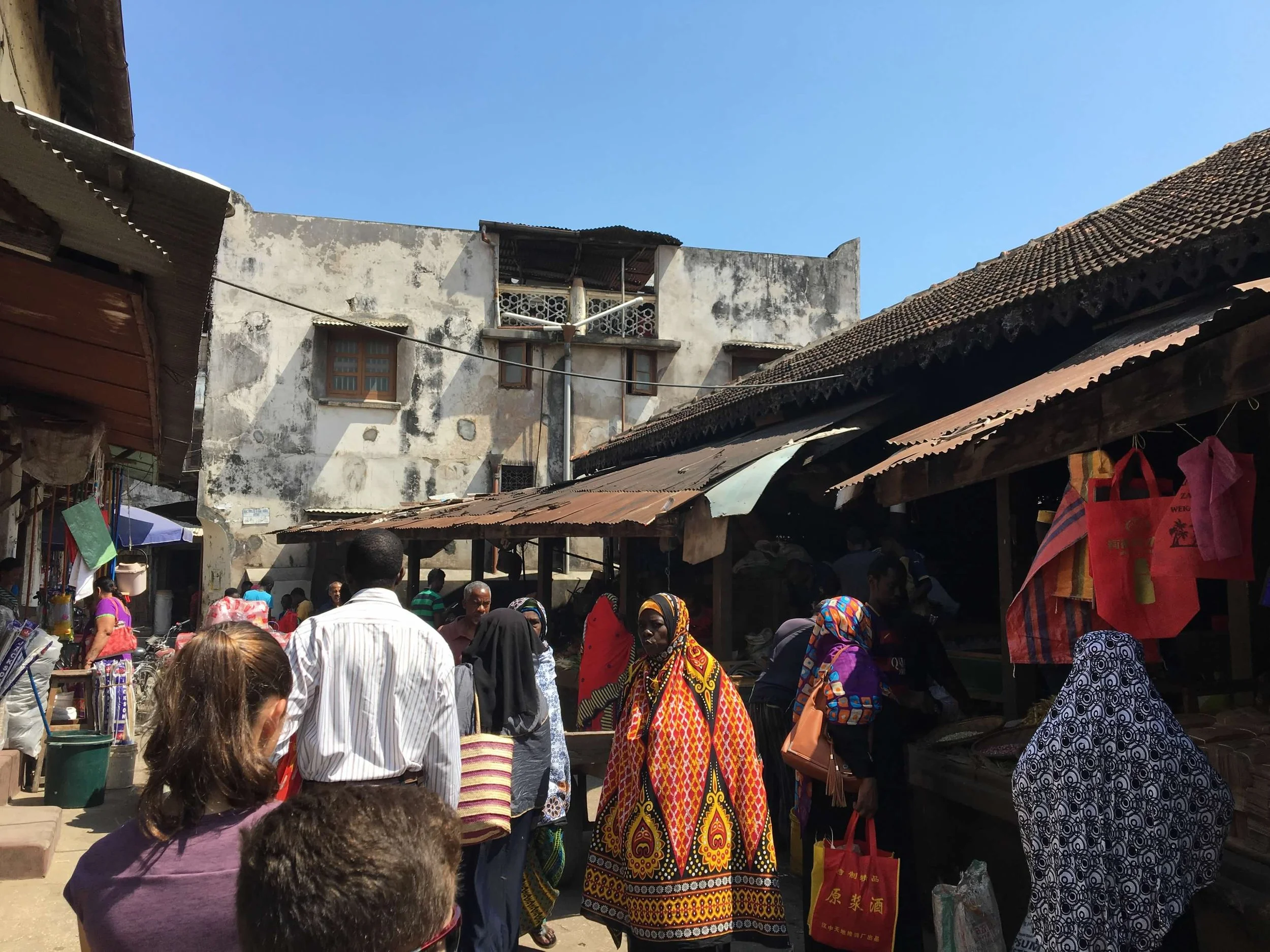
Stone Town’s market has many products beyond spices for sale
Logistics
Planning, food & water safety: booking a safari in Africa should be done at least a year in advance, especially if you have children and have needs like family suites, or being on safari with other children their age. For Tanzania, we used Thomson Safaris. I would recommend Thomson, as our safari was well-organized and our guides were very good. Accommodations were comfortable, the food was good, camp staff were friendly and kind, and the vehicles were standard safari vehicles - at every stop, you will see dozens exactly like it, even if it’s a higher-end company or a more budget-friendly tour operator. We did not love the first hotel, the Mt. Meru Game Lodge, but we had just come from Botswana where the lodges were much more comfortable and better appointed. We also all got sick with GI symptoms, and since we were eating and drinking only what Thomson provided at their camps in the days prior to our illness, clearly the food or water provided by Thomson was the culprit. While Thomson says it filters all of the water and uses clean water to prepare meals, there are additional measures you can take to protect yourself.
These days, I travel with a water bottle that filters my drinking water. There are lots of options on the market, but I like the Grayl bottle we have. I also put a Lifestraw device in everyone’s stocking for Christmas recently - it is a literal straw you can put into any liquid and drink through it, after it filters the contents. I also travel with Travelan, a supplement you can take before each meal to reduce the chances of food-borne illness becoming a bigger problem, as well as Diarrescue, a product you can take at the first sign of diarrhea to shorten the duration of symptoms. Of course, talk to your physician or travel clinic before taking these products.
Immunizations, medications, and insect repellants: First, see the previous paragraph on what I now use to help prevent and treat food and water-borne illness. I also asked my doctor for a prescription for Cipro or Azithromycin, filled it, and brought the medication with me in case it was needed. I traveled with insect repellant that has 99% DEET and one with 30% DEET, as well as DEET wipes, and we pretreated our clothing with Permethrin before we left the U.S. None of this repelled the tsetse flies, and we used the Thomson-provided fly swatters to try to keep them away. We visited a travel clinic many months before departure for all recommended vaccines, and got prescriptions for anti-malarial medication. And bring your usual over-the-counter medications, first aid supplies, and any prescription medications you need.
Clothing: In addition to wearing light-colored clothing and dressing in layers, we brought four Buff Insect Shields - almost like a scarf you can wear around your neck, or up over your face for warmth or to keep away insects. We found these to be essential. Your shoes will get dirty, so keep that in mind. Bring something comfortable to change into for after safari and to wear to dinner. Virtually all safari camps and lodges offer laundry service.
Other items to pack: Ask Thomson what you can bring to donate to the school. We brought notebooks, pencils, etc. We always bring bubbles with us when we travel, as they are a kid magnet and an icebreaker. Sunglasses and hats. Sunscreen. U.S. dollars for tipping - ask Thomson how much to bring. We packed in carry-on-sized, soft-sided duffel bags, although we packed the lightest of anyone we met. Bring whatever else you’d normally bring on an adventurous trip like this - external battery and chargers for devices, adaptors, etc. Your safari vehicle will have binoculars, but I always bring a small pair, as well. Safaris involve a lot of time sitting in the van. Bring headphones or something to do, snacks, and take advantage of breaks to stretch your legs.
Visas: Check for current rules on travel visas for Tanzania. As of this writing, travelers have two options. A visa on arrival is possible, but may require a long wait. Prepared travelers will have already secured their visas online in advance.
Zanzibar: Although Thomson offers a Zanzibar add-on option, I saved money planning it myself. I used TripAdvisor to read reviews, and ultimately booked the Baraza Resort & Spa, which we liked a lot. I booked our internal flights on Fast Jet. I asked our hotel to book our transfers from/to the airport, and transportation into Stone Town. Everything went smoothly. I liked Zanzibar, learned a lot, and it was a nice way to end our trip. However, if it’s not in your budget I do not think it’s a must-see. Your dollars are better spent on safari, which is unique and more impactful in my opinion.
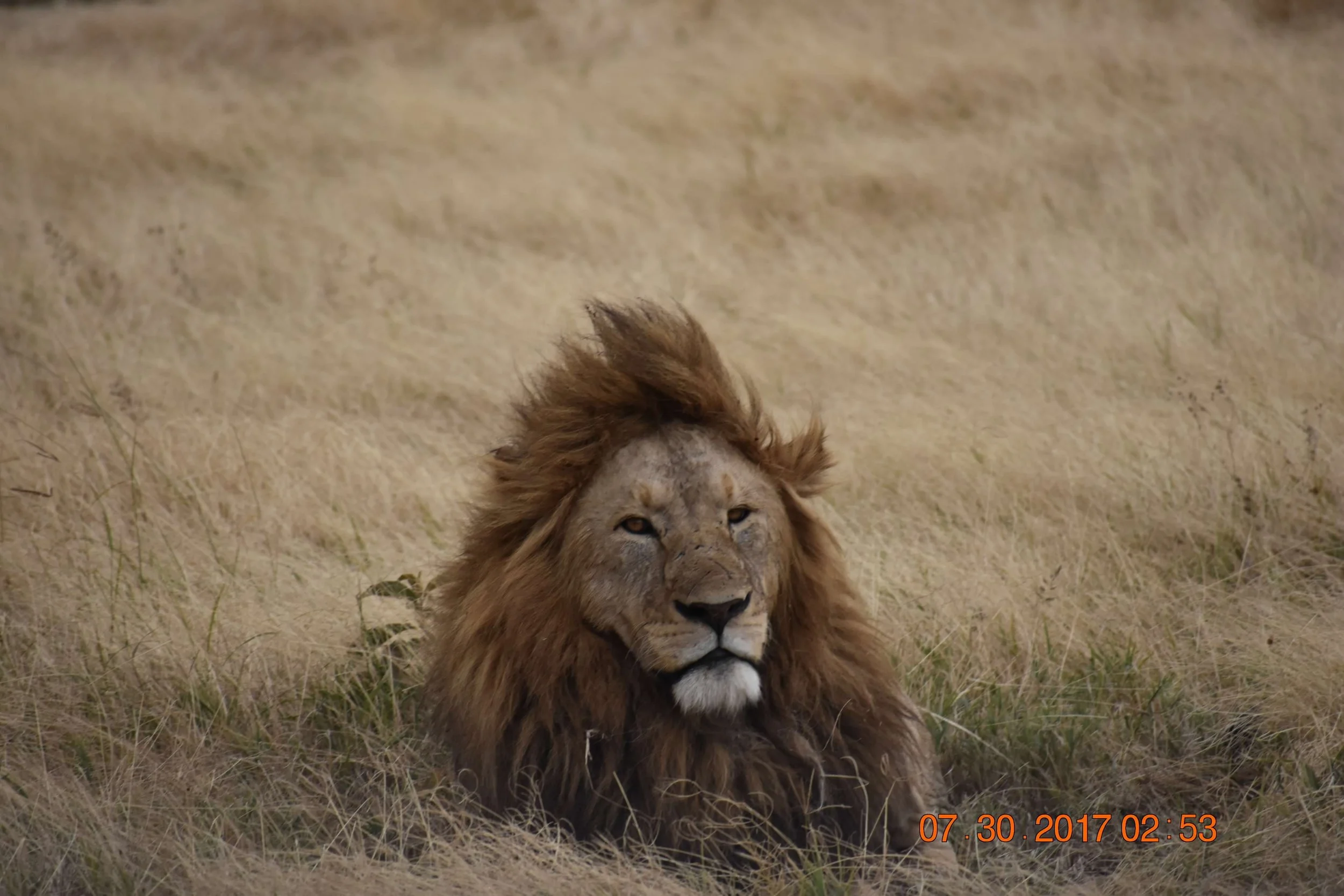
A lion’s mane blowing in a Serengeti breeze, photo by Zoe Sessine
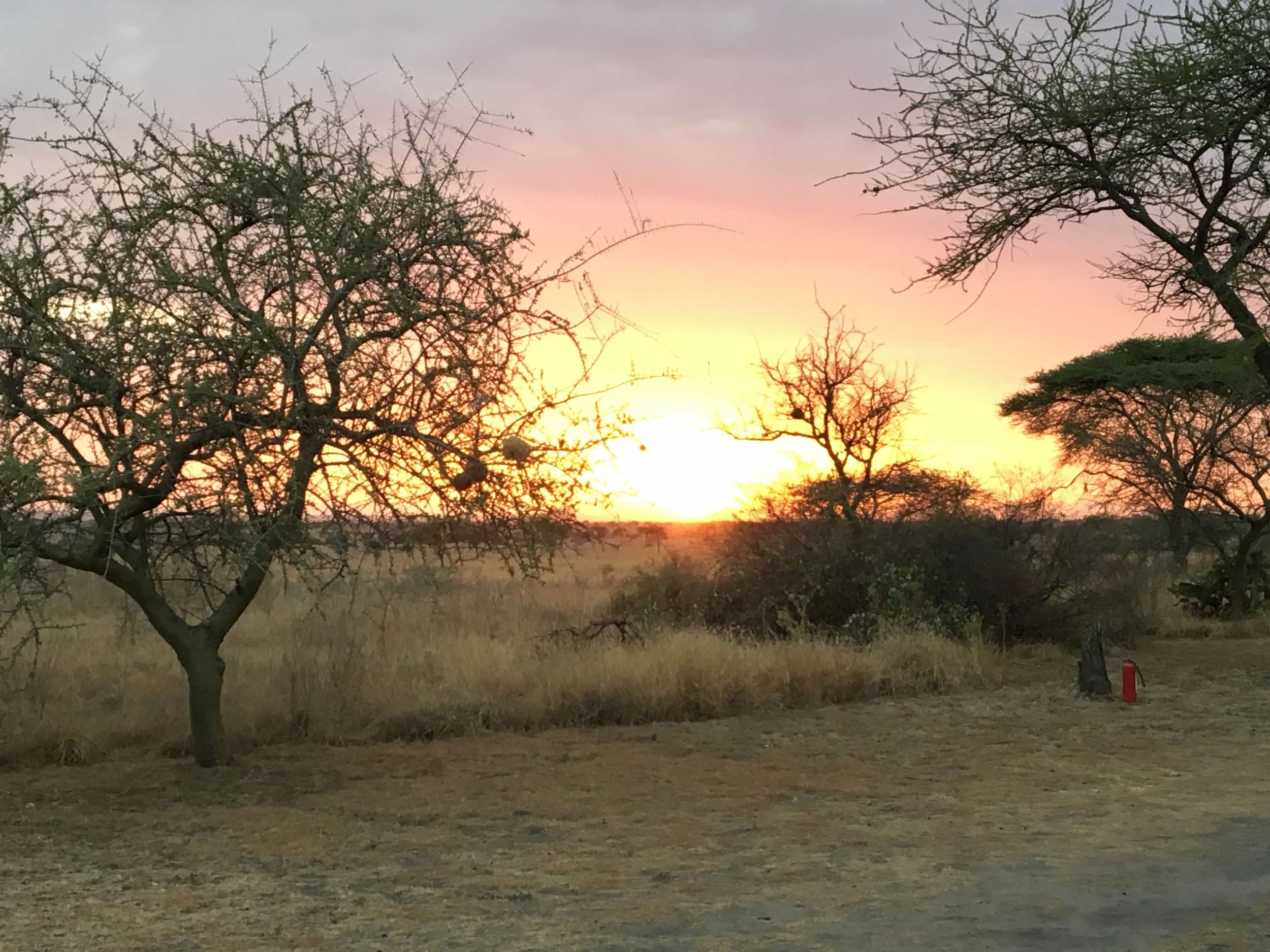
Sunset over the Serengeti
Quisque iaculis facilisis lacinia. Mauris euismod pellentesque tellus sit amet mollis.