

South Africa
Written by Jennifer Milano, traveled July 2017

Cape Town, South Africa
South Africa is a unique, fascinating country full of contrasts. The coast, beaches, and countryside are beautiful. Cities have modern, upscale areas and also the poorest neighborhoods I have seen anywhere in the world. South Africa’s relatively recent history of apartheid has resulted in a society marked by profound racism. In just our four days in Cape Town, I felt uncomfortable, listening to our white guide start most sentences with “I’m not racist, but…” and our coloured guide (yes, I am told that this term, representing the portion of South Africa’s population that is a blend of indigenous peoples, Malays who were brought to the area as slaves, and European colonists, is the politically correct one) who drove us through black townships but advised us not to get out of the vehicle because “it is Saturday and everyone here is intoxicated.” South Africa’s population is still divided among three classes of people, if not in law then in practice.
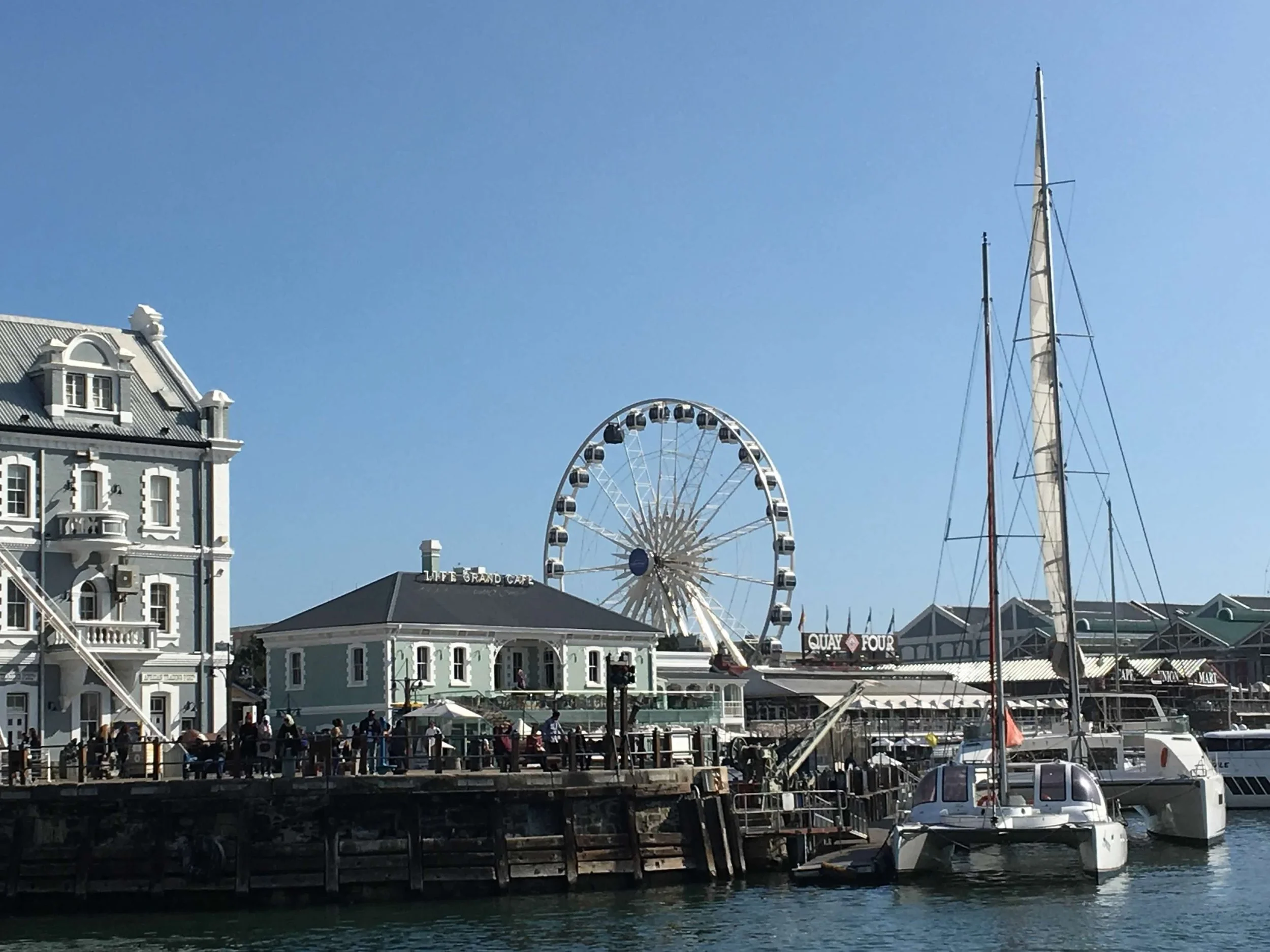
Cape Town’s upscale harborfront
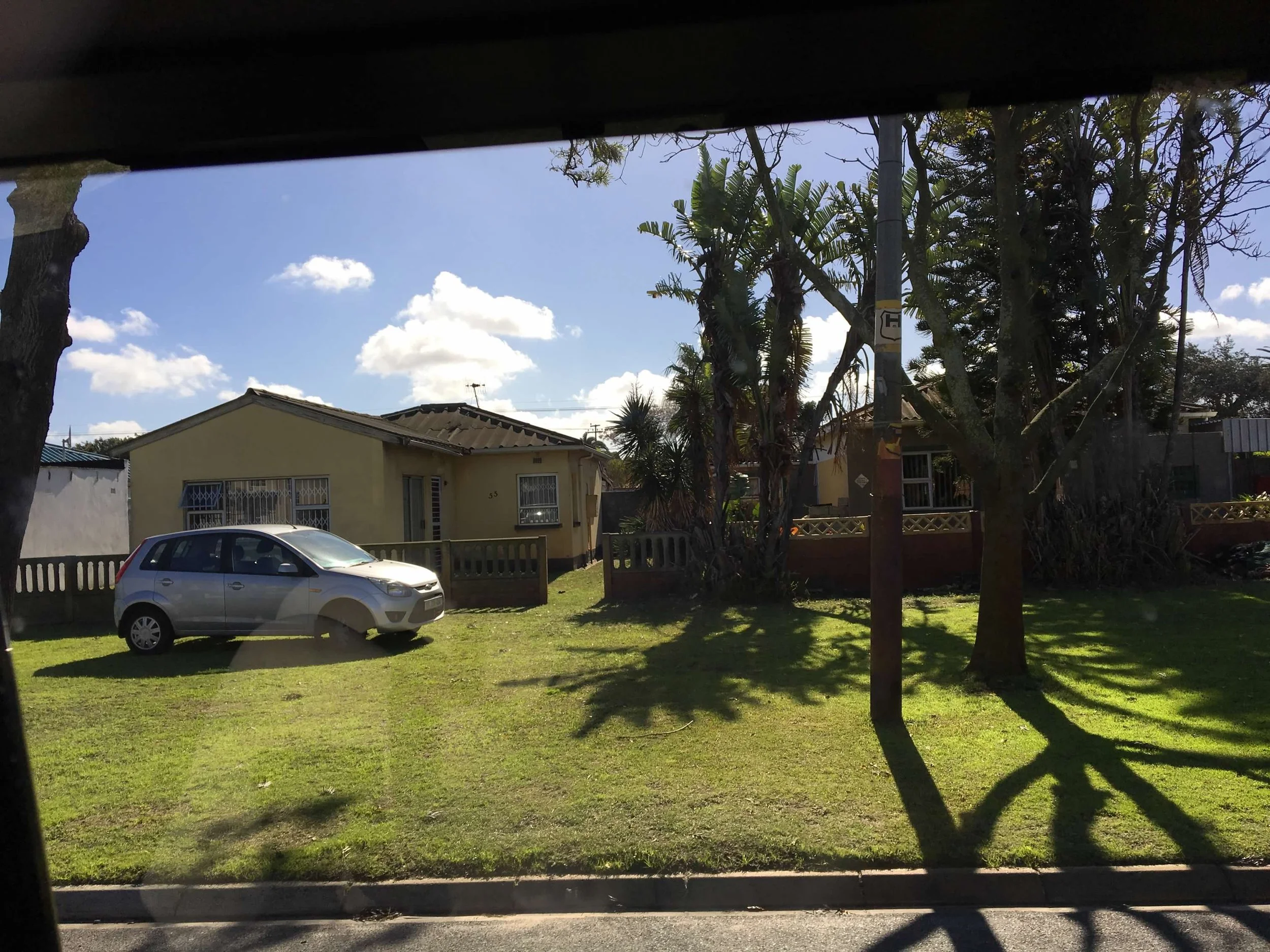
A “coloured” neighborhood, people of mixed race who were considered to be “class 2” of 3 by South Africa’s government
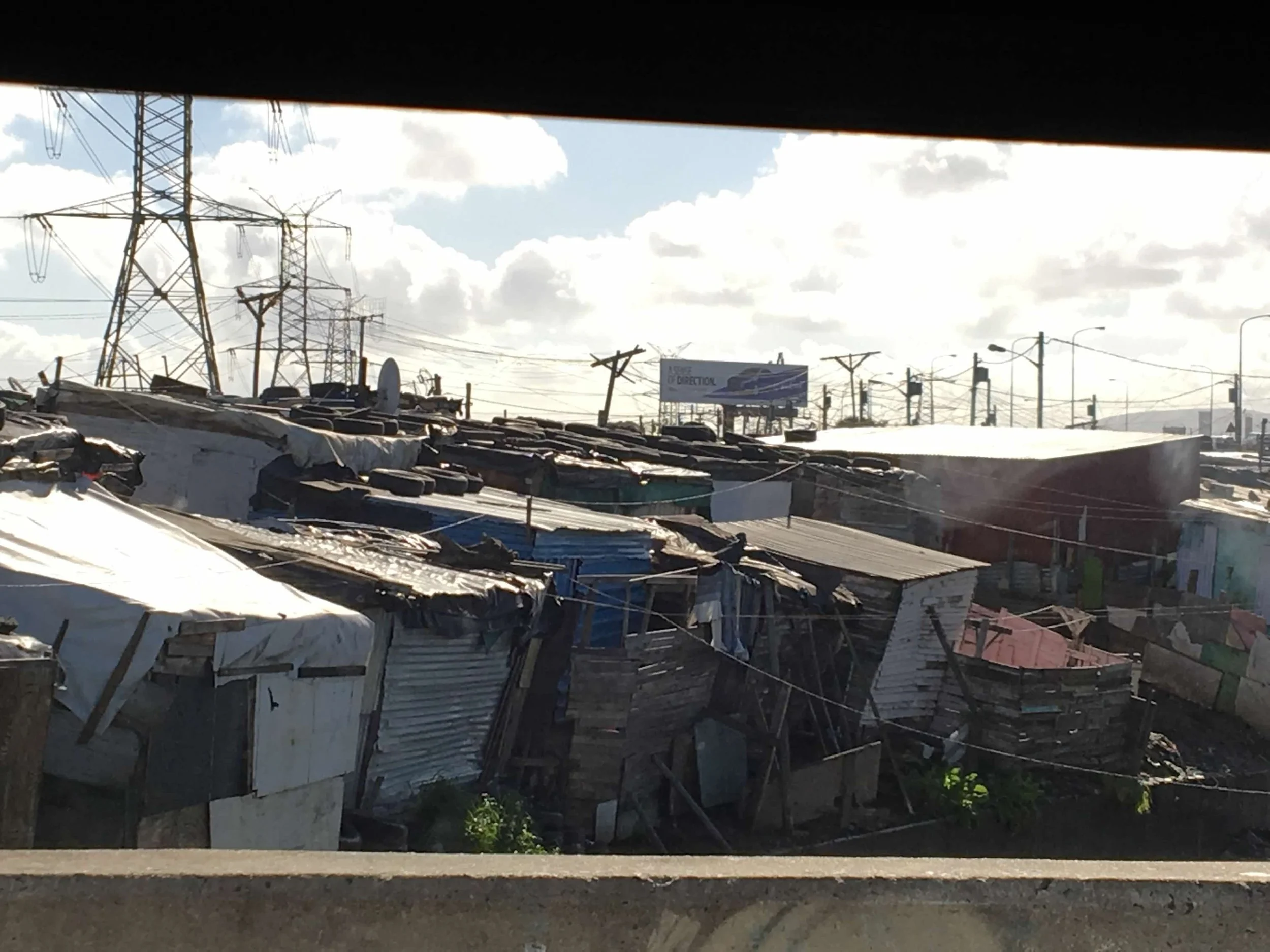
People’s homes in a Cape Town black township
I think that any western traveler to South Africa has to wrestle with the discomfort and guilt of staying in a nice hotel in a safe area, and enjoying the country while knowing that its government cannot or will not provide equal opportunities, or even basic necessities like housing, for its people. And by people, I mean black people, who in large numbers live in cardboard boxes or tin shacks in black-only townships. We met travelers who had done 5-star safaris in South Africa’s malaria-free national parks and relaxed at luxurious vineyards. My family and I stayed at a five-star hotel in Cape Town. Travelers are important to South Africa’s struggling economy, and indirectly provide jobs to thousands of people (including Zimbabweans who suffer a 90% unemployment rate in their own country). But travelers should be aware that there is tension in the air in South Africa, and they must be ready to confront their discomfort. My family and I felt uneasy at two of our safari camps in Botswana, where the camp managers were white South Africans and all of the workers were black. (We were relieved to see that one of our safari lodges in Botswana was managed by a black Zimbabwean.)
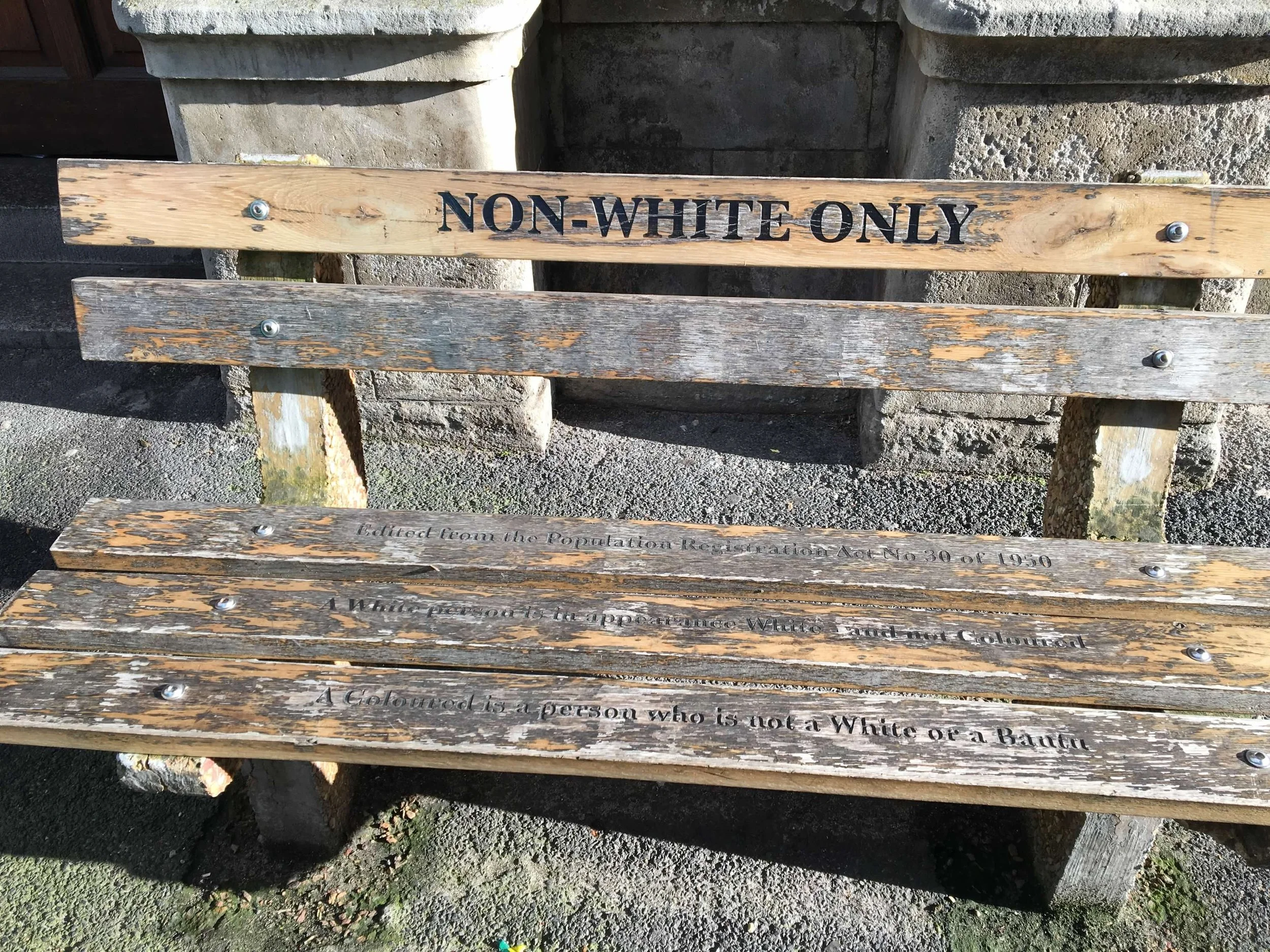
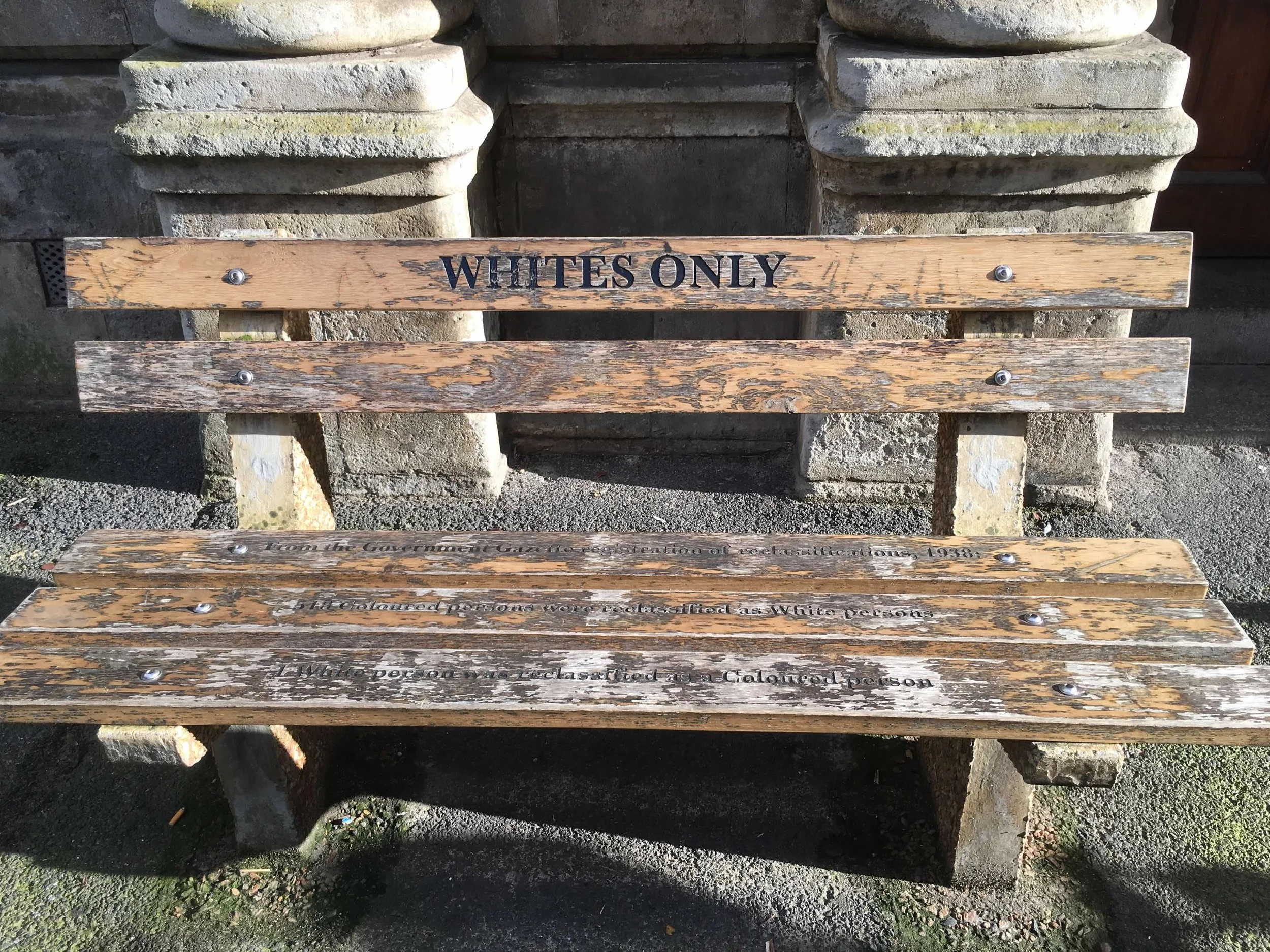
Despite, or because of, the inner conflict I felt being in South Africa, I am glad we went because I like to see how other people live, and learning about the struggles and successes of others helps my children and me learn and grow as humans. Visiting Robben Island, where Nelson Mandela was imprisoned, was fascinating because our guide was a former prisoner. He offered first-hand accounts of prison life, detailing how the anti-apartheid movement was conducted from prison. We drove to the Cape of Good Hope, which, as a geography buff, I found thrilling. We visited a community project in a black township and bought ceramics from a local artist, learned about the drug addiction problems plaguing the coloured neighborhoods, and stood atop Cape Town’s famed Table Mountain. And we saw the benches preserved from apartheid labeled “whites only” and “nonwhites only.” South Africa’s history, and its impact on society today, is challenging but important to confront.
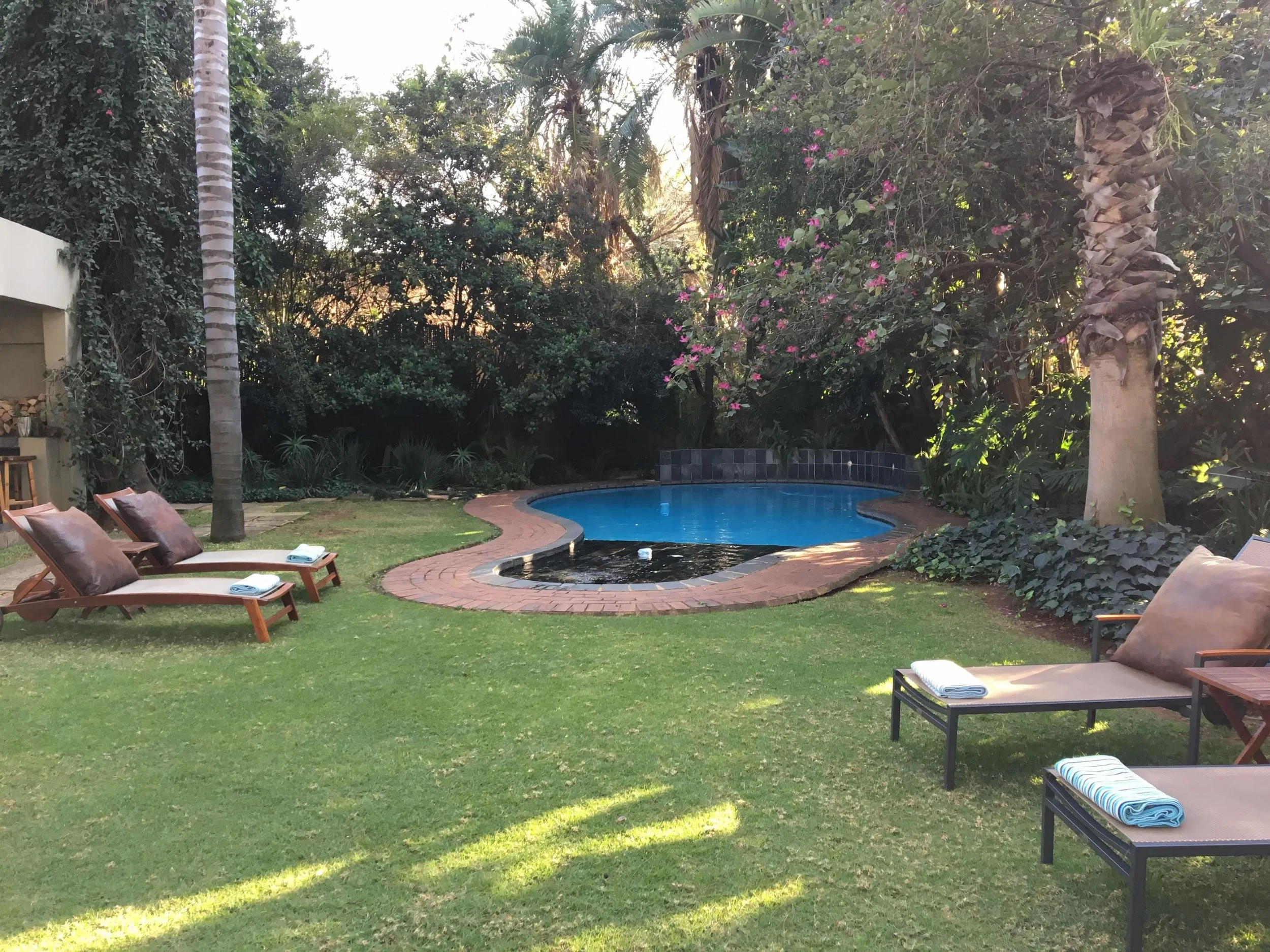
African Rock Hotel in Johannesburg, South Africa
Where to stay and how to get around
We spent only one night in Johannesburg, at the relaxing African Rock Hotel, for a rest in between our transatlantic flight and our flight to Botswana. In Cape Town, we stayed at The Cape Royale, chosen by our travel planner, which had its pros and cons. The staff was extremely friendly and helpful, and the location was central. We would have preferred a waterfront location, and the room was impersonal and felt cheaply-appointed considering the hotel’s five-star rating. The hotel’s food was not good. I would recommend looking for a hotel by the harbor. While I used a travel planner, Julian Harrison of Premier Tours, to organize our time in South Africa and Botswana, he made several rookie mistakes.
Our travel planner booked transfers and guides/private vehicles for our excursions. Otherwise, we used taxis booked by the hotel. My recommendation is to book a good hotel with a savvy concierge who can handle your transport and guide bookings, or search TripAdvisor for recommended guides.
Where to eat in Cape Town
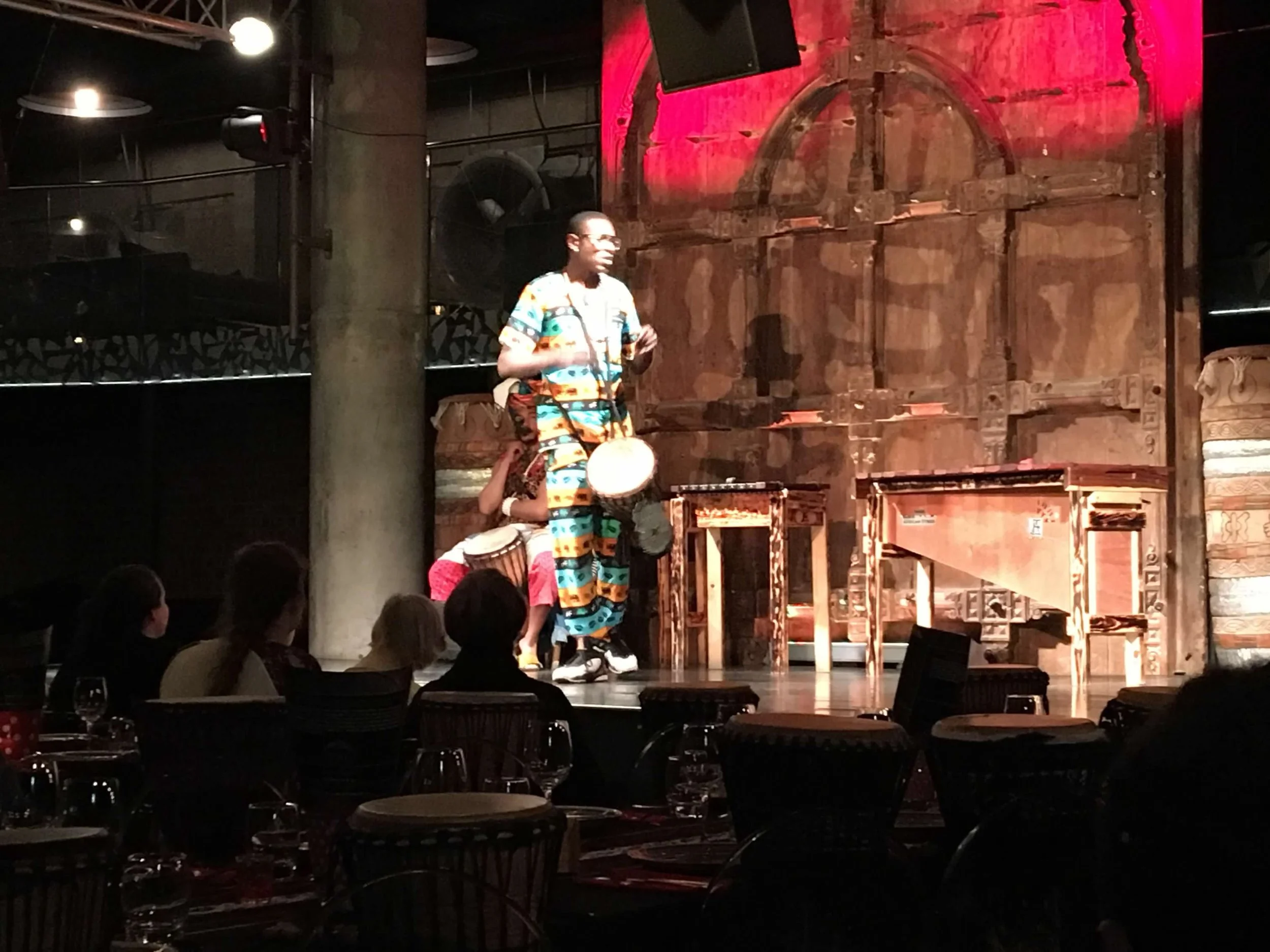
Drummer performing at Gold restaurant in Cape Town
Cape Town Fish Market - located across from the ferry to Robben Island, this restaurant serves a fabulous fish lunch.
Heirloom Restaurant at the Cape Grace Hotel - we had an incredible dinner at this beautiful hotel. The hotel’s driver even took us back to our hotel after dinner.
Gold - this restaurant was fun, but massive and felt very touristy. Dinner is a pan-African experience, and the food is good. The drum show was too touristy for our taste. My daughter ran to the bathroom to escape the ritual of pulling diners up out of their seats to dance with the performers. I didn’t blame her. It’s just not our thing.
The Potluck Club - we really liked our dinner at The Potluck Club, which serves small, Asian-inspired plates.
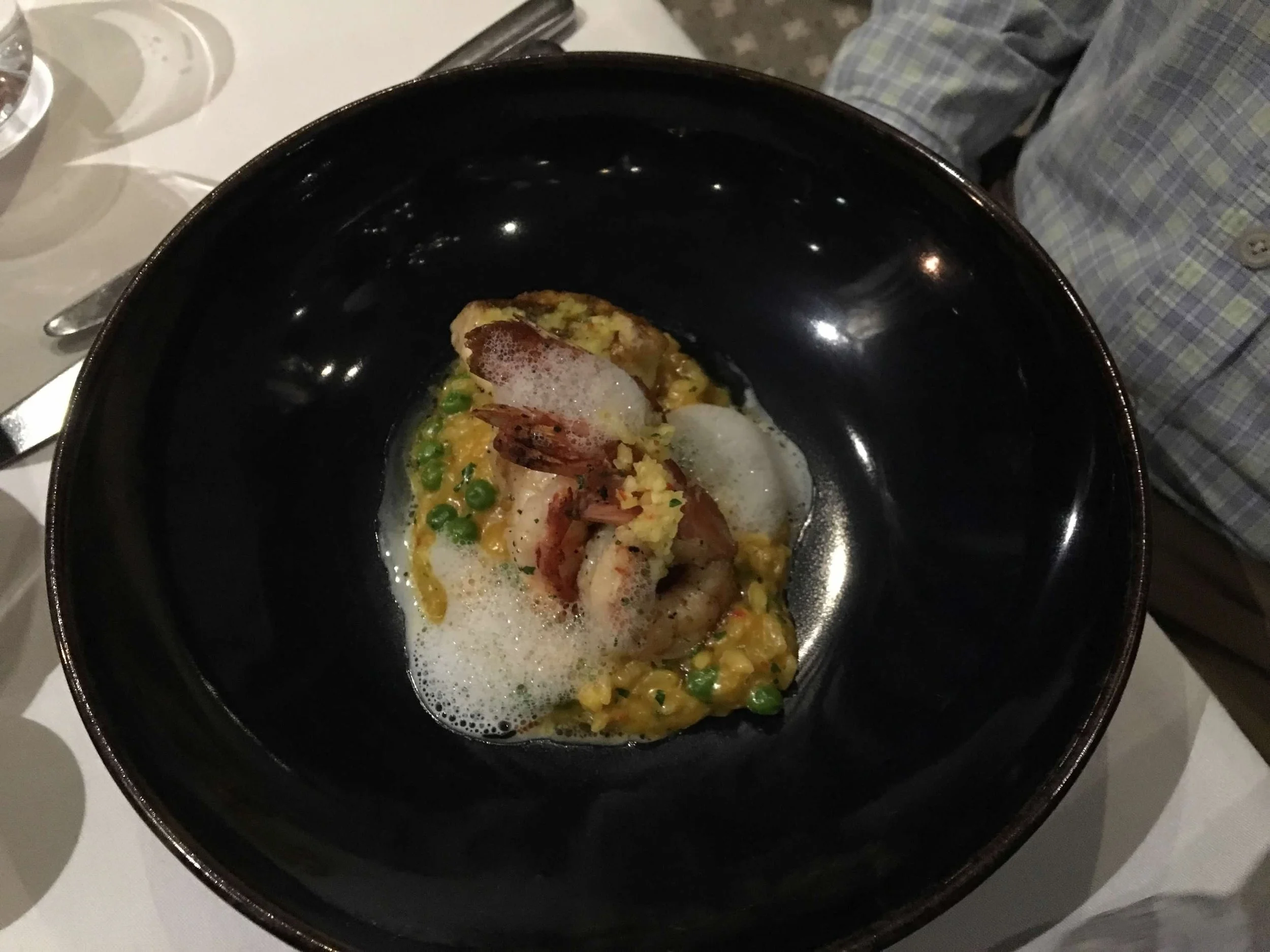
Heirloom at the Cape Grace Hotel was divine
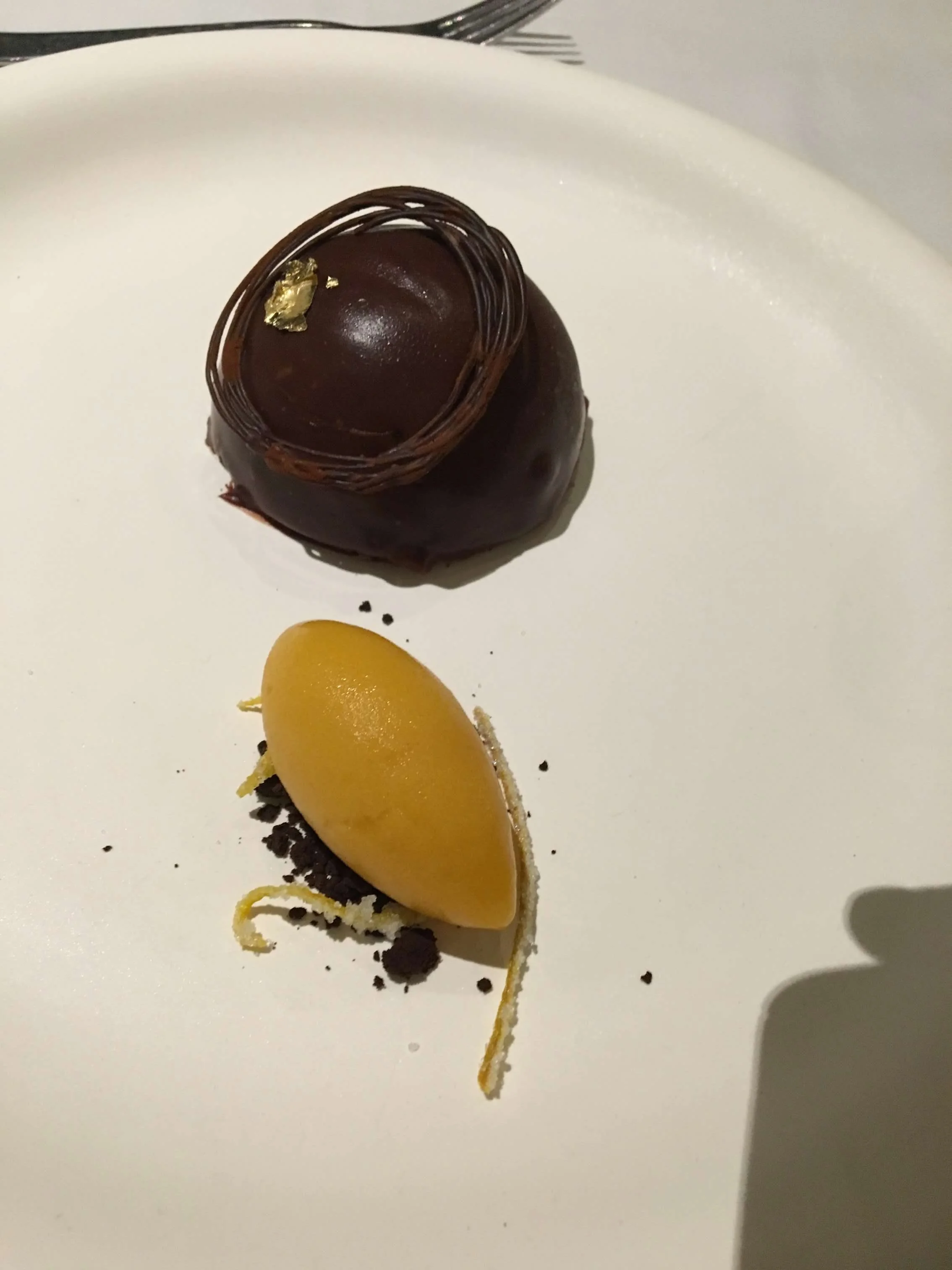
Gorgeous dessert at Heirloom at the Cape Grace Hotel
What to do in Cape Town
Robben Island - book your tickets in advance and take the ferry over to Robben Island, where you will have a guided tour of the former prison that housed Nelson Mandela and other anti-apartheid heroes. Go soon, while former prisoners still serve as tour guides and can give you first-hand accounts.
Wander around Cape Town’s gorgeous harbor. Explore the shops. Sit in an outdoor cafè and people-watch while enjoying a milkshake!
Boulders Beach - this small beach has hundreds of adorable penguins that you can watch up close while they nest, swim, and waddle around.
Explore the coastline of Cape Town, with its massive waves crashing into the shore below and its views of Lion’s Head above.
Take the Table Mountain cable car for beautiful views and a walk around. If you decide to hike up instead, do your homework and be vigilant to stay safe.
Check out Bo-Kaap with its brightly-painted homes and cobblestone streets.
Visit a community project in a township. We had asked our travel planner to give us a day or two of volunteering, but he said he could not arrange that. Instead, he organized a tour of three community projects in townships. Unfortunately, he made (another) rookie planning mistake, and organized our tour for a Saturday, when two of the three community projects were closed. We did get to visit a community center in a township, and tour a community project that supports local artists. We also saw a monument to children killed during a 1976 protest against discrimination in education.
Take a drive to the Cape of Good Hope, the southwesternmost point on the continent of Africa, passing gorgeous beaches on the way. Hike up to the Cape Point Lighthouse, but be mindful of the baboons along the way!

Table Mountain from Cape Town’s harbor
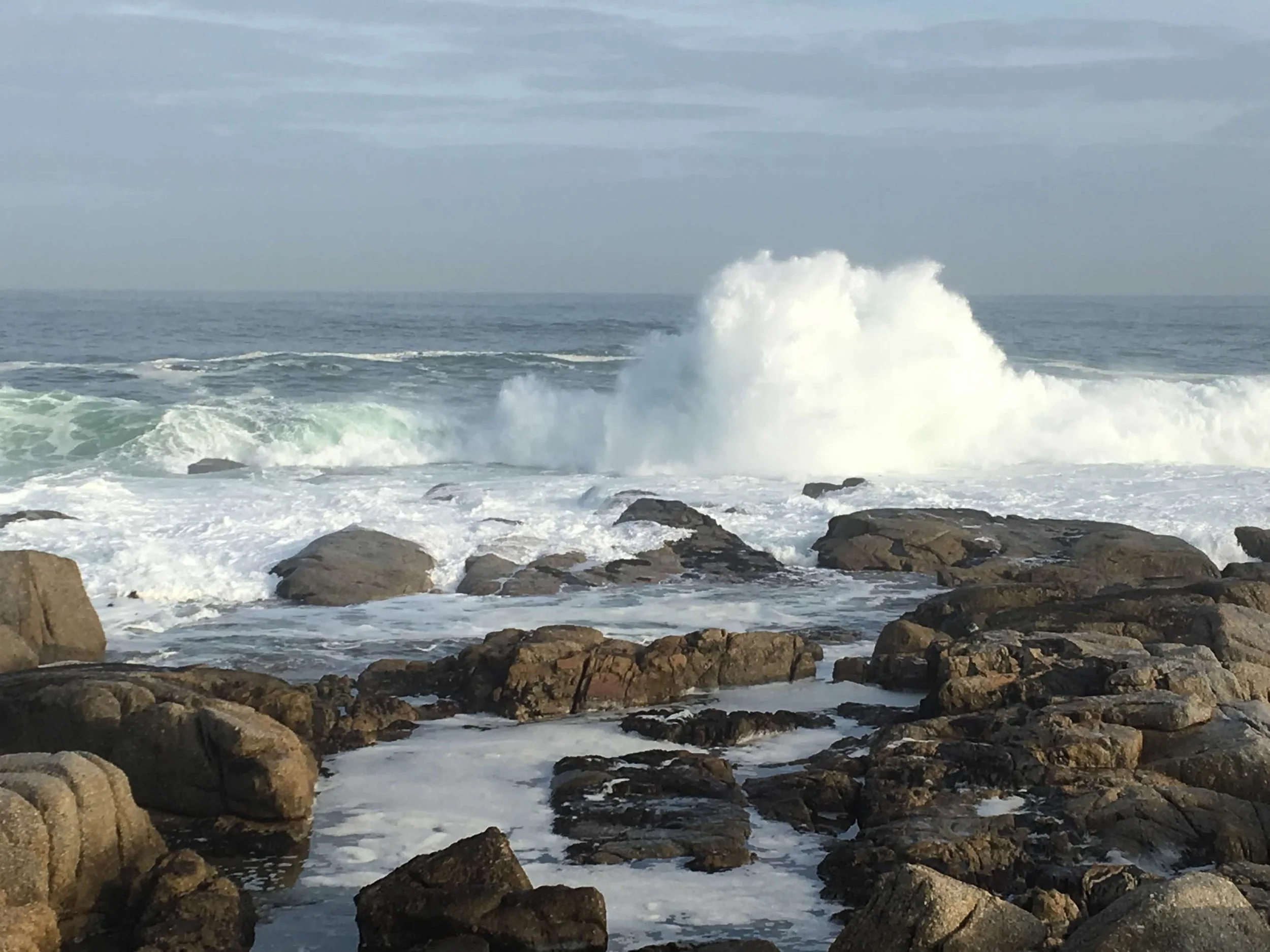
Cape Town’s coastline
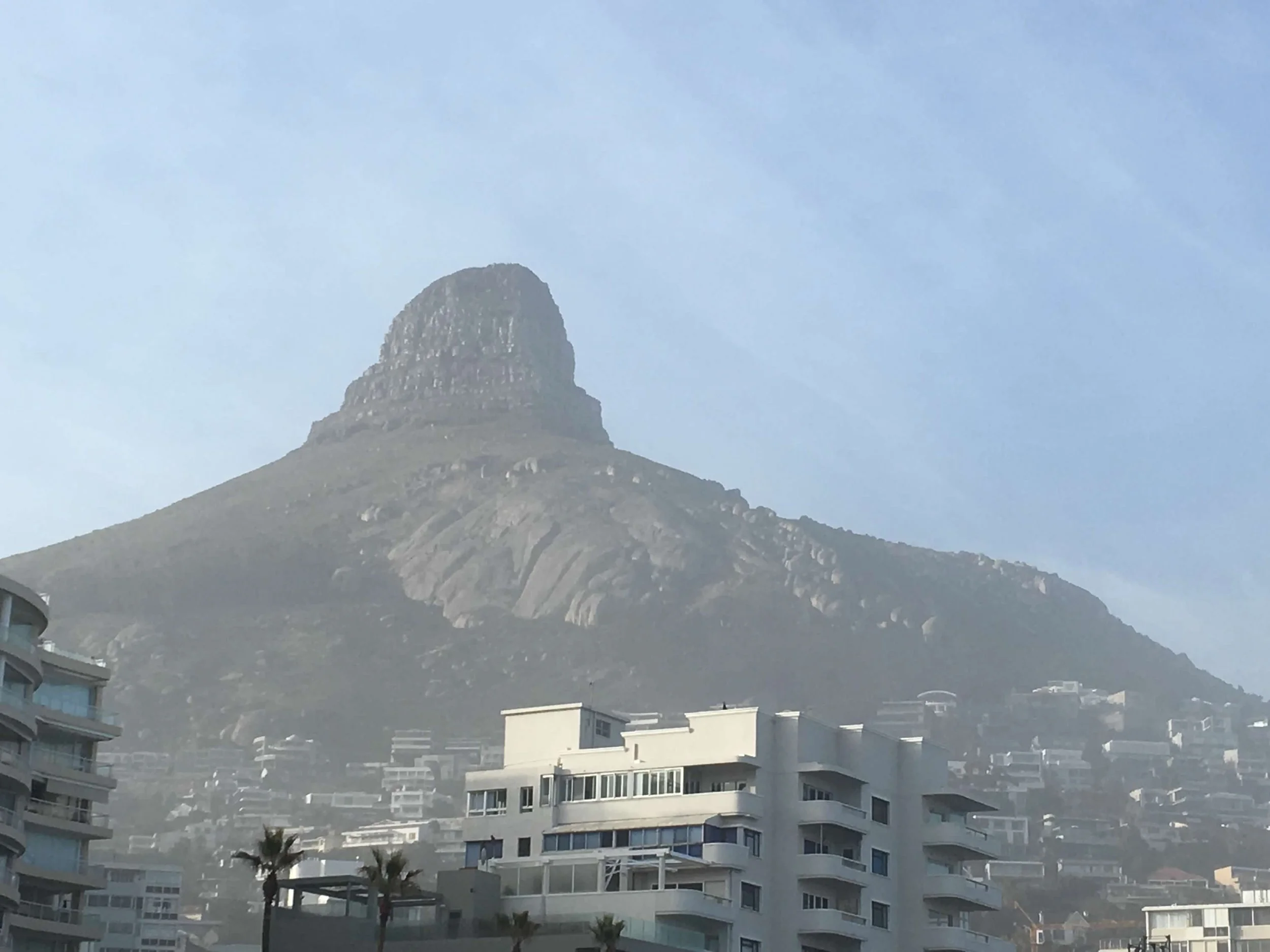
Lion’s Head in Cape Town
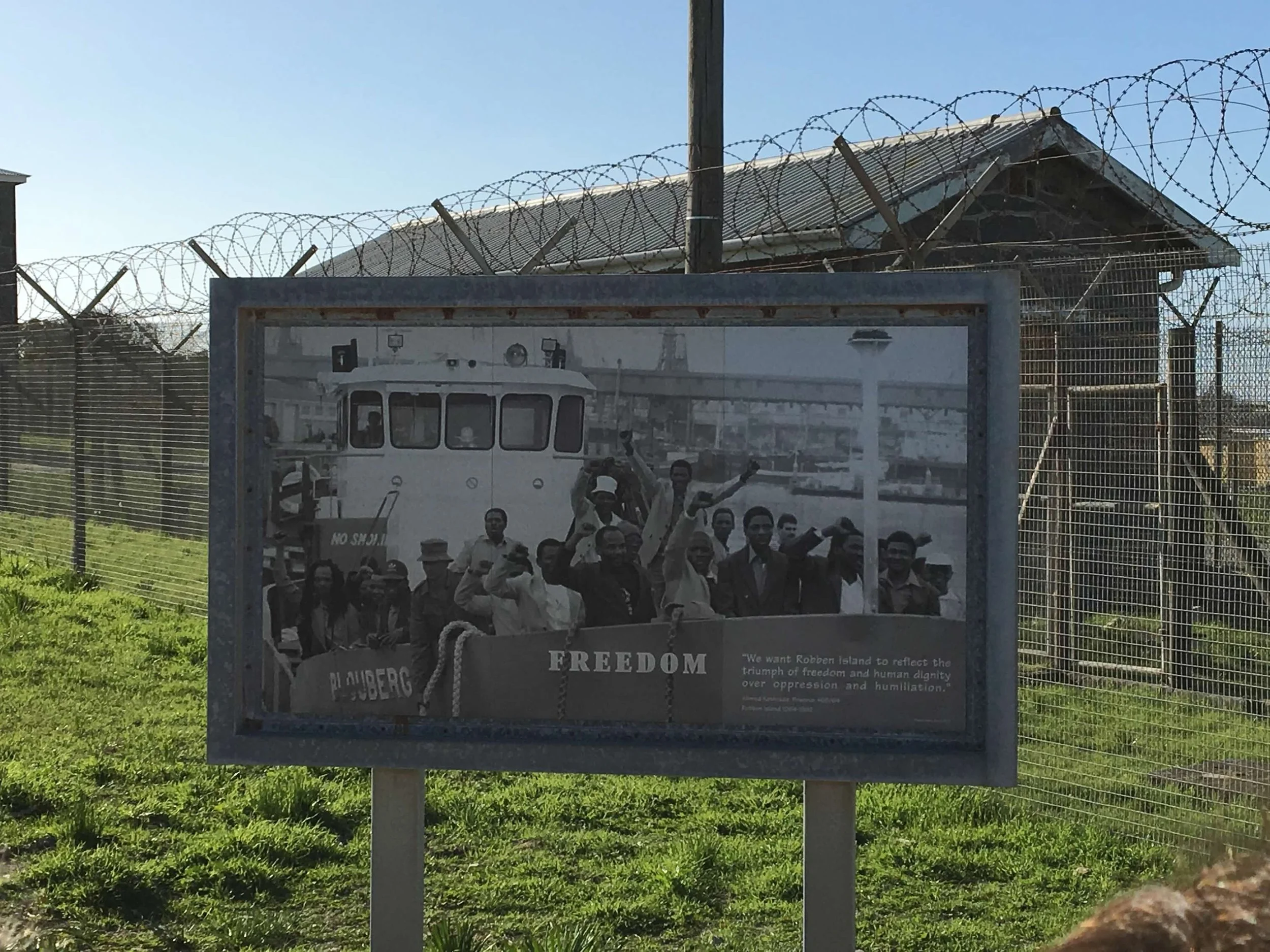
Robben Island, off the coast of Cape Town, imprisoned South Africa’s most famous anti-apartheid leader, Nelson Mandela
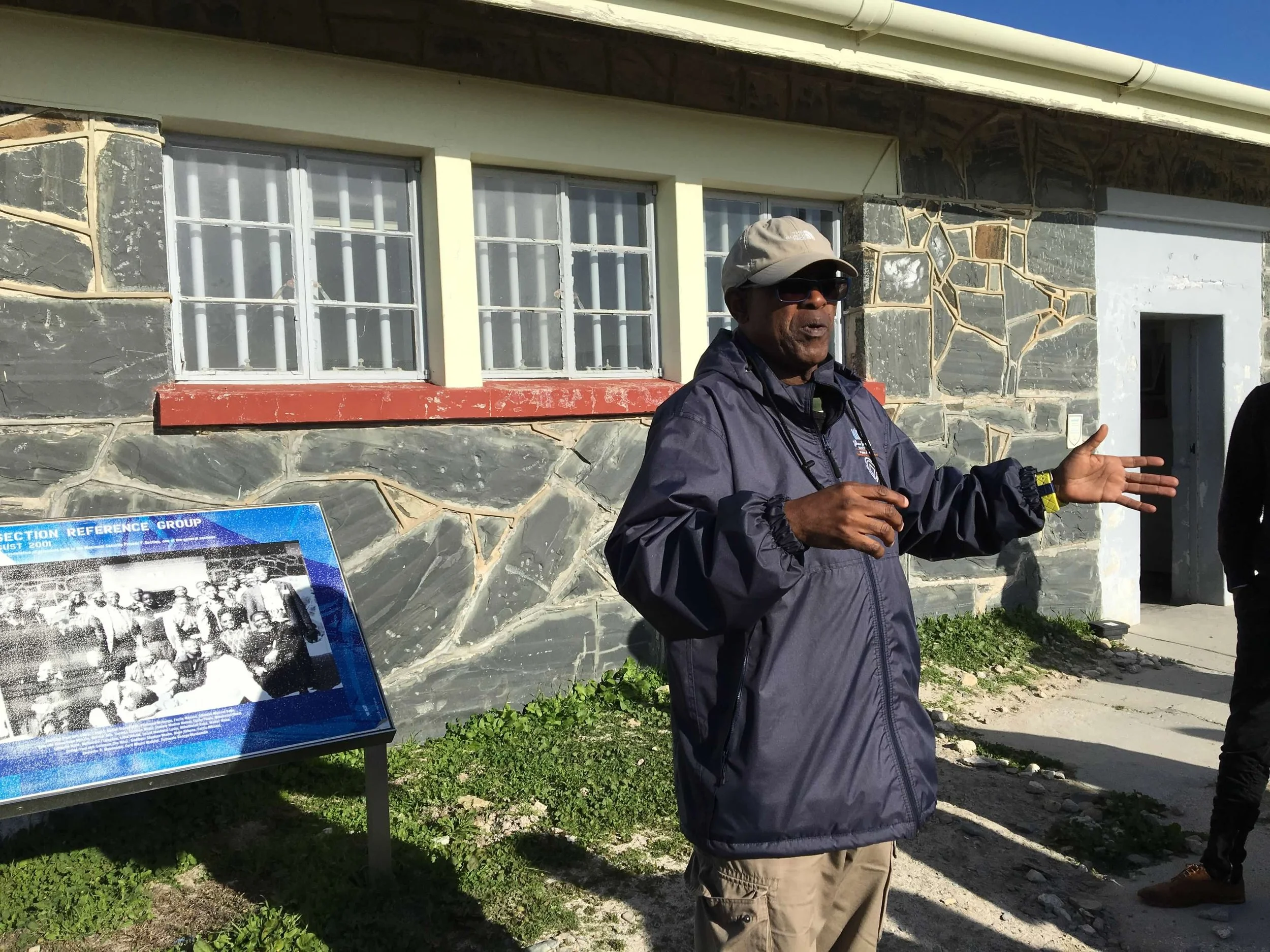
We were fortunate enough to visit Robben Island while ex-prisoners lead all visits, giving us first-hand accounts of life in prison during apartheid
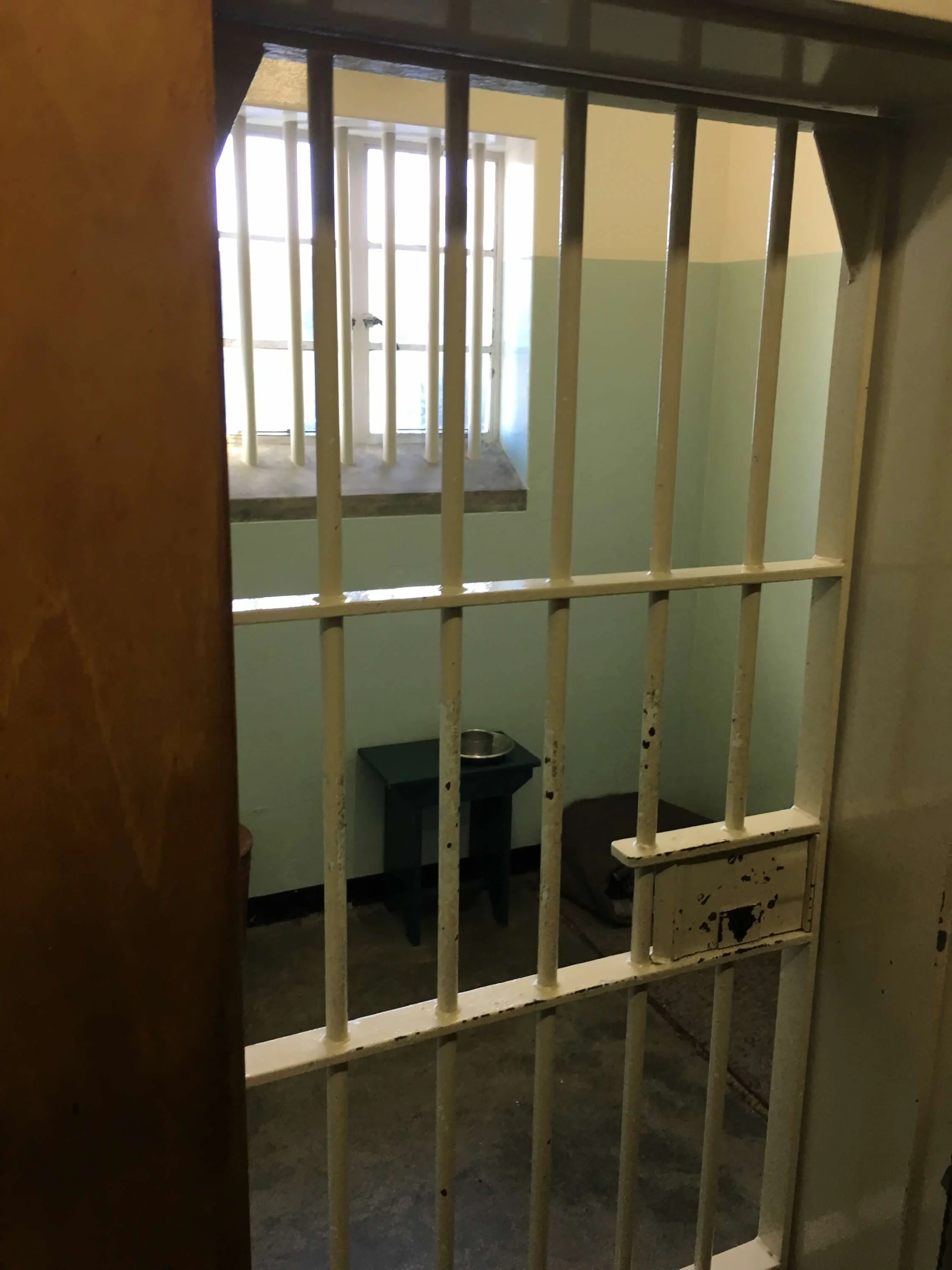
Nelson Mandela’s prison cell on Robben Island
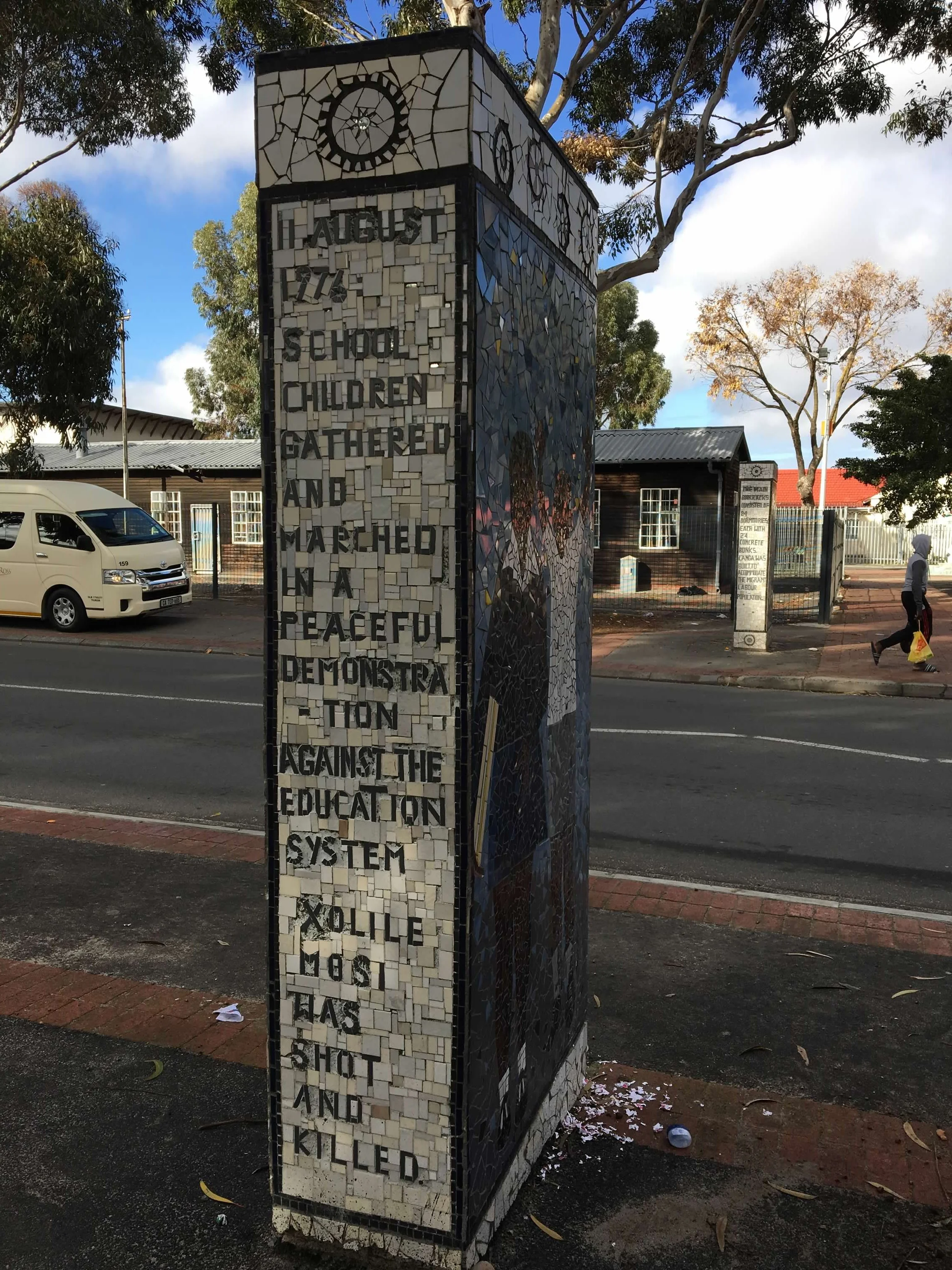
A monument in a Cape Town township to schoolchildren killed during a 1976 protest against discriminatory policies in education
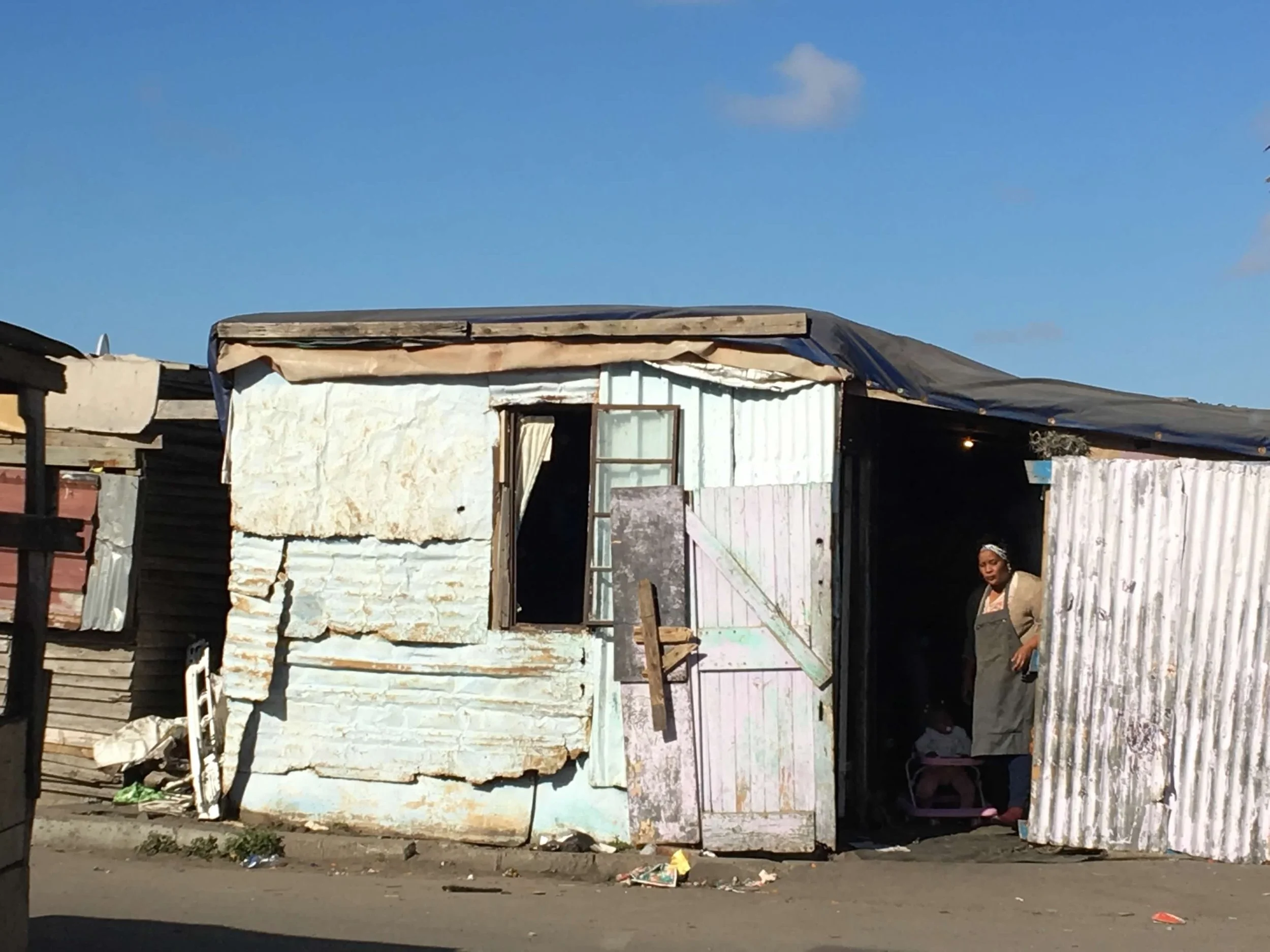
A township home
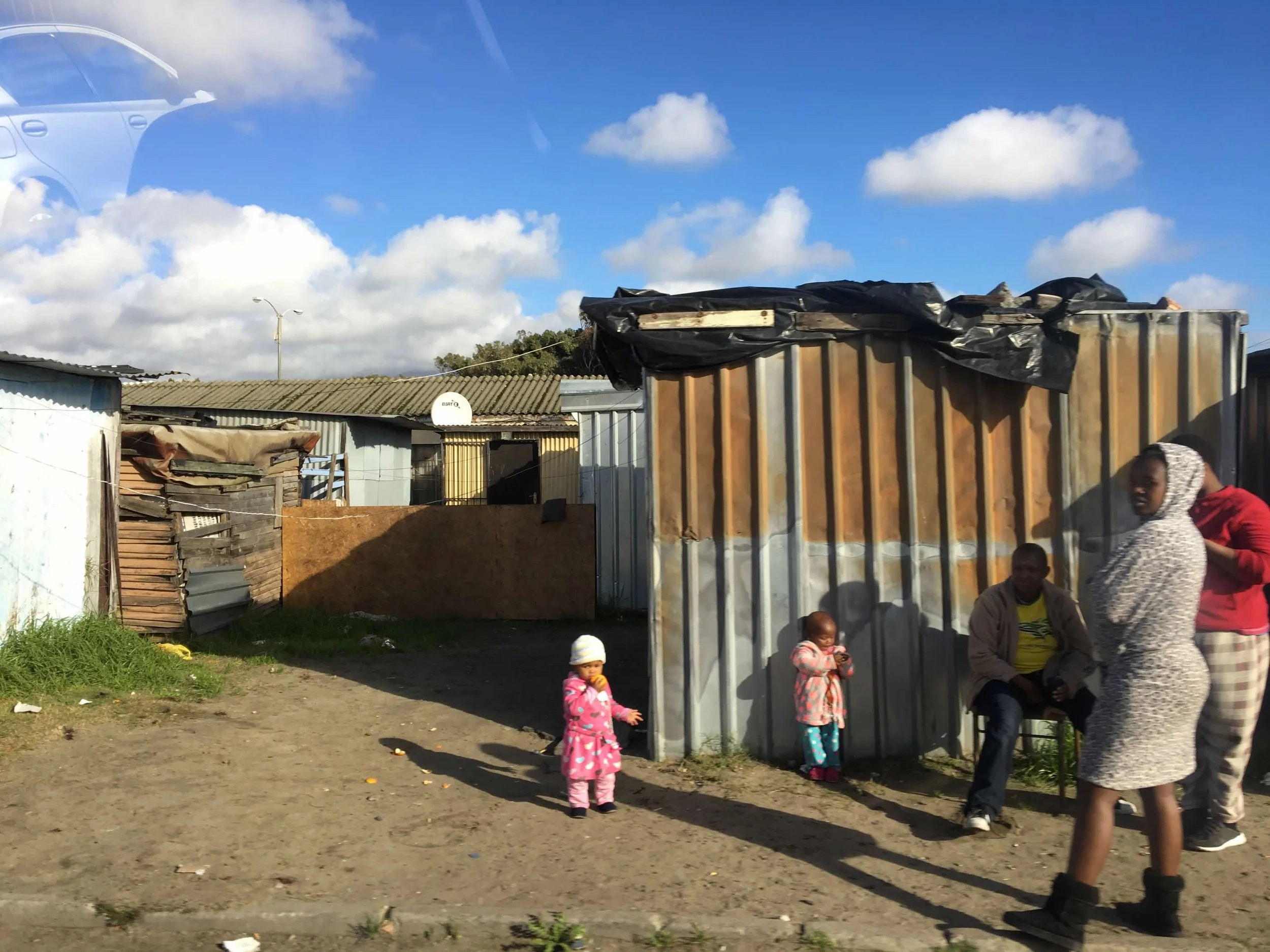
More township homes
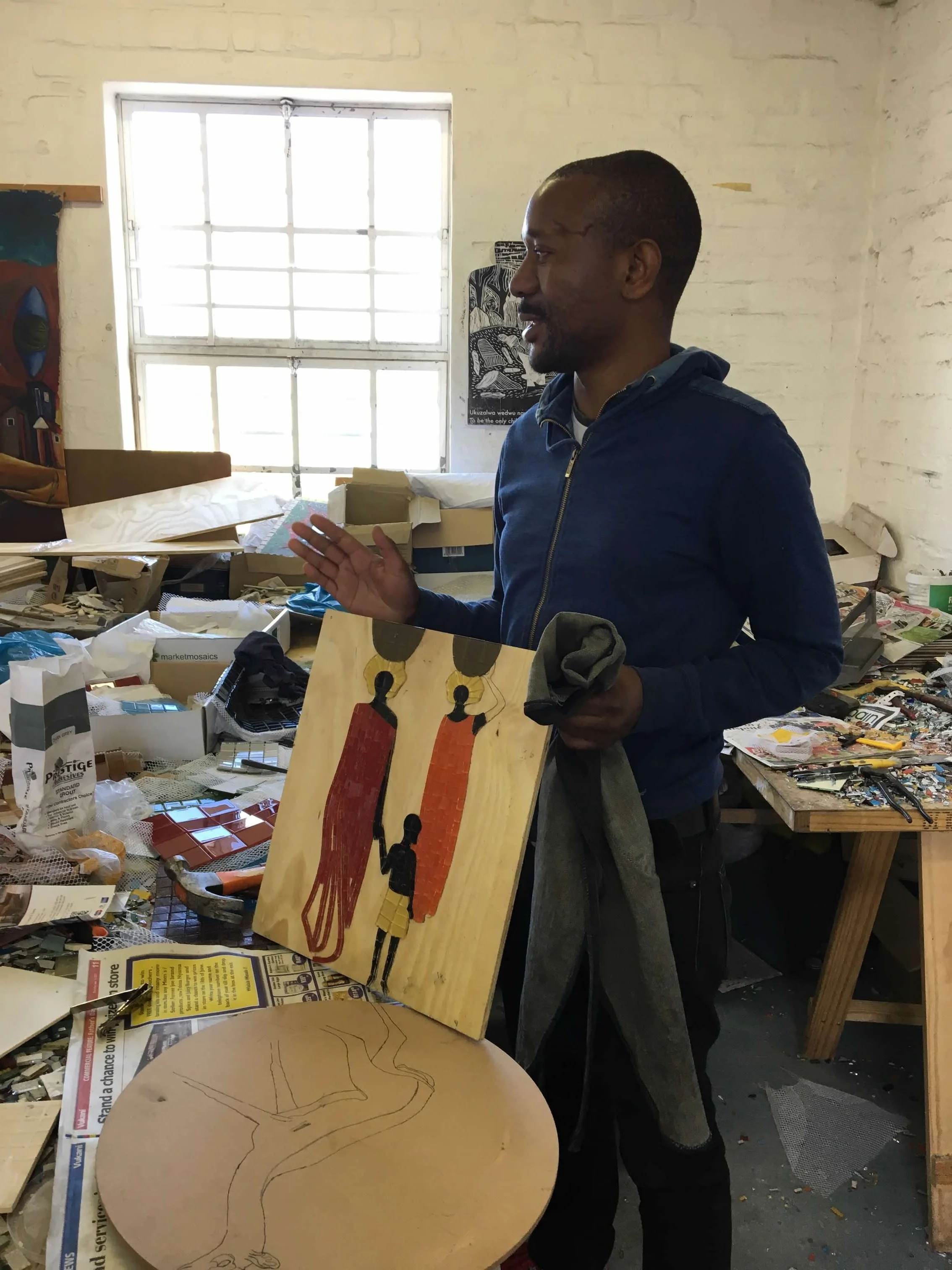
An artist explaining his painting to my children during a visit to a community project supporting local art and culture in a township
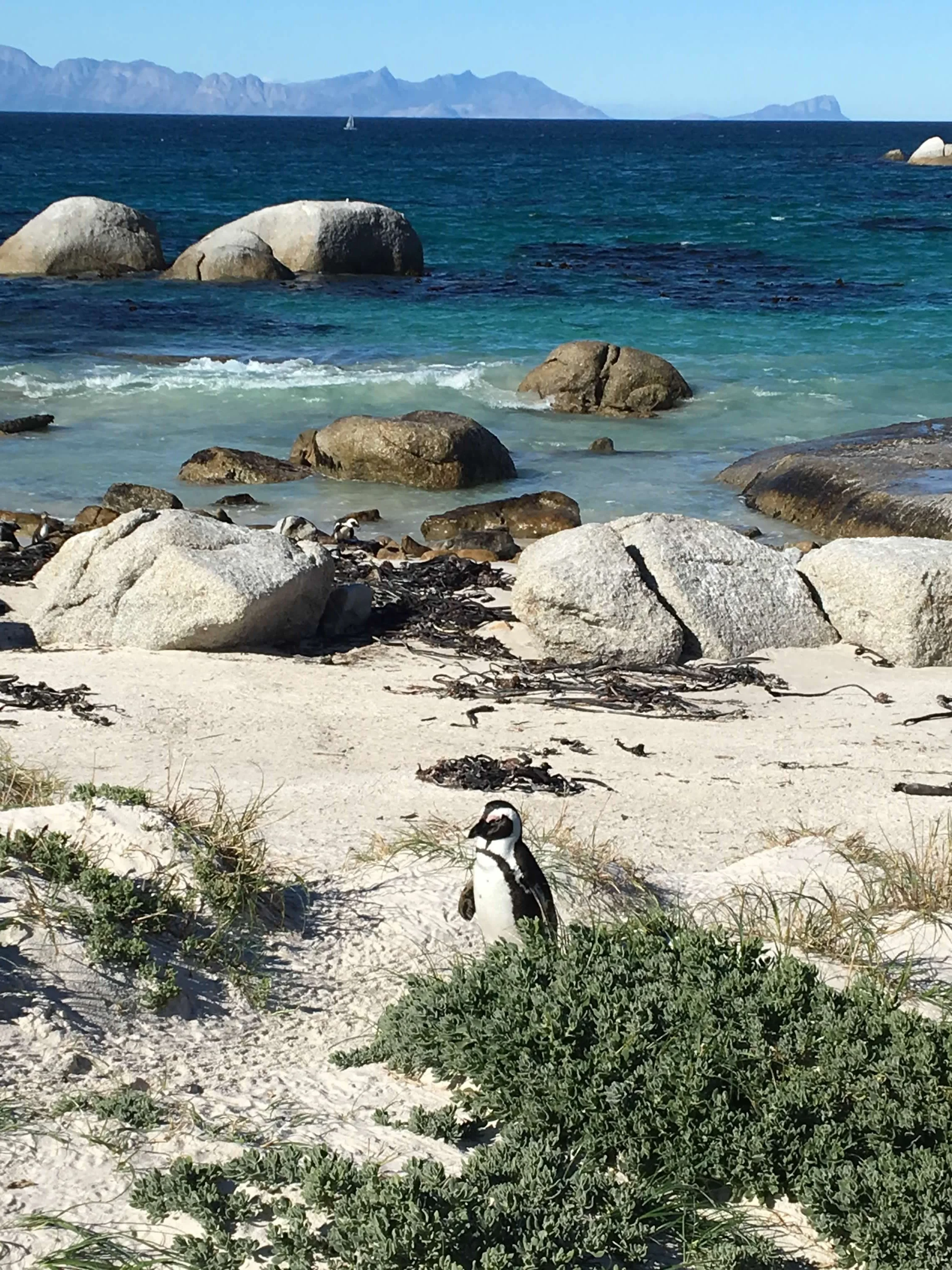
Boulders Beach
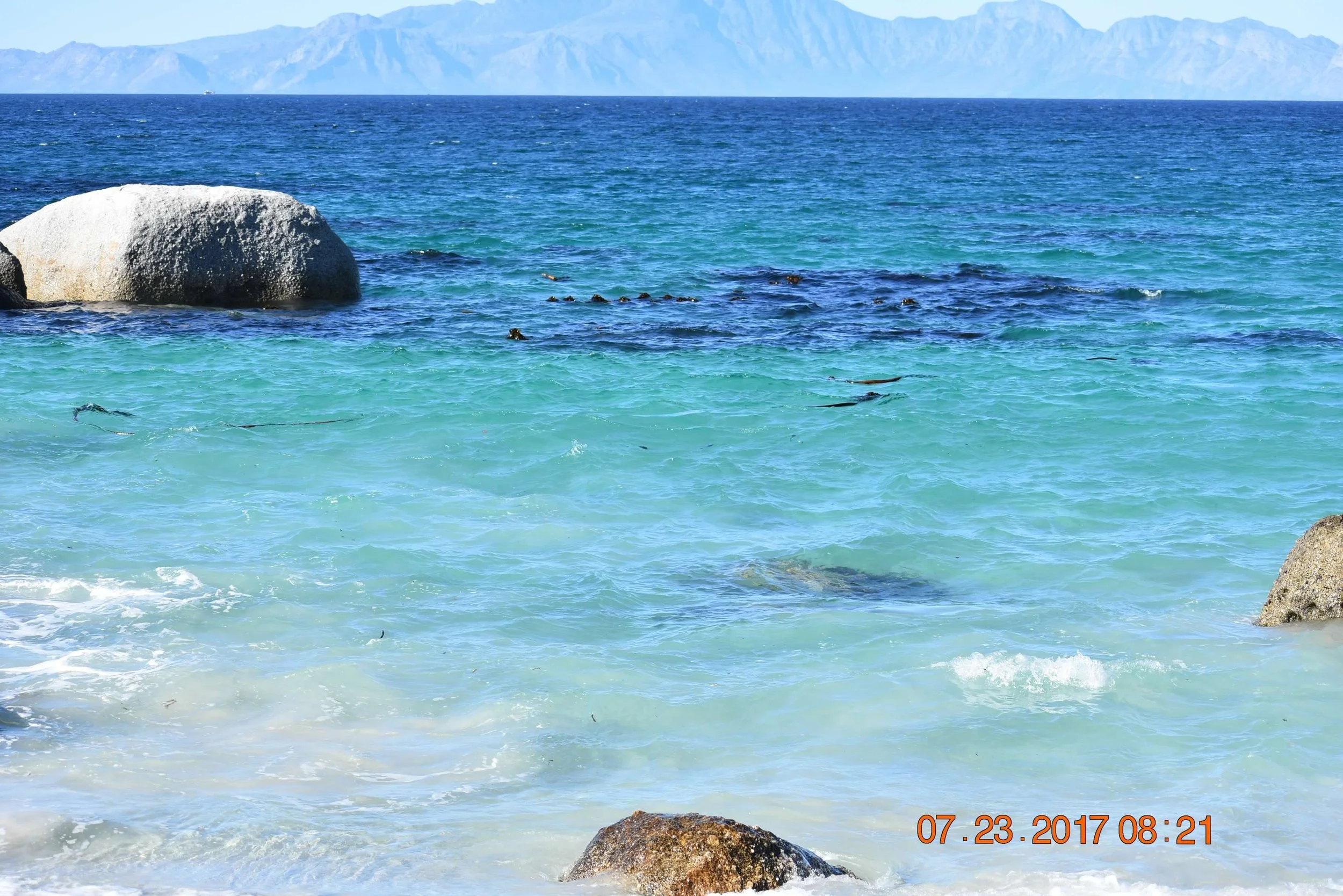
Boulders Beach, photo by Zoe Sessine
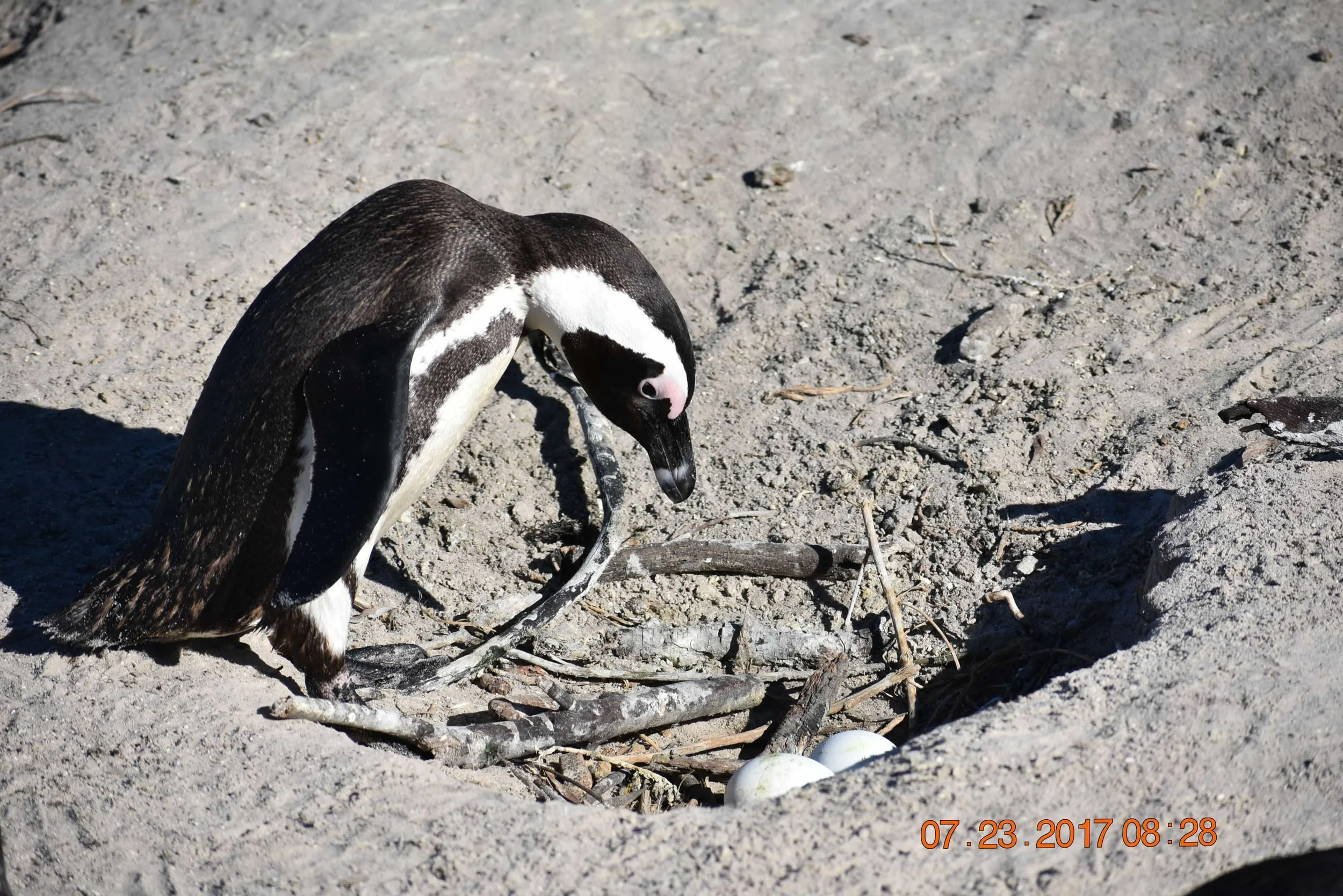
Watching over future chicks, photo by Zoe Sessine
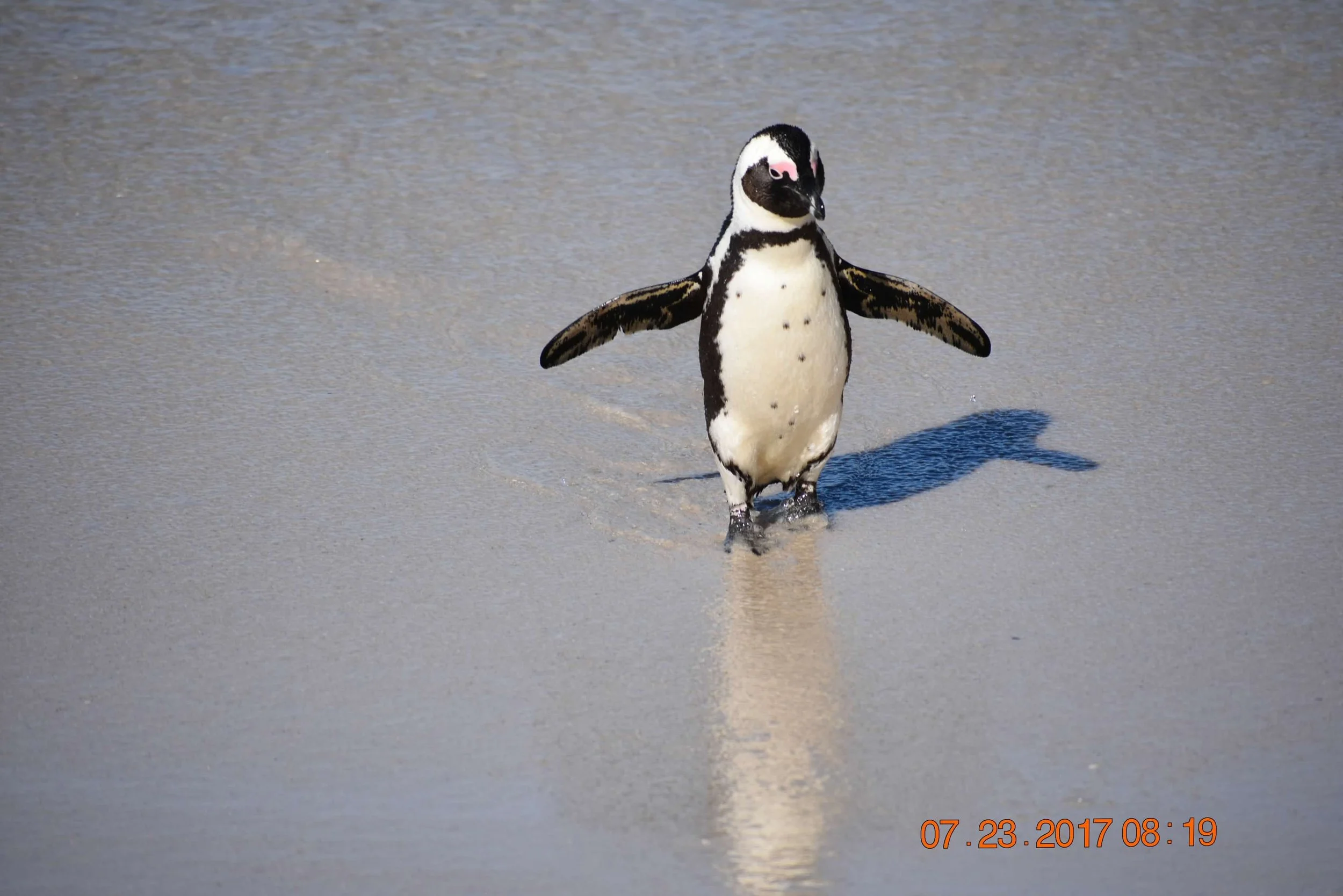
Photo by Zoe Sessine
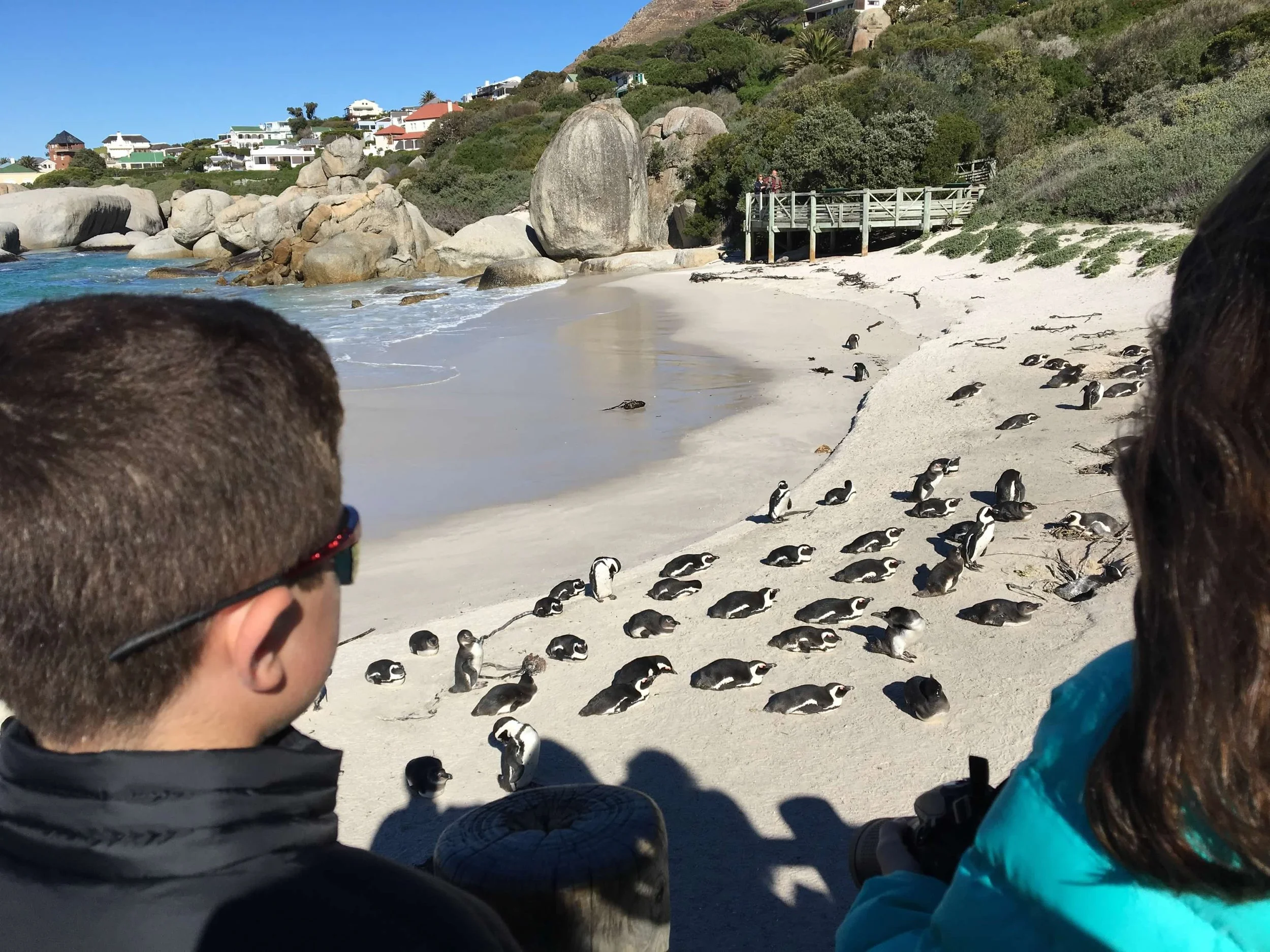
We watched the adorable penguins for hours at Boulders Beach
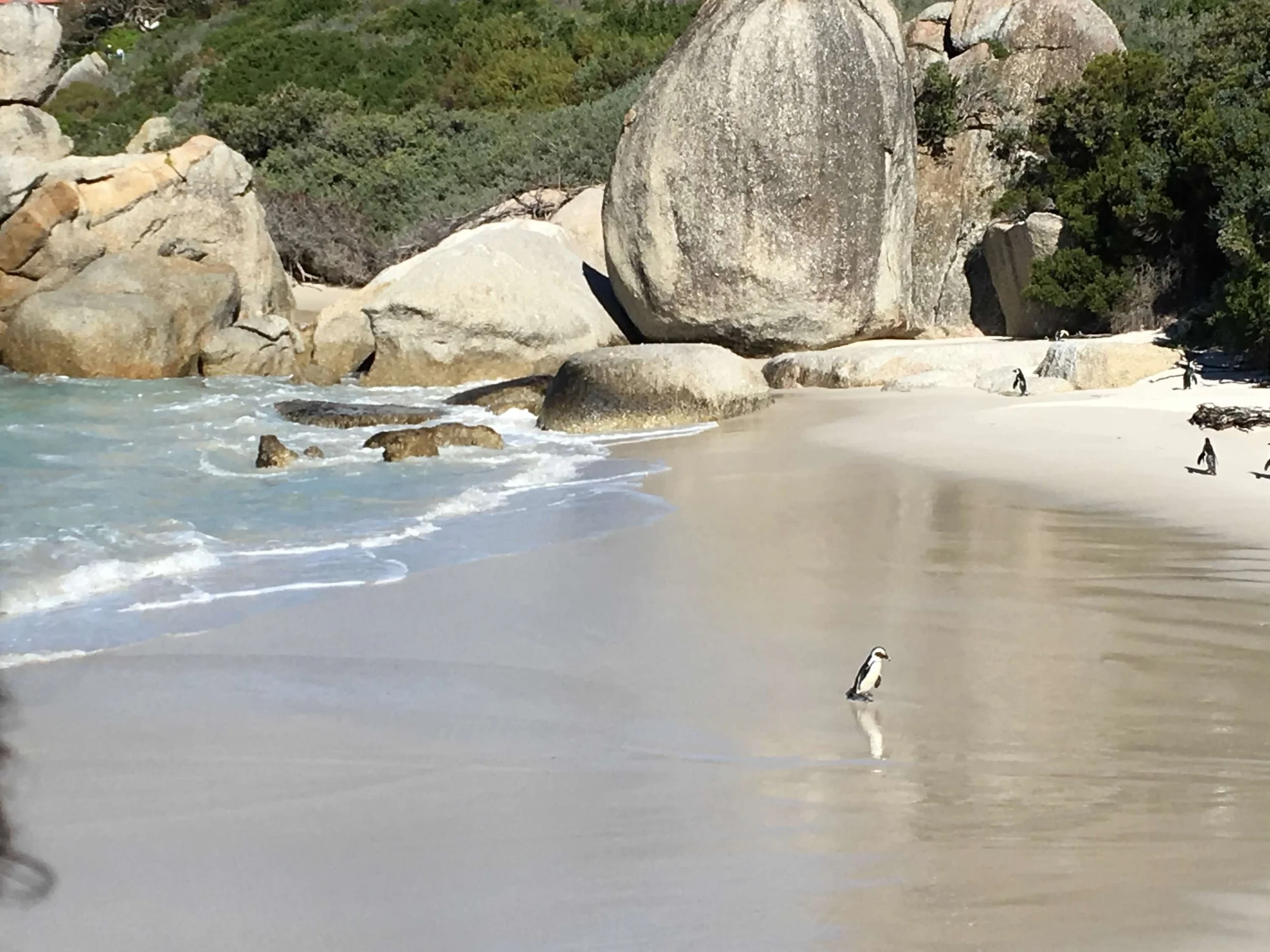
The penguins swim, play, eat, and nest at Boulders Beach
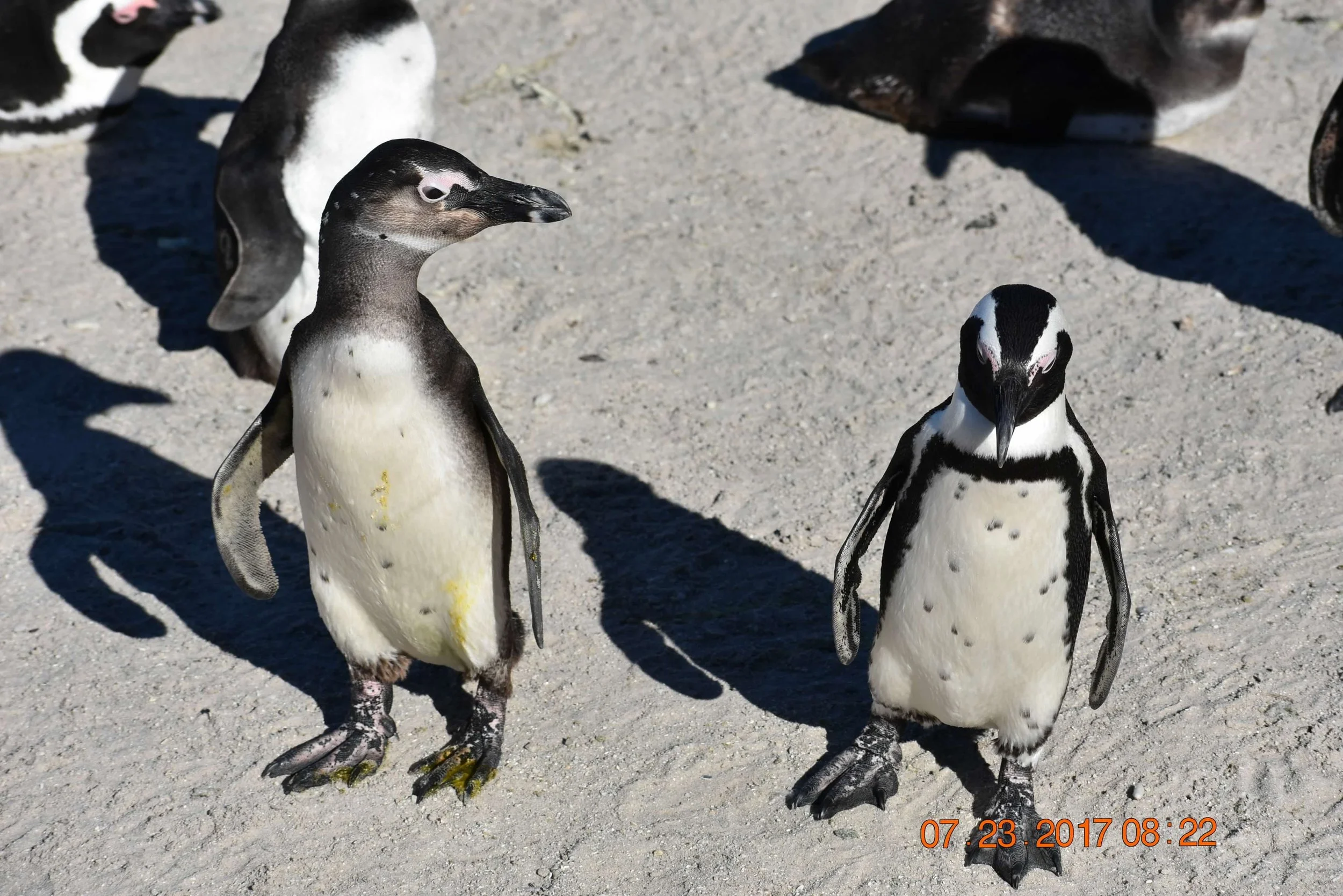
“You coming?” photo by Zoe Sessine
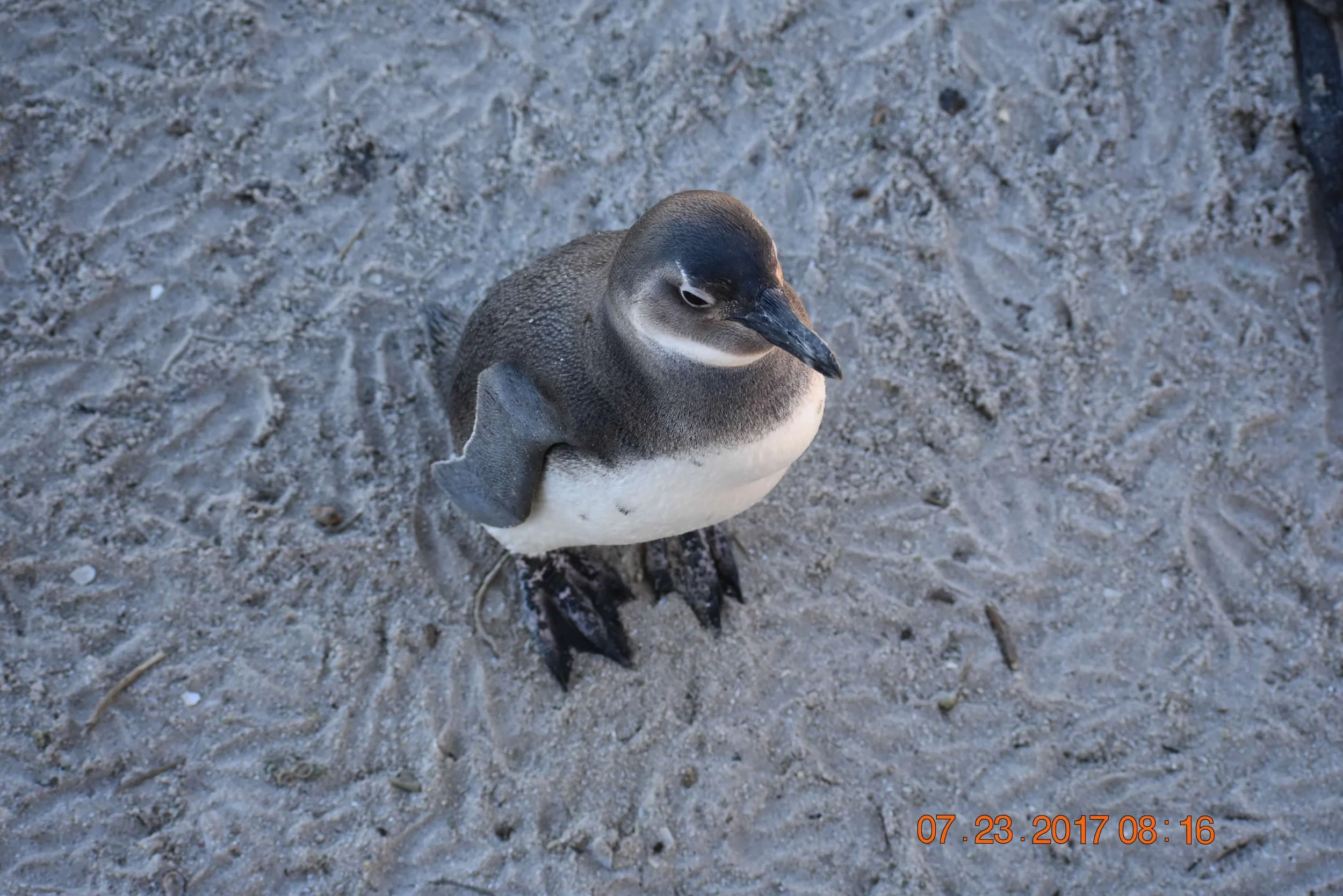
Penguin chick, photo by Zoe Sessine

Penguin emerging from the sea, photo by Zoe Sessine
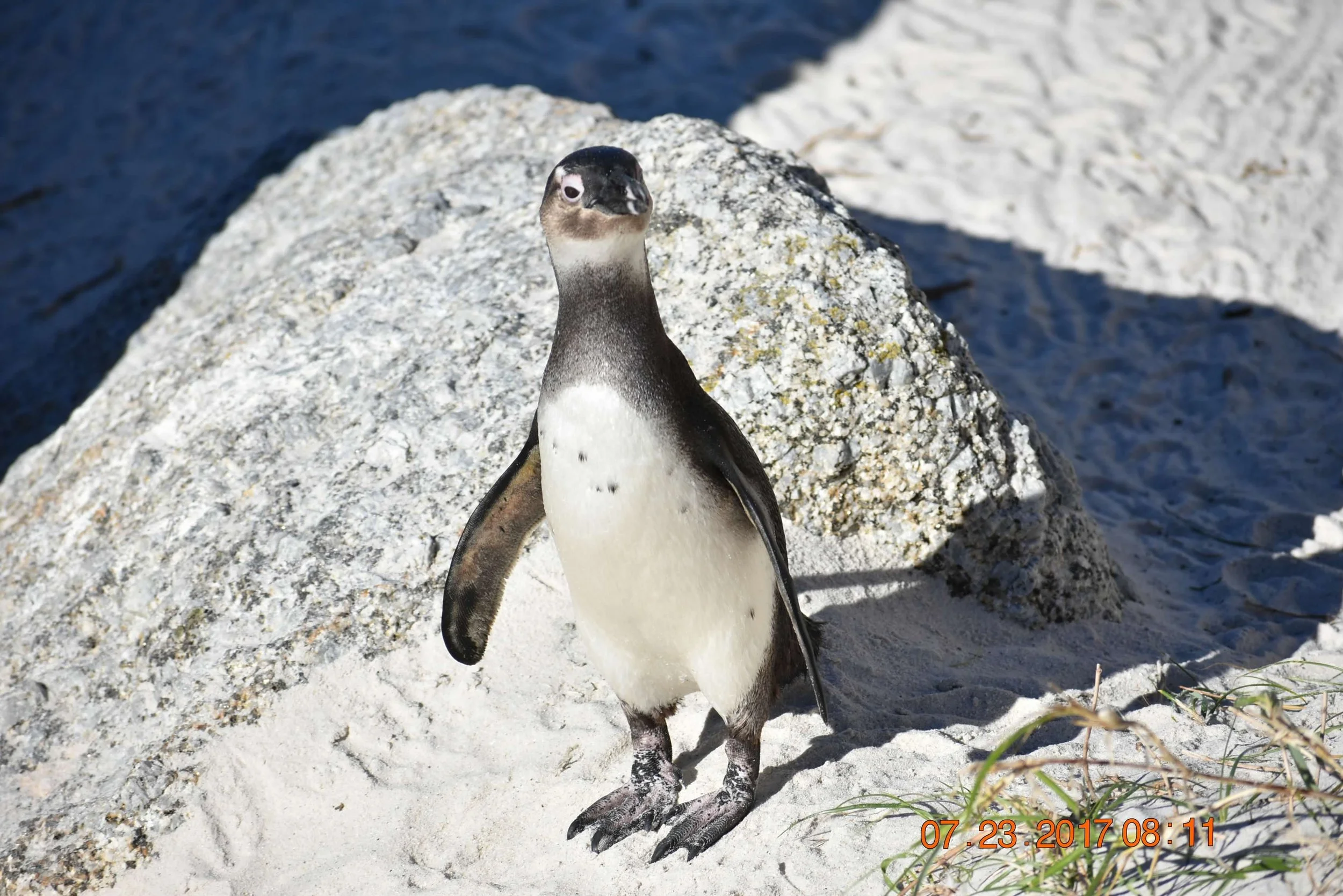
Photo by Zoe Sessine
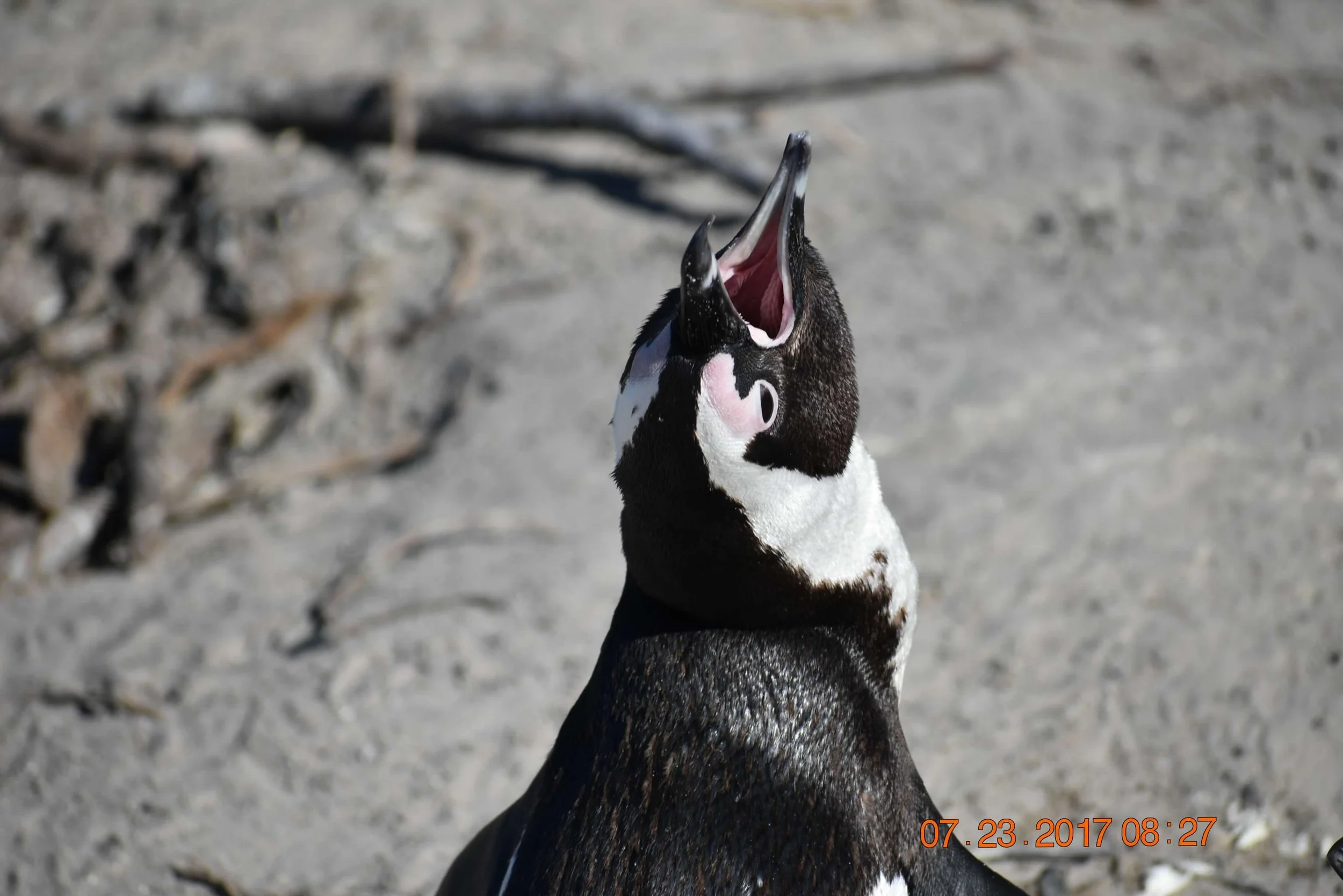
“Feed me!” photo by Zoe Sessine
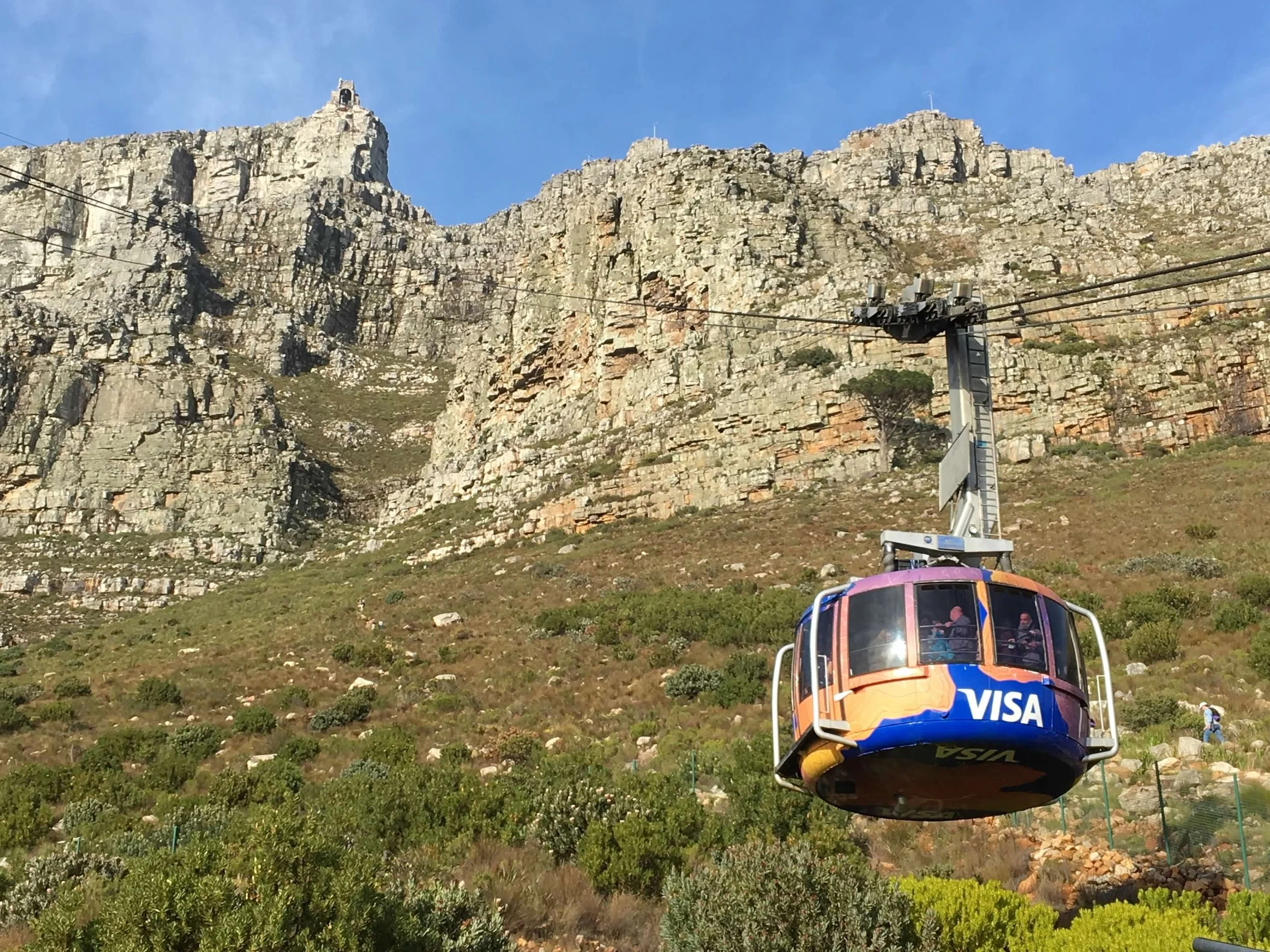
The cable car ride up to the top of Table Mountain offers beautiful views

Morning mist over Cape Town from the top of Table Mountain

As the mist cleared, we started seeing Cape Town and the ocean below
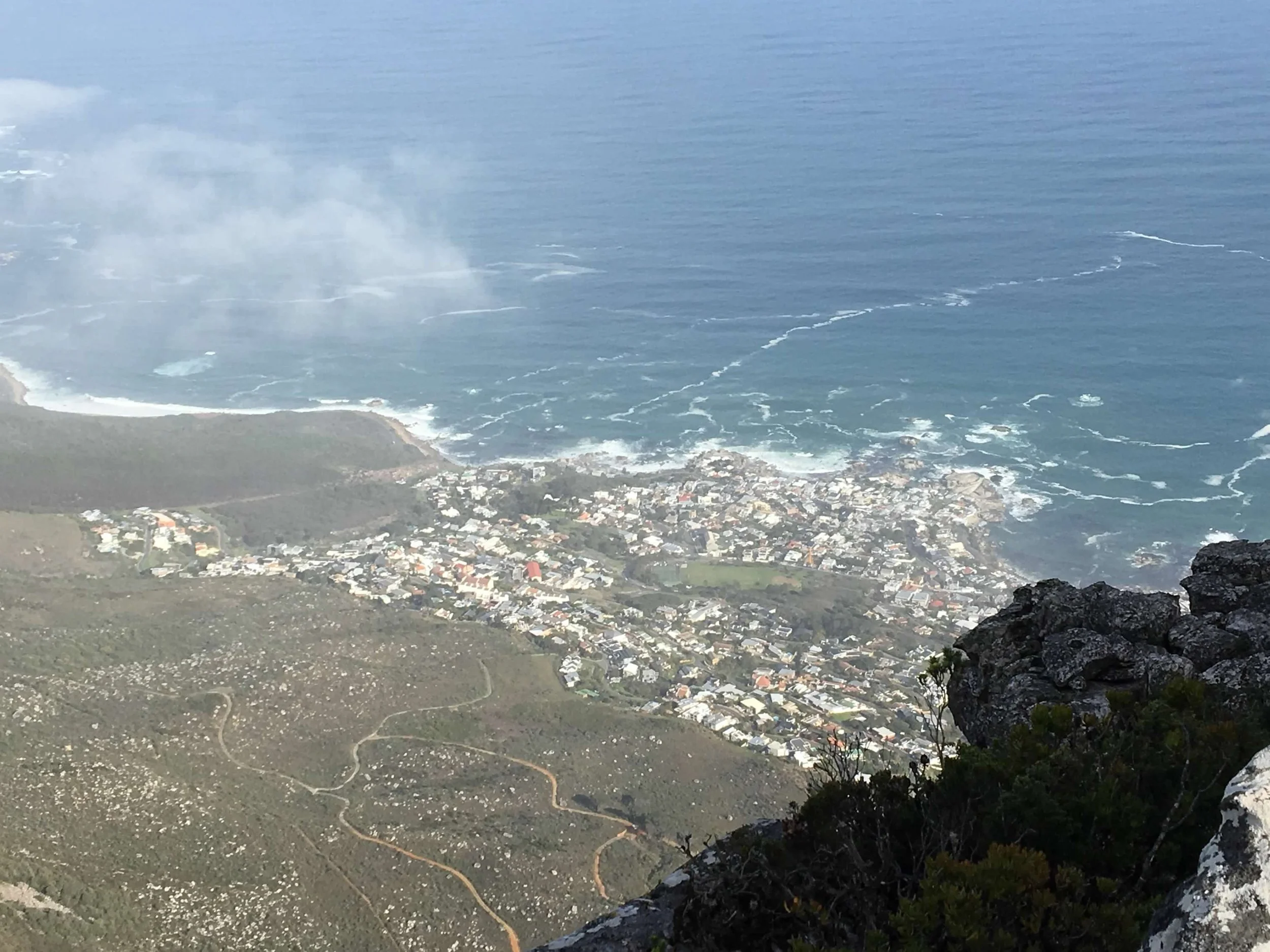
View from Table Mountain
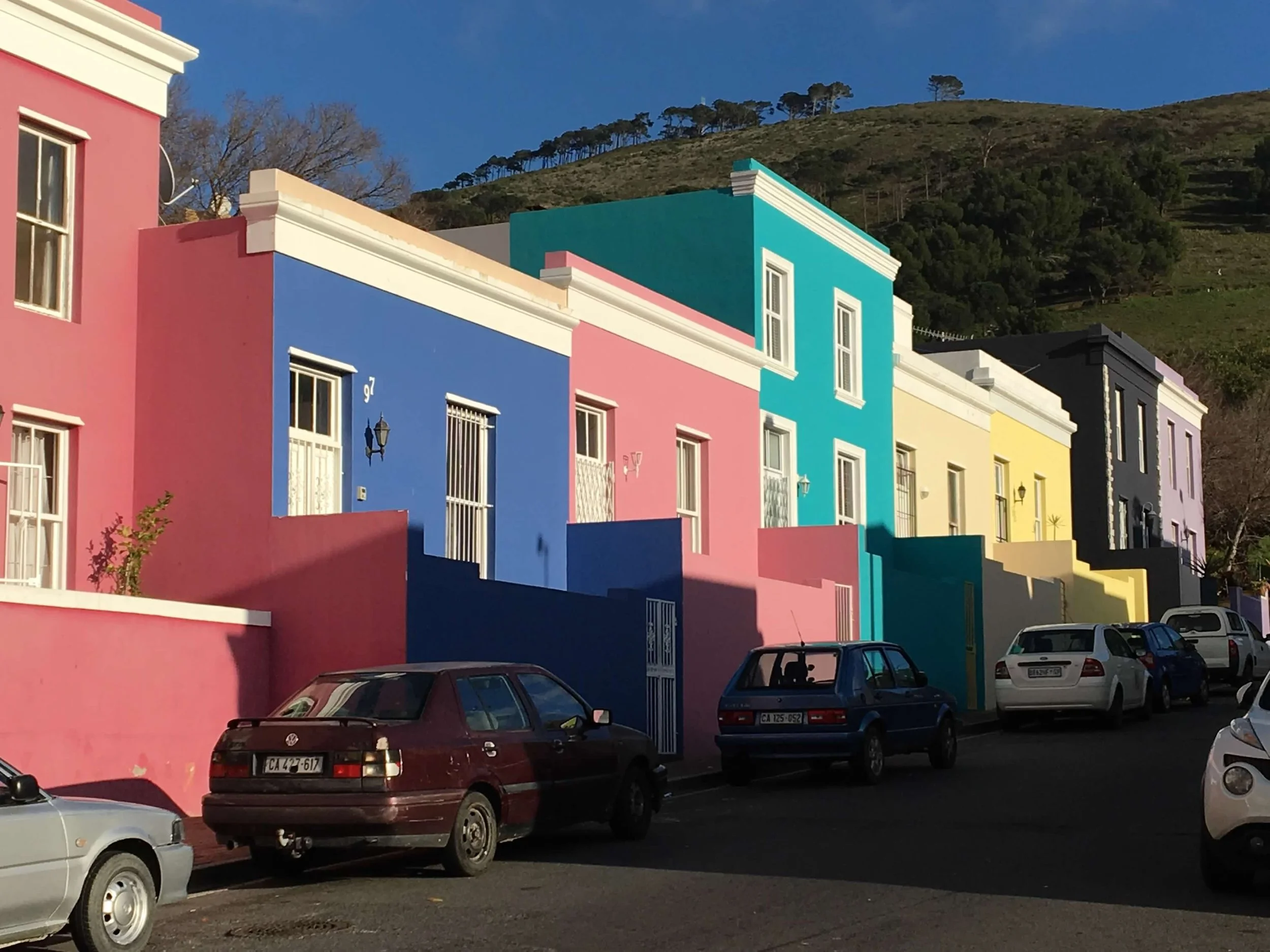
Bo-Kaap neighborhood in Cape Town is known for its colorful houses
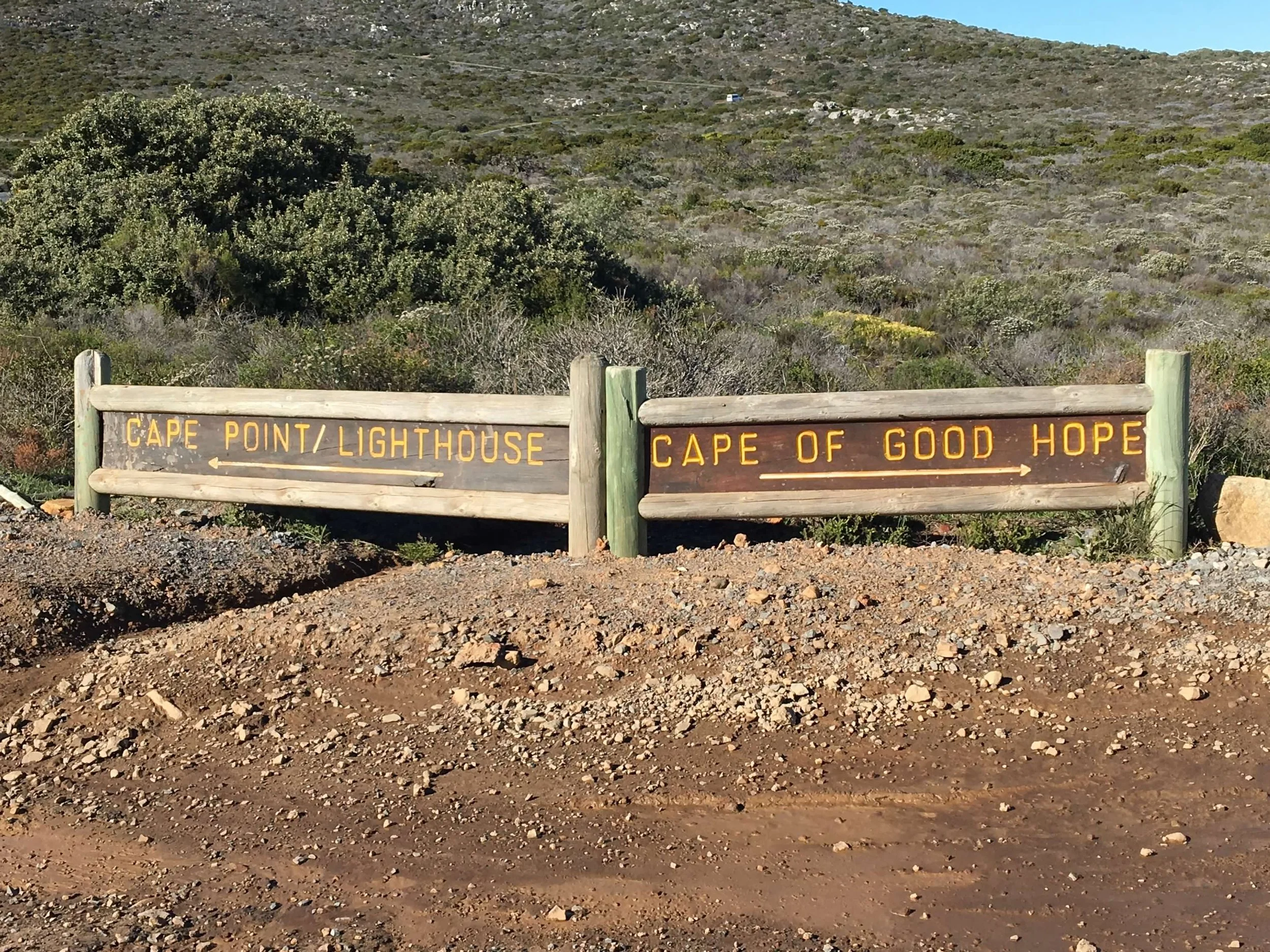
The hour drive from Cape Town to the Cape of Good Hope is best done as a full day trip, making scenic stops along the way
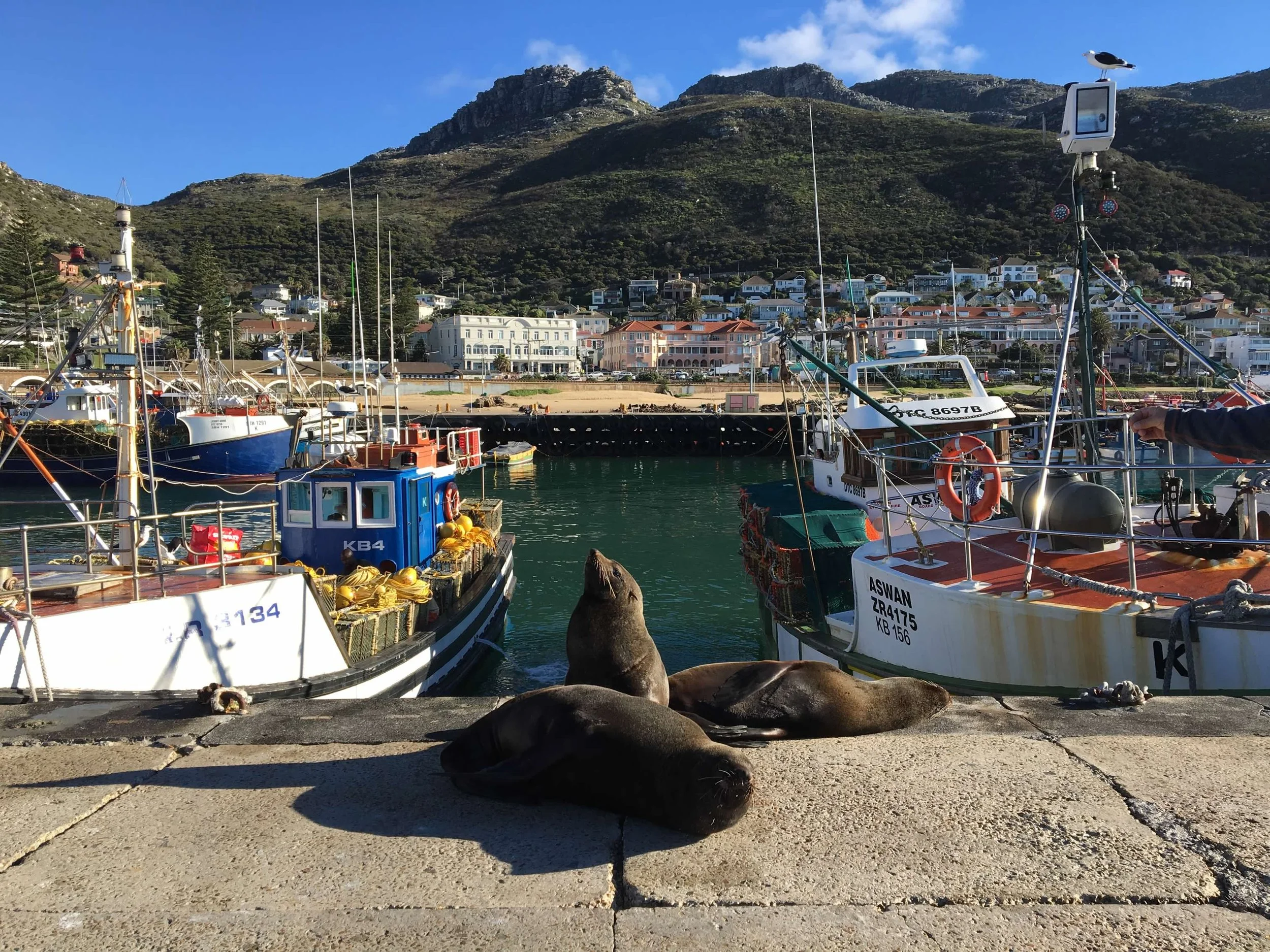
Kalk Bay Harbor was a great lunch stop on our journey to the Cape of Good Hope

Views on the drive from Cape Town to the Cape of Good Hope
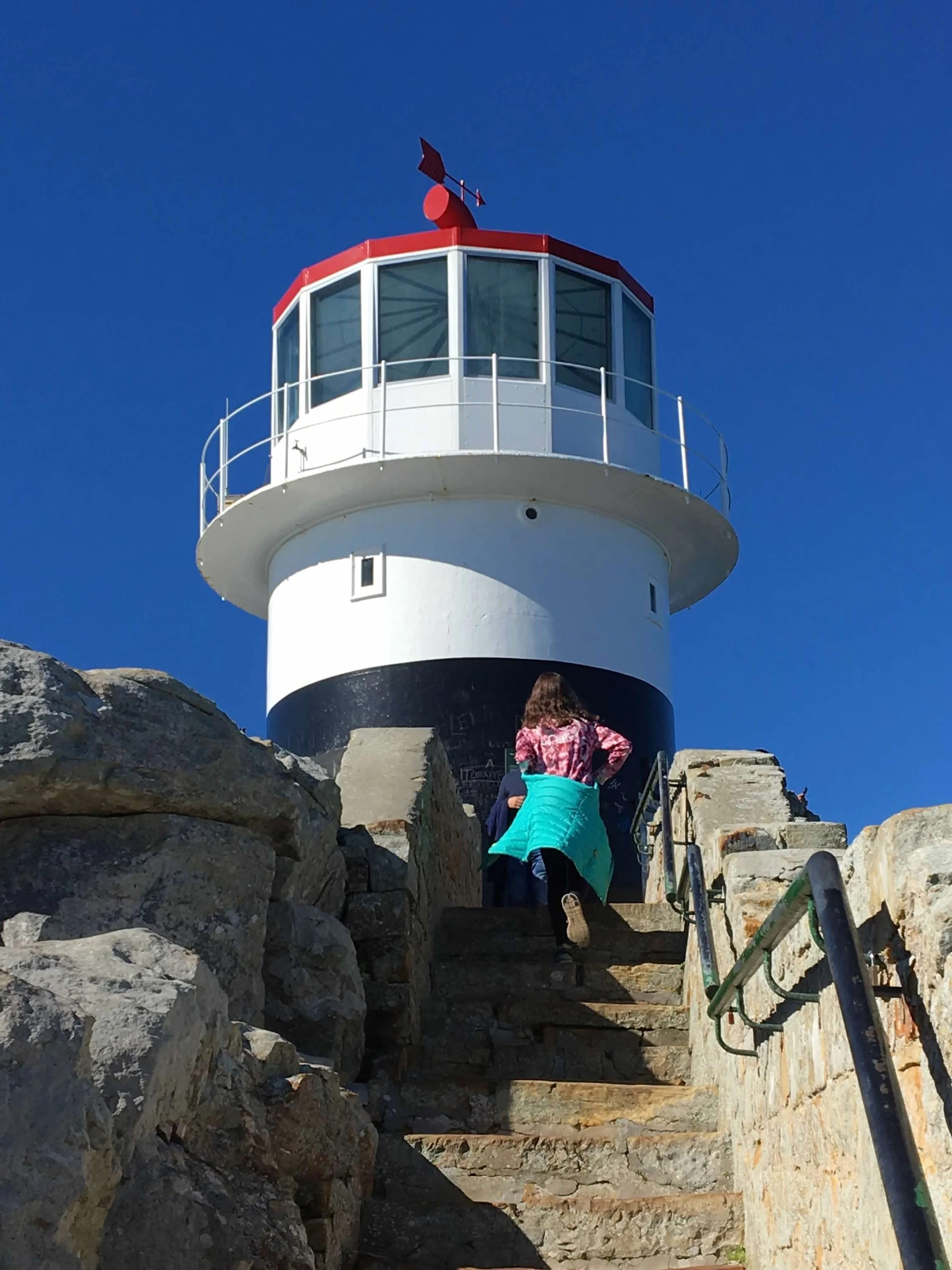
Hiking up to Cape Point’s lighthouse
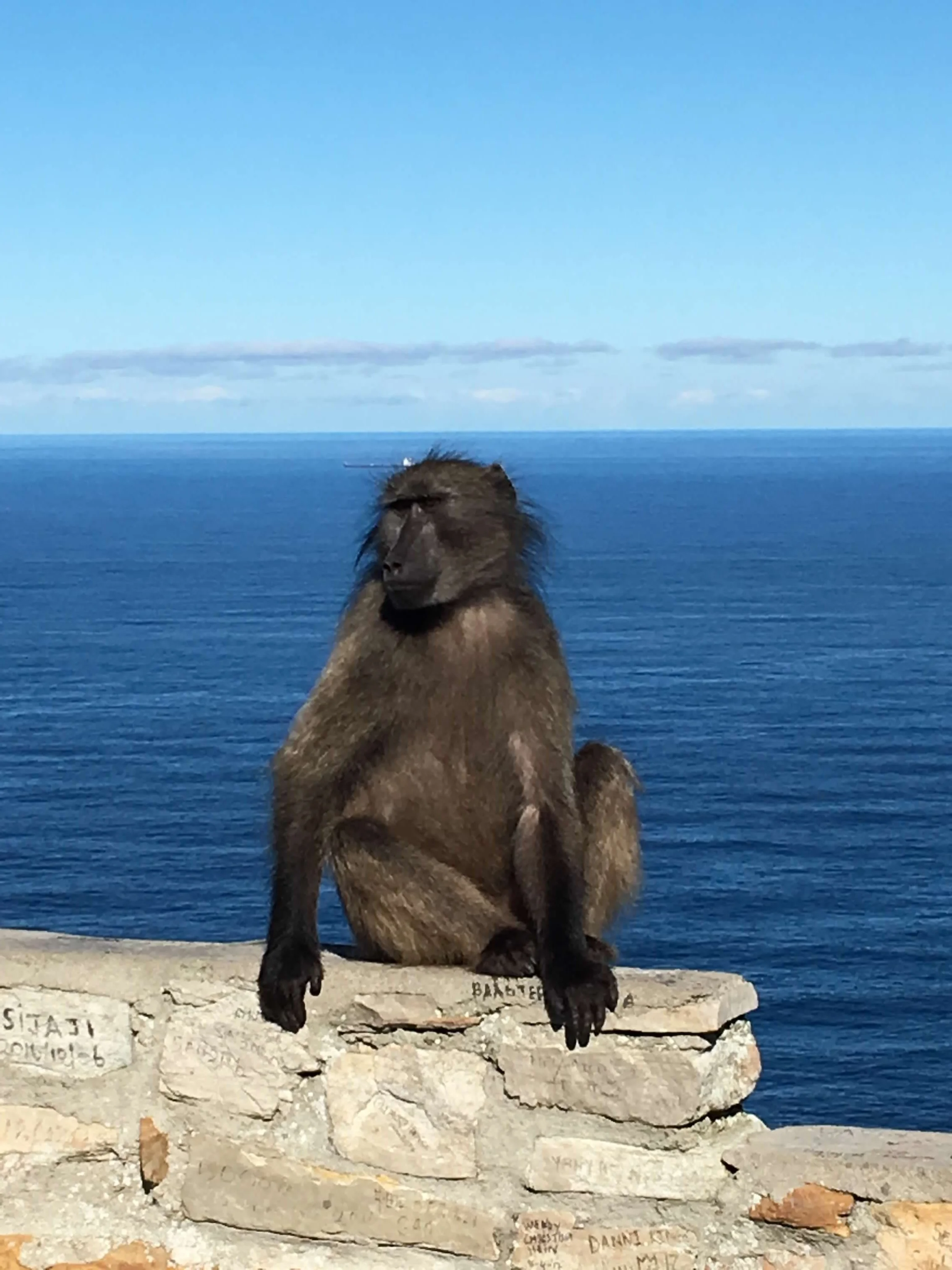
Baboon chilling on the path up to Cape Point’s lighthouse
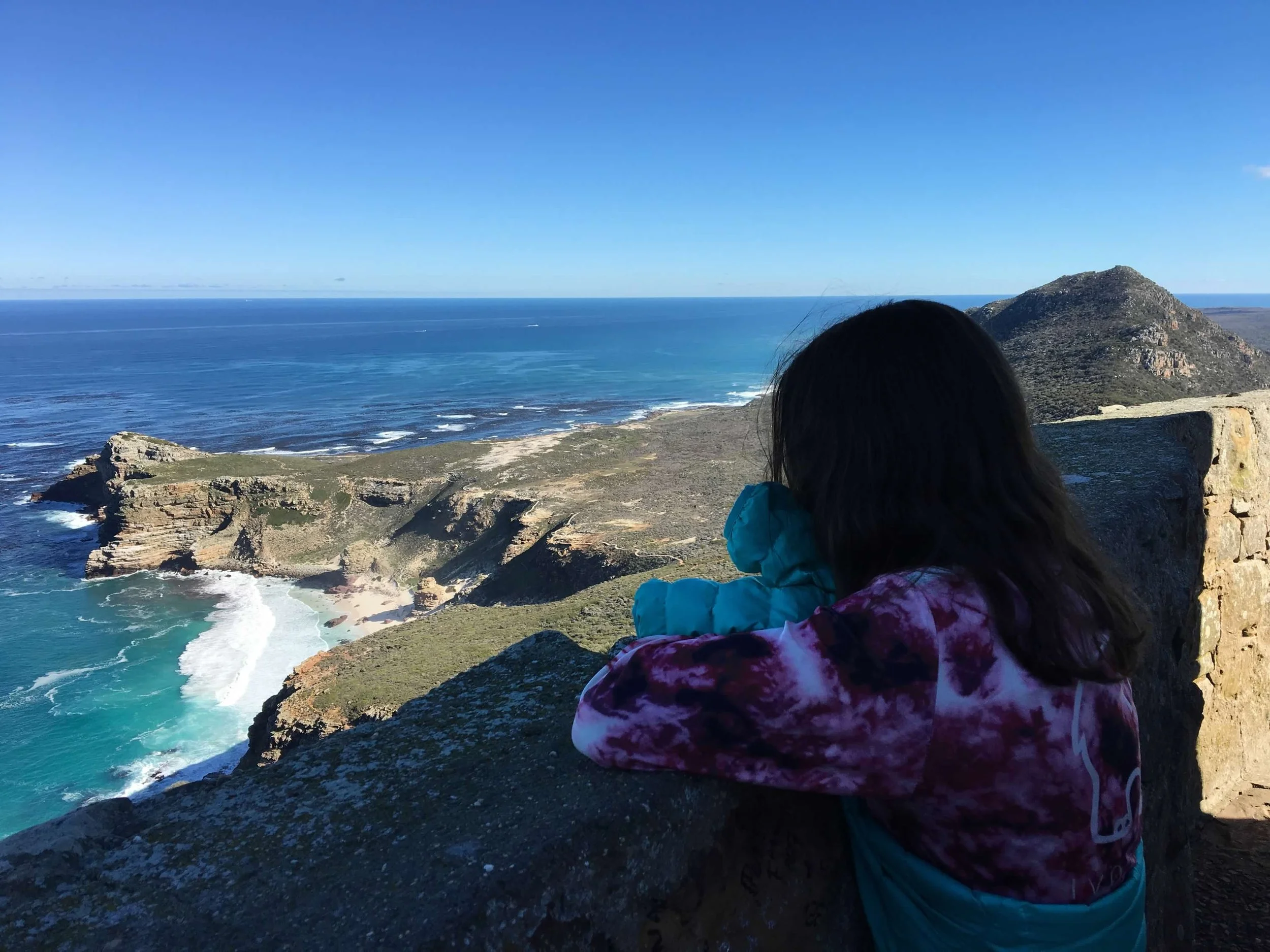
The view from Cape Point Lighthouse

Far from home is where we like to be, at least sometimes
Quisque iaculis facilisis lacinia. Mauris euismod pellentesque tellus sit amet mollis.