
Volunteering in Kenya with Kurunzi Fund
Written by Jennifer Milano, traveled July 2025
I met my friend, Sonia Biswas, the day I moved into my college freshman dorm. We both loved traveling, dancing to 80’s music (or as we called it back then, music), and studying all things international. Last year, Sonia told me she planned to do a volunteer trip to Kenya with Kurunzi Fund, an organization started by her former USAID colleague, and invited me to join her. After talking with Kurunzi Fund’s co-founders, Elizabeth and Kennedy, and learning about the organization’s work, I did not hesitate to sign up. I had been wanting to volunteer abroad for years, and was excited to have found a small organization that would not overcharge me for the privilege of feeling relatively useless as a volunteer - at least, I had read lots of reviews by volunteers who arrive at their destination and then don’t feel as though they have contributed much. Kurunzi Fund is an organization inspired by Kennedy’s dream of reducing child marriage and female genital mutilation (FGM). After he guided Elizabeth up Mt. Kenya, the two decided to pair up and create Kurunzi Fund to sponsor girls who had been victims of child marriage and FGM but who had escaped to Samburu Girls’ Foundation. Samburu Girls’ Foundation houses, feeds, and partially educates the girls, but cannot not afford to send them to public boarding schools. Kurunzi Fund partners with Samburu Girls’ Foundation to sponsor some of these girls to attend boarding school. I had researched and wrote about FGM in my international criminal law class, and have always championed girls’ education as being the key to women’s independence and freedom. I was hooked.
In addition to visiting the sponsored girls at their schools and spending time at Samburu Girls’ Foundation’s rescue center, our small group of five volunteers spent four days at Suswa Primary School in the Great Rift Valley building a vegetable garden and teaching in classrooms. I packed my secret weapon for breaking the ice with children, bubbles, and headed off to Kenya in early July. Elizabeth had also planned for us to spend a day on safari in the Maasai Mara to view the wildebeest migration, as well as some other fun activities. I had not been to Kenya since I was 12 years old, but I had vivid memories of the trip as it had a lasting impact on me - both in terms of launching my obsession with travel and planting the seed to study human rights law.
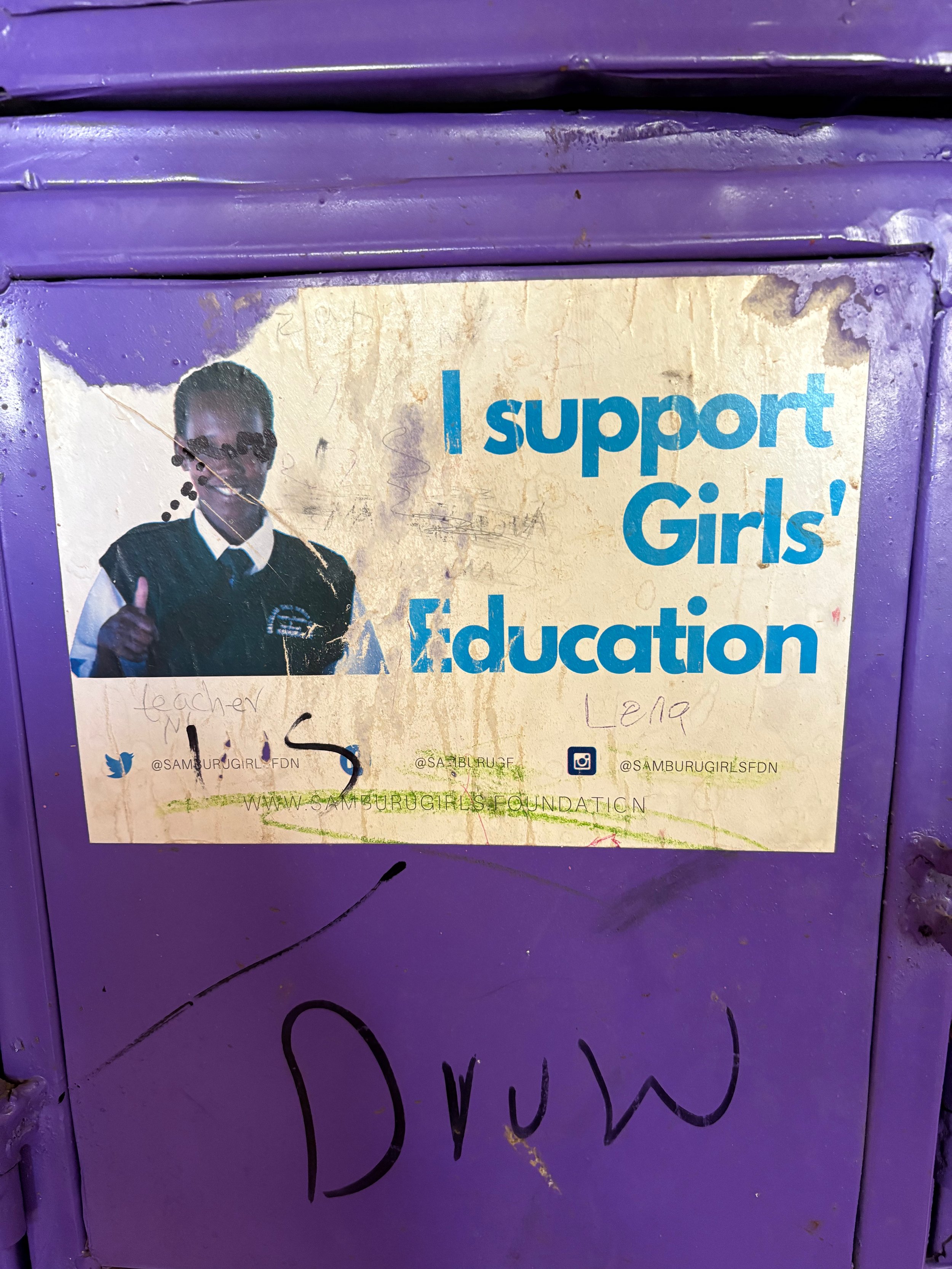
A locker at Samburu Girls’ Foundation

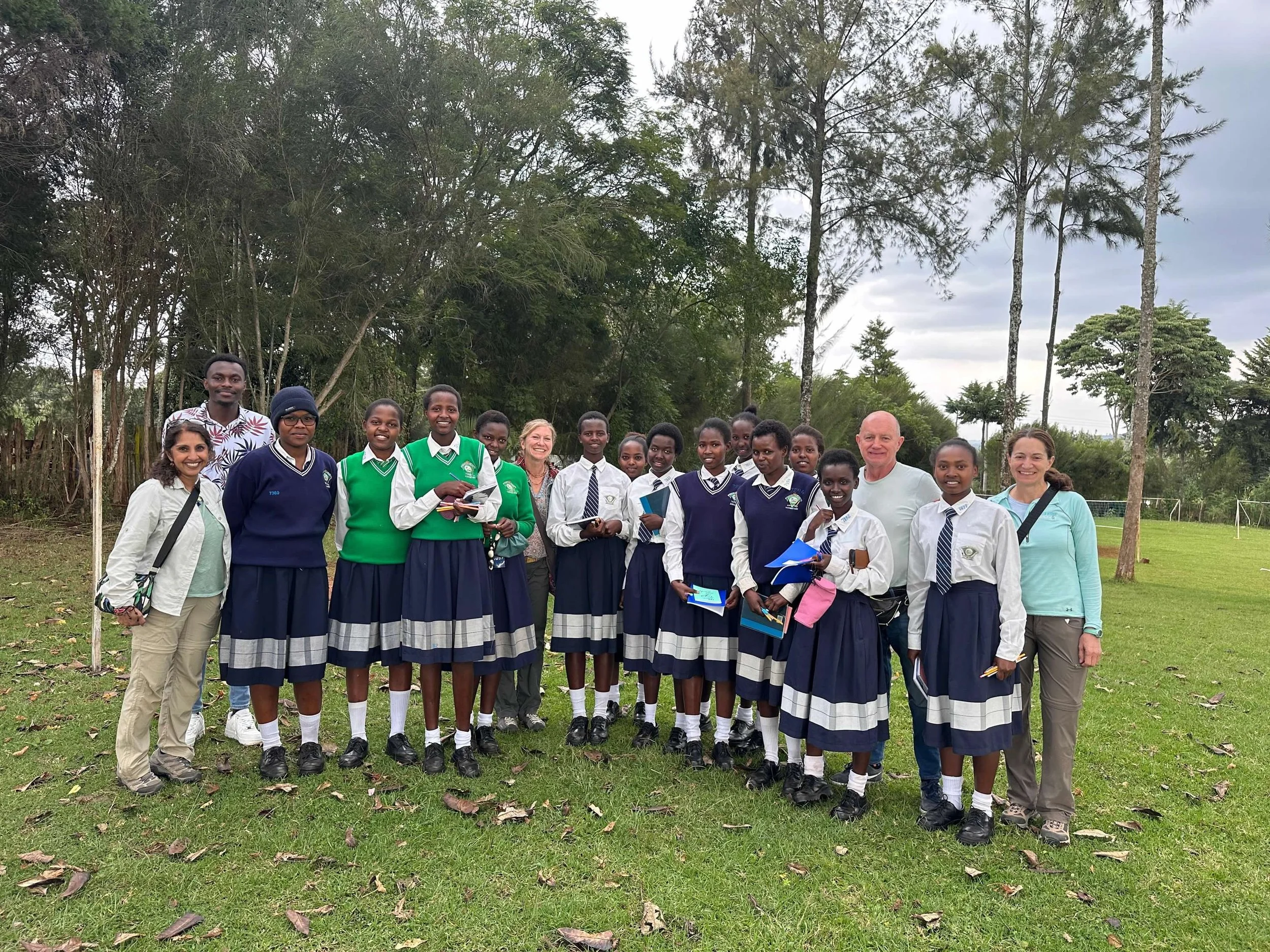
Kurunzi Fund sponsored girls at Gatero Girls’ High School with Kurunzi Fund volunteers
Our trip fees funded the garden work and paid for our trip expenses, so our accommodations were not places I’d recommend for the average traveler. However, they served their purpose for the goal of our trip, which was to spend time with the children in Suswa, Samburu, and the girls’ high schools. We spent our first two days outside of Nairobi, where we visited Nairobi National Park and saw tons of animals, the Sheldrick Wildlife Trust where we met adorable orphaned baby elephants, the Giraffe Center where we got up-close to the beautiful Rothschild Giraffes, and the Karen Blixen House (which I found only mildly interesting).
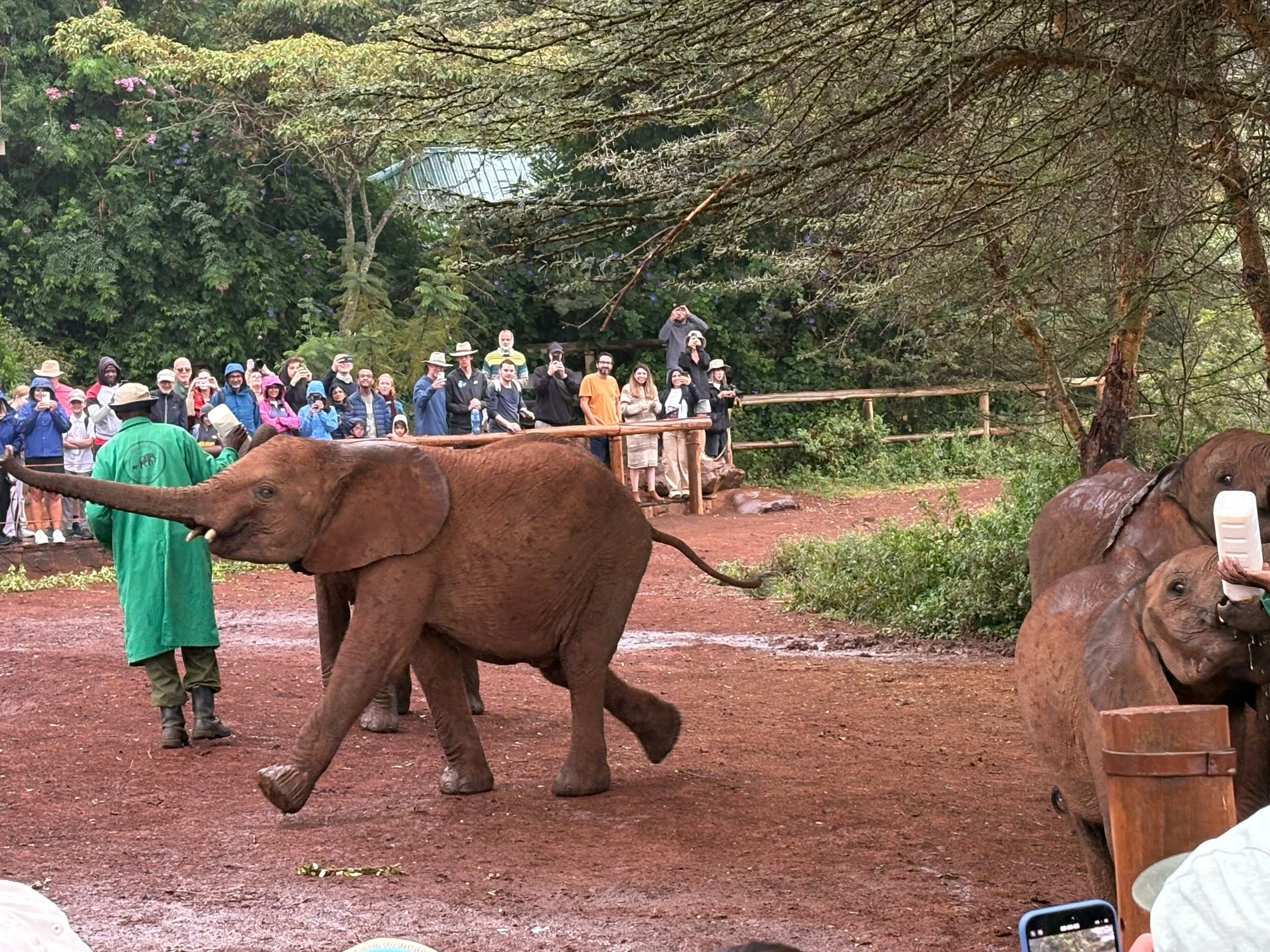
Baby elephants at the Sheldrick Wildlife Trust
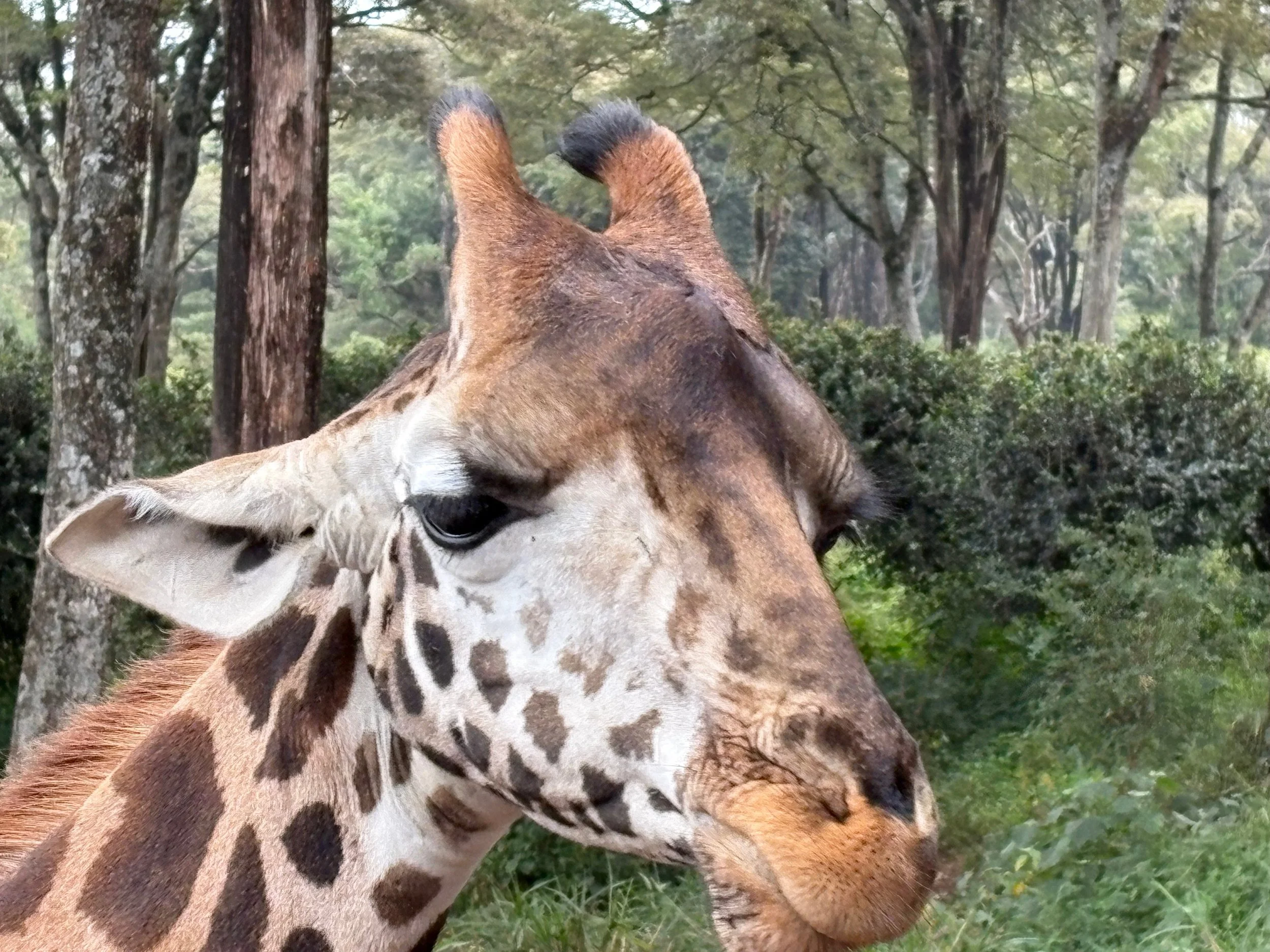
Up close at the Giraffe Center in Nairobi
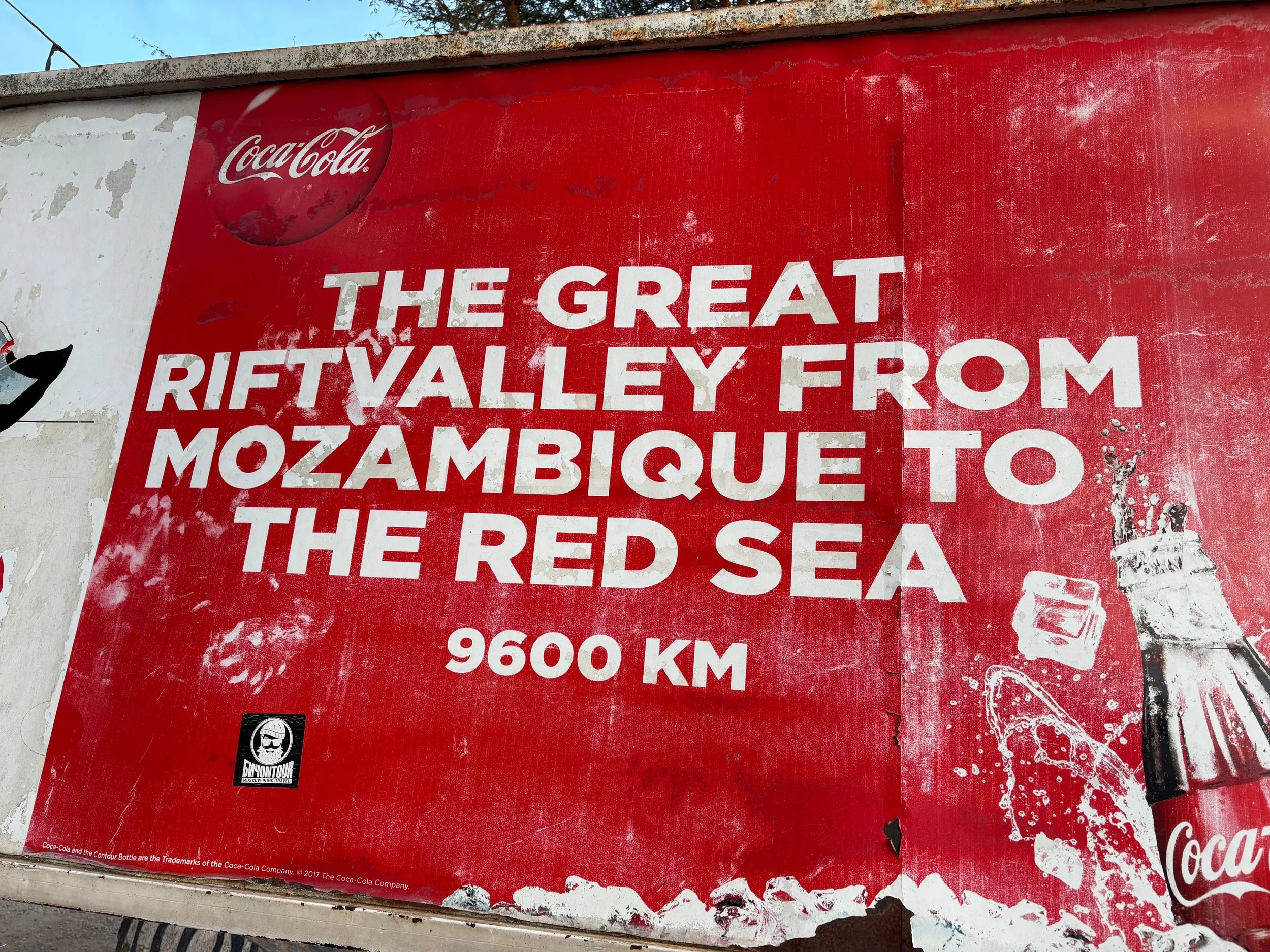
From Nairobi, we drove through the Great Rift Valley to Suswa, our home base for the next five nights. When our van pulled up to Suswa Primary School on the first morning, groups of children gathered shyly nearby. I pulled out my bubbles, blew gently on the dipstick, and like magic the children’s shyness eroded into shrieks of excitement as they jumped in the air trying to pop the floating bubbles. The kids’ happiness was infectious, and I don’t think I stopped smiling all week. At all times I had a pack of about fifty children following me, clamoring to hold my hands, teaching me dances, taking seedlings from my hands to proudly plant in their new vegetable garden. They laughed when I tried to pronounce the Swahili word for kale “Sukuma wiki”. They asked questions about schools in the U.S., shocked and saddened to learn that public education is free of charge, whereas their families struggled to pay their school fees.
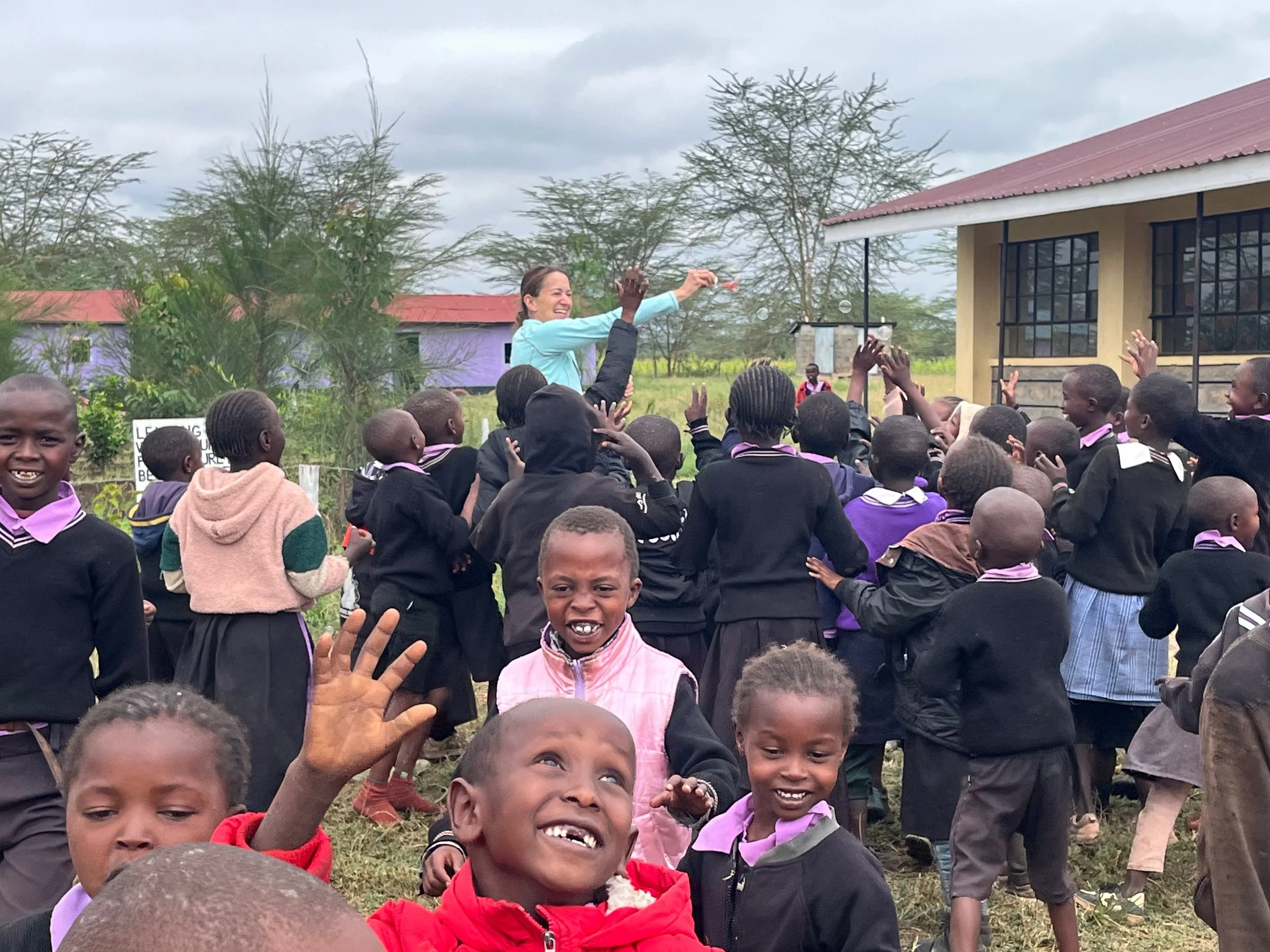
Blowing bubbles creates immediate joy for the children of Suswa Primary School
During a lunch break one day, I was sitting in the van eating a granola bar while a group of boys looked on from the school yard. I encouraged them to go eat their lunch and we’d play afterward. They didn’t move. I repeated my suggestion, to which one boy replied, “we don’t have lunch.” The other volunteers and I spoke to the group leaders, who spoke to Principal Leah. Leah confirmed that the majority of the students could not afford to bring lunch and that the government had stopped providing food a long time ago. We knew we could not in good conscience leave Suswa knowing that these kids were going hungry every day. Kennedy did some quick research, and learned that for only $2.80, we could feed a child for an entire month. For a school of about 600 children, we would need to raise $1,750 per month to supply maize and beans to the school. The school agreed to supply the firewood, and the teachers agreed to cook, adding in greens from the growing garden we had helped plant. We volunteers committed to raising the funds. Look at the results! School attendance has remained at an all-time high since starting the lunch program. Teachers report that students are staying awake and in school all day, whereas before they would often fall asleep or go home due to hunger. Engagement in learning has improved. New students are registering for school because they know they will be fed. And we learned from Samburu Girls’ Foundation that the key to combatting child marriage and FGM is keeping girls in school. To donate to help us keep this program going, click here: https://givebutter.com/r7f0OT.

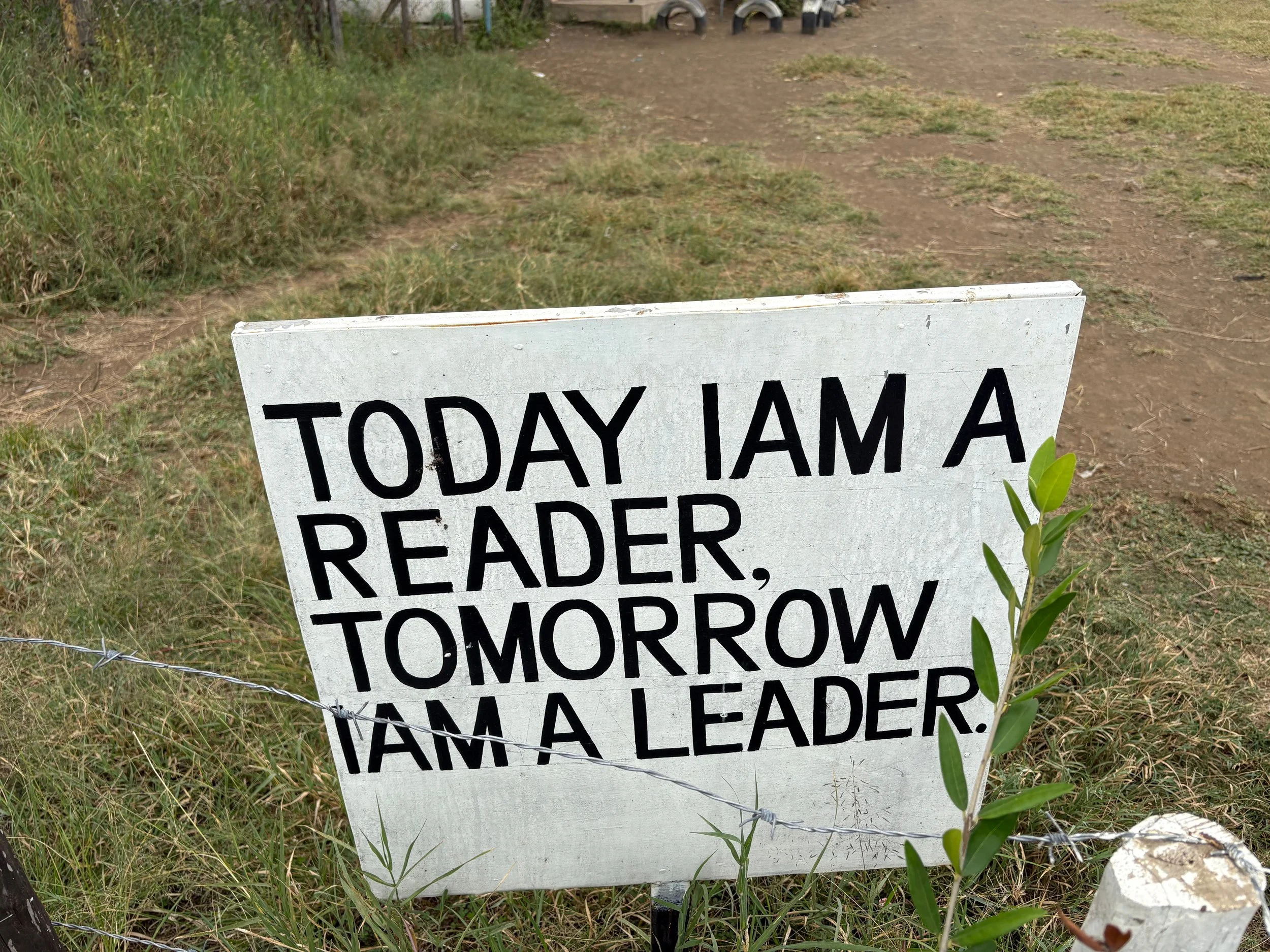
Principal Leah and Head Teacher Collins pose by one of the inspiring signs they made for their school grounds at Suswa Primary School
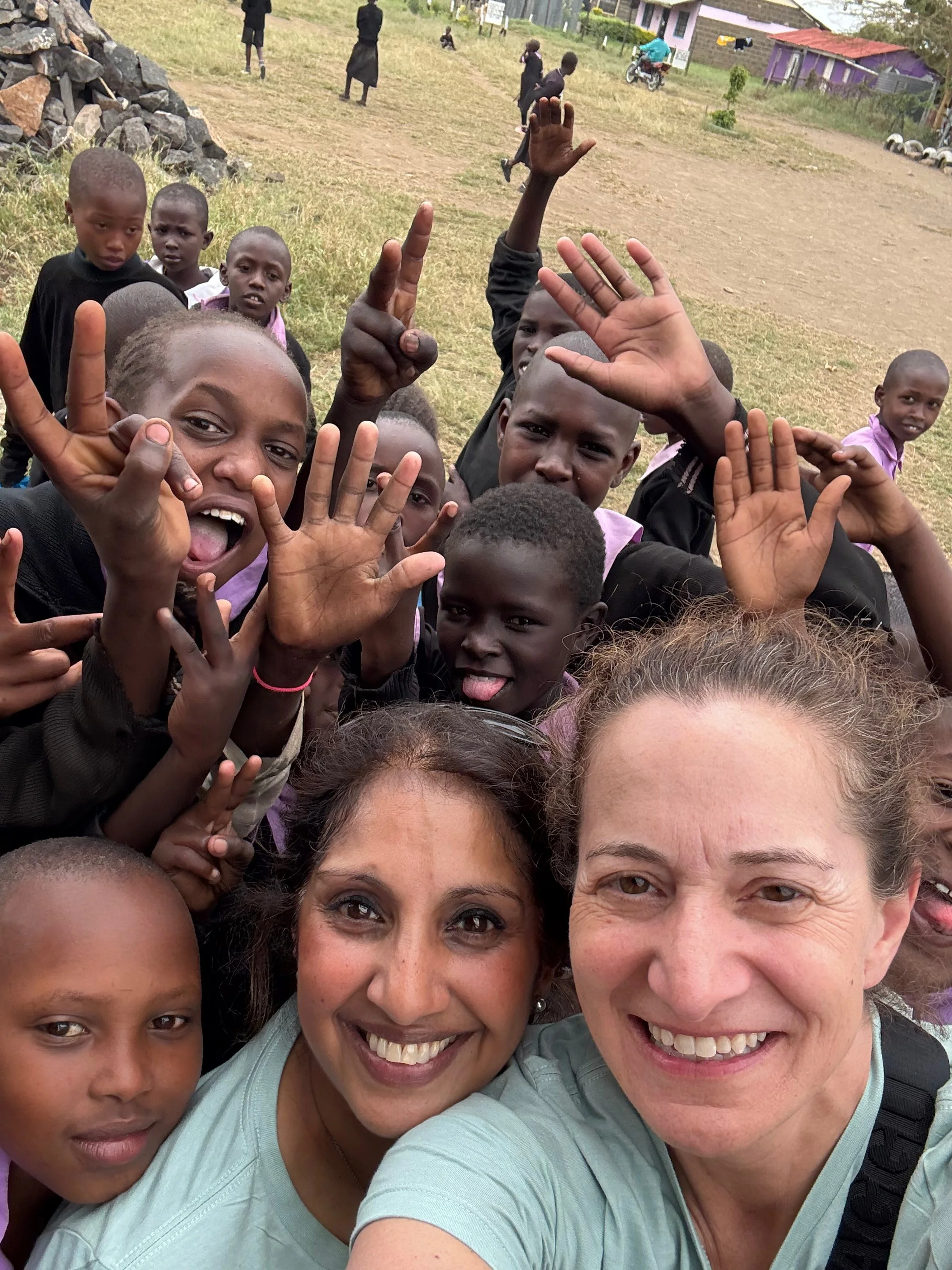
Sonia and I made so many new friends
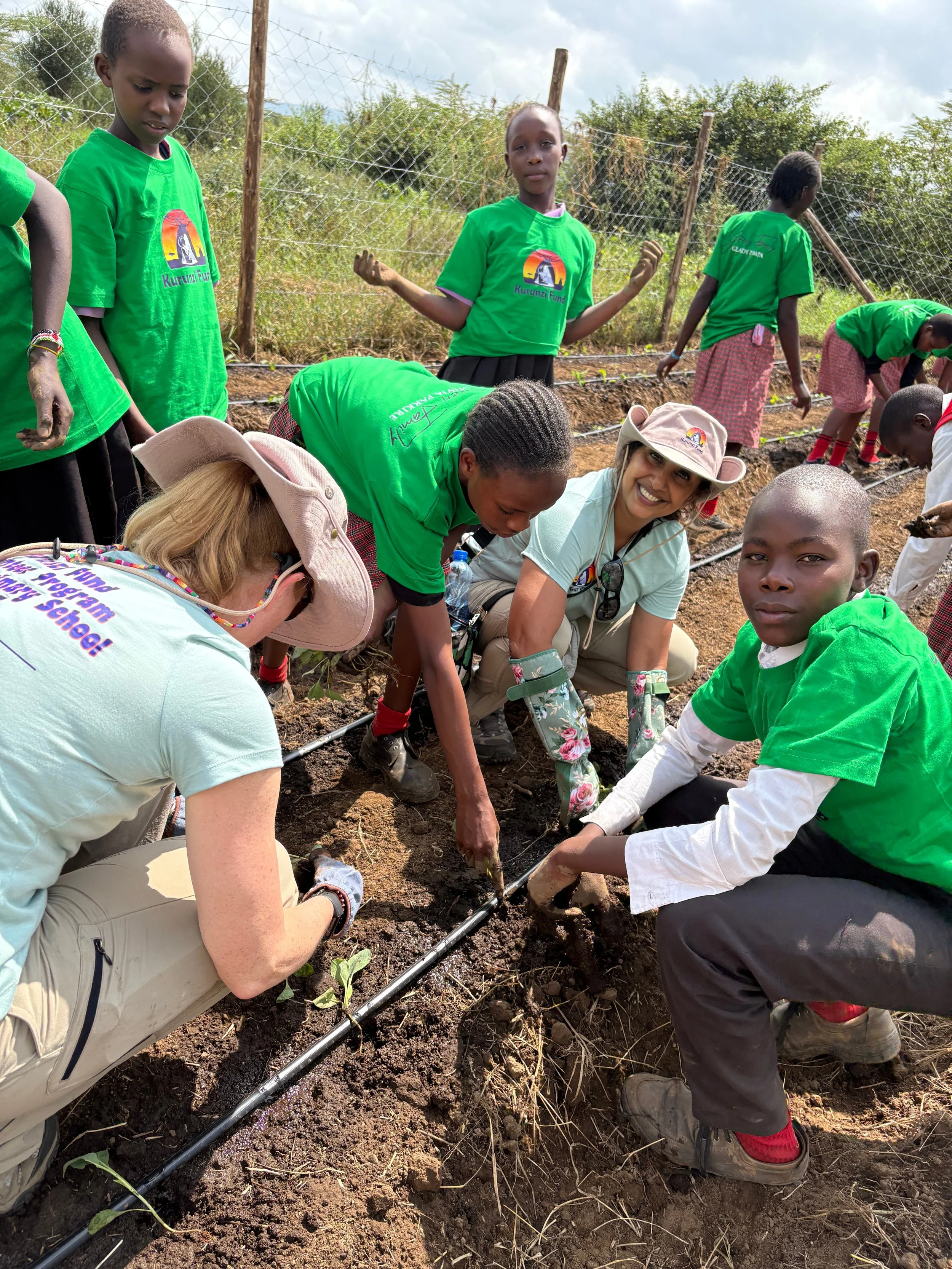
Kurunzi Fund volunteers plant a school vegetable garden alongside students who have been selected to be part of the Green Family Club, responsible for caring for the garden
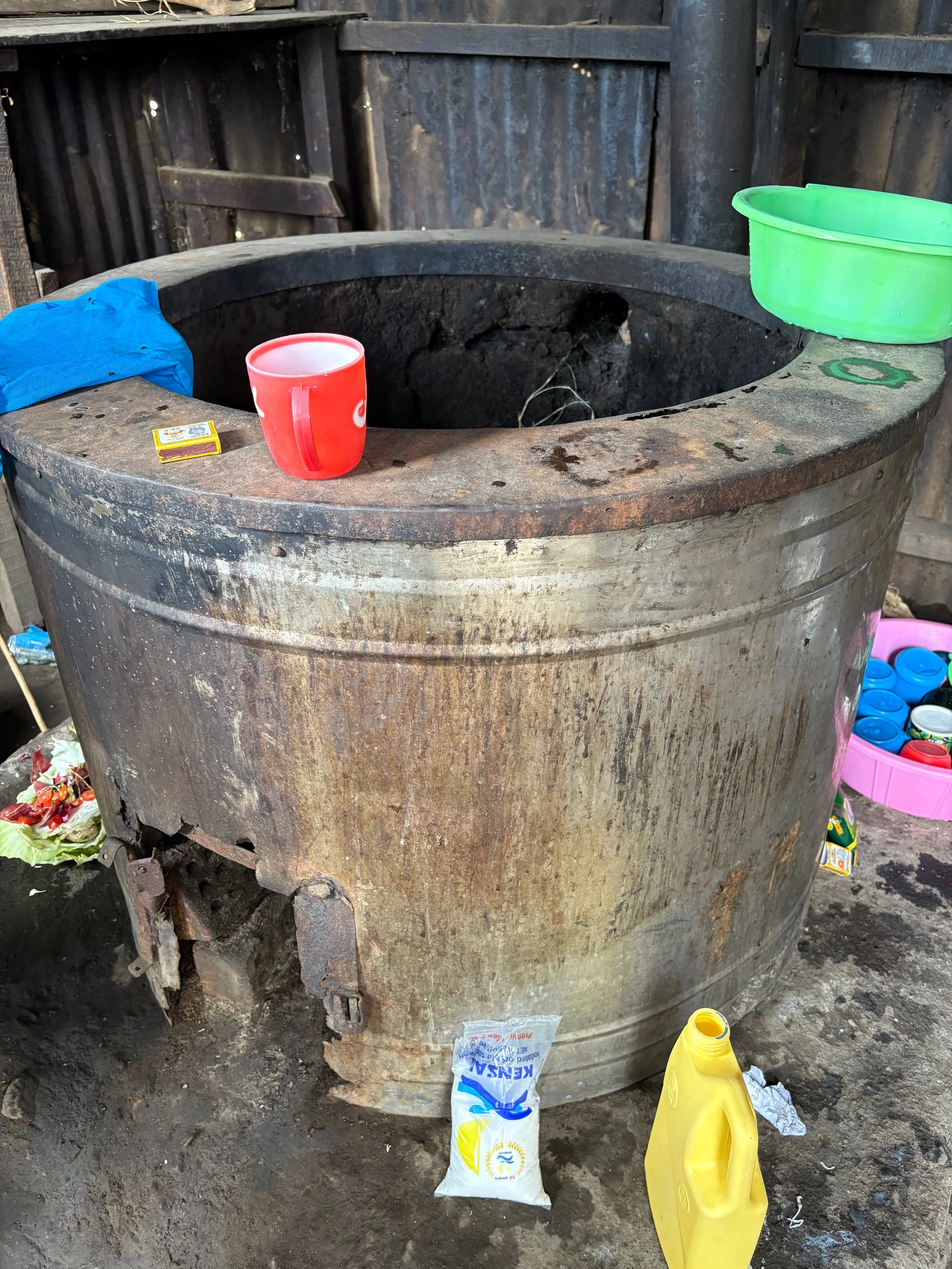
The stove on which the teachers cook the students’ lunch at Suswa Primary School
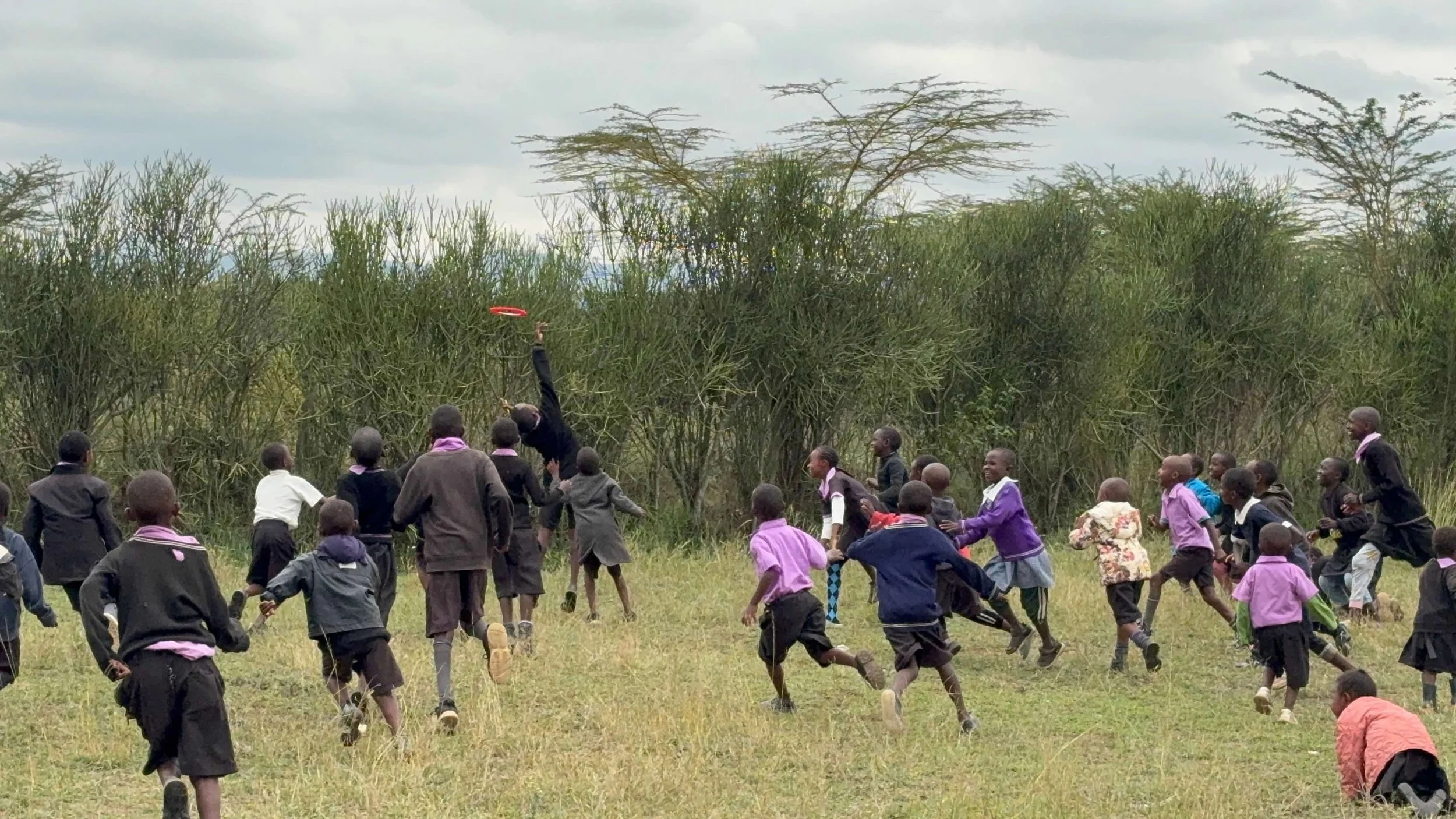
The kids loved the frisbee we brought with us
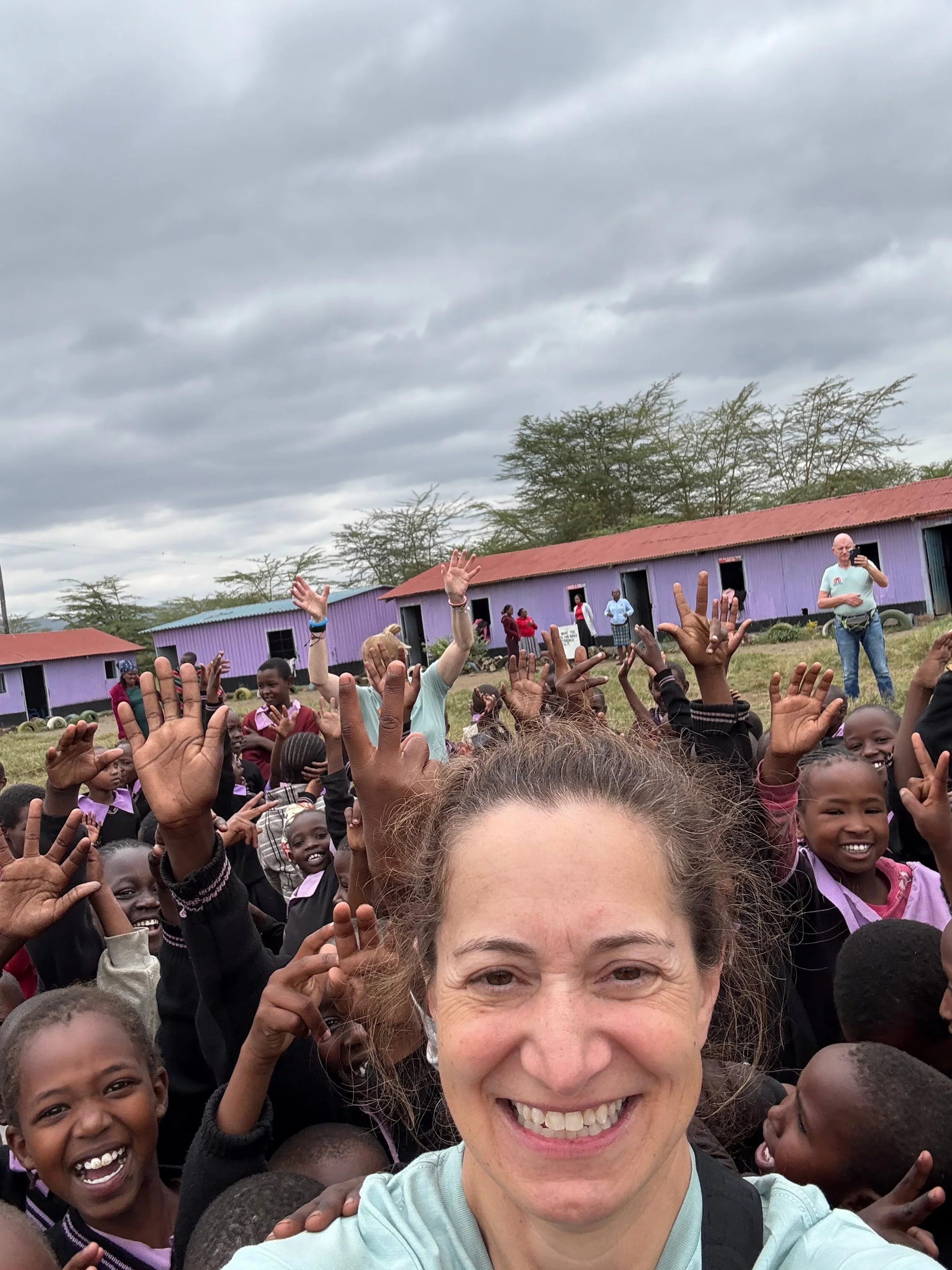
Hundreds of dancing, laughing children - it’s impossible not to smile wide
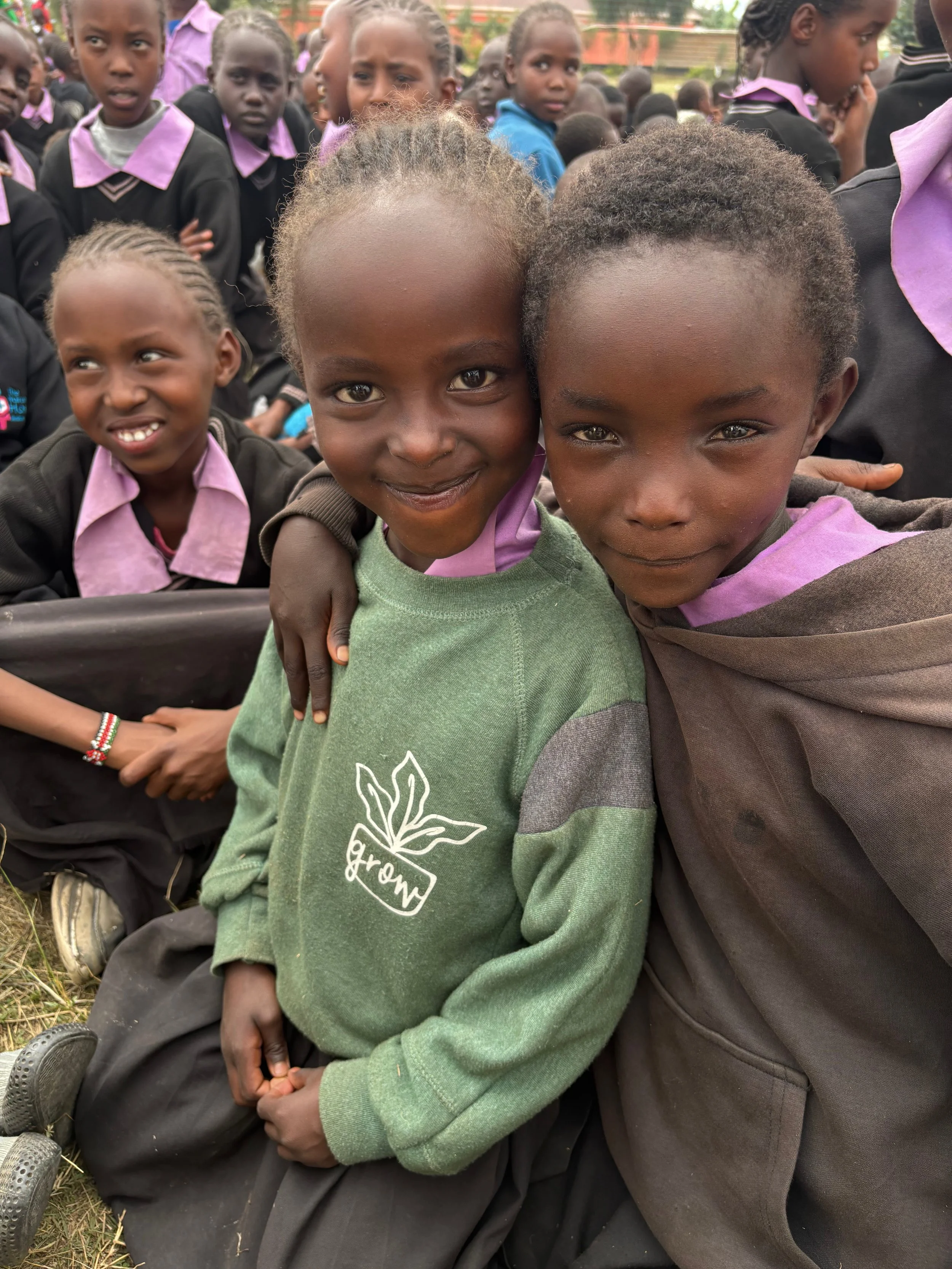
We were sad to leave our new friends in Suswa, who held a goodbye ceremony and presented us with Maasai blankets and beaded jewelry. We hugged the kids and set off for the Maasai Mara, where we spent a day and a half on safari observing Kenya’s incredible wildlife. After the Maasai Mara, we headed to Lake Naivasha, famous for its hippos. We took a boat ride to Crescent Island, where we did a walking safari, a refreshing change from being inside the van. It was amazing to stroll around the island and be so close to the giraffes. In a similarly freeing experience, we rented bikes and cycled through nearby Hell’s Gate National Park. Biking by grazing zebras was definitely a first for me! We ended our day with a soak in the hot springs at Olkaria Geothermal Spa, which was not only relaxing, but super fun because the other visitors were all Kenyans, so we felt like we had a true local experience.
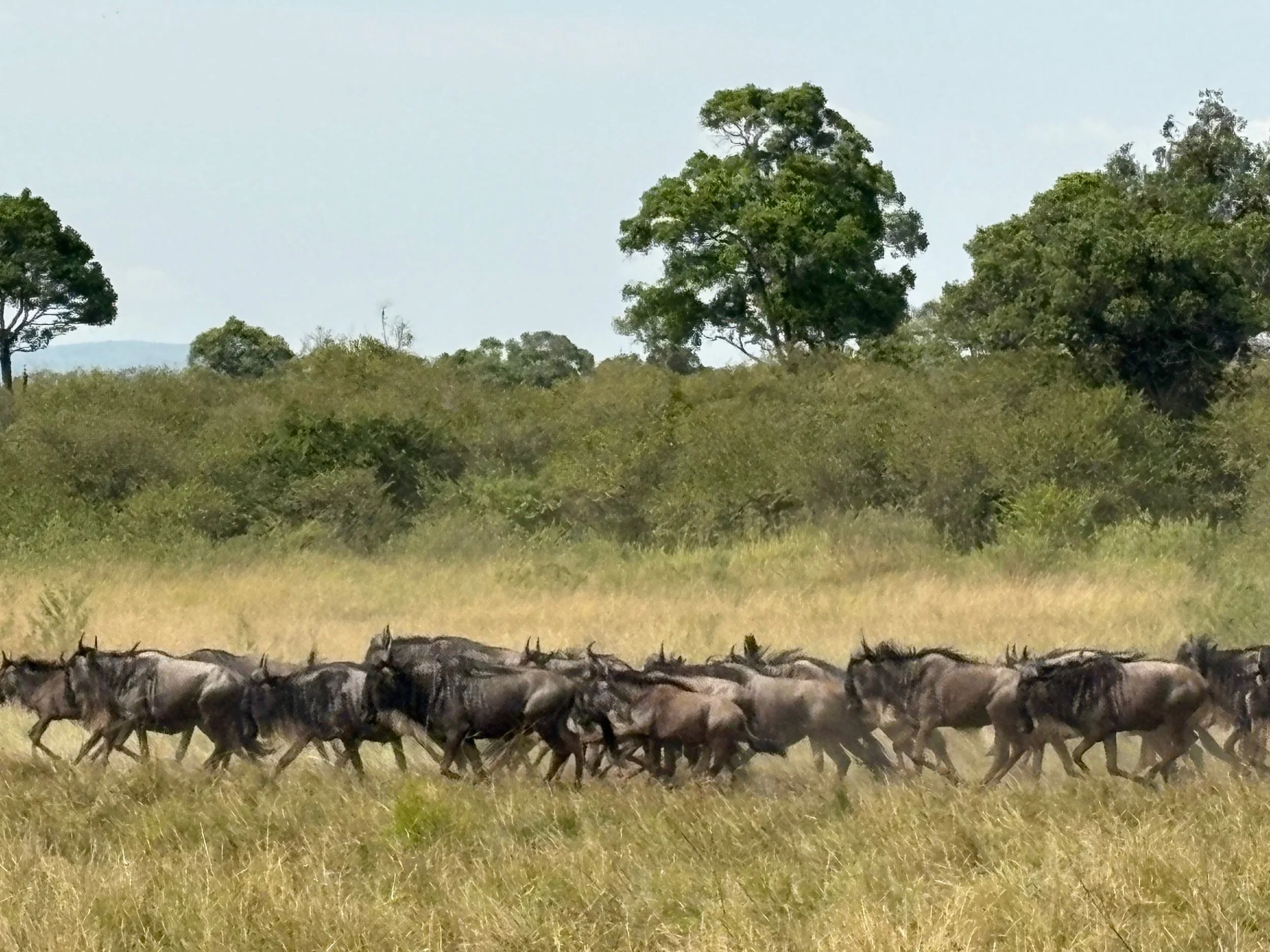
The wildebeest migration in the Maasai Mara, Kenya
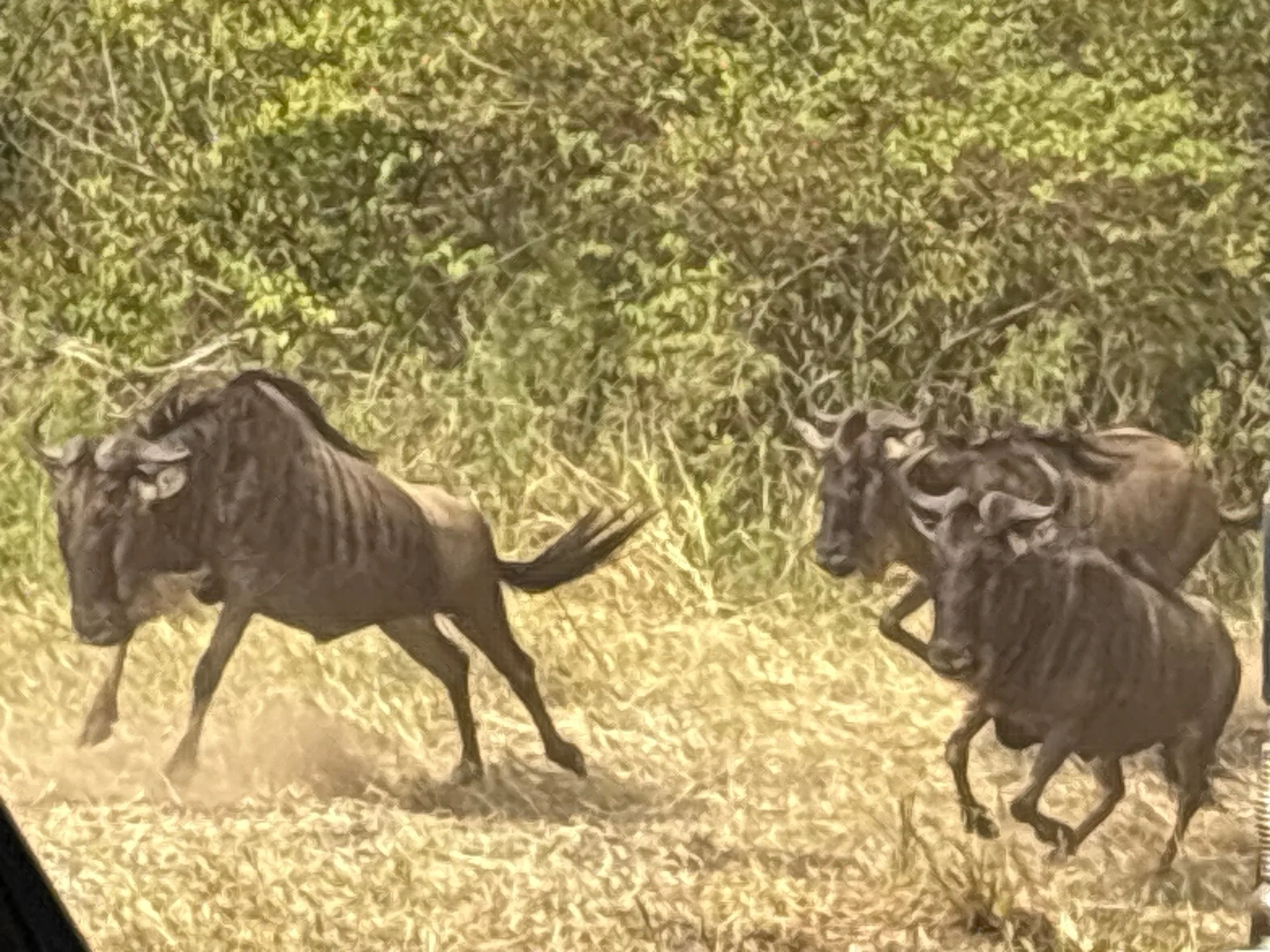
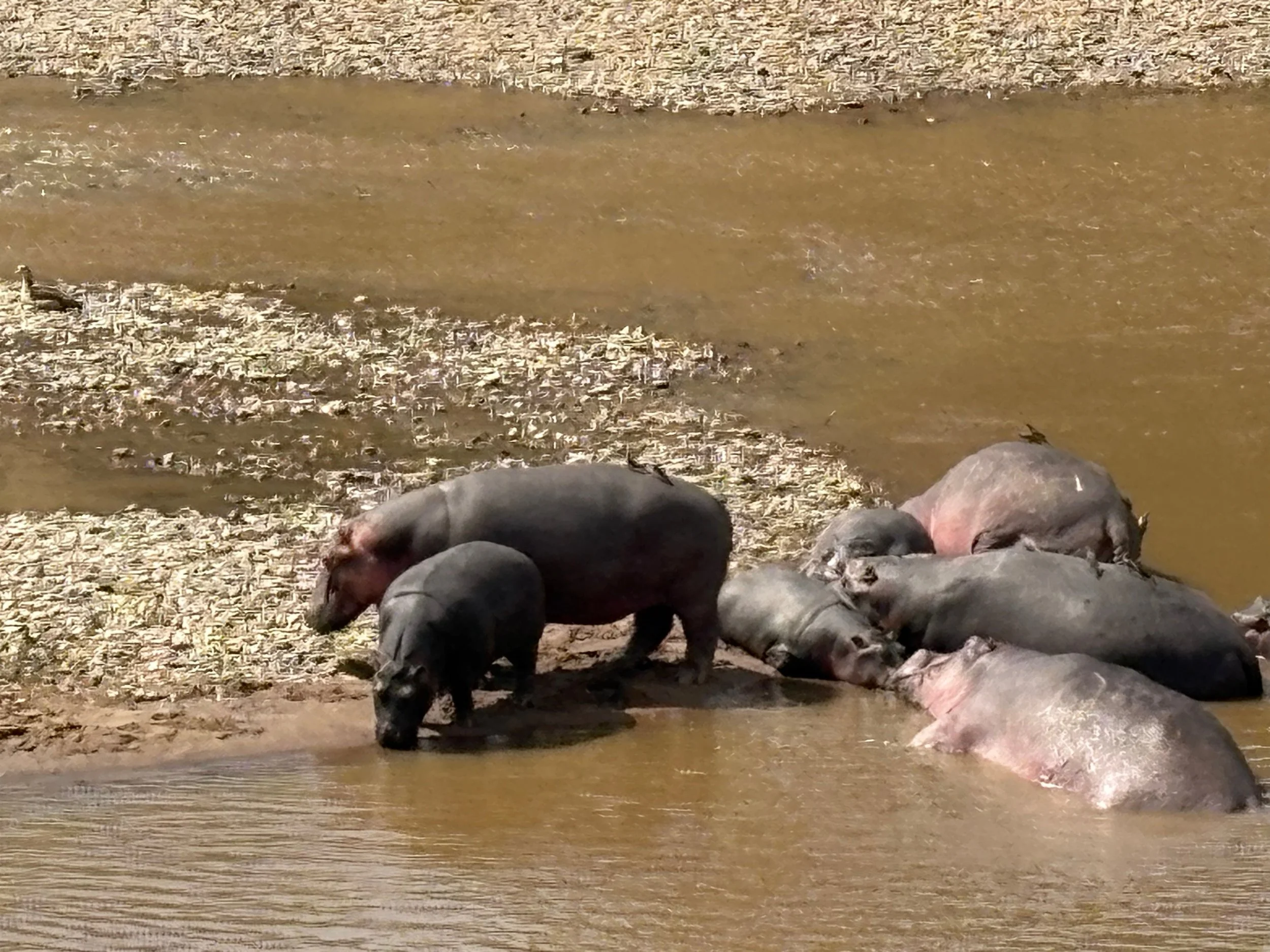
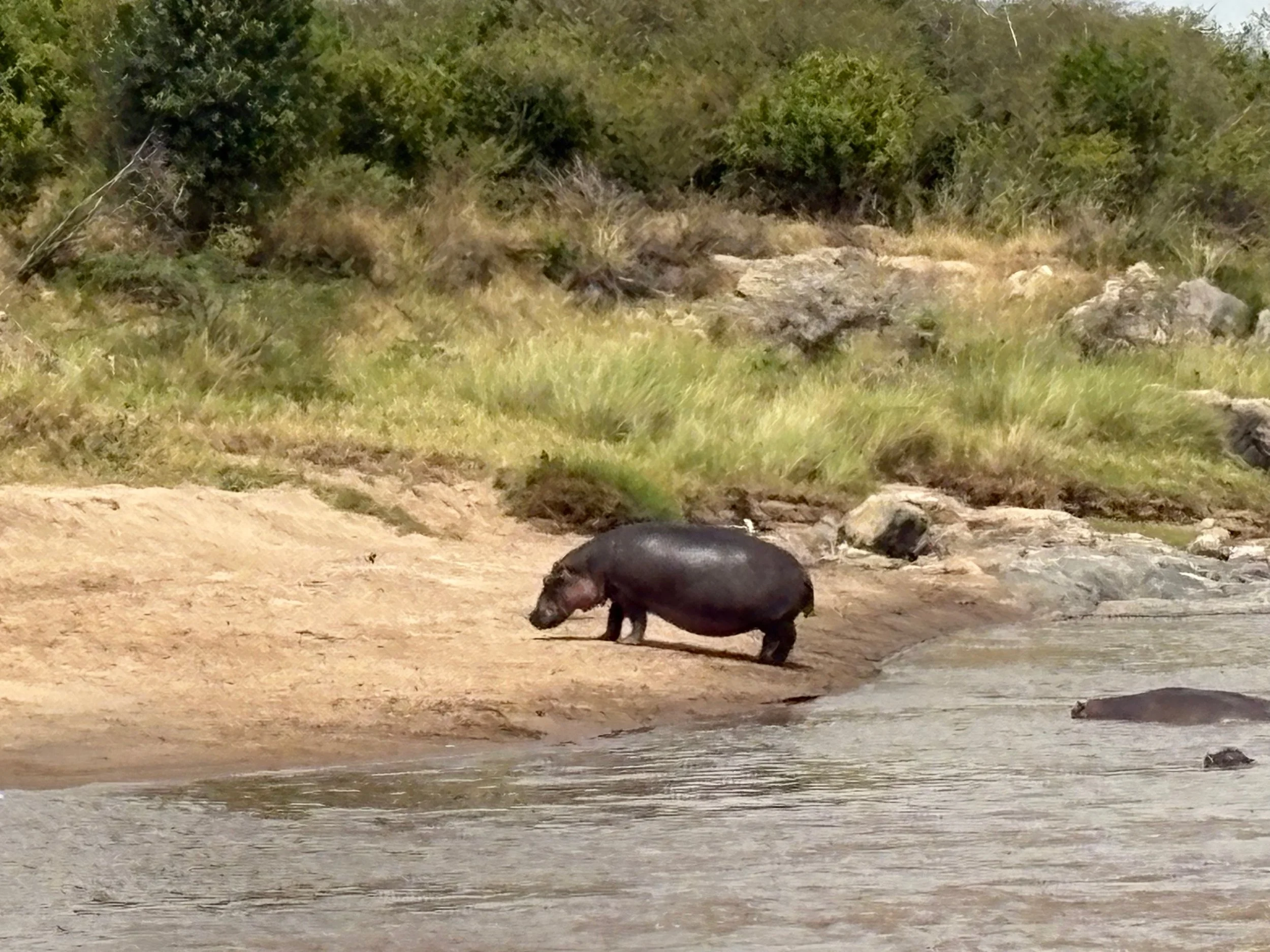
Africa’s most dangerous animal, the hippopotamus
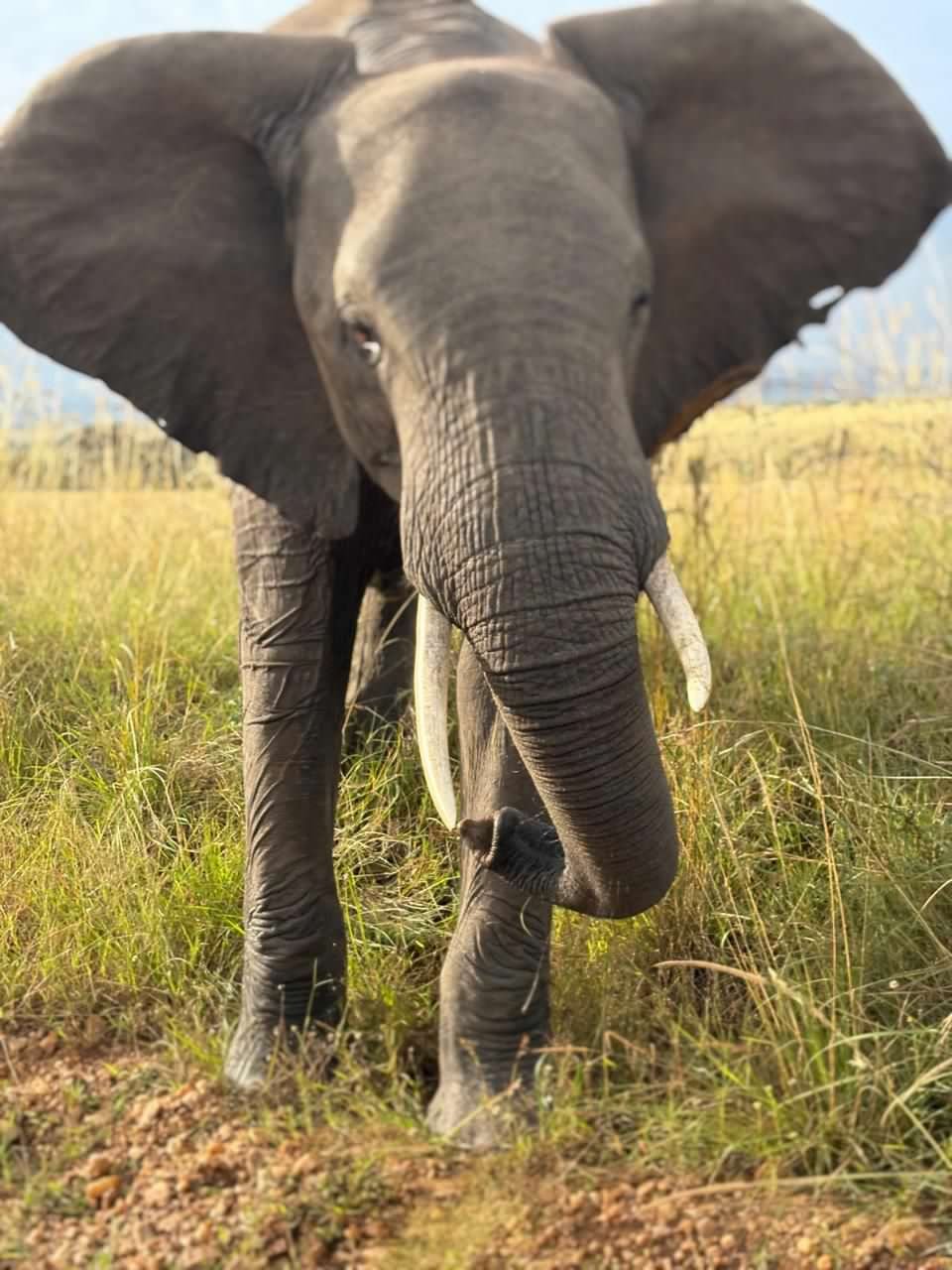
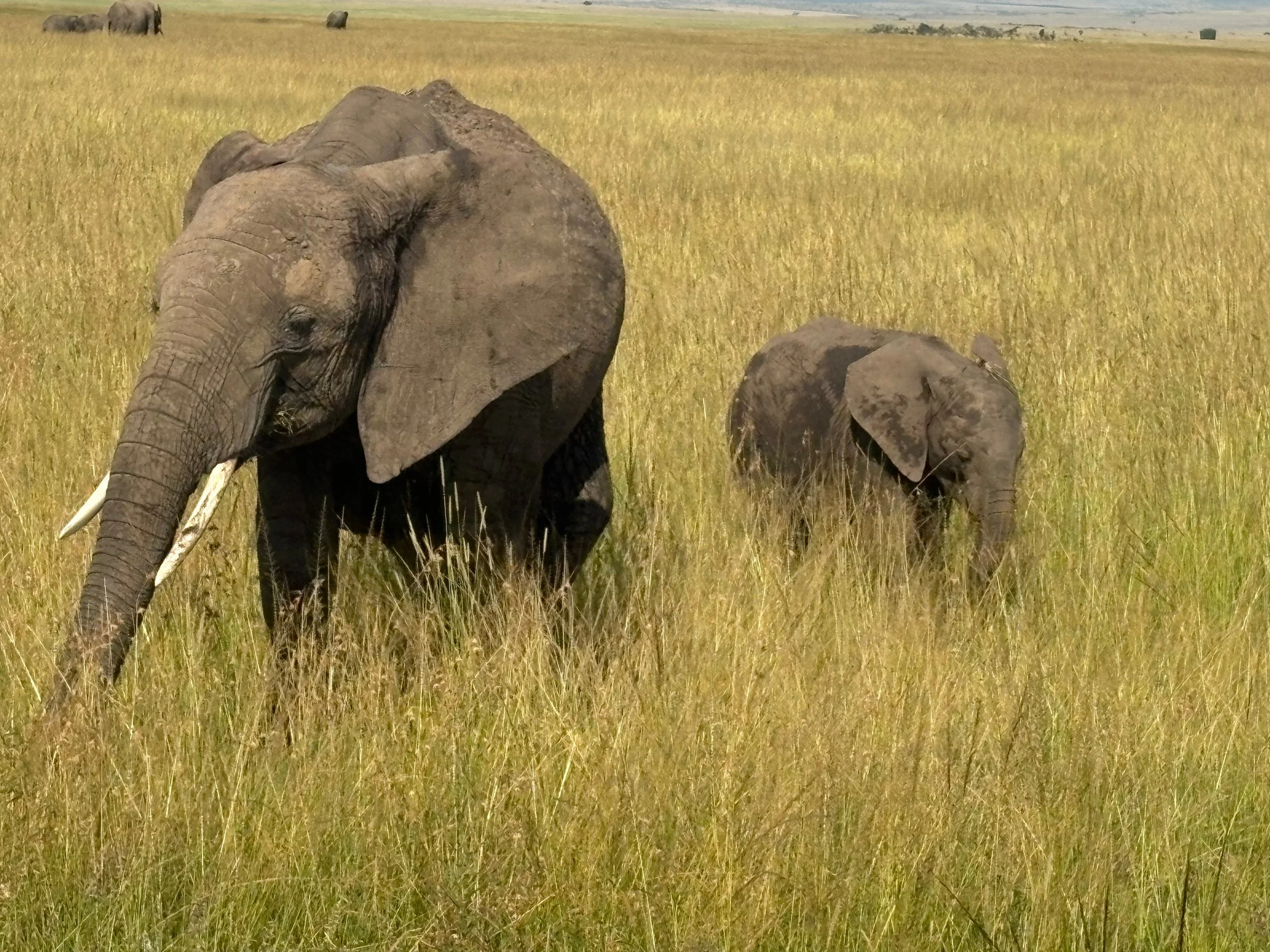
A majestic African elephant
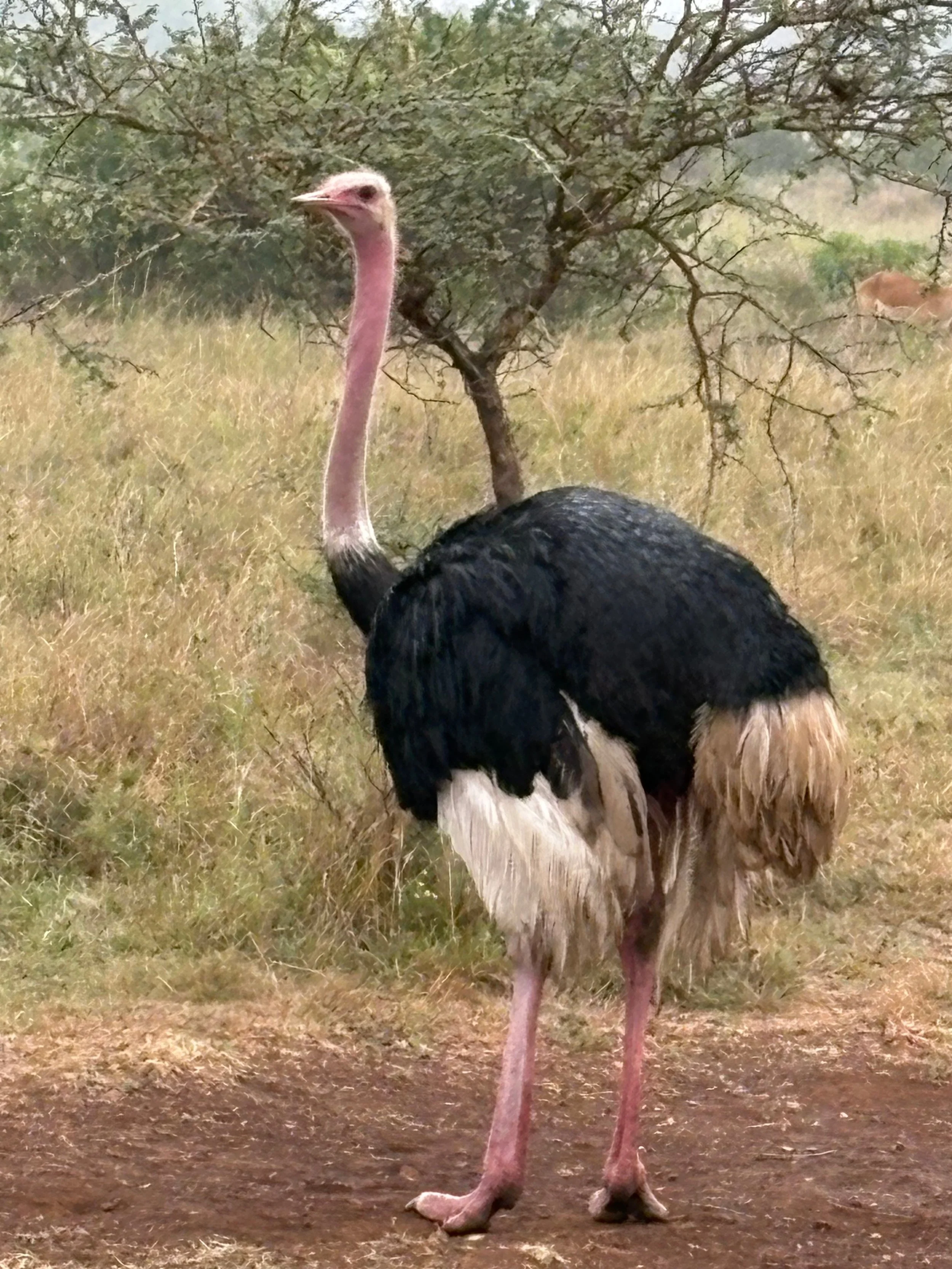
An ostrich in the Maasai Mara
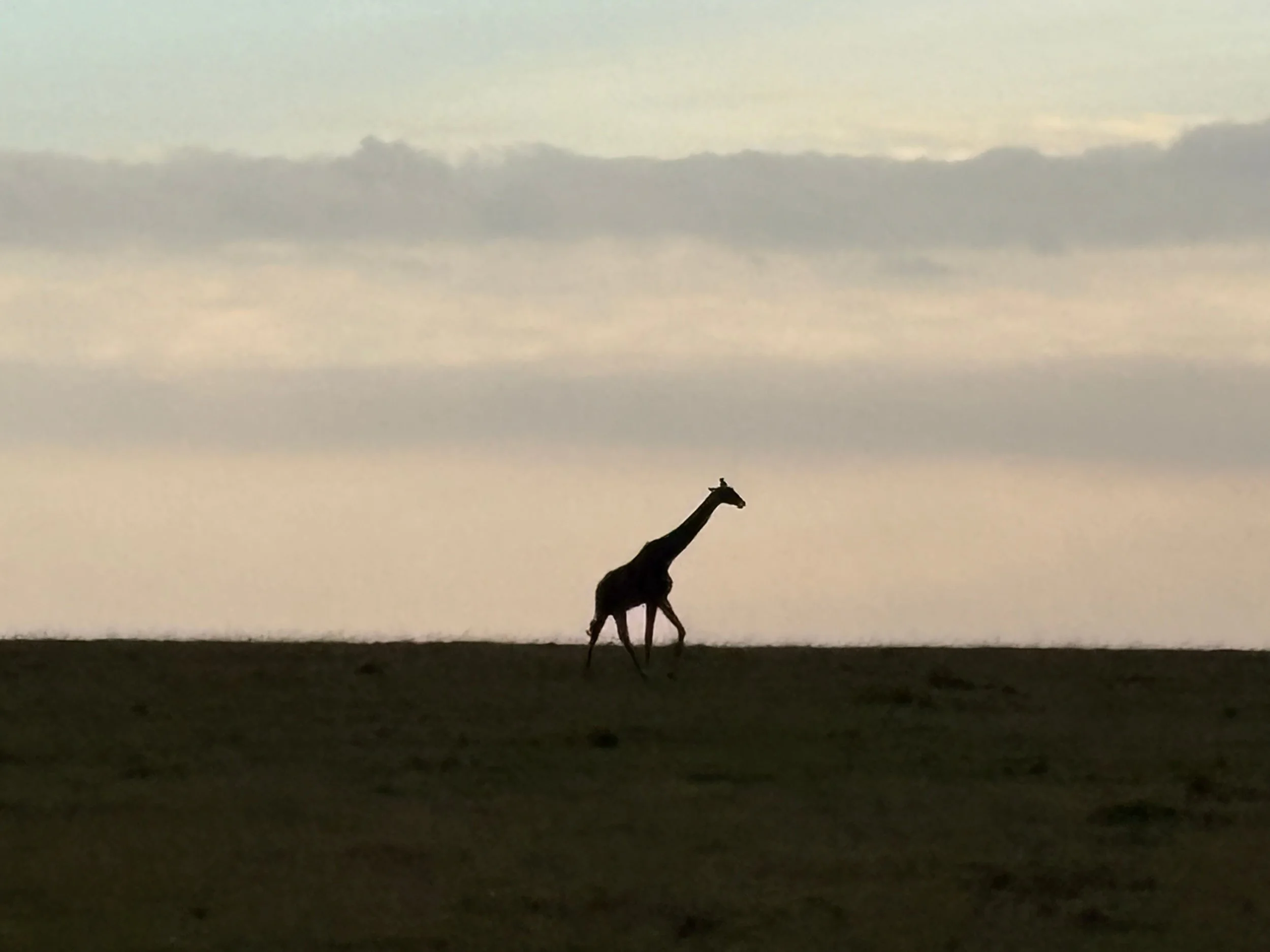
A lone giraffe at sunset in the Maasai Mara
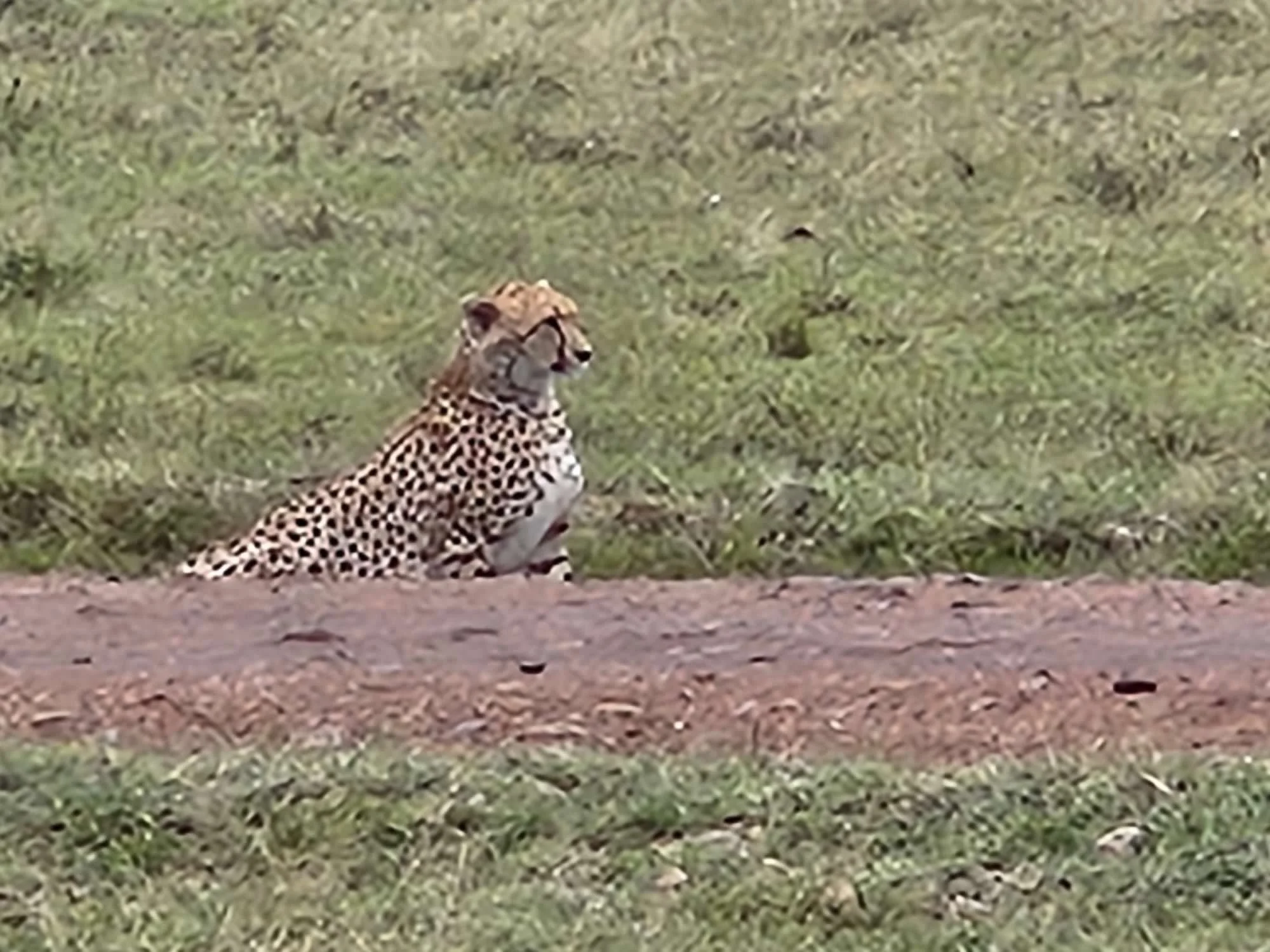
A leopard siting is always thrilling, because usually in daytime they are napping discretely in the trees
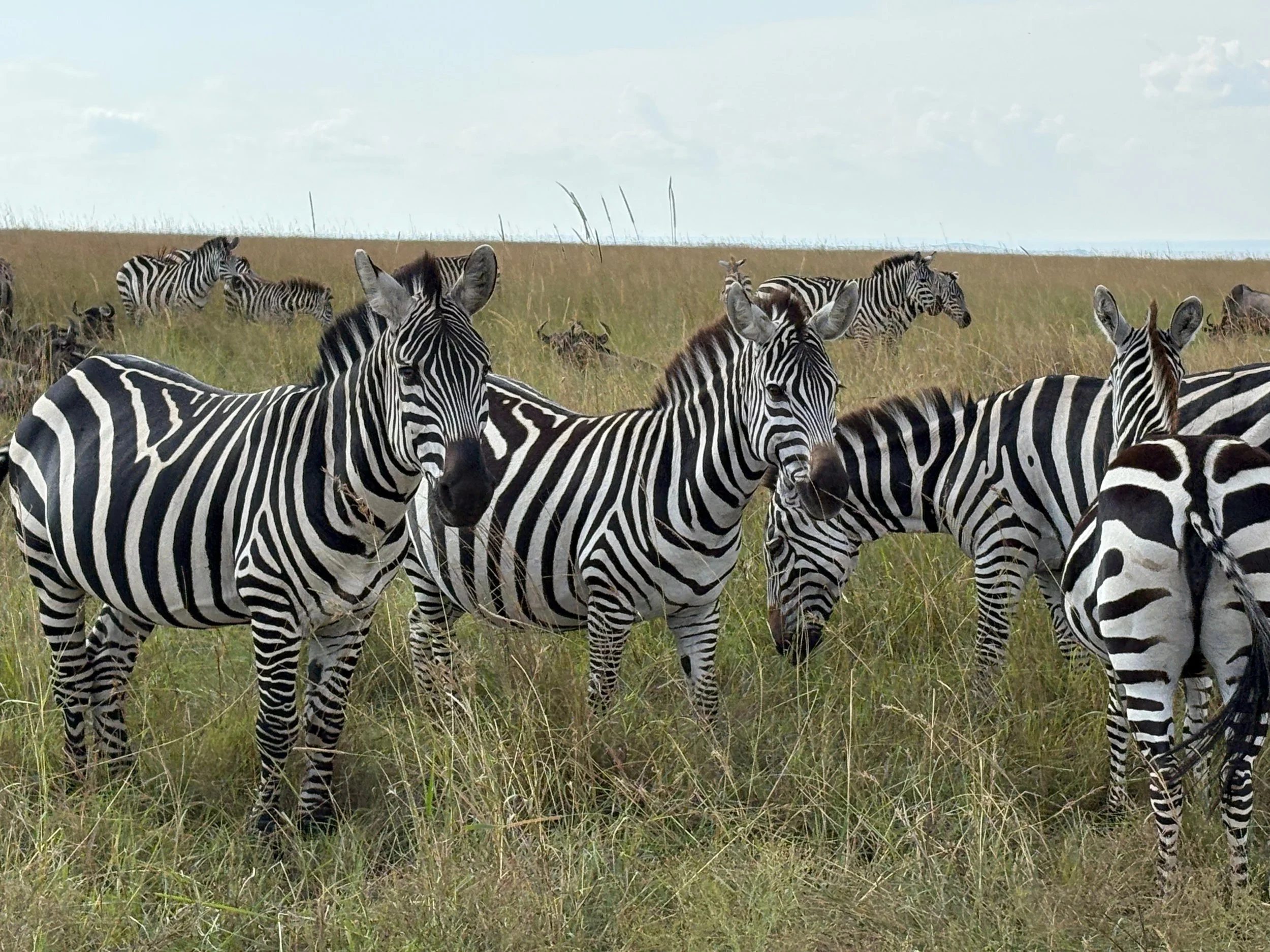
A dazzle of zebras
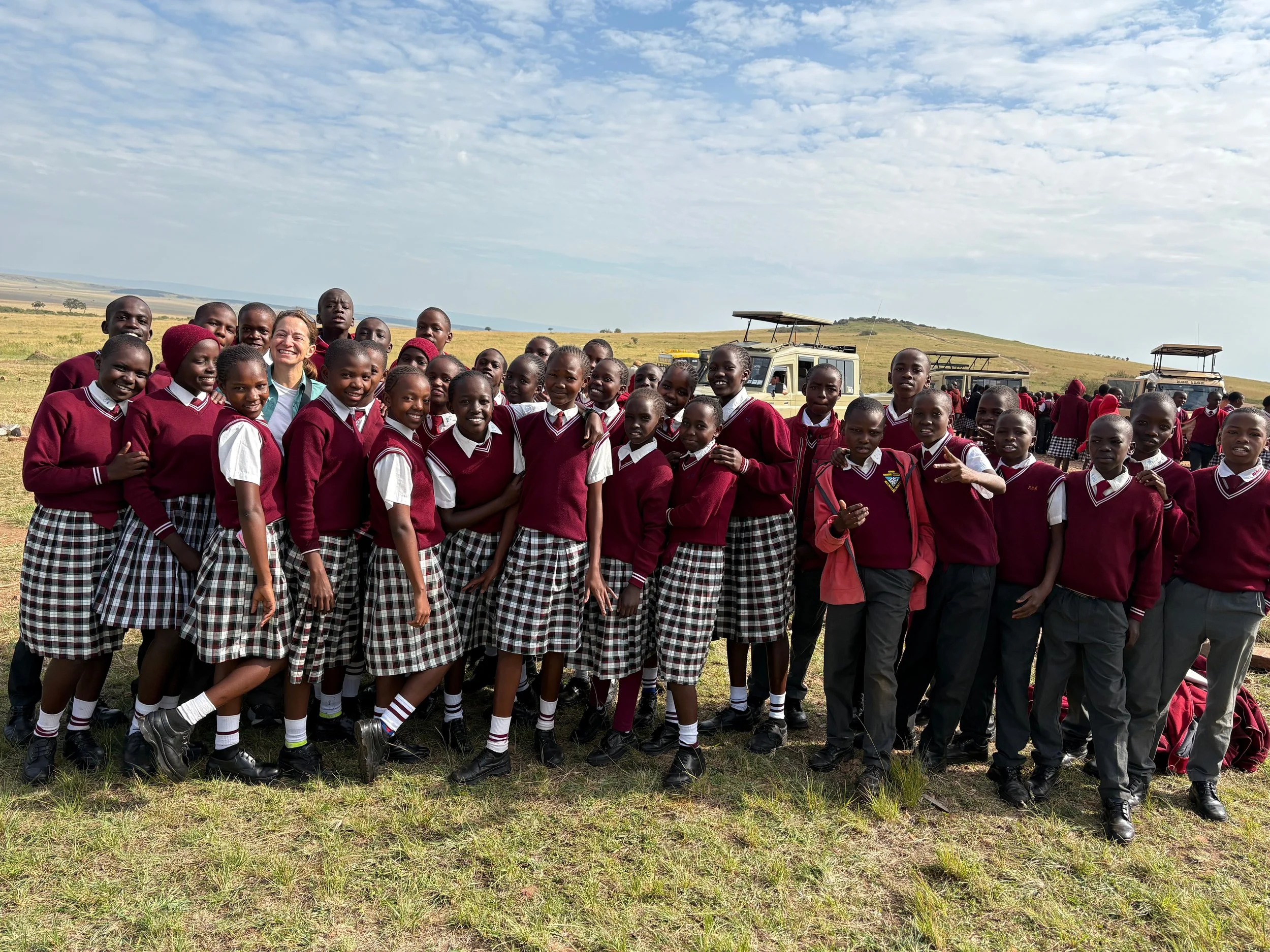
This class’s teacher asked if I would join their field trip photo. When I asked why would she want me in their photo, she replied with a smile, “because we love you!”
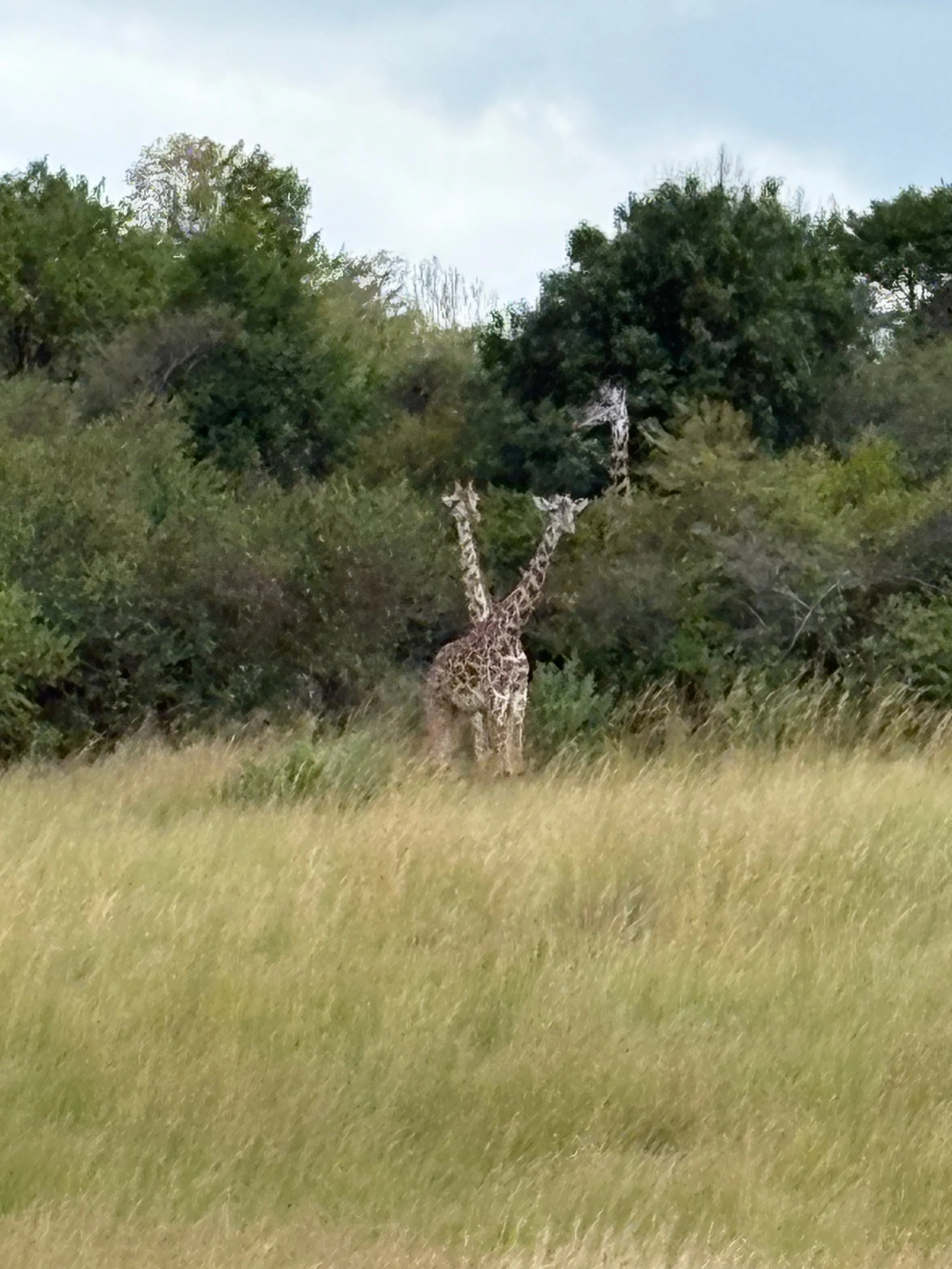
Elegant giraffes
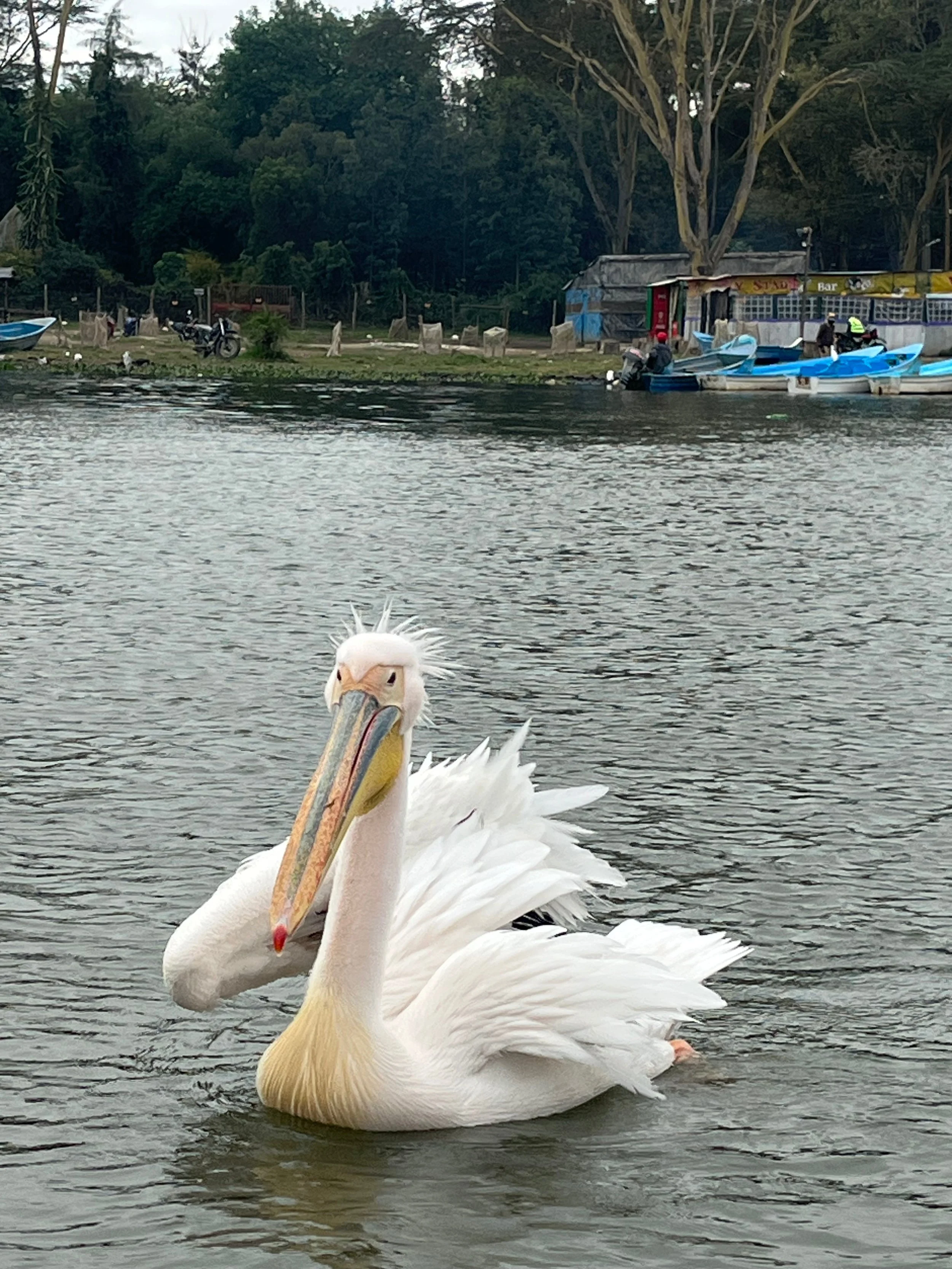
A Great White Pelican on Lake Naivasha
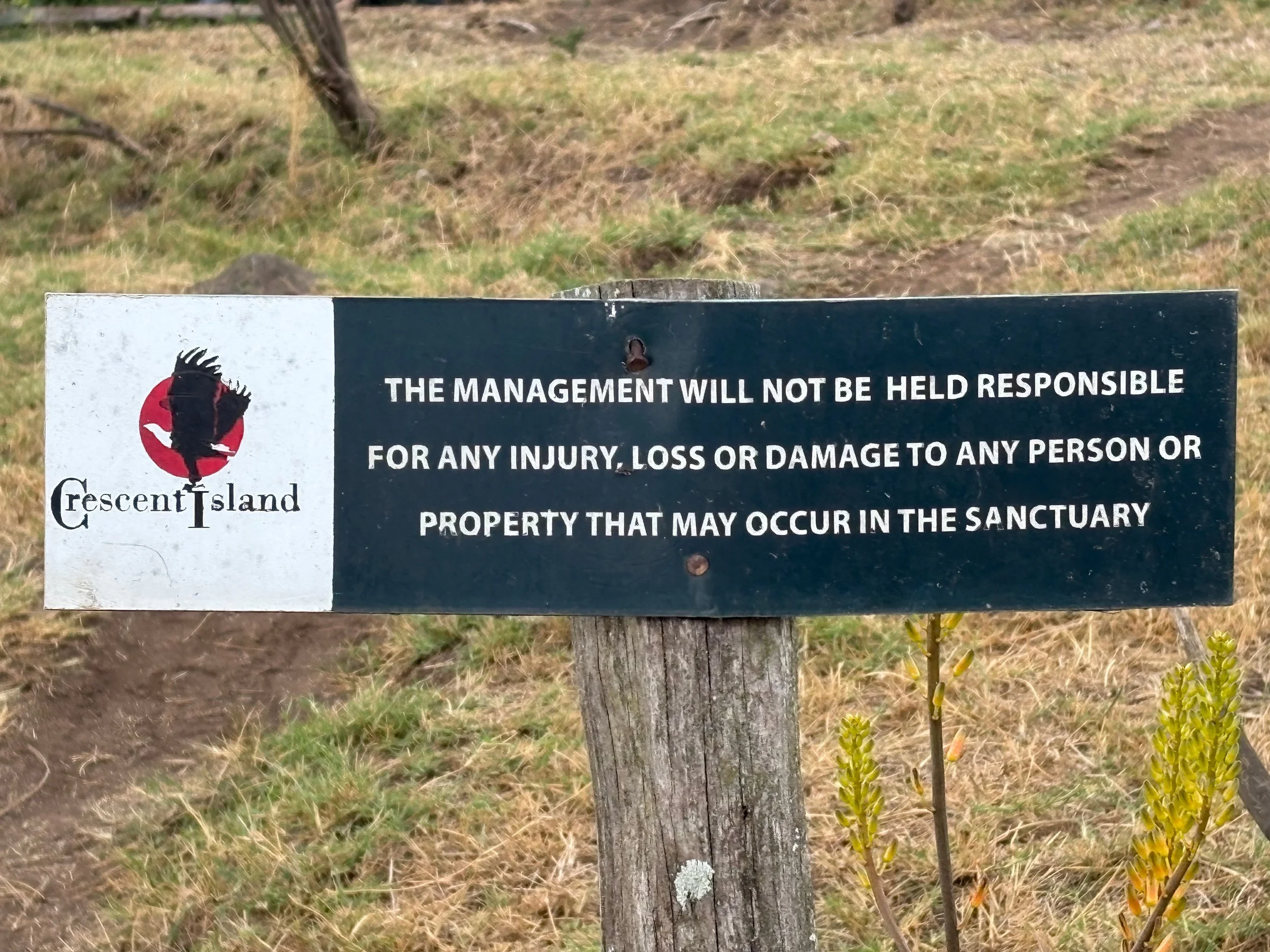
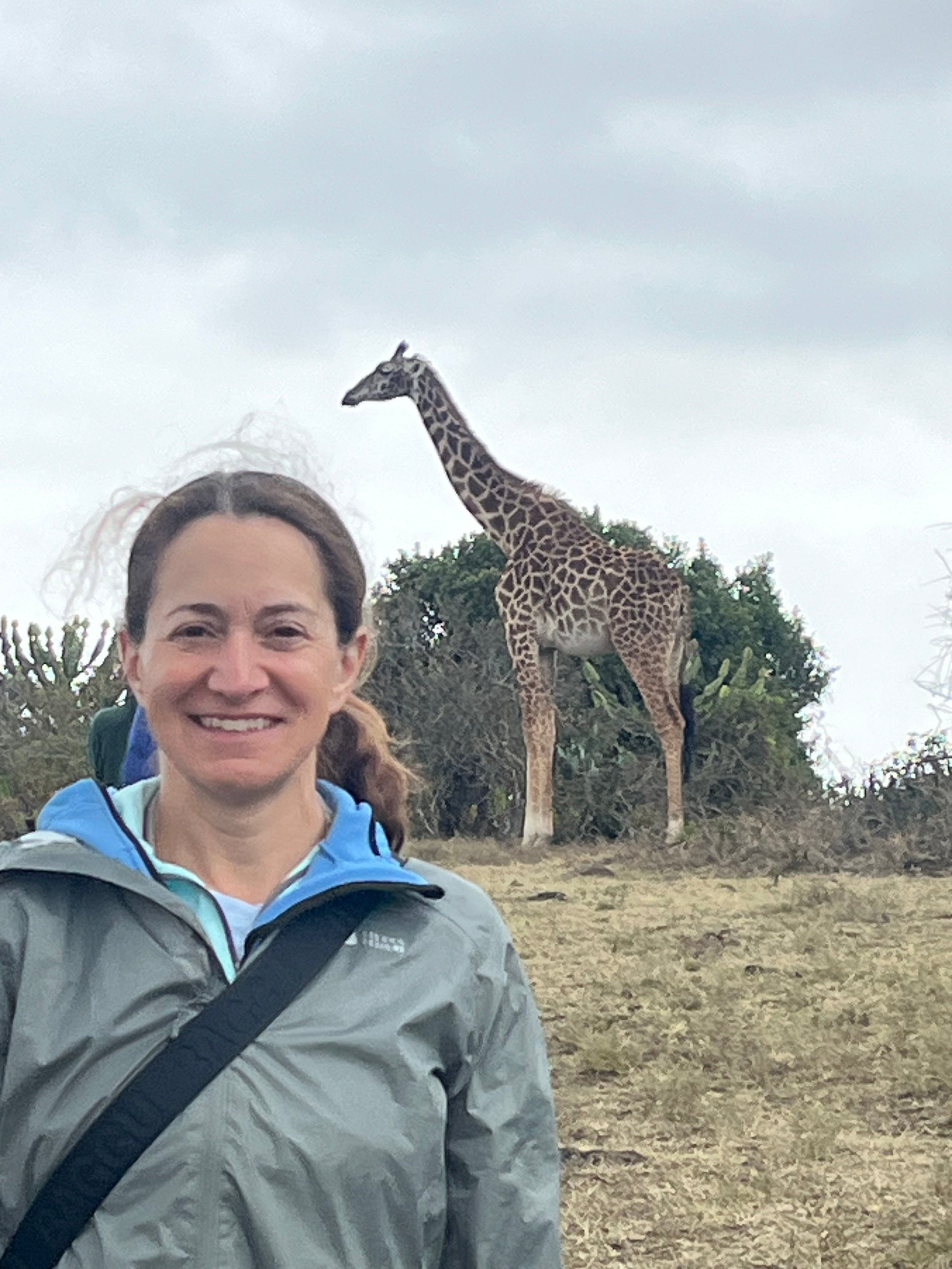
On a walking safari around Crescent Island

Kids by the side of the road happy to receive our uneaten lunches

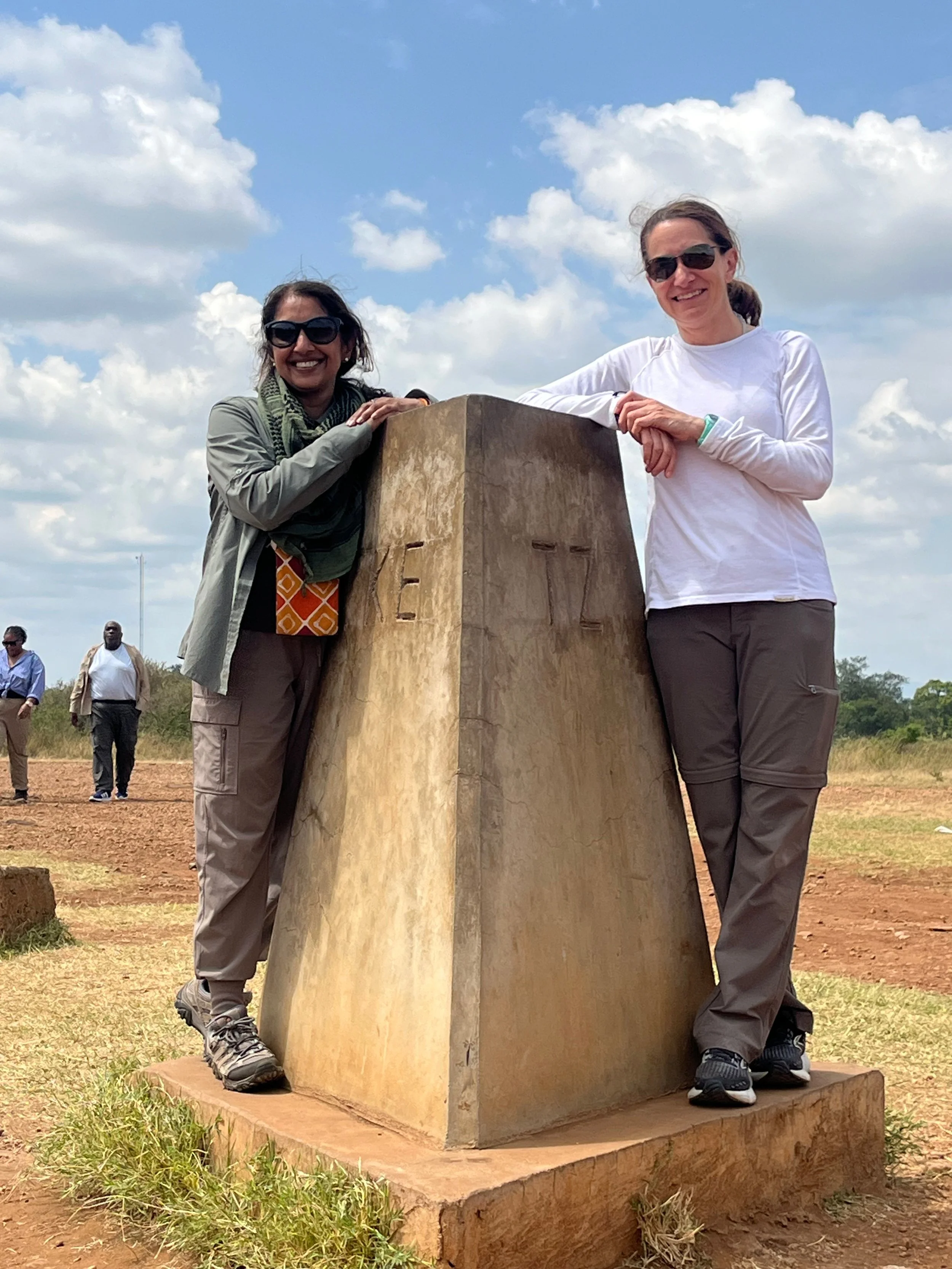
Sonia and I standing at the boundary of Kenya and Tanzania in the Maasai Mara-Serengeti
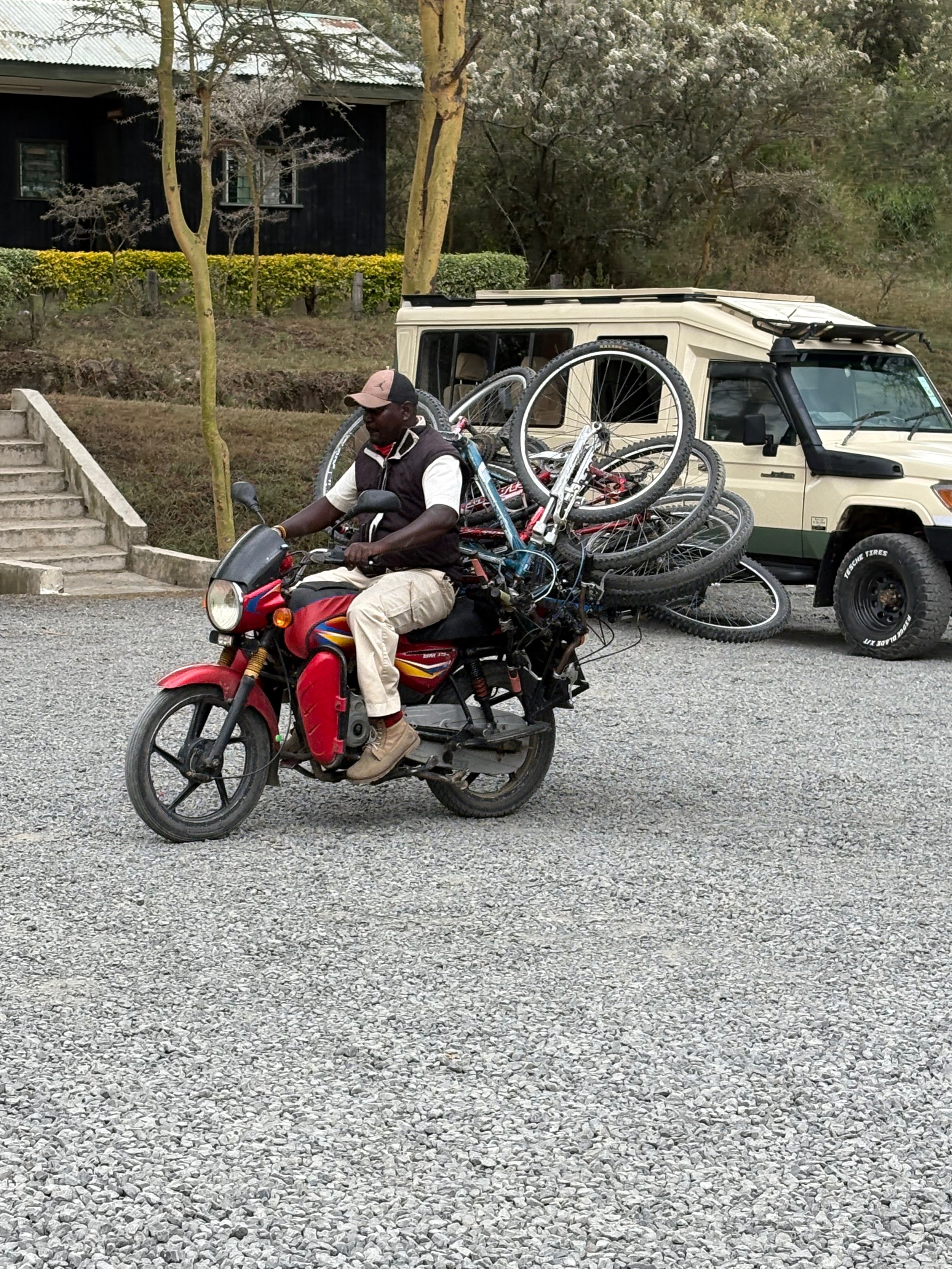
Transporting our rental bikes to Hell’s Gate National Park
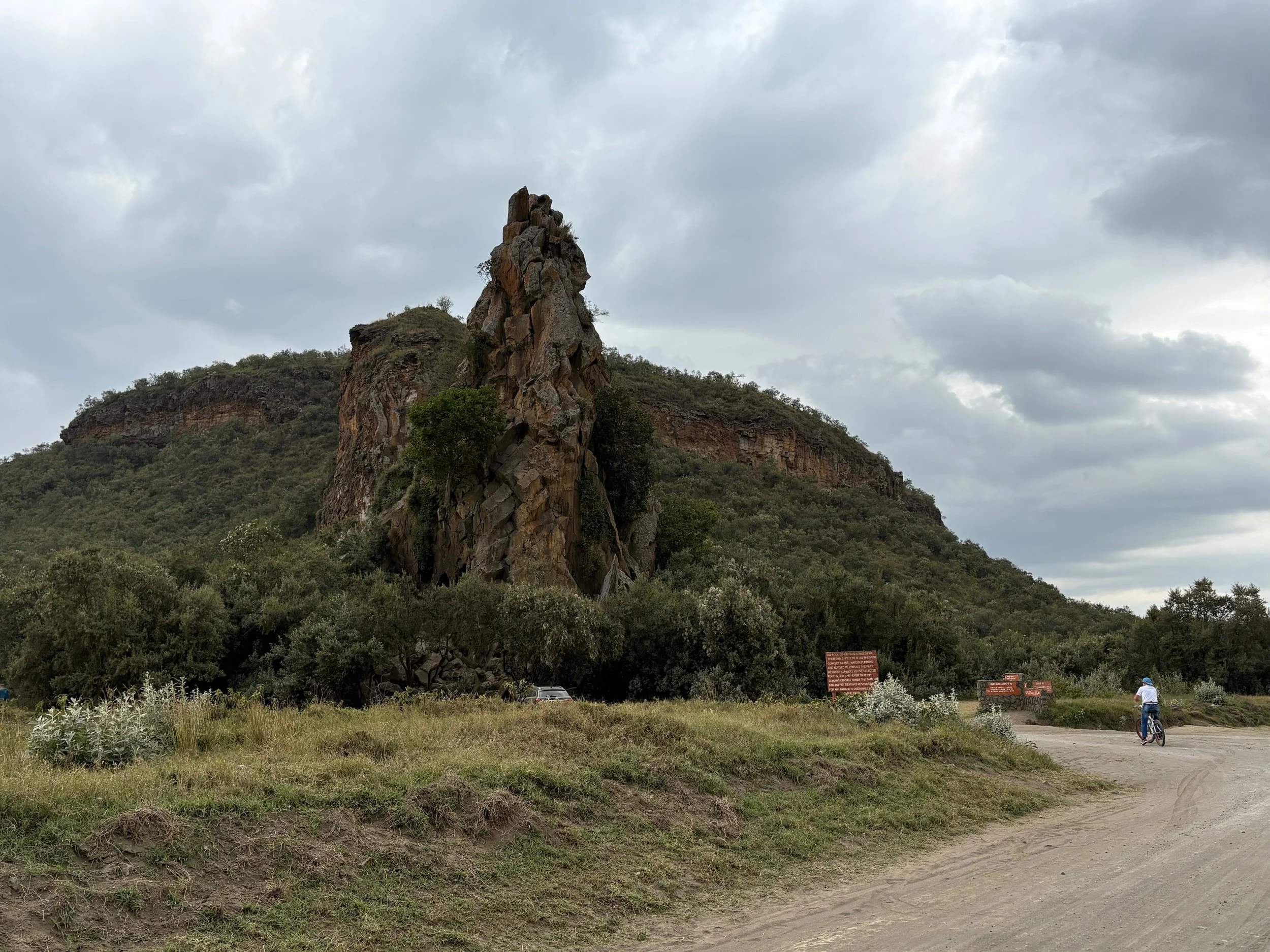
Bike riding in Hell’s Gate National Park
Next, we drove north to Samburu, where we visited the Samburu Girls’ Foundation and learned how the organization both protects and advocates for girls fleeing child marriage and FGM. We were fascinated and saddened to learn that about 70% of girls in this county are married off and cut at the age of 11 or 12. Mercy, the director, offered some hope by showing us how the foundation’s efforts at educating the community has led to a somewhat-reduced rate of FGM and child marriage. We spent a few hours playing with the girls, many of them in uniforms from the local primary school. We then drove to Gatero Girls High School, where ten of the twelve Kurunzi-Fund-sponsored girls attend boarding school. I bonded with one girl who shares my name and my interests. The girls were so excited to tell Kennedy about the school supplies they needed, and to chat with us about their hopes and dreams. The girls, who return to Samburu Girls’ Foundation during their school breaks, told us happily how they are like sisters now, and their confident smiles revealed the success of this program. Girls who would have been destined for a lifetime of marriage to a much older man with several wives, for the purpose of bearing as many children as possible, instead could be children and students. I decided that when I came home, I would sponsor a girl, as well. Her name is Ruth, and she aspires to be a doctor because of the need in her community for physicians. We next visited the boarding school where Kurunzi’s remaining two sponsored girls study, one of the top schools in Kenya. The school principal proudly told us that over 90% of the graduates attend university.
It was a privilege to spend these two weeks in Kenya meeting so many brave and resilient people. Those who had the courage to escape forced marriage and FGM, and those who are helping them realize their dreams. And coming home with two projects feels rewarding. My friends are helping me raise money to continue feeding the kids in Suswa, and I will meet Ruth this summer over FaceTime when Kurunzi Fund returns to Kenya to build a garden for another school!
Quisque iaculis facilisis lacinia. Mauris euismod pellentesque tellus sit amet mollis.