
Japan
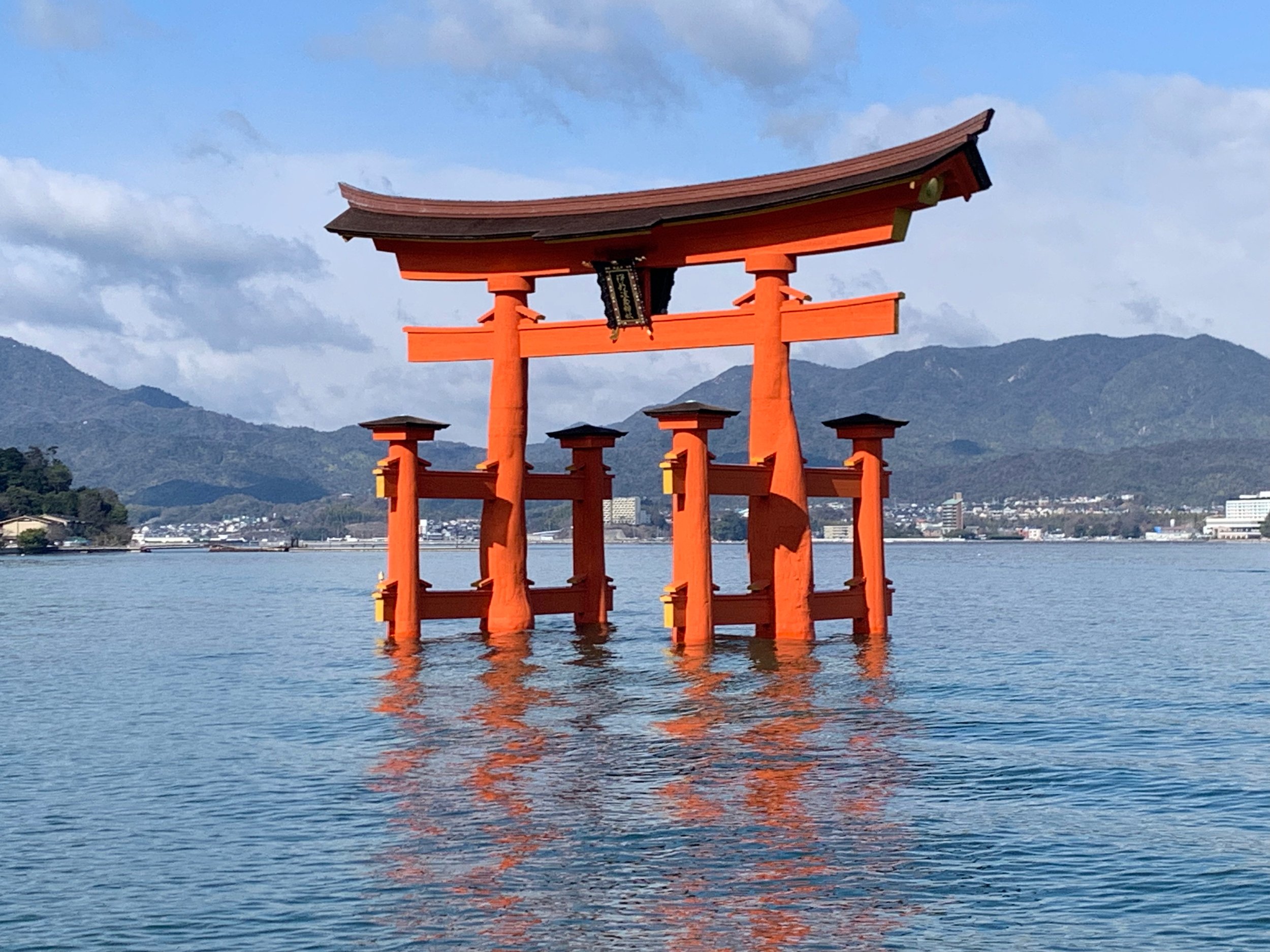
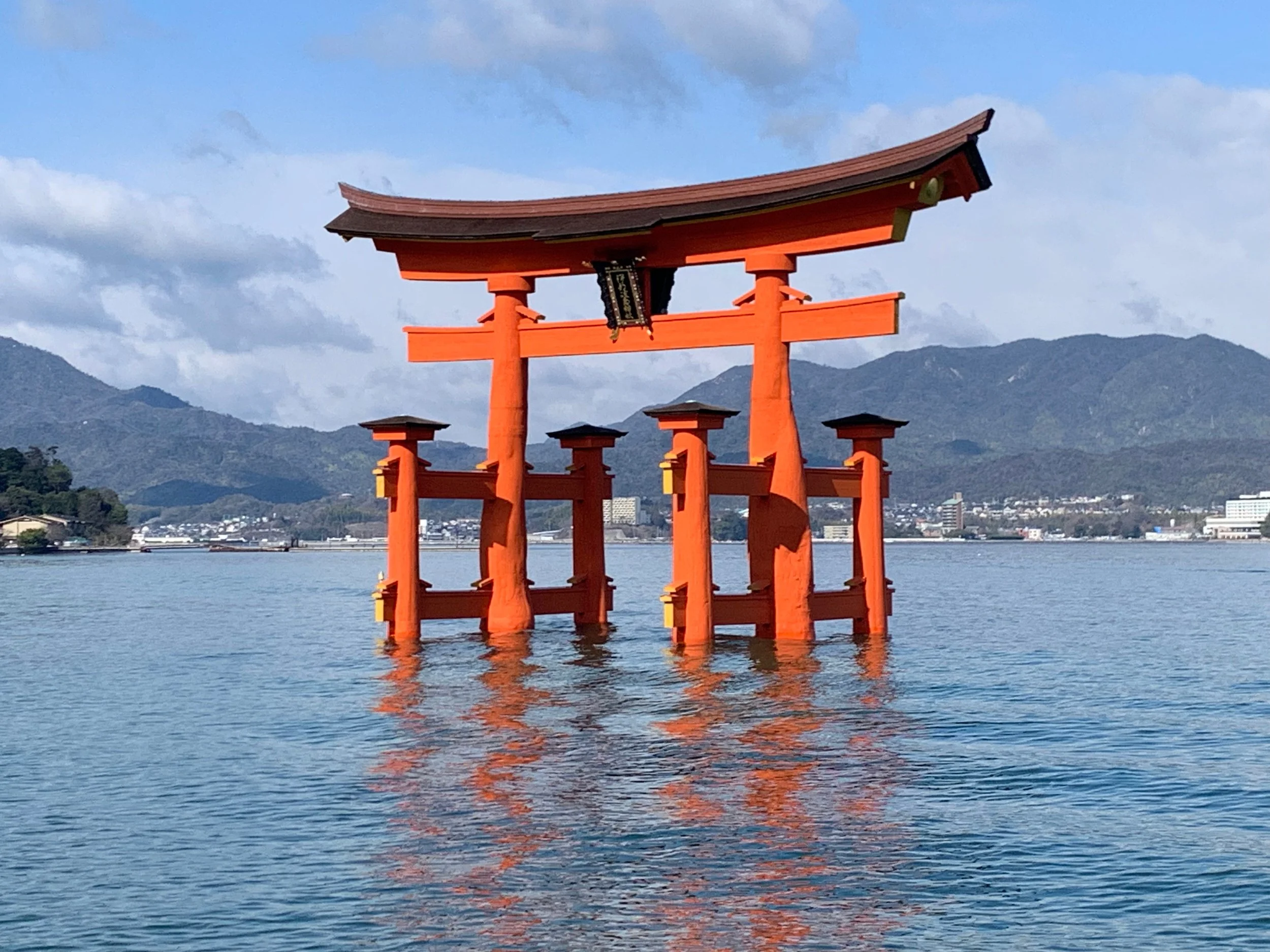
Torii Gate at Itsukushima Shrine on Miyajima Island at high tide
We had an eight-day trip to Japan scheduled for mid-March 2020. You know what happened. We were finally able to reschedule our trip for March 2024. Unfortunately, our daughter was in college by this point, but fortunately, our nephew was able to join my husband, son and me. We were able to reconstruct nearly the same itinerary, including securing tickets for a sumo wrestling match. I spent longer planning this trip than nearly any other I have taken, for a couple of reasons. First, reading about the trains and subway system from home made it sound really complicated. I read stories about travelers being lost for hours inside train stations. In reality, I did not need to spend so much time waching online videos on how to get from the airport to the city center. All signs are in English, and everything is clearly marked. Second, if I consume even a tiny amount of MSG, I get an explosive migraine. MSG was invented in Japan, and they use it in almost every dish, even the plain rice. There was not much information online of traveling in Japan with an MSG allergy, so I spent hours planning out meals, asking hotel concierges to contact restaurants for me and find out if they had anything safe for me to eat. The research and planning ended up being necessary, as the couple of meals we played by ear, the restaurants we walked into told me (in the most polite way possible) that they couldn’t serve me. I may have had to replace two lunches with granola bars, but I also got to eat incredible food and spend all eight days migraine-free!
In a nutshell, our itinerary was: three nights in Tokyo, one night in a ryokan on the Izu Peninsula, and four nights in Kyoto. We balanced planned activities like a samurai sword class, an origami lesson, a tea ceremony, and Sumo wrestling, with wandering around aimlessly. We intentionally hit several of the highlights in each city, but also stumbled up on a shrine or two and just wandered in. We took a side trip to Hiroshima and Miyajima Island, as well as to Osaka. We planned some truly incredible meals.
My takeway? I loved Japan. As a Type-A traveler and individual, I marveled at how organized and clean everything is, and how honest and considerate the people are. At every train and subway station, people line up in the order they arrived to wait their turn to enter the train. When the conductor, who wears white gloves, leaves each car, he turns and bows to the passengers. When my husband’s laptop dinged with a notification, everyone turned and glared at him for disturbing the peace. It was heaven. As far as our destinations, I felt that our ryokan experience was really cool, but overpriced. I thought I would love Kyoto more than Tokyo, but it was the reverse. When I go back to Japan someday, I’d like to explore more off-the-beaten track destinations, and maybe even ski Japan’s famous powder!
How to Get Around Japan and How to Pay for Stuff
We traveled around Japan by train and subway, with an occasional taxi. With some advance planning, train travel is a breeze. Clean, efficient, and pleasant. Here are my recommendations:
Start with this train planning website, especially if all of your destinations are not on the Shinkansen (bullet train).
Once you find your trains, download the SmartEx app on your phone to book the Shinkansen trains. The app is really easy to use.
Download the Suica app on your phone, which is how everyone pays for almost everything in Japan. Load some Yen onto your Suica card (you can use Apple wallet to do this; each person needs their own Suica card). Then, on the SmartEx app, add your Suica card number to your Shinkansen reservations. You can also use your Suica card at vending machines and stores like 7-11. For taxis, we paid with our credit cards. One or two trains did not take Suica so we just used our credit cards.
Once you are in Japan, you will just use your digital Suica card on your phone to buy non-Shinkansen train tickets, pay for the subway, and scan at Shinkansen train stations. For the Shinkansen stations, your seat reservation will pop up in paper ticket format when you scan your phone. Take it with you as evidence of your seat reservation. Or, you can use the QR code that the SmartEx app will give you for your seat reservation.
It is helpful to know which exit from a subway or train station that you should take to reach your destination. For instance, ask your hotel which exit to take from the closest subway station to most easily reach the front door.
A note on ATMs: Not all ATMs will work with your U.S. debit card. But you will find one that works, so if one doesn’t work, just try another ATM machine. We needed cash for a couple of cash-only restaurants.
A note on hotels: Not all hotels in Japan are nonsmoking. If this is important to you, check before you book. Also check TripAdvisor reviews for smoke complaints.
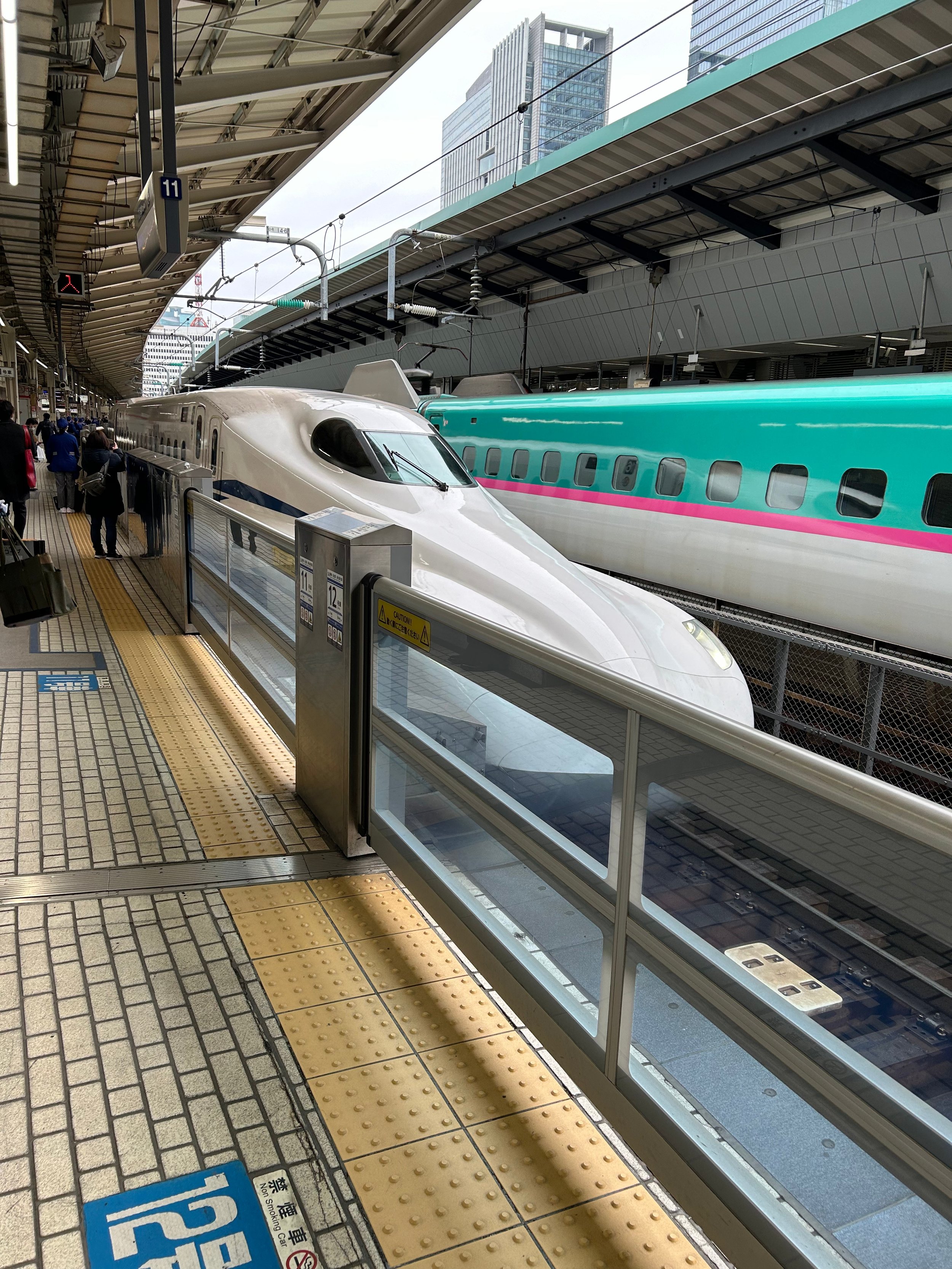
Japan’s bullet trains are all they are cracked up to be
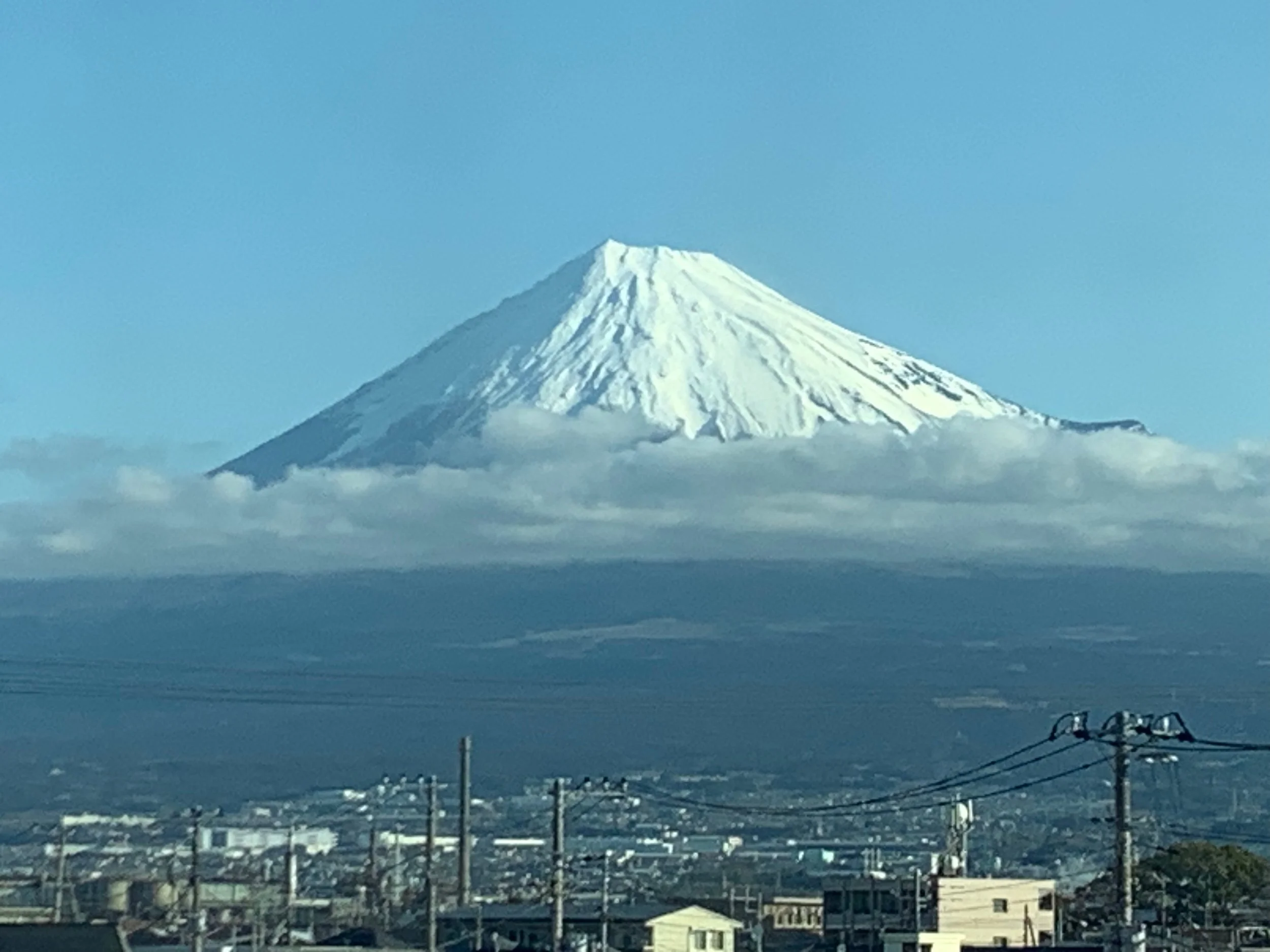
Gorgeous view of Mt. Fuji from our bullet train window
Tokyo
We all absolutely loved Tokyo. The subway takes you everywhere you want to go, and even the subway stations have perfectly clean bathrooms! We wandered different neighborhoods and observed life in Japan’s biggest city.
Where to Stay in Tokyo
Our hotel in Tokyo, The Prince Gallery Tokyo Kioicho, was perfect. Our room had beautiful views overlooking the city, the hotel was quiet, breakfast was great, and the staff could not have been kinder. Note that the hotel is located very close to the subway, which connects easily to all of Tokyo, but the hotel is not within walking distance of the major sites. Trusted friends loved their stay at the highly-rated Tokyo Station Hotel.
Where to Eat in Tokyo
T’s Tantan Ramen in Tokyo Station - amazing vegan ramen!
Soba Shiki had good soba noodles, close to our hotel.
Organic Sushi Ouchi - we liked the sushi here. There are probably more highly rated sushi restaurants in Tokyo, such as Hakkoku, but Sushi Ouchi accommodated my MSG sensitivity and the restaurant is really cute. The waiter, like everyone else in Japan, was polite and welcoming.
Zakuro Ginza was fun for shabu shabu.
We did not enjoy Noeud, a place recommended by our hotel that was just too fancy and expensive.
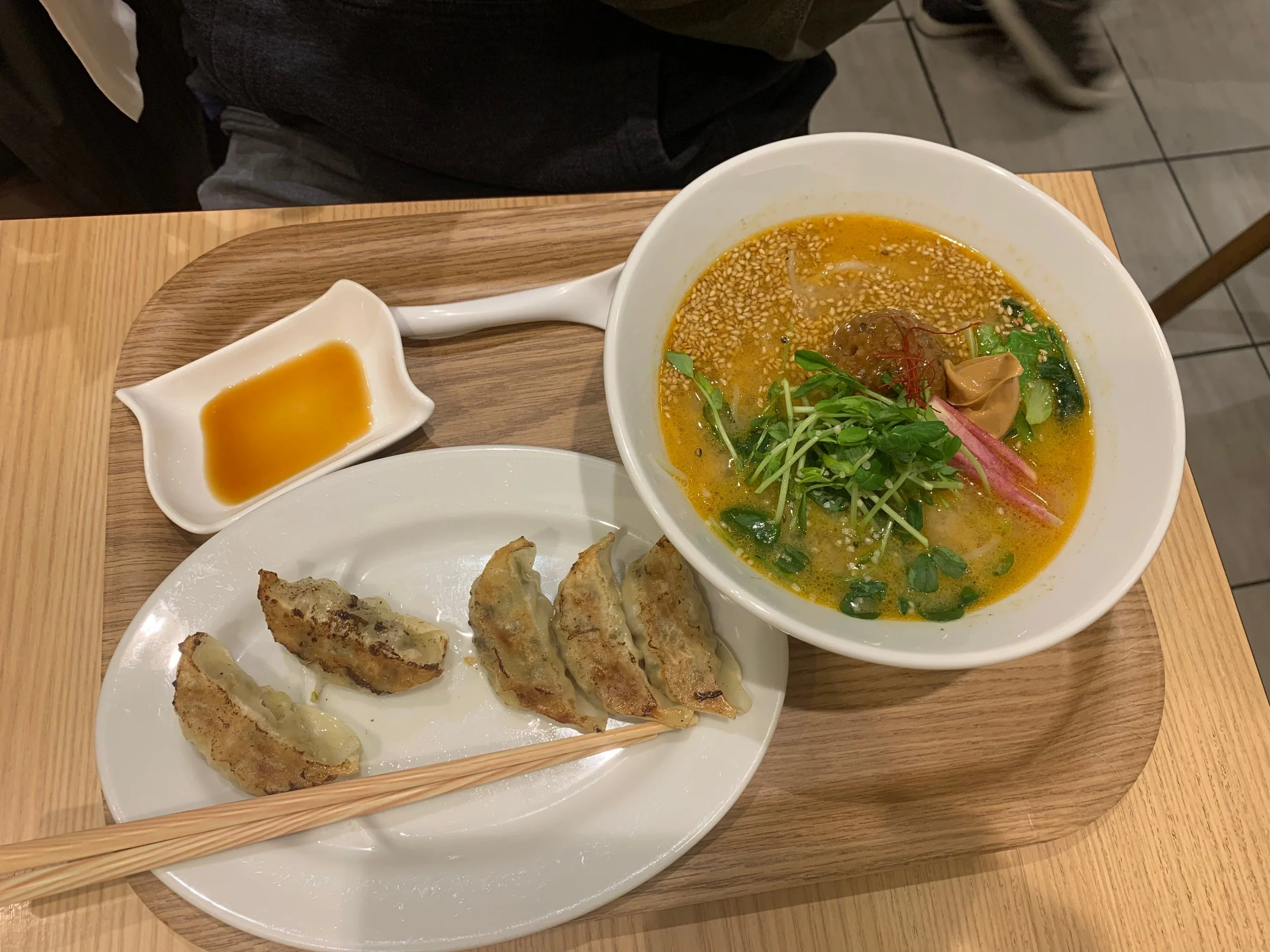
T’s Tantan Ramen is vegan AND delicious! We also liked their dumplings.
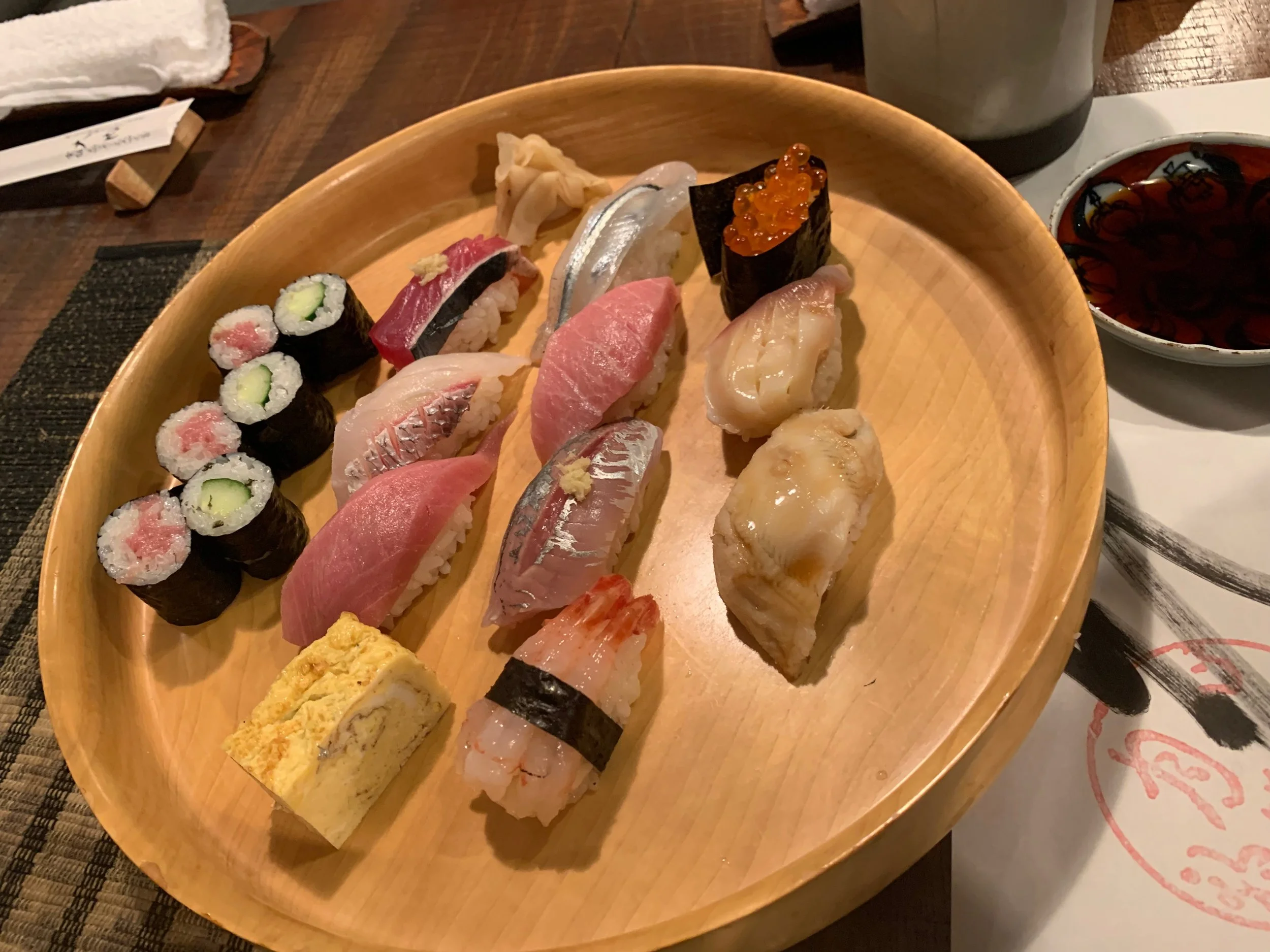
The service was lovely and the sushi and sashimi were good at Organic Sushi Ouchi in Tokyo
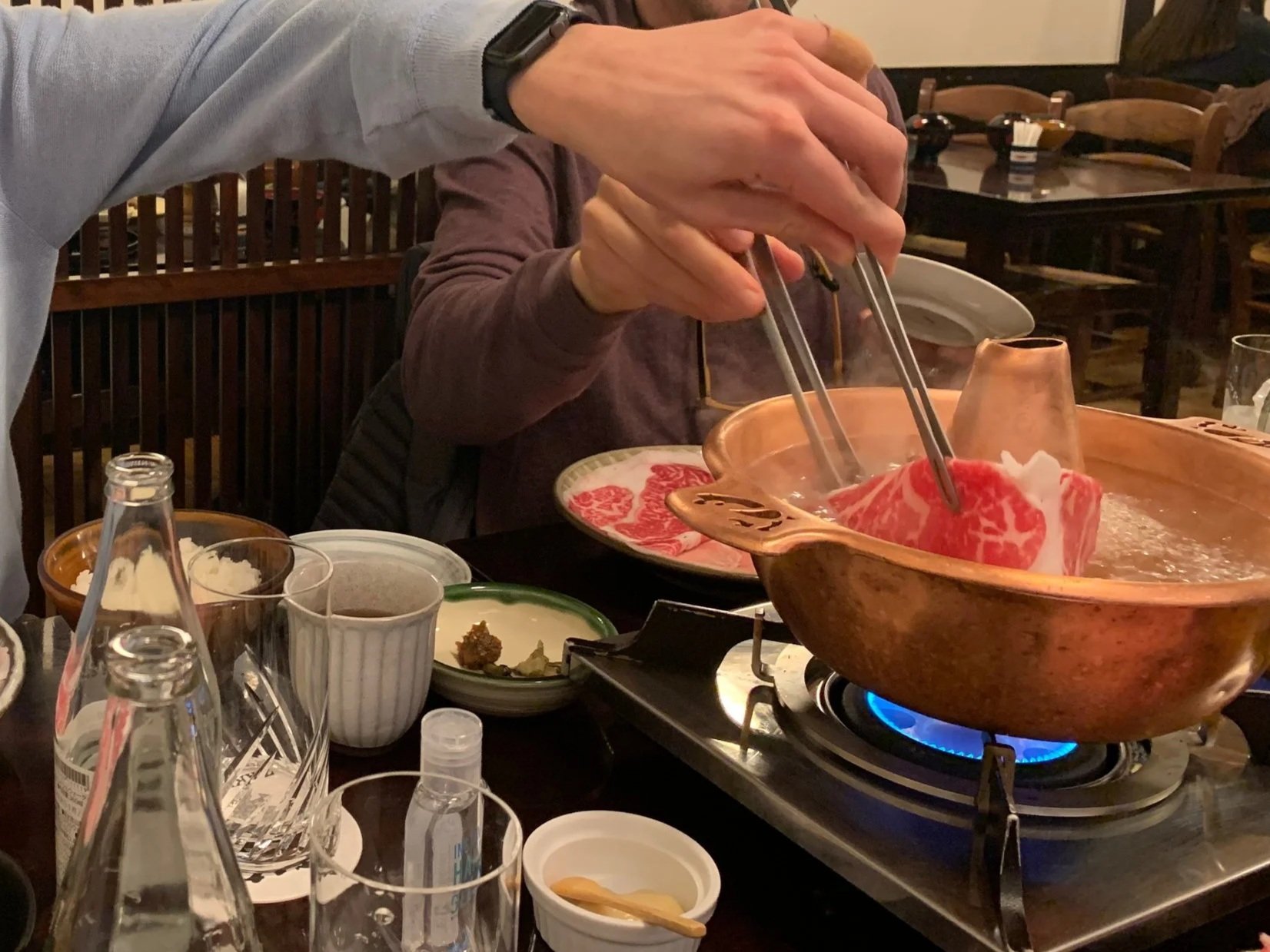
Shabu Shabu is a fun dining experience. Here is ours at Zakuro Ginza.
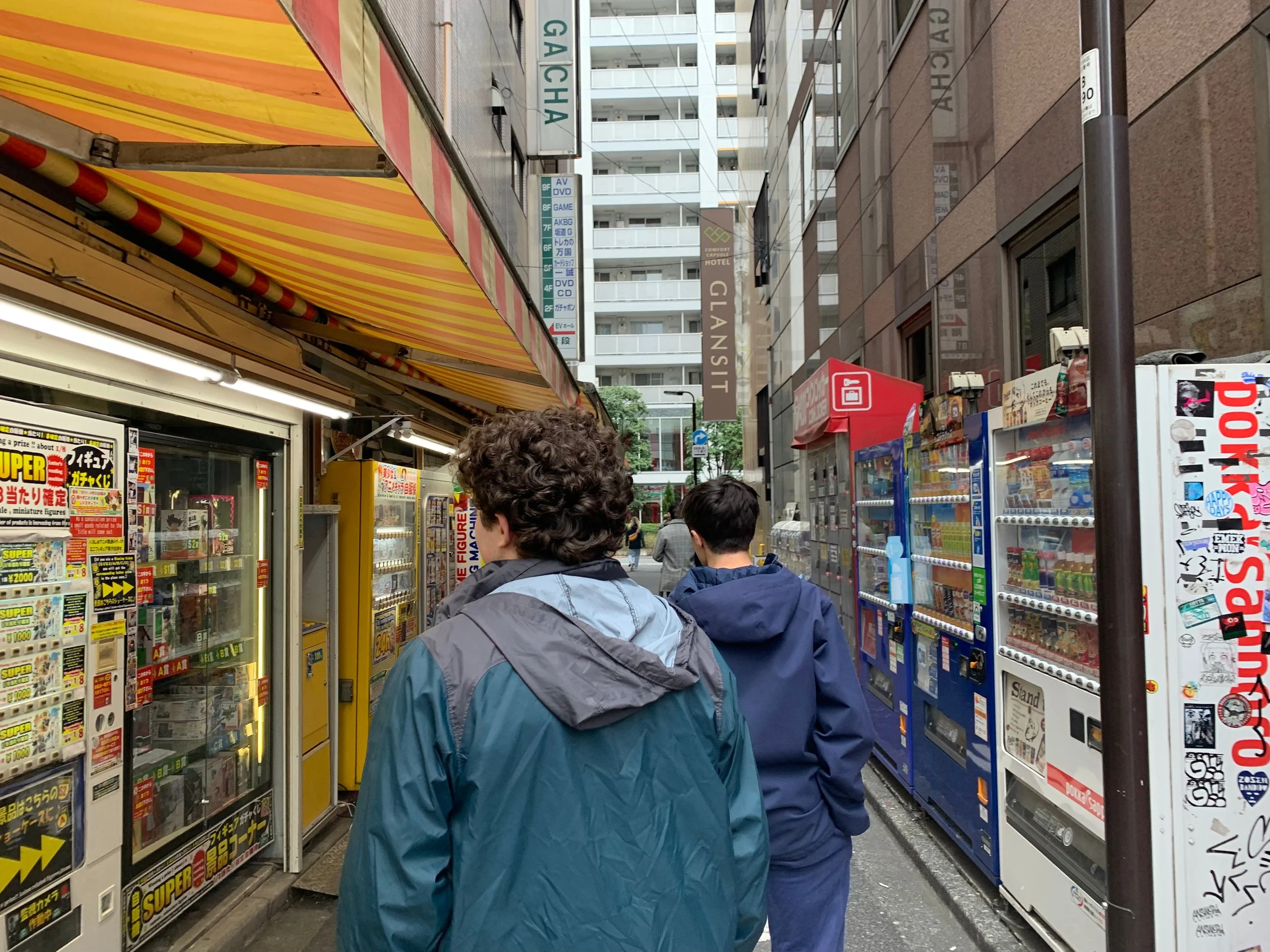
The mother load
What to Do in Tokyo
Cross “the world’s busiest pedestrian crossing” at Shibuya Crossing, then go into the building that offers the Shibuya Sky Experience. The tickets were sold out, so we just went up as high as we could in that building to observe the Crossing from above.
Walk around Harajuku (Takeshita Street). Go into a cafe with a photo of someone or something and they will recreate the image in your coffee foam. Head into a photo booth store for a fun activity (our boys were the only boys in Purikura - the rest were teenage girls).
Take an origami class at the Nihanbashi Cultural Center, which our boys loved. We also enjoyed shopping there for souvenirs.
Pick any neighborhood and explore! We liked Ginza and Akihabara.
Visit a 7-11 for a snack or a smoothie, our boys’ favorite activity besides visitng the vending machines, which was definitely their top-rated activity in Japan!
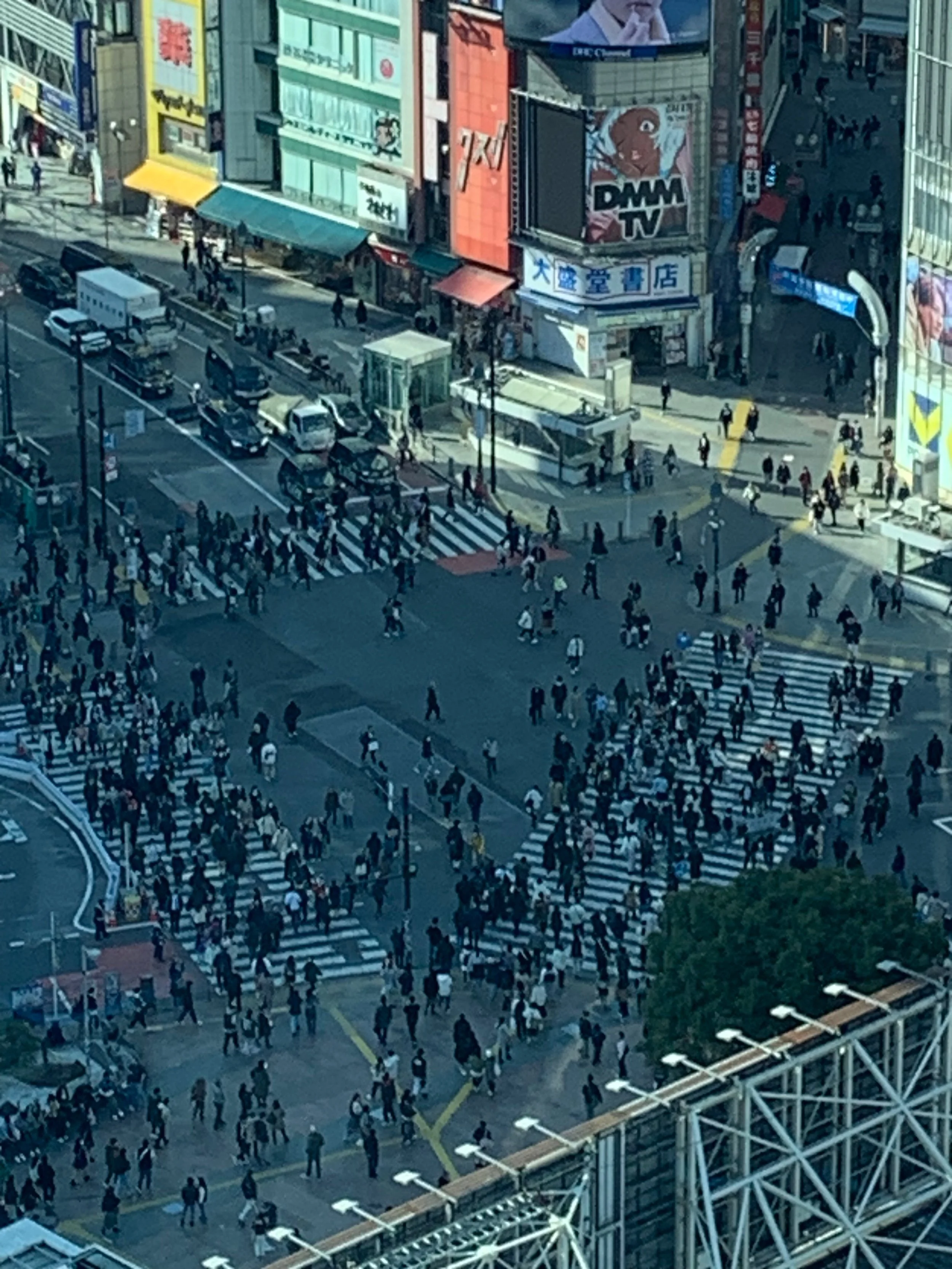
Shibuya Crossing was not as crazy as I had expected - fewer people than Times Square!
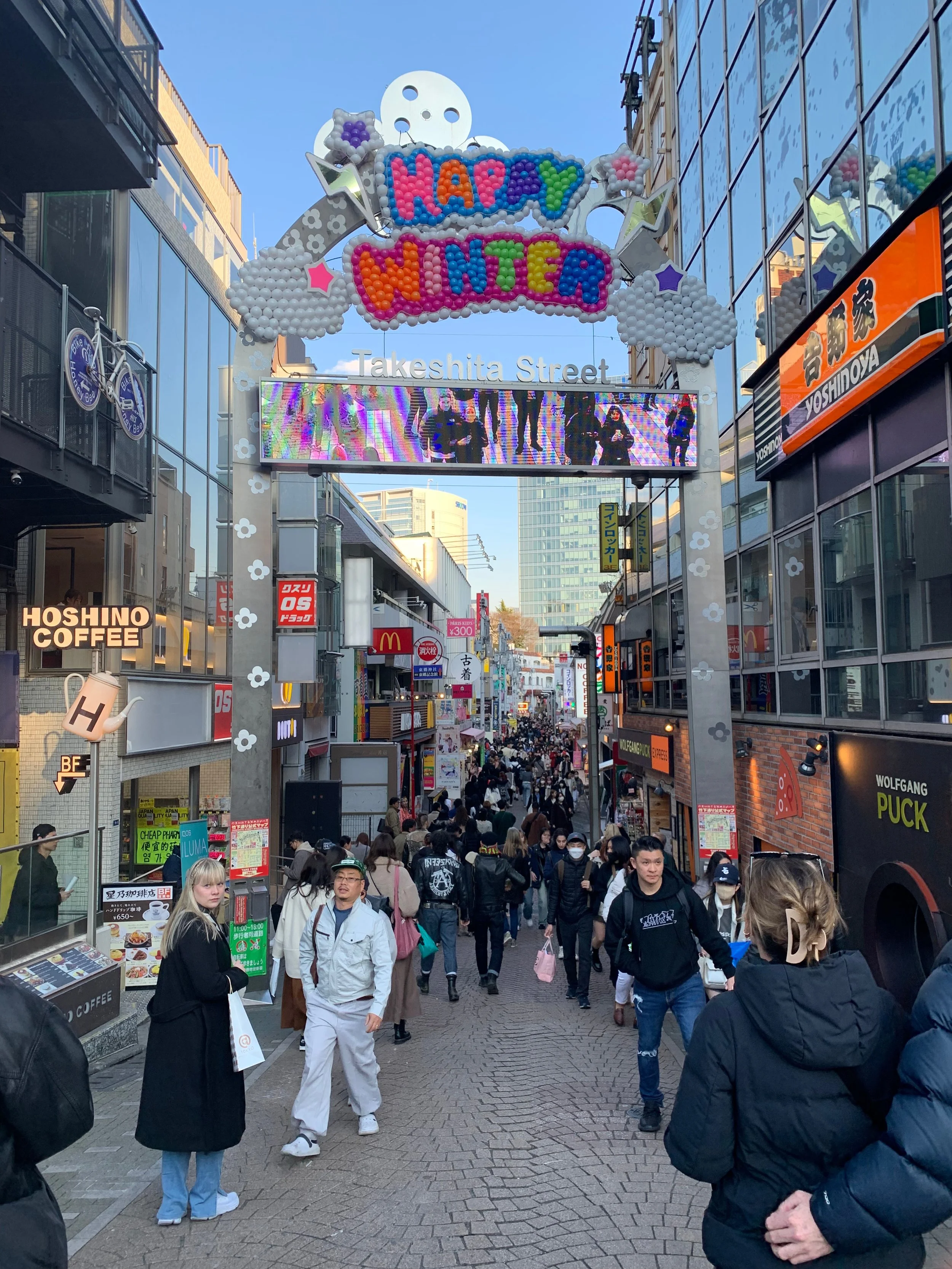
Takeshita Street is so much fun to walk!
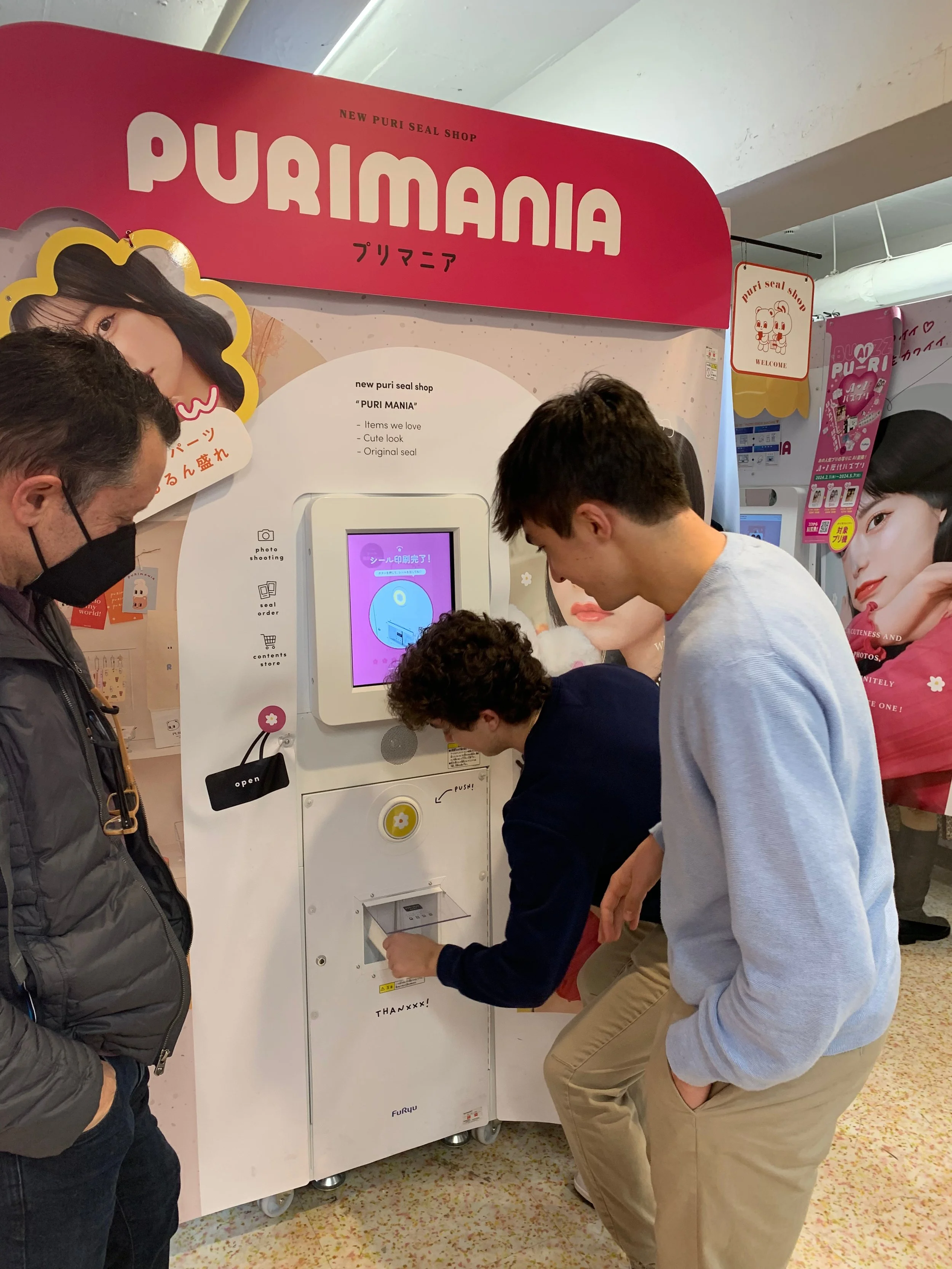
Purimania photo booth store on Takeshita Street in Tokyo
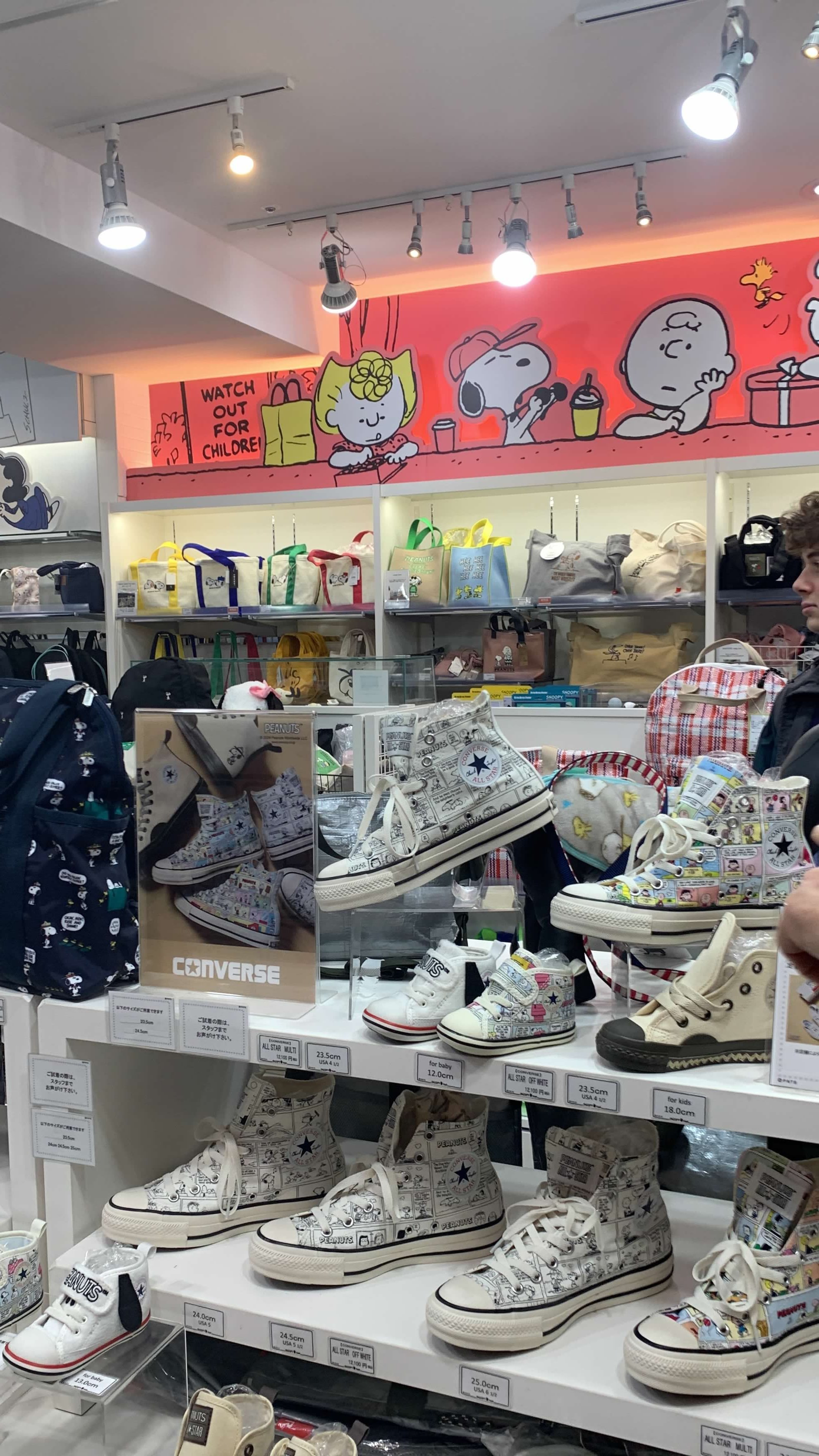
Snoopytown on Takeshita Street in Tokyo is a must-stop for fans
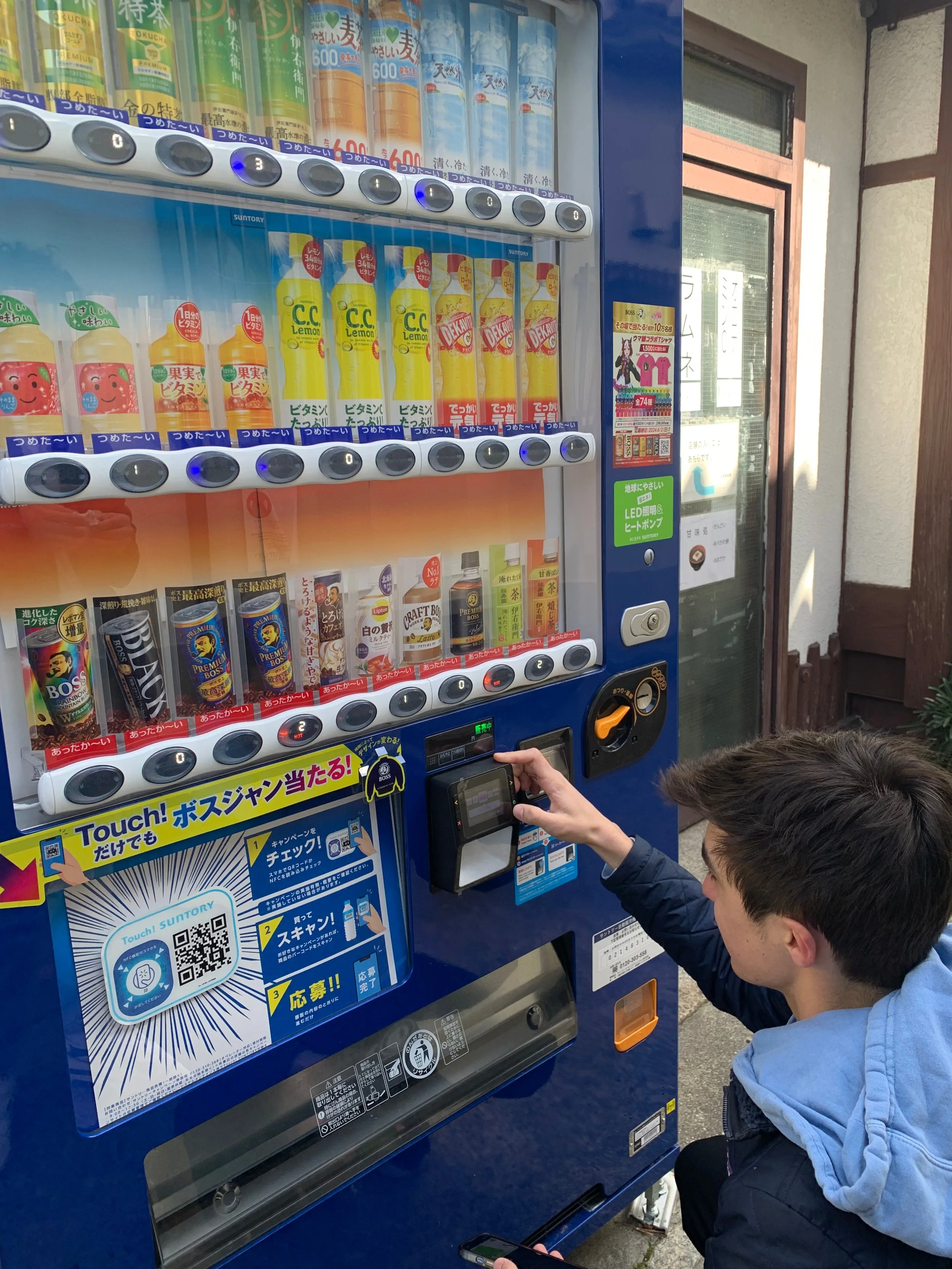
Japan’s ubiquitous vending machines were a highlight for my son and nephew
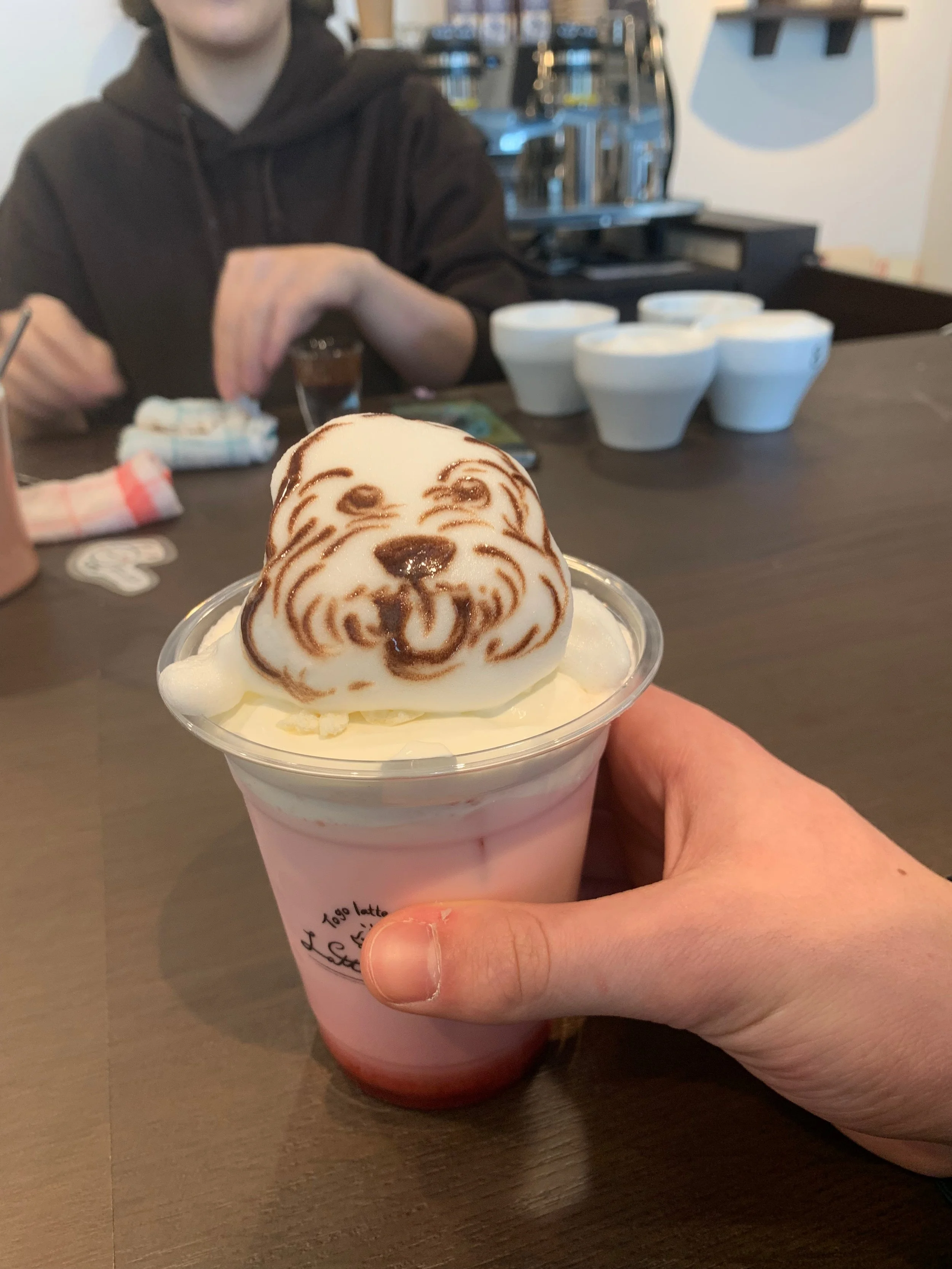
if you show the barista a photo, she will try to recreate it in foam…this one mildly resembles our goldendoodle
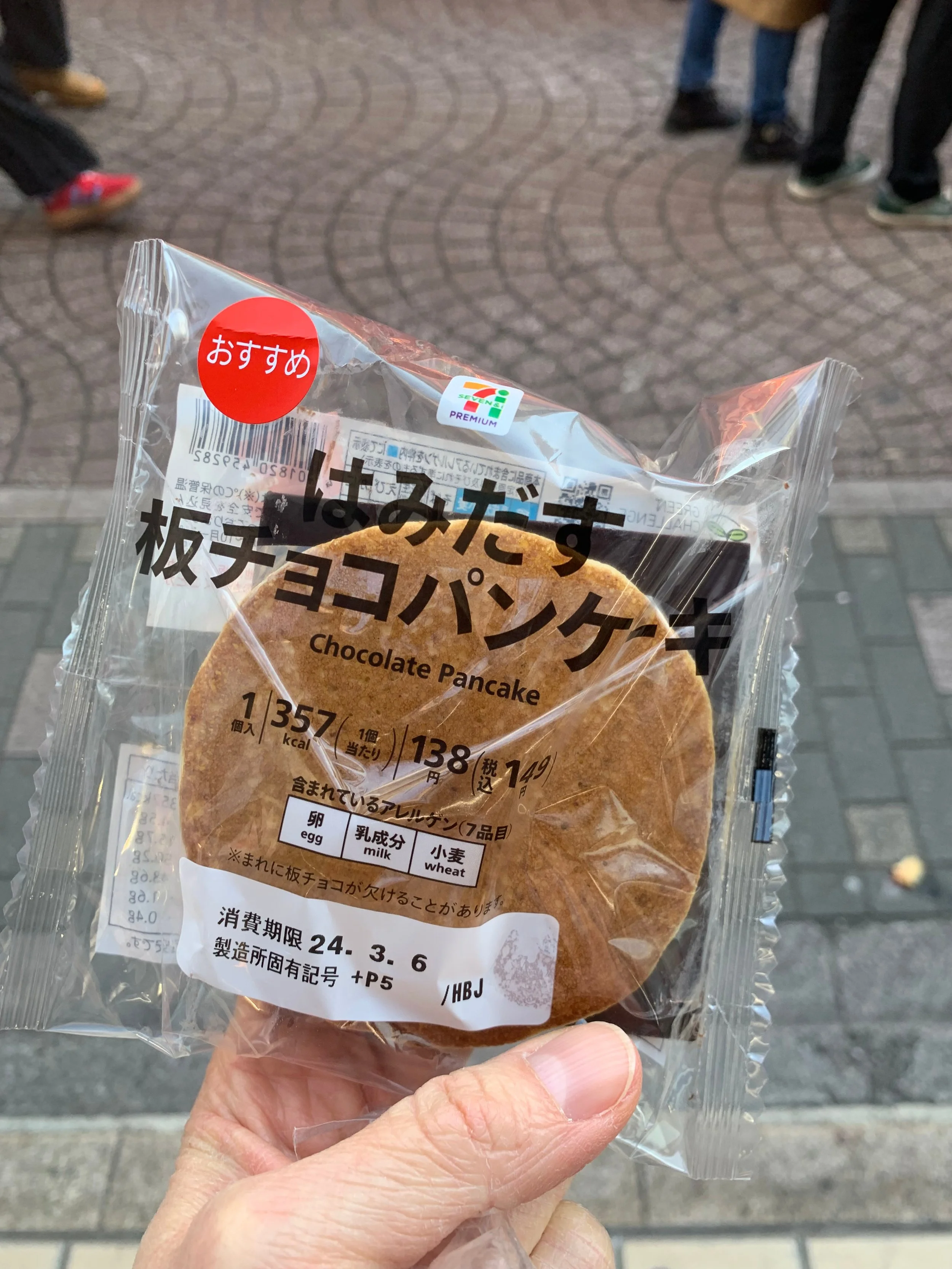
The boys loved exploring the snacks and smoothie options at 7-11s all over Japan
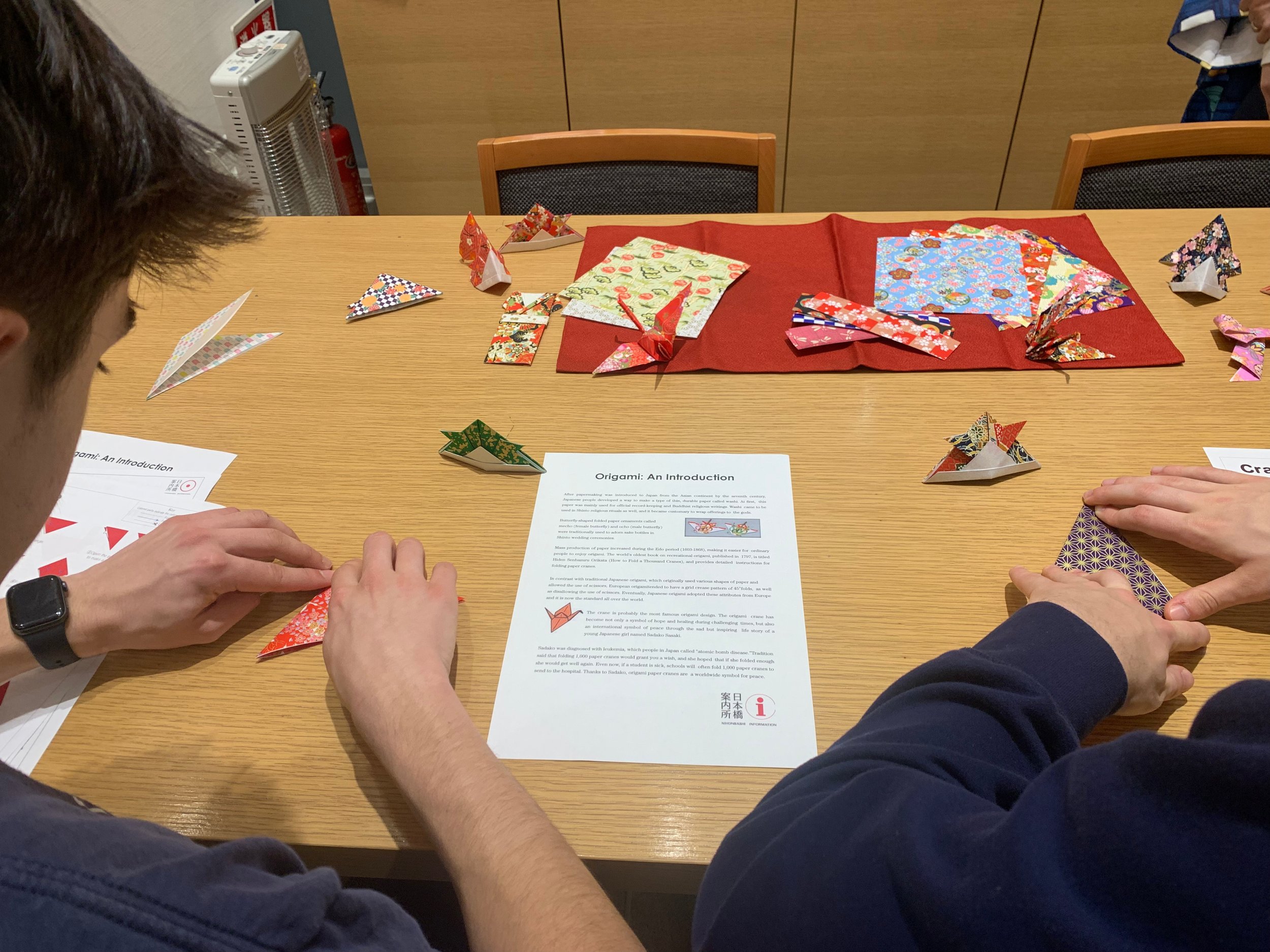
Our son and nephew enjoyed a peaceful hour learning how to fold origami paper at the Nihanbashi Cultural Center in Tokyo
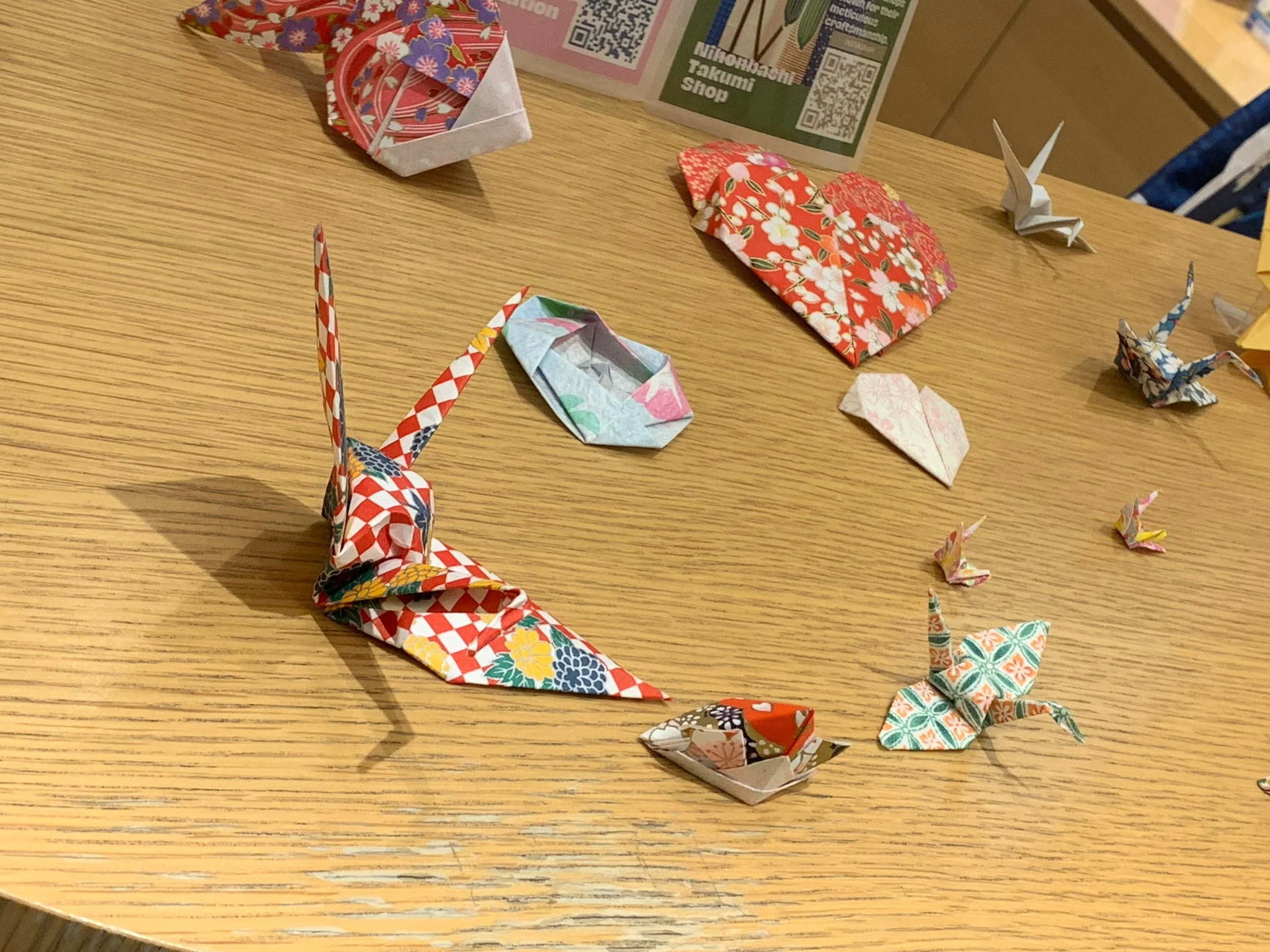
Not bad, right?
Kyoto
When I imagined Kyoto in my mind, I saw ancient streets and traditional architecture. There are a few streets like this in Kyoto, but most of it is a sprawling, not-so-attractive city. The subway is not as convenient to use as it is Tokyo. We did use the subway quite a bit, but also did a lot of walking.
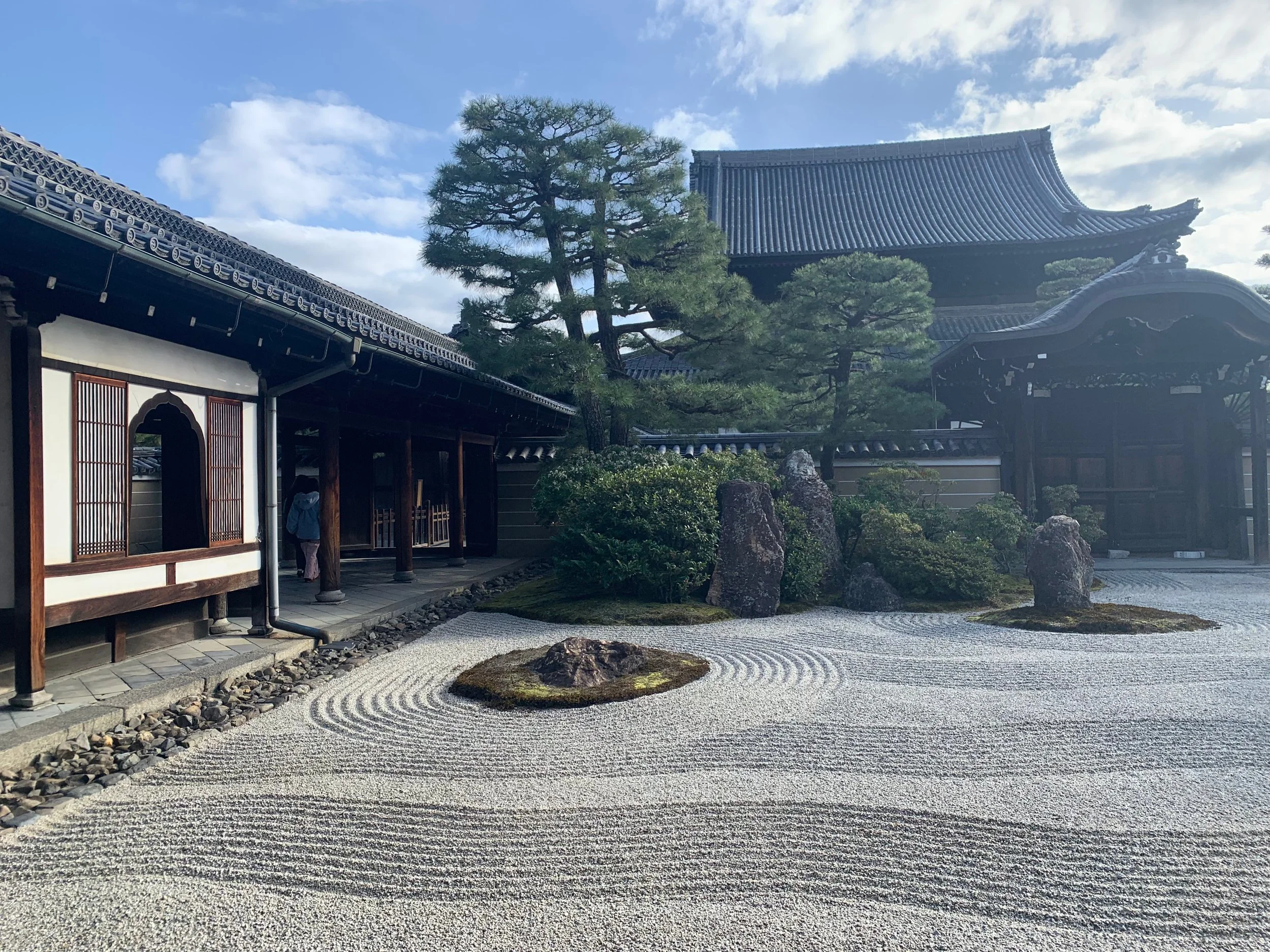
Kennin-ji Temple was uncrowded and lovely, conveniently located at the end of Hanami-koji
Where to Stay in Kyoto
We chose the Cross Hotel Kyoto because it offered affordable rooms for a family of four. I would describe this hotel as a typical 3-star hotel in the U.S., but with Japanese-level concierge service. The room was quiet, clean and comfortable. We did not like the breakfast. The location was excellent. This hotel is a good choice if you are looking for value and comfort, but not luxury.
Where to Eat in Kyoto
Mouriya Gion is an excellent Kobe steakhouse. We lucked out and were seated in a semi-private room with our own personal chef. We watched him meticulously grill our steaks and onions. We all loved our dinner here, especially the teenage boys.
Steak Revolution was also good. While it was not as good as Mouriya Gion, it was half the price.
Ki Kyoto is a real find, offering incredible Lebanese food near the river. Line up early! It’s worth the wait. Check Ki’s instagram page before you go for their updated hours before you go, as they rotate their closing days. I did not see baba ghanoush on the menu, but I saw the chef preparing it for another guest, so I went back up to the register and ordered it. It was some of the best baba ghanoush I’ve ever had (and my father-in-law in Lebanese). The portions at Ki are on the small side, so order enough food or go back up to the register to order seconds.
Kamigamo Akiyama was a highlight of our vacation. Our hotel concierge was able to secure a reservation, which is not easy to do. We took a taxi to the outskirts of Kyoto and entered this old Japanese home, turned cozy restaurant. Seating only 12 people a night, we were the only guests not from Kyoto and we enjoyed getting to know our fellow diners. Kyoto natives, they were all fascinated to learn about and see photos from our samurai sword experience, which they had no idea existed in Kyoto! We watched the chefs prepare each course of our Omakase meal in the open kitchen, and although we were not always exactly sure what we were eating, it was all delicious. If you are an adventurous eater, I highly recommend this special experience! Note that you can have your concierge convey to the restaurant in advance any dietary restrictions. Also note that the restaurant is cash only and dinner lasts three-and-a-half hours.
Sobanomi Yoshimura has great homemade soba noodles.
Katsukura Sajo Main Shop is where my husband, son and nephew ate katsu pork and really liked it. I sat that meal out due to MSG concerns.
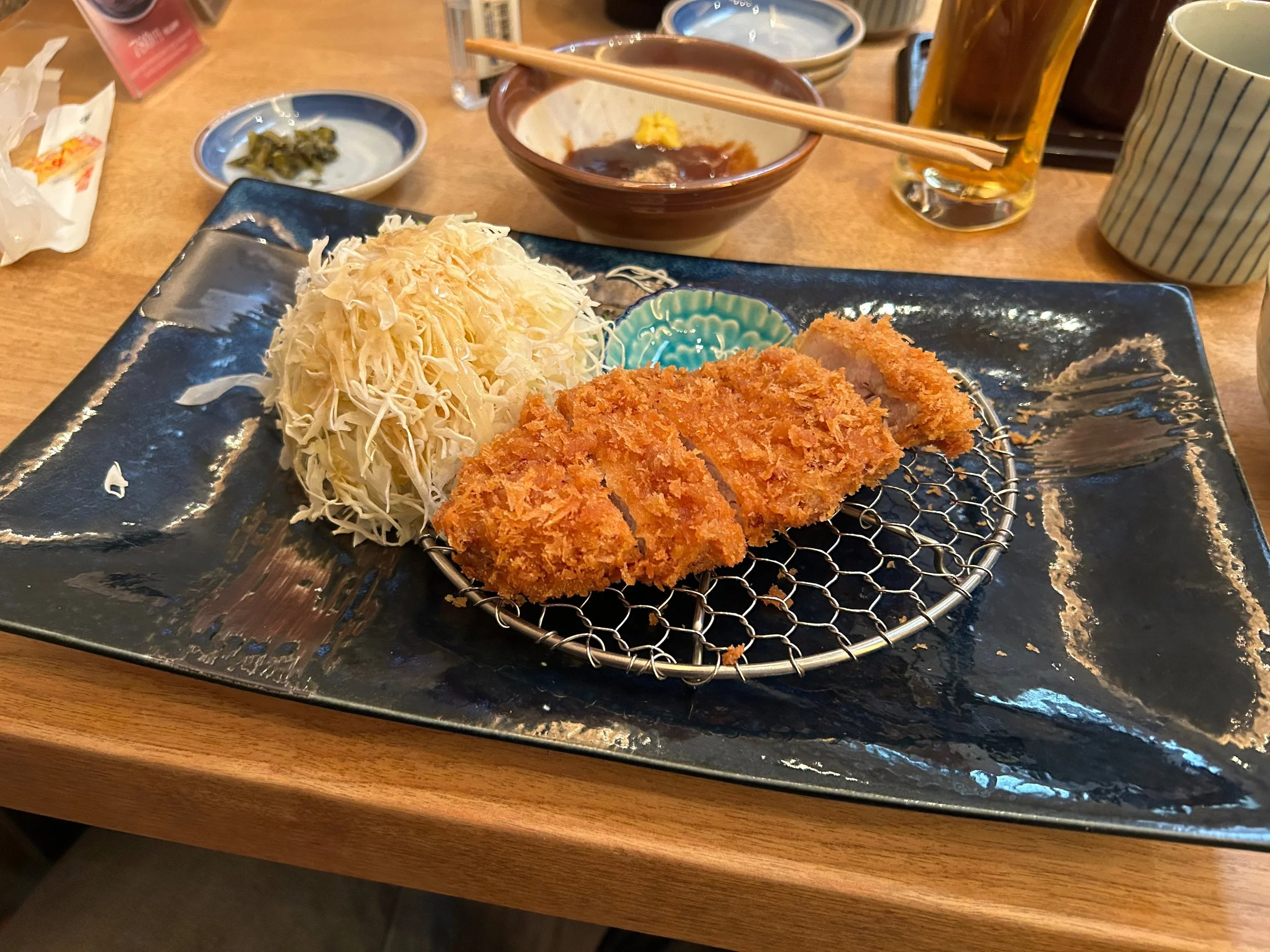
Katsu pork at Katsukura Sajo Main Shop in Kyoto
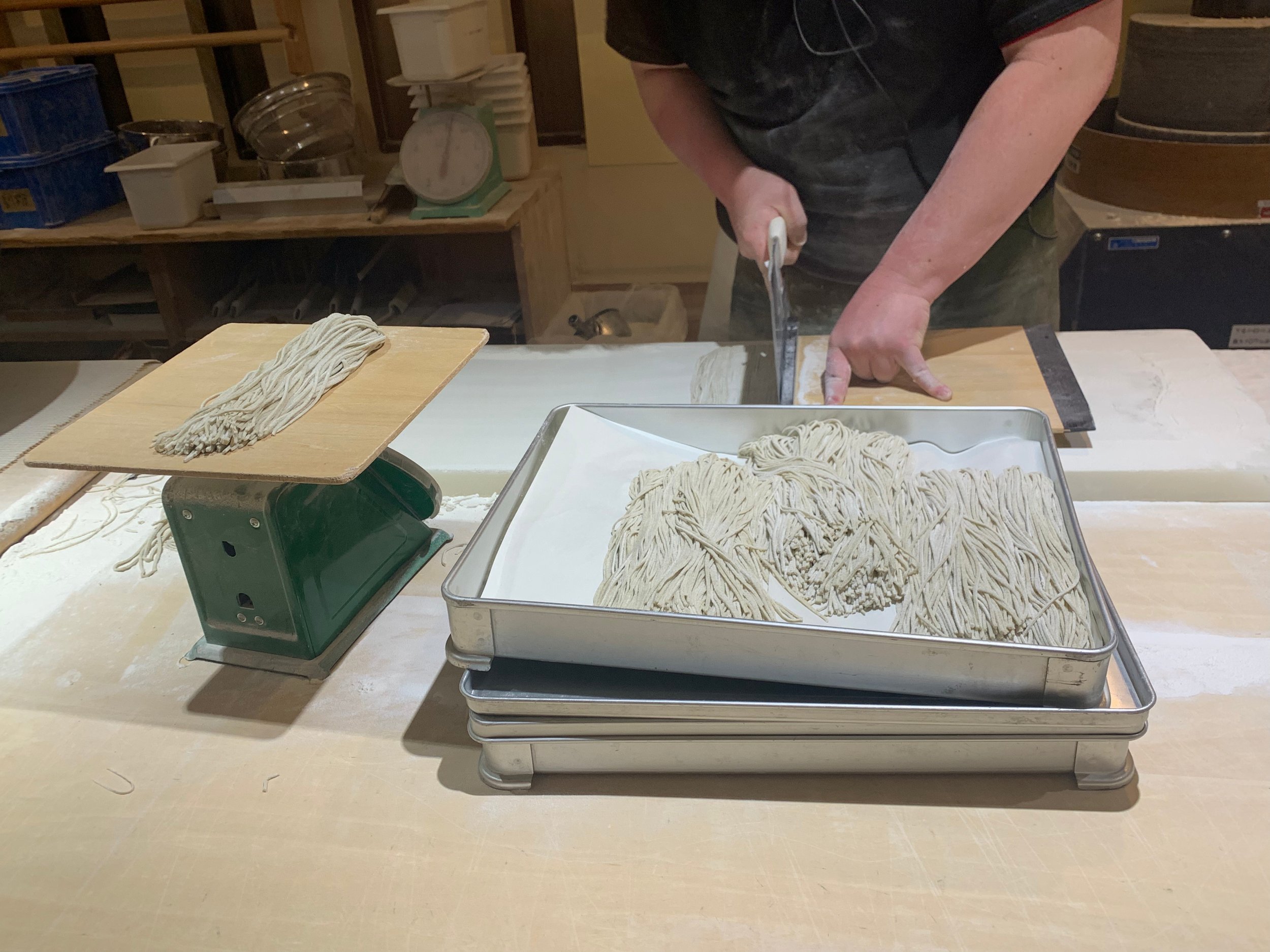
Handmade noodles at Sobanomi Yoshimura in Kyoto
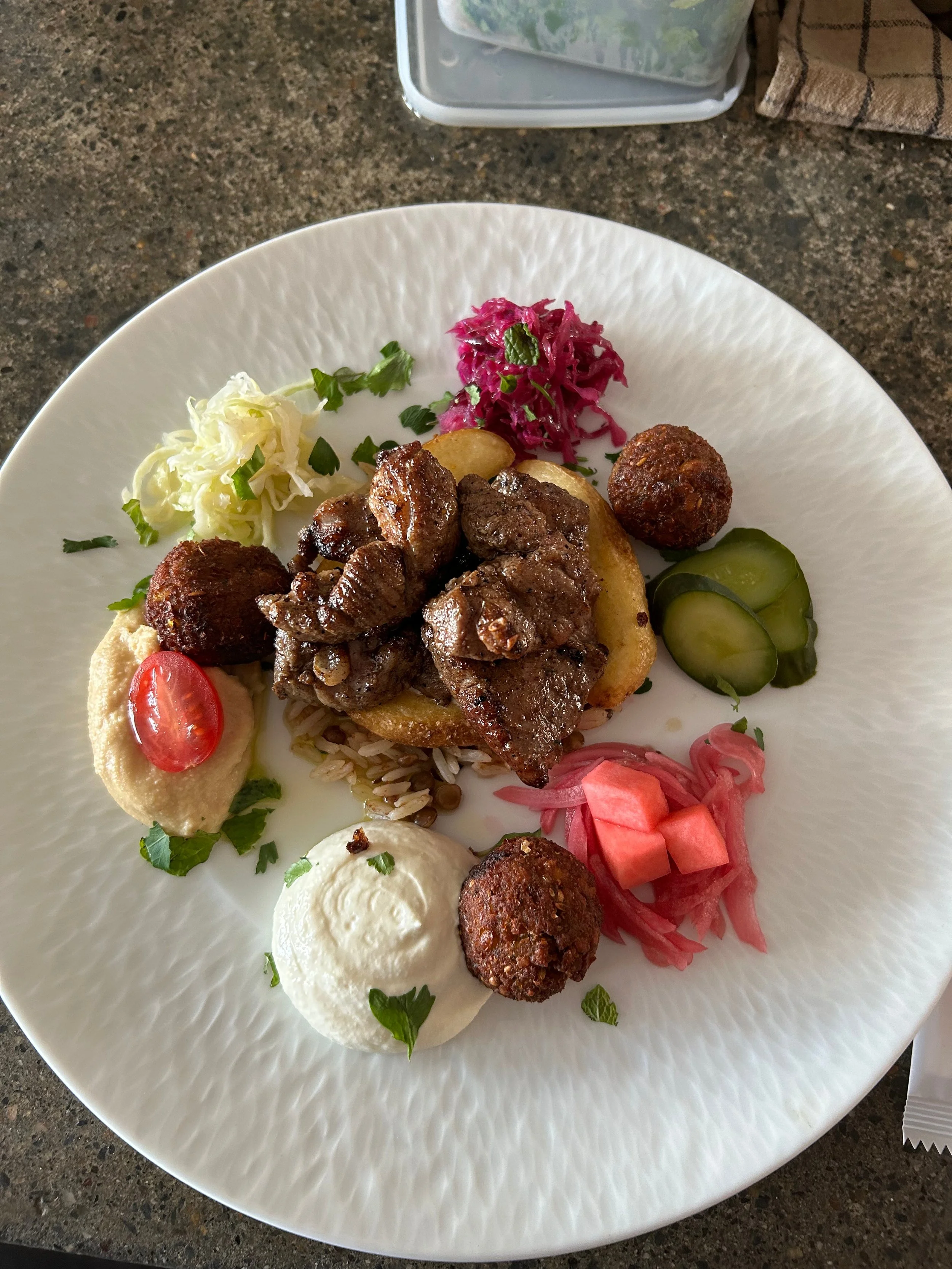
Ki Kyoto has incredibly delicious Lebanese food
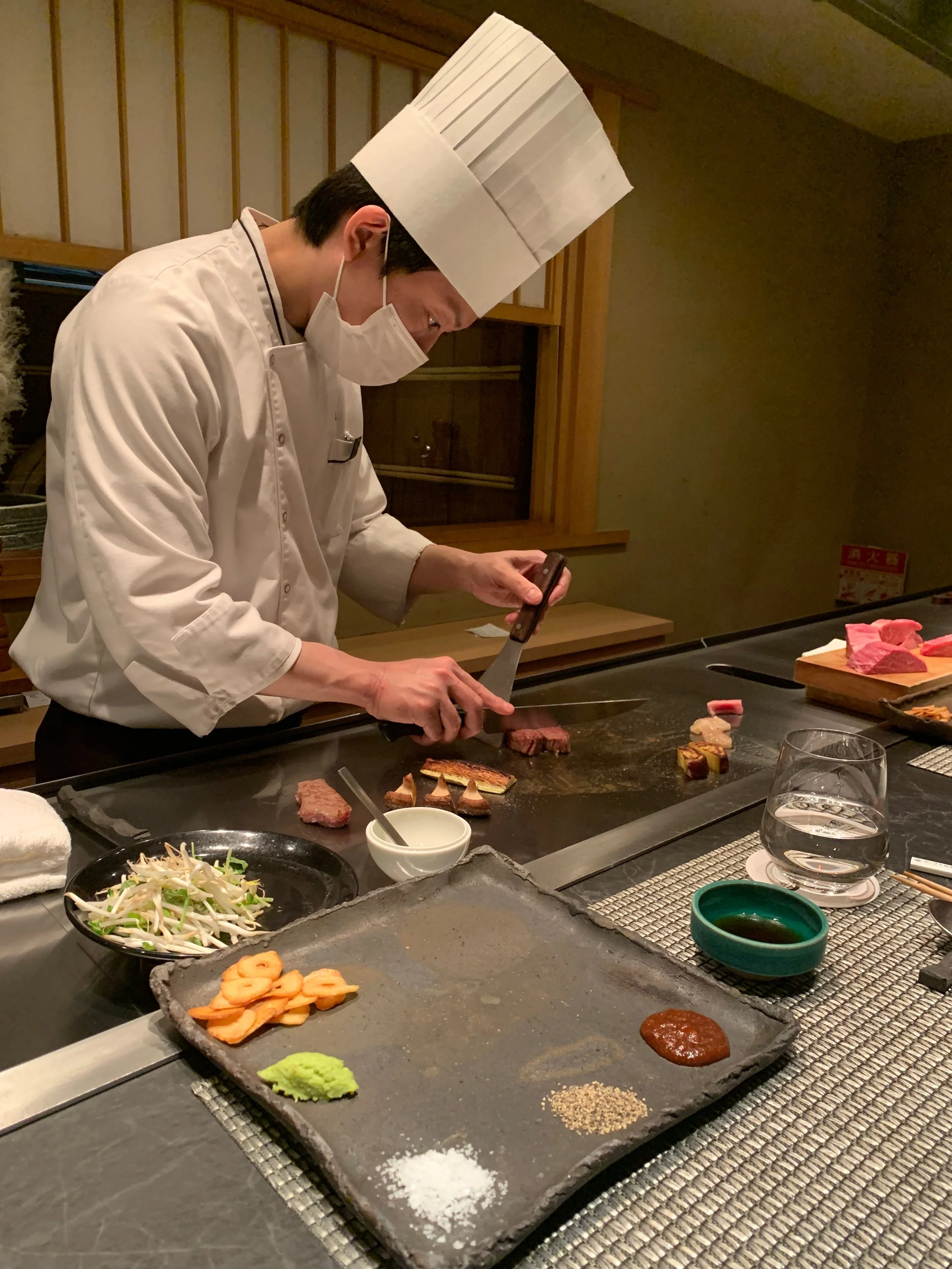
The chef at Mouriya Gion in Kyoto cooked us the most succulent kobe steak of our trip
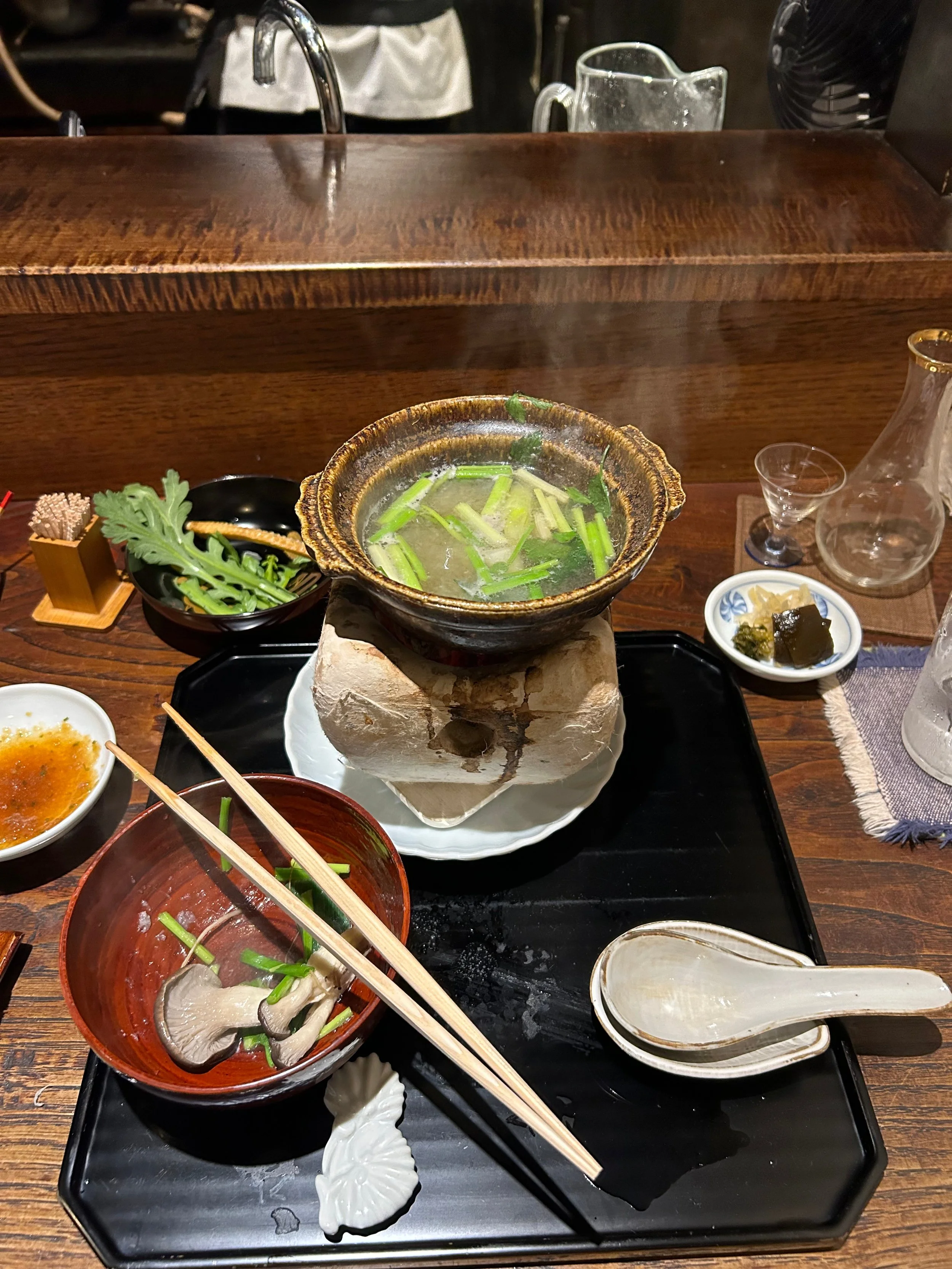
The omakase (multi-course, chef’s choice) dinner at Kamigamo Akiyama was a real high point of our trip, both for the scrumptious food and the intimate setting
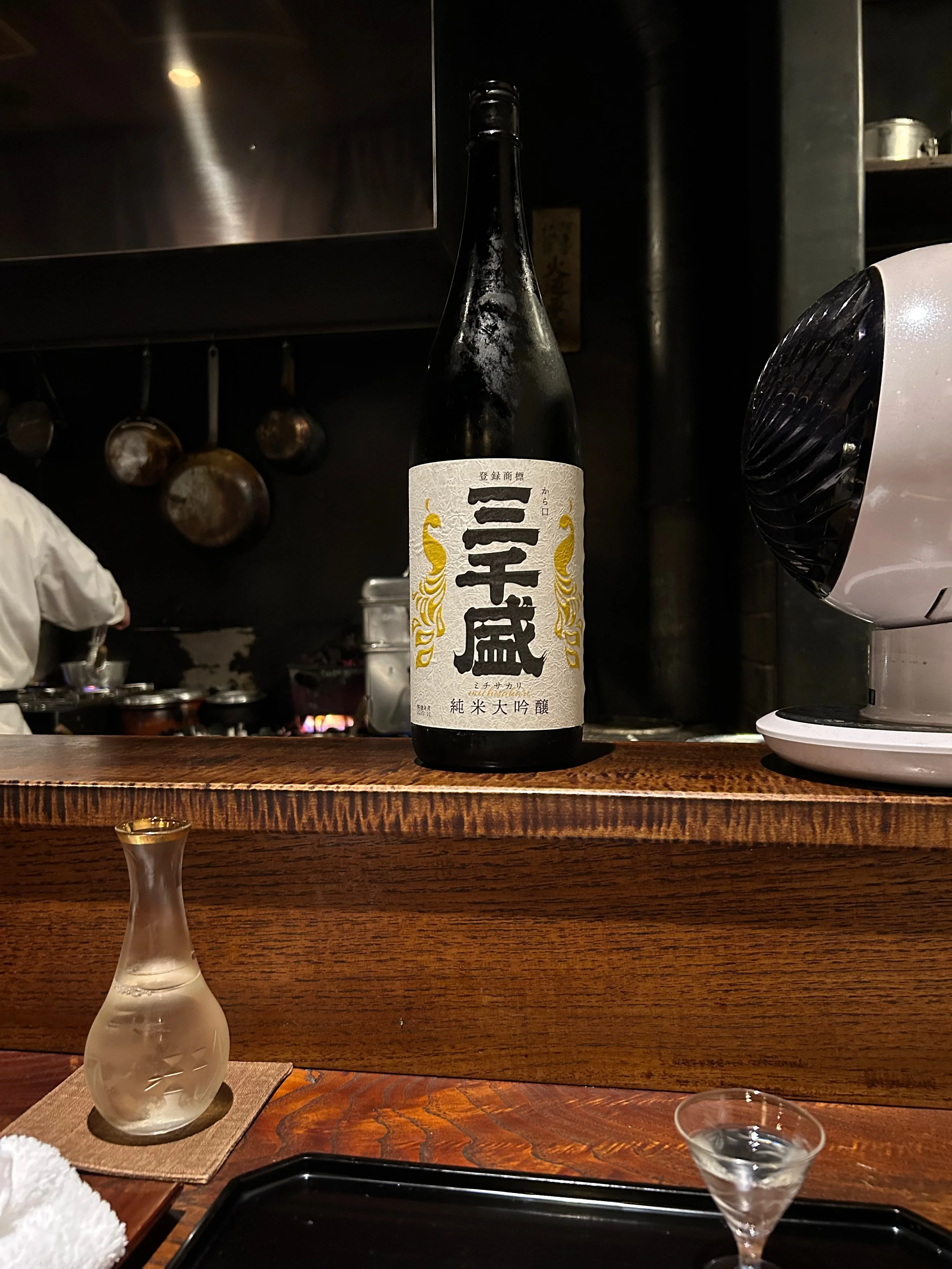
Sake at Kamigamo Akiyama
What to Do in Kyoto
Temples: Kyoto is known for its temples, and we had time to see only a few of those that we had hoped to see. Fushimi Inari Taisha is crowded but so unique that you must go. The orange wooden posts of the temple create a walkway that goes on and on. It is beautiful. We did not have time for Nanzen-ji, Saiho-ji or Daigo-ji, which all sounded fascinating. I also had hoped to see the rock garden at Ryoan-ji, but we did not make it there. The temple we enjoyed the most was the one we just happened upon. Kennin-ji. We were walking down Hanami-koji street, and Kennin-ji is at the end of the road. We wandered in, and all around the grounds including by the rock garden. It was not crowded, and it was really peaceful and lovely. We also enjoyed our visit to the tiny Gio-ji Temple, near Arashiyama Bamboo Forest, see below.
Arashiyama Bamboo Forest is also crowded, but for a good reason. Walking the path between the impossibly tall bamboo groves is breathtaking, and a must-do. After your walk through the forest, leave the crowds behind and continue on to Gio-ji Temple, and you will have it all to yourselves. We grabbed lunch at nearby Le Bouchon Tournesol, which was just okay. But our boys, a little tired of vegetables and raw fish, were happy about the pizza on the menu.
Nashiki Market is touristy but fun, and I recommend you go. Same goes for Teramachi-dori and Sanjo-dori.
Walk down Hanami-koji street at dusk, when the red lanterns are glowing.
Our guidebook recommended we walk down Pantocho Alley in the evening with the red lanterns glowing, in hopes of spotting a geisha. The alley was so packed with tourists we could barely move, let alone see much of anything.
The Kyoto Handicraft Center has some nice souvenirs, but it’s not worth going out of your way to do. The Itoya paper store in Ginza has beautiful paper, if that is of interest.
We all loved our Kyoto Samurai Experience, which I had registered for (on TripAdvisor) because of the teenage boys. But my husband and I enjoyed it, too. It was held in an old samurai’s home in Kyoto, and we learned about the daily life of the samurai, as well as how to use the sword. We all had a turn at slicing thick bamboo wood with our extremely sharp swords. I can’t remember if we signed a waiver, but in the U.S. I am not sure this activity would even be permitted! After the swords, we went back inside for a guided meditation.
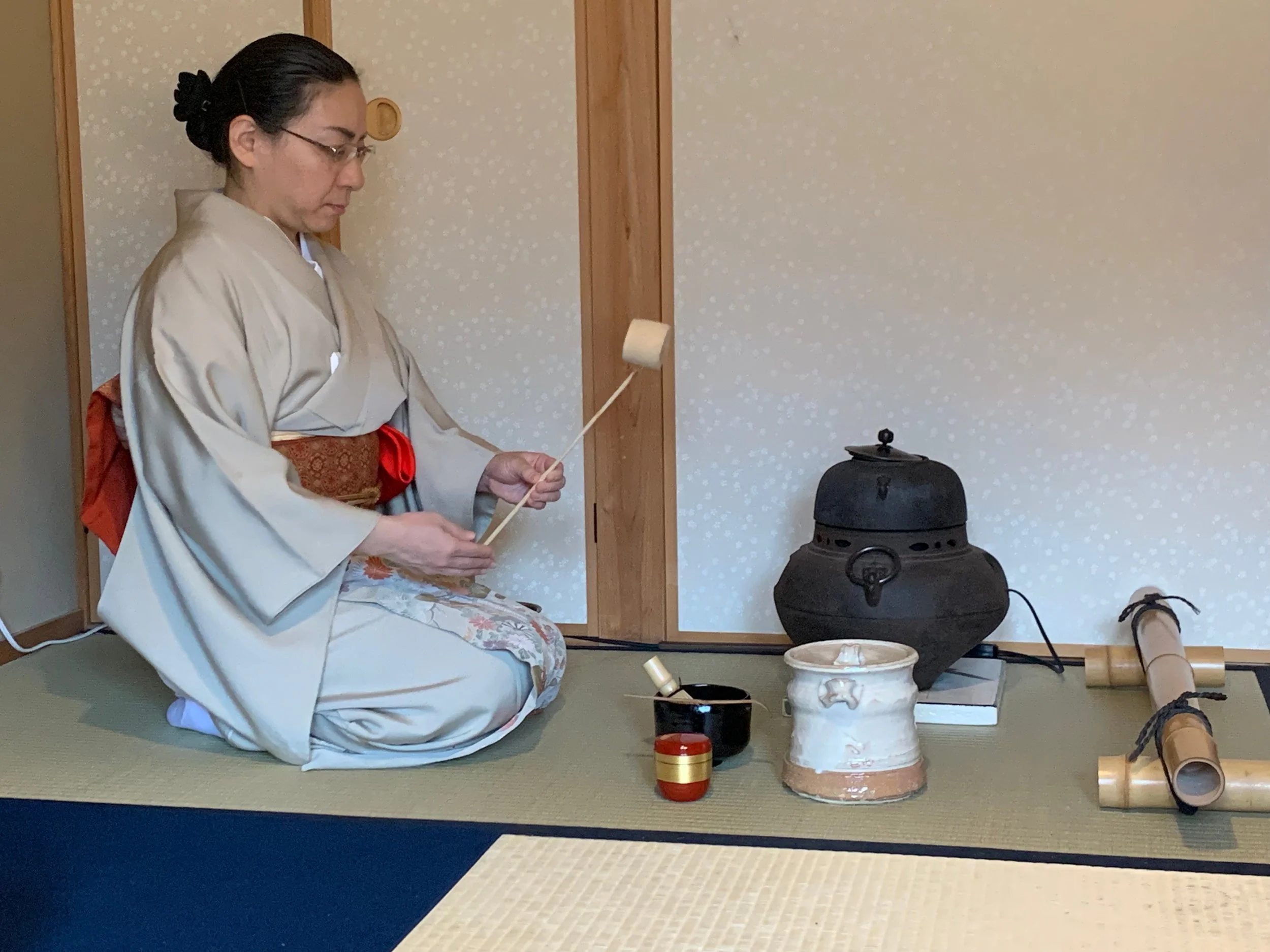
Our tea ceremony was interesting, and the boys really enjoyed mixing their own matcha tea.
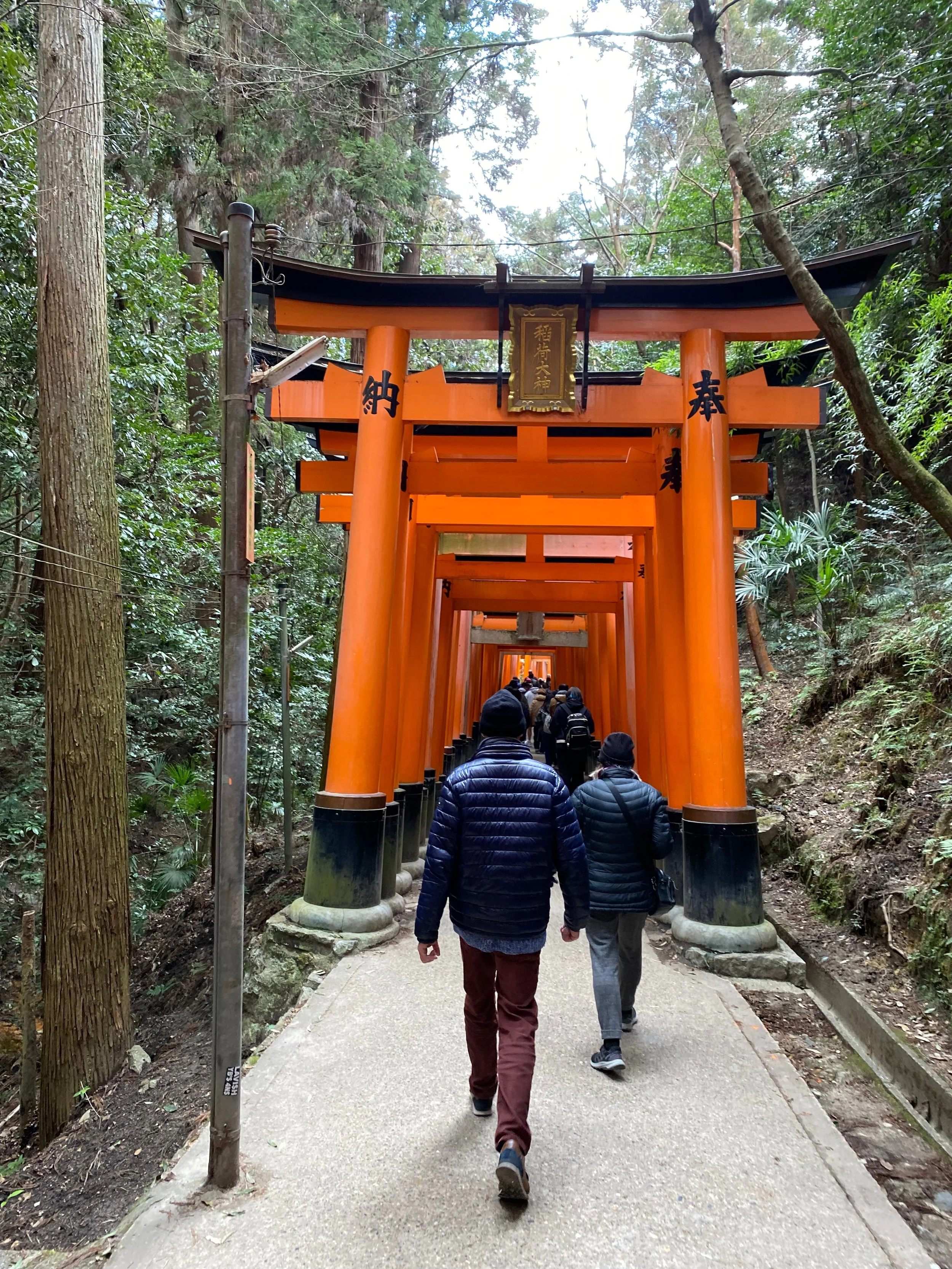
Fushimi Inari Taisha involves a long, beautiful walk through these orange wooden pillars
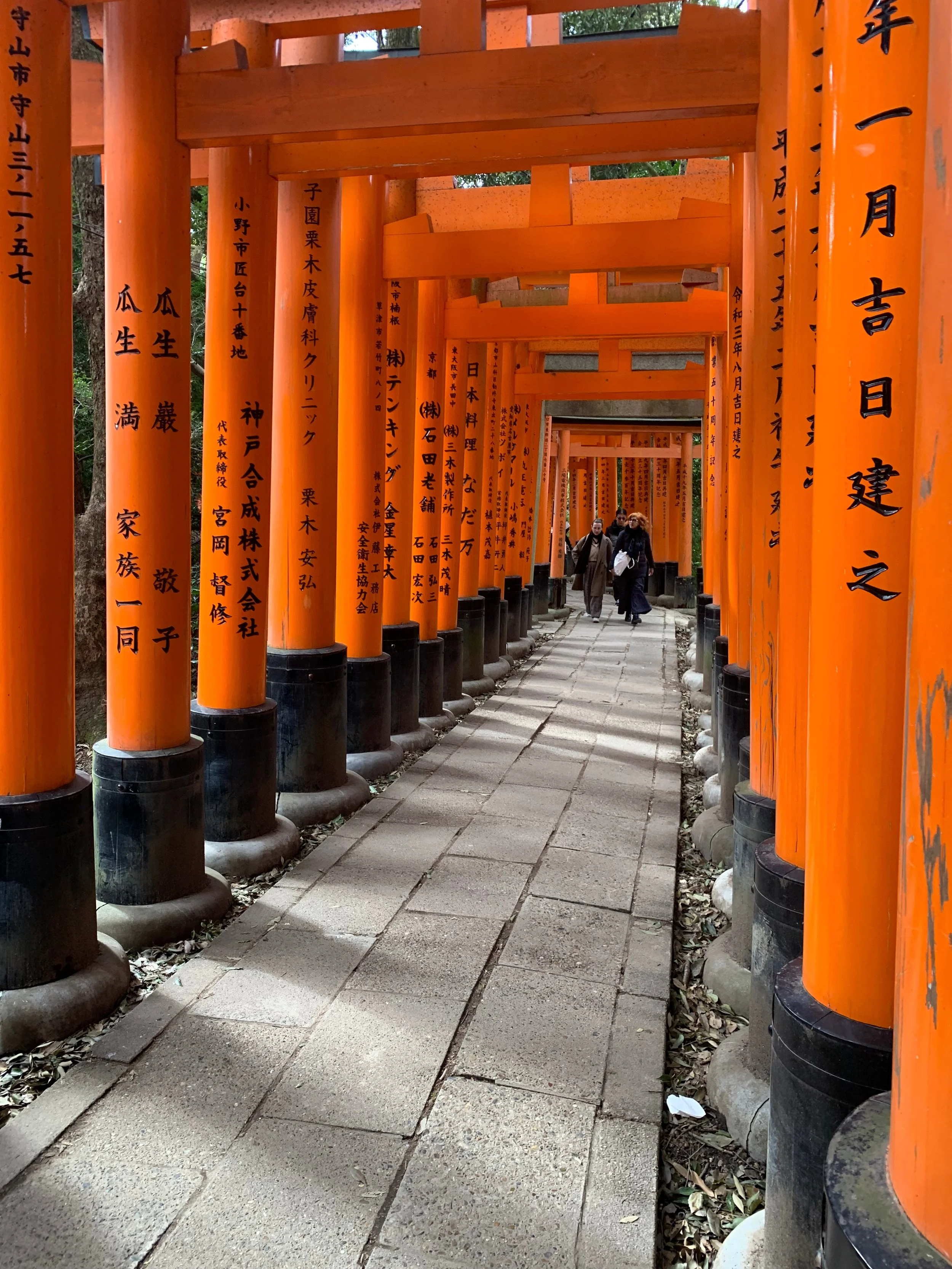
Fushimi Inari Taisha in Kyoto
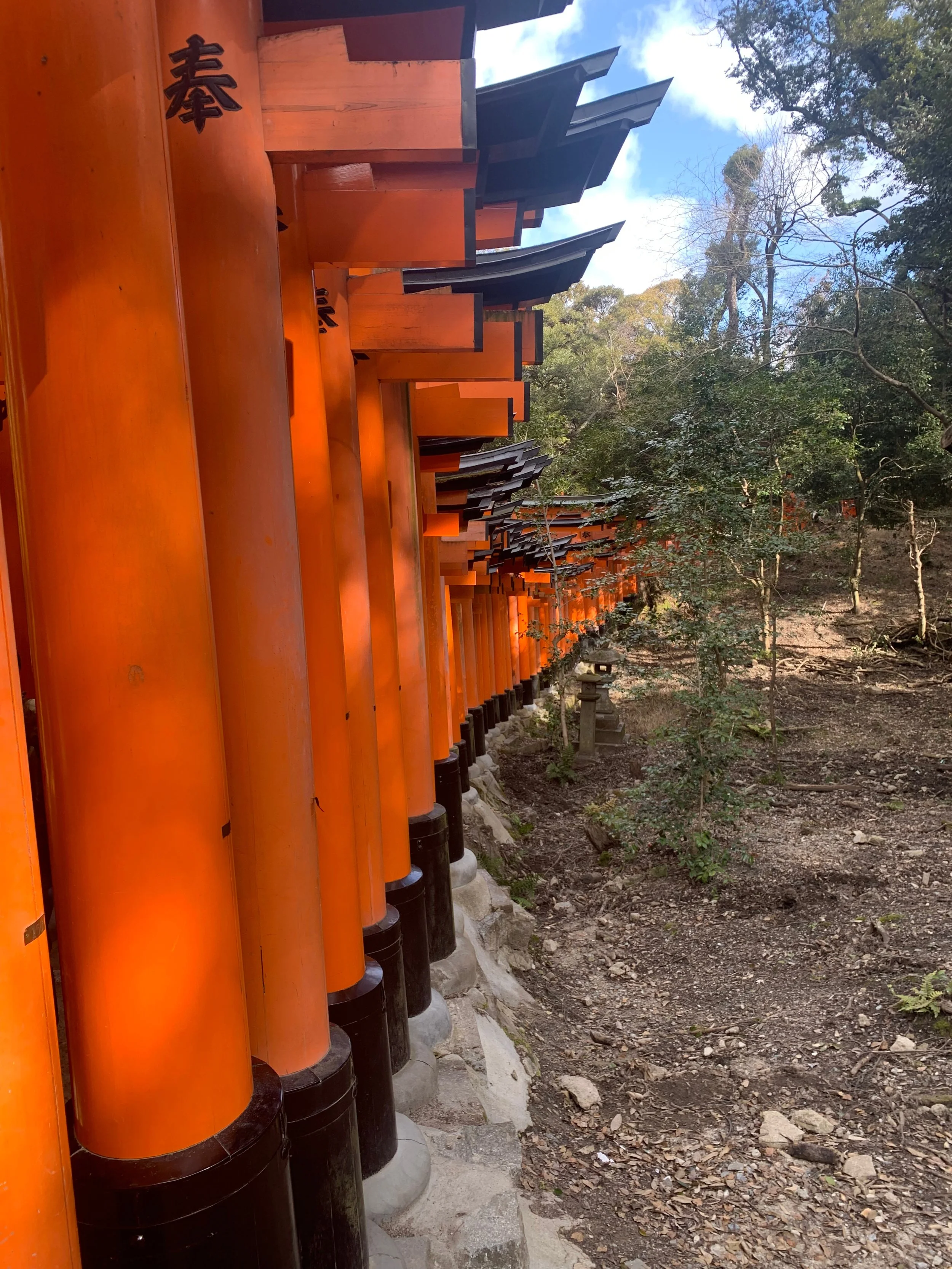
Fushimi Inari Taisha Temple is immersed in a peaceful forest
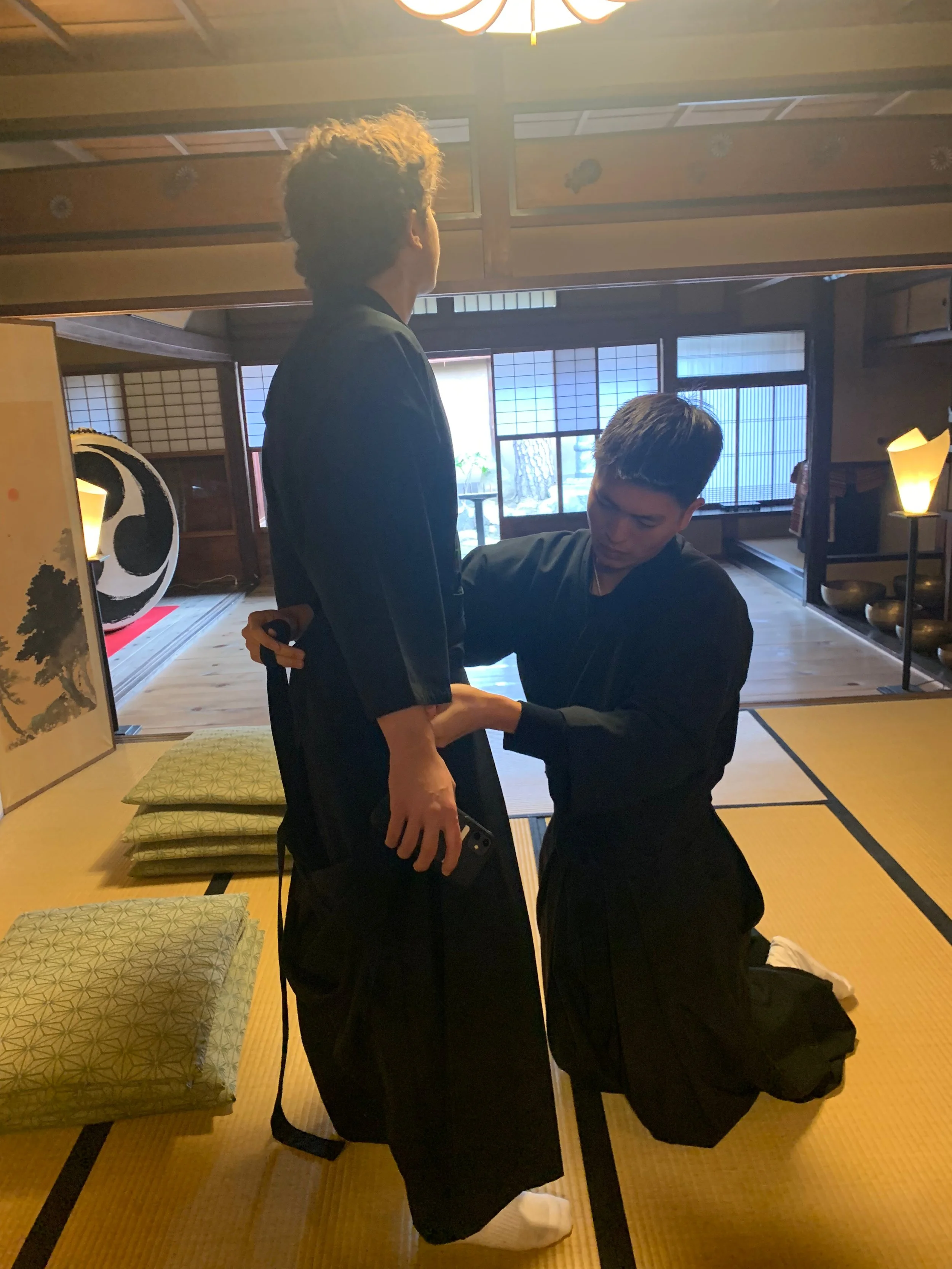
We all enjoyed our Samurai Sword Experience in Kyoto, including being dressed as samurai!
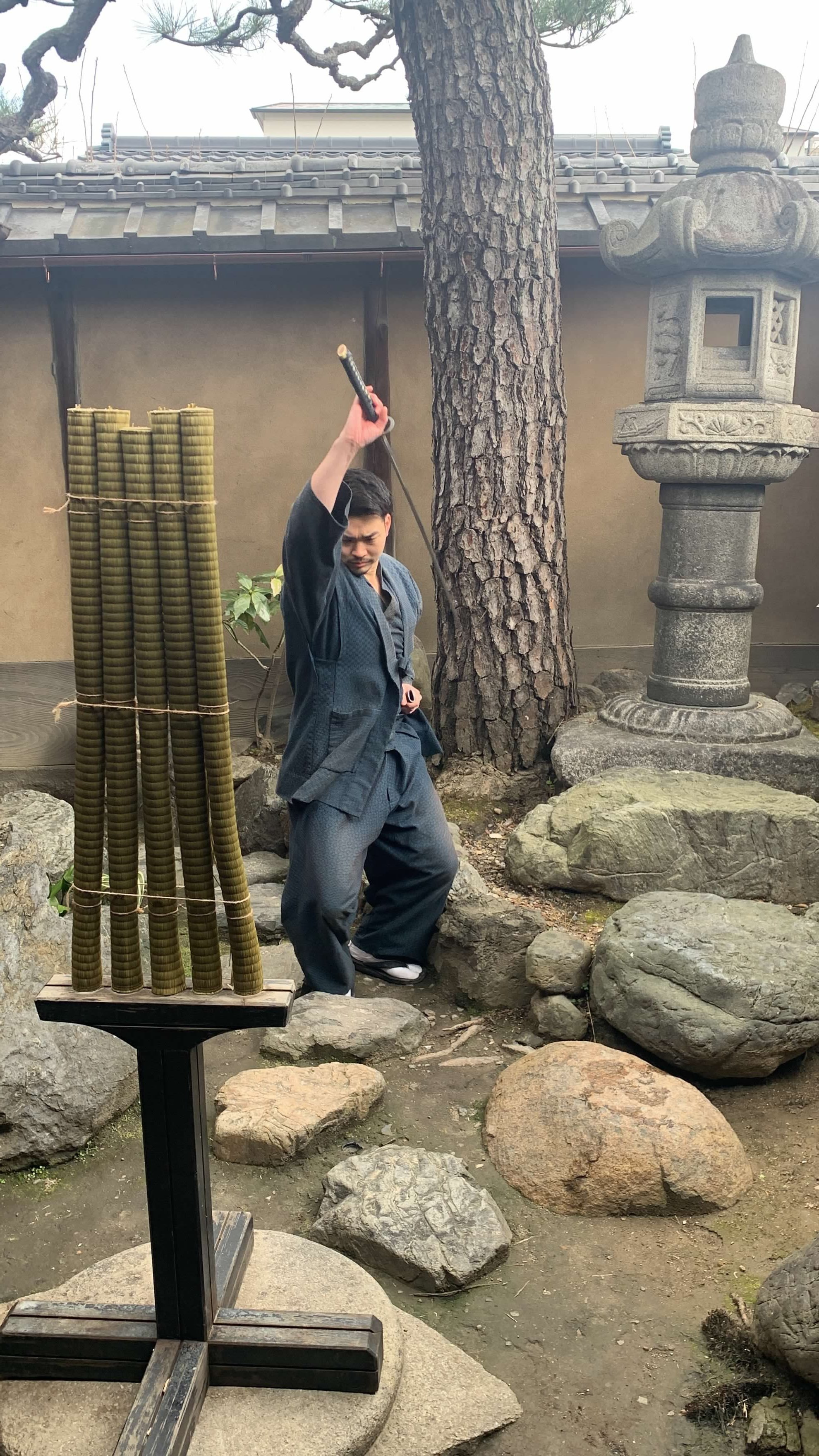
Our teacher demonstrated the technique
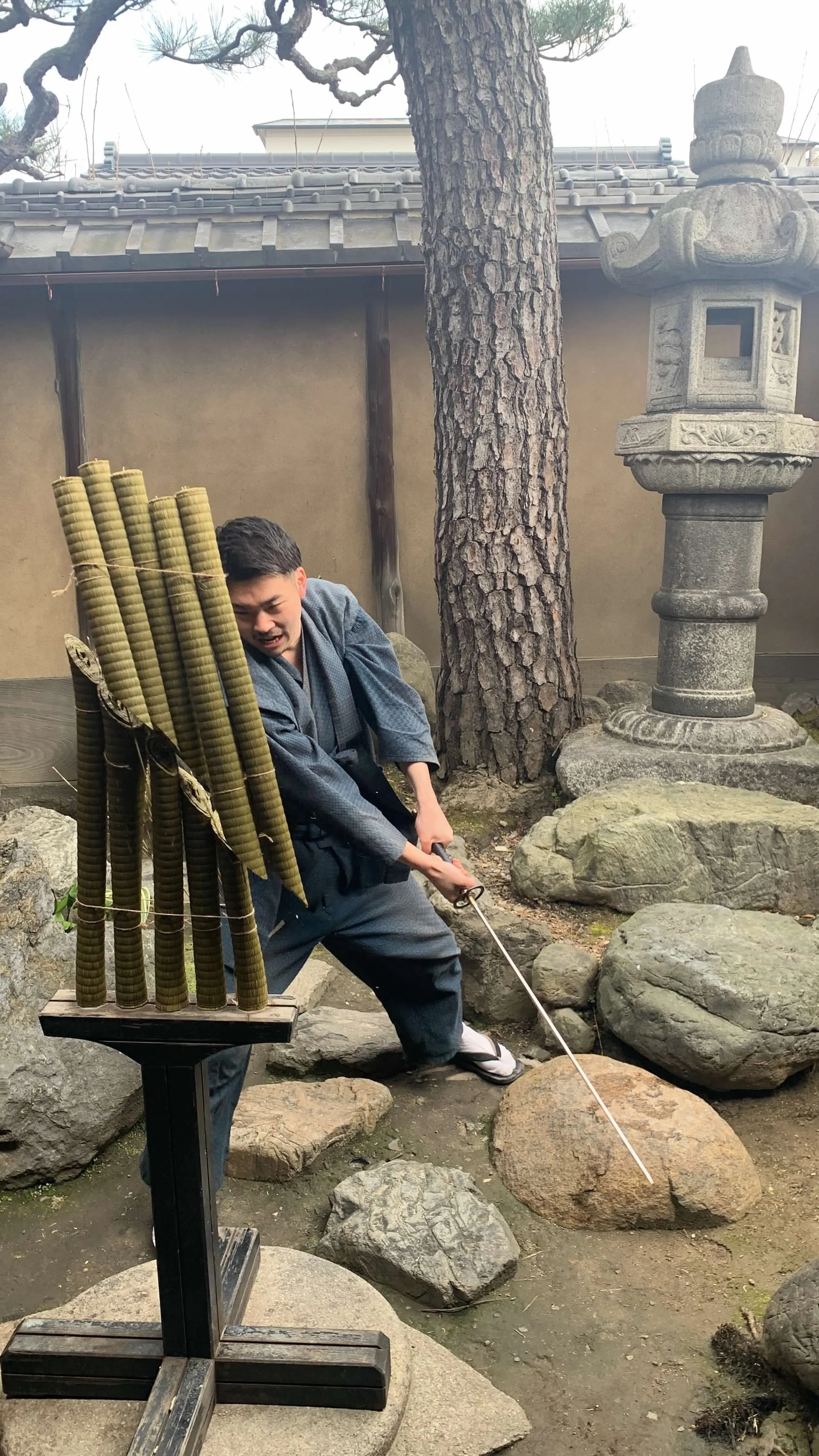
Successfully
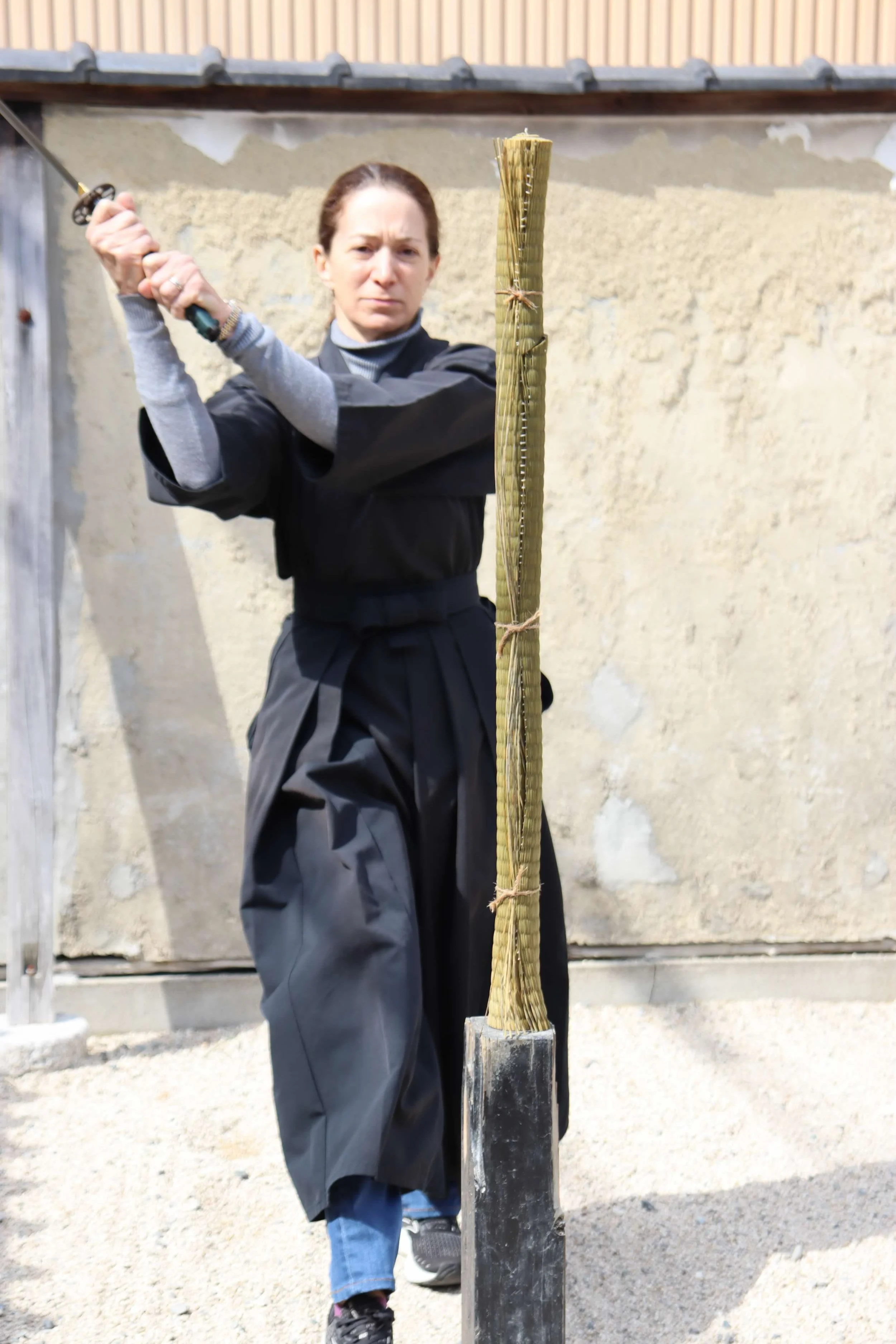
My turn.
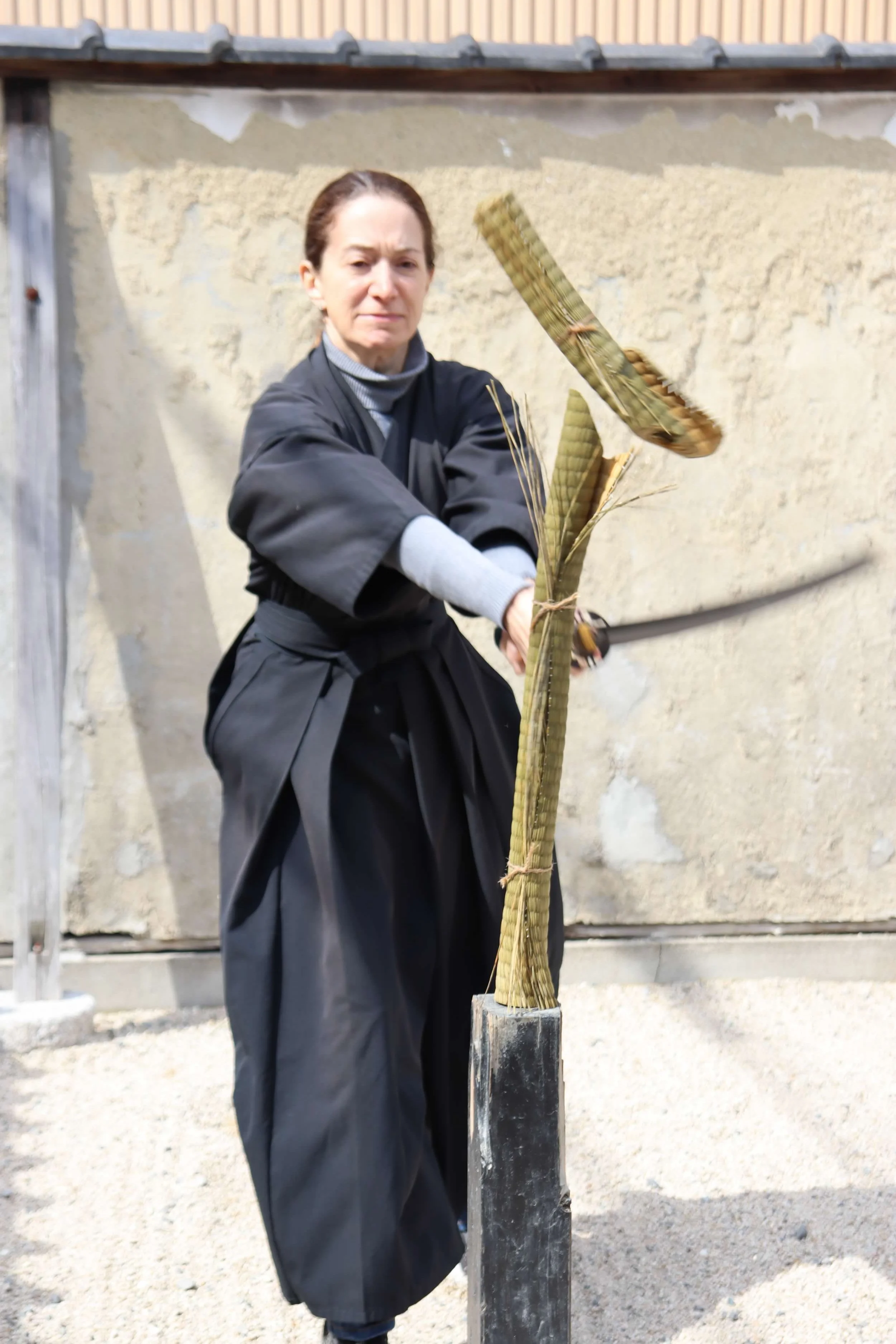
A little awkward but not terrible!
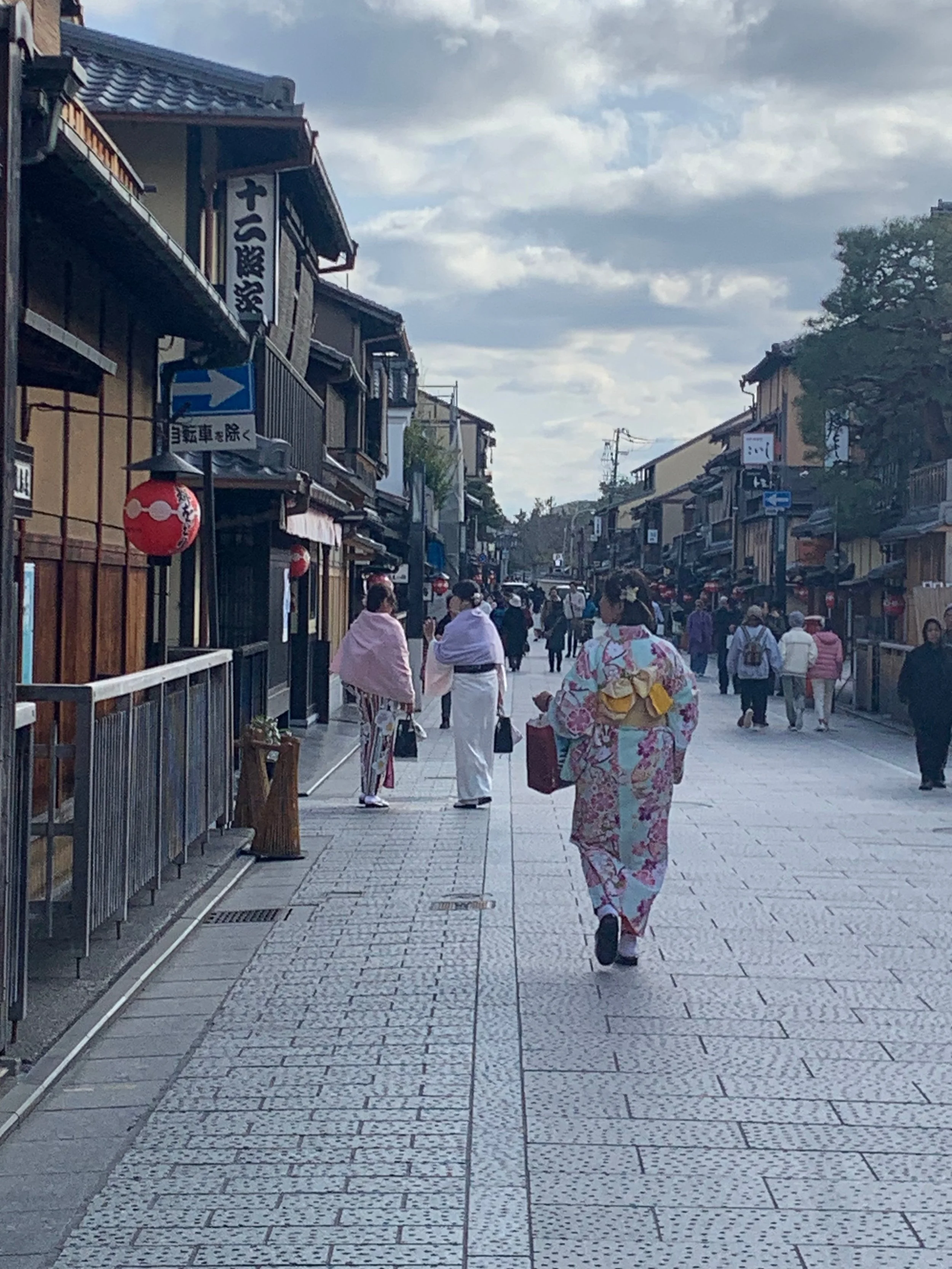
Hanami-koji in Kyoto by day
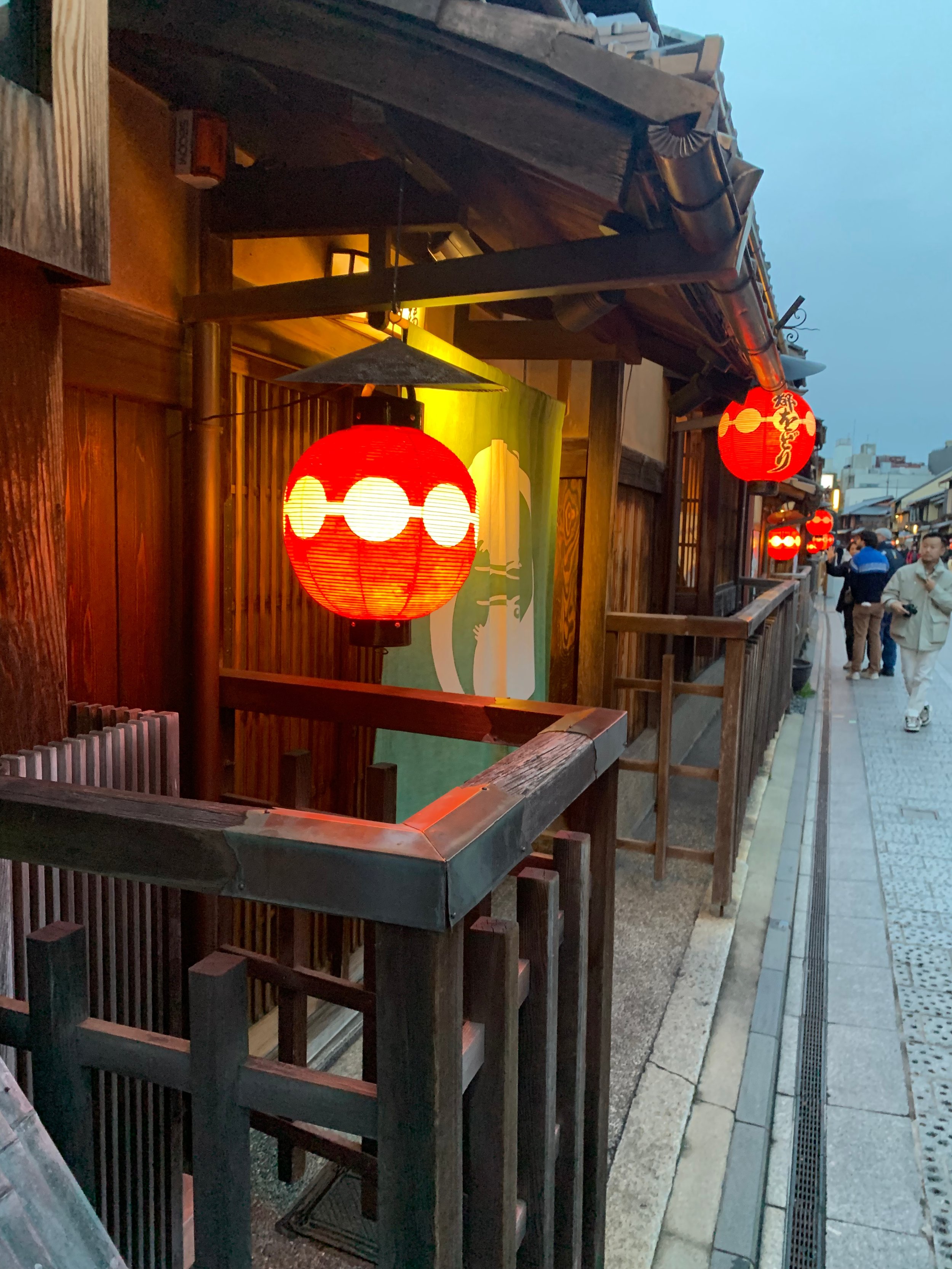
Hanami-koji in Kyoto by night
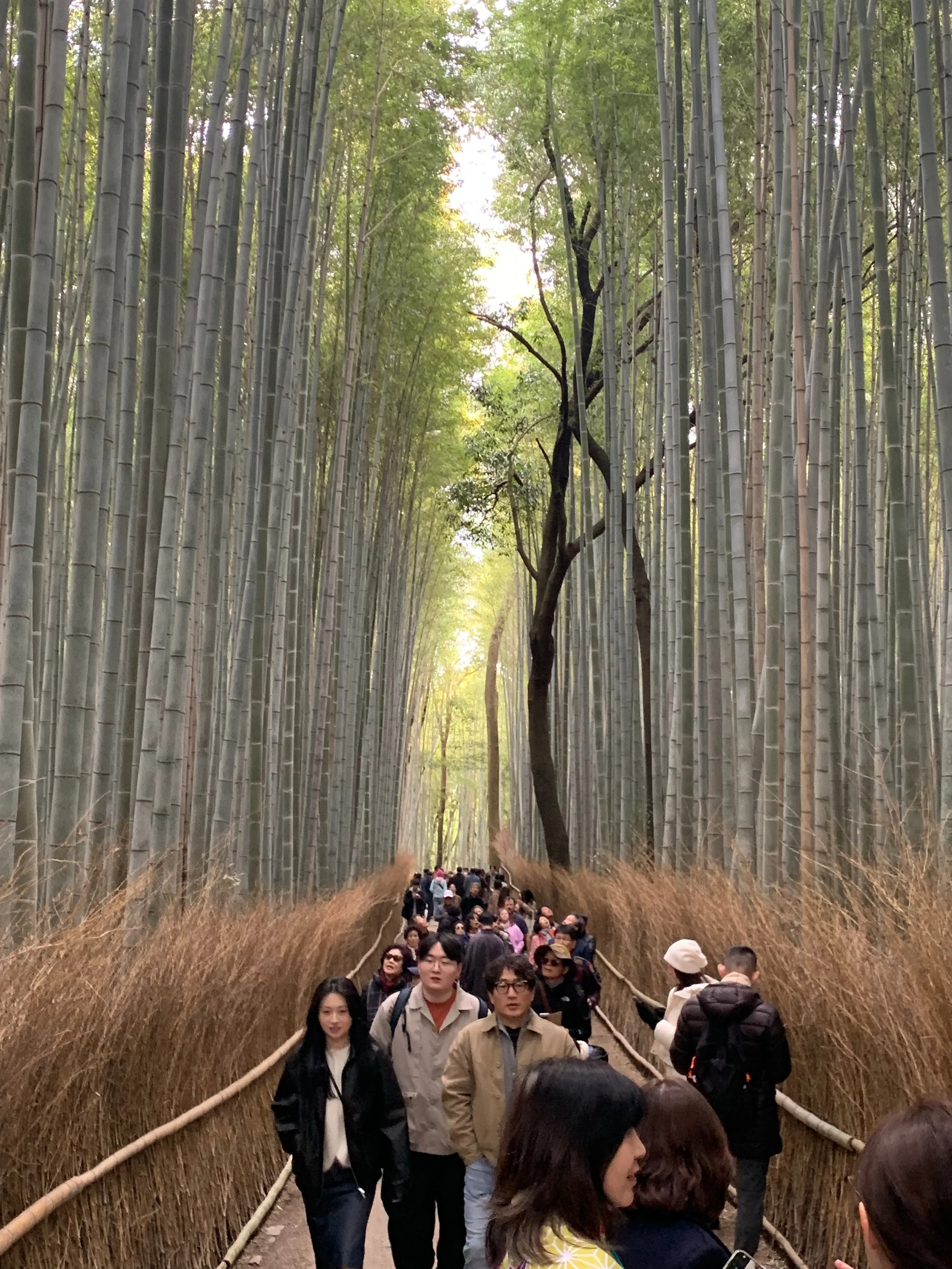
Arashiyama was crowded in spots, but just breathtakingly beautiful
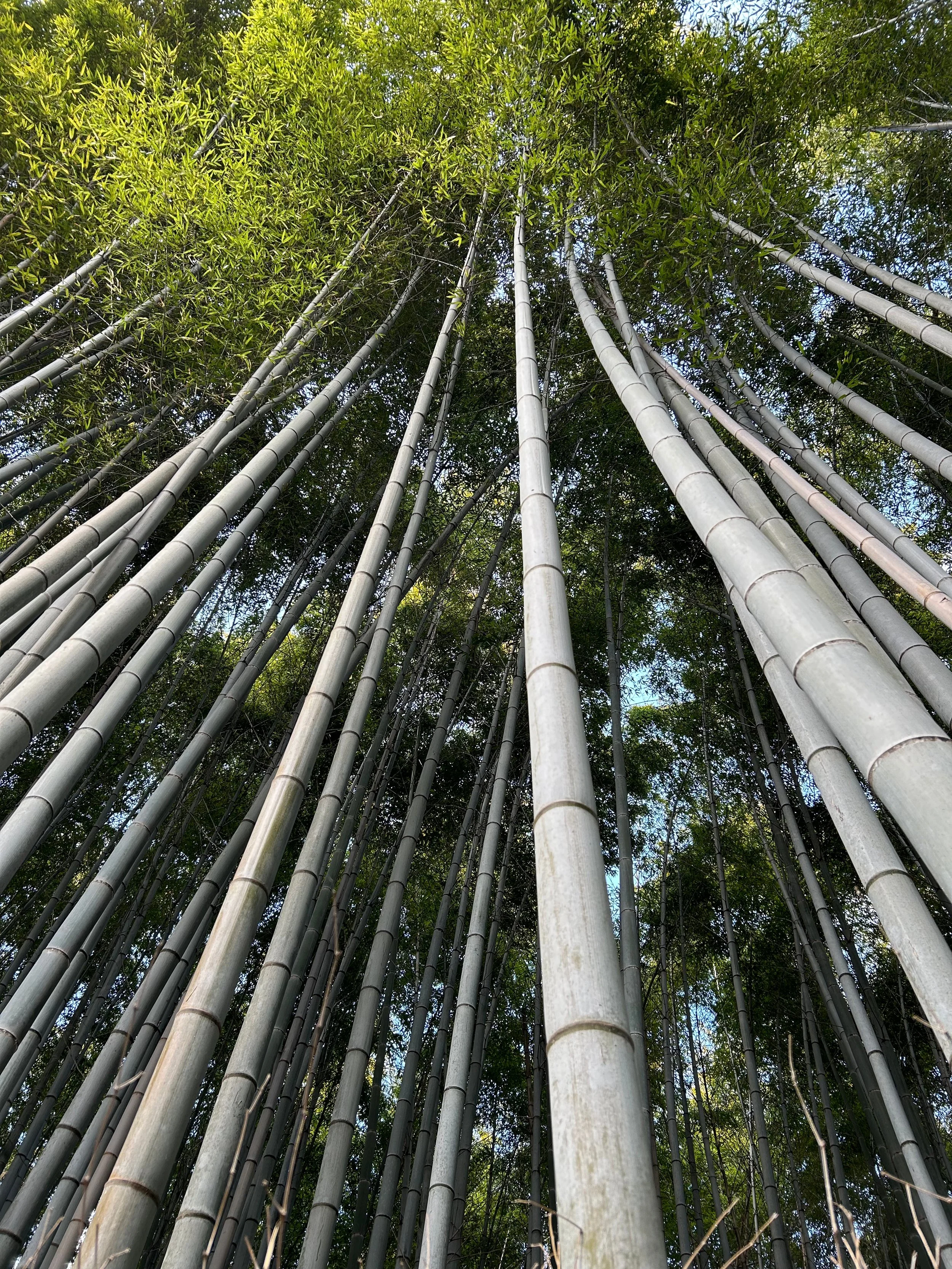
Arashiyama Bamboo Forest on the outskirts of Kyoto
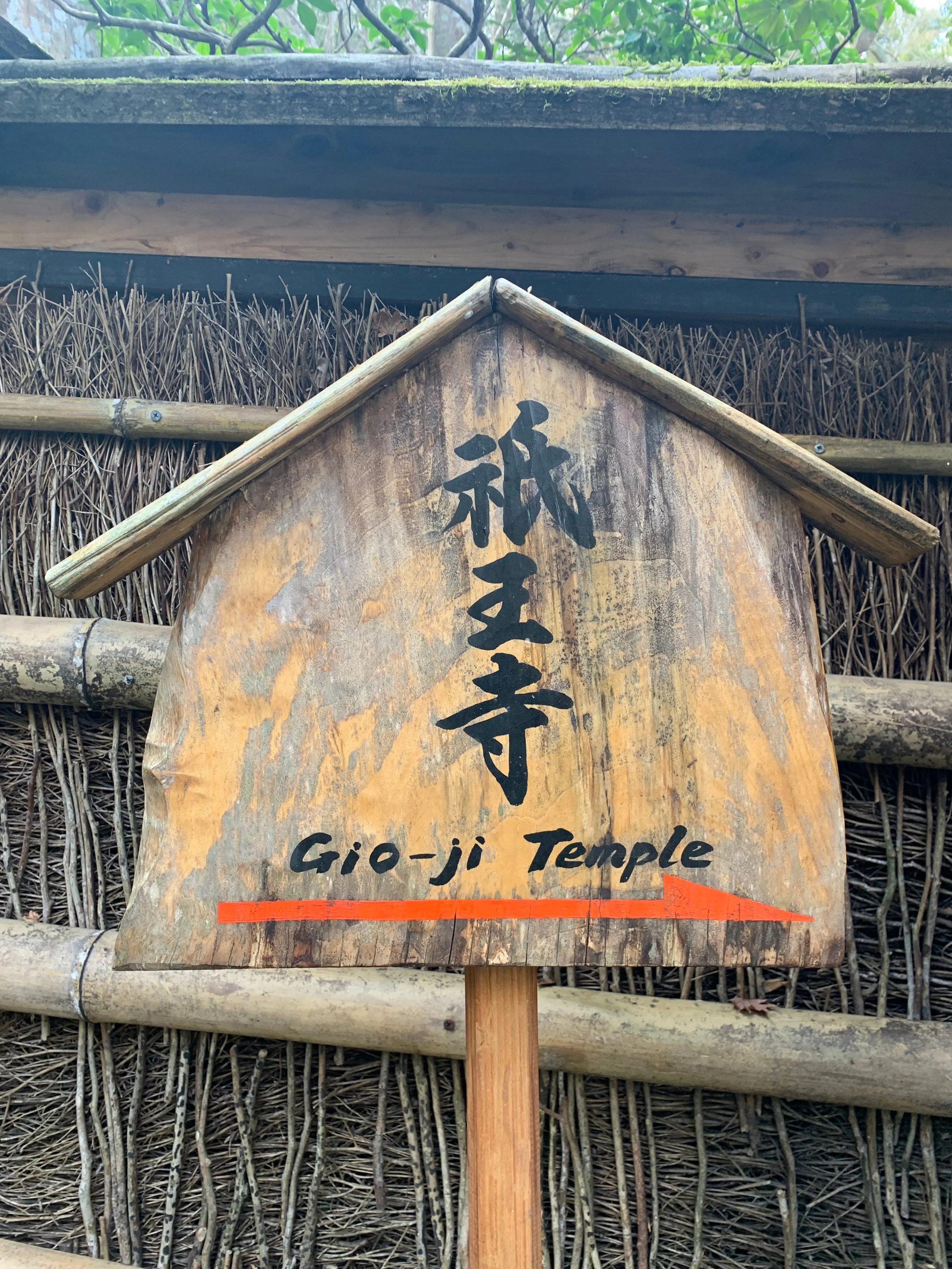
Few visitors bother taking the short walk beyond the bamboo forest to the tiny Gio-ji Temple
Day trips from Kyoto - Osaka, Hiroshima, and Miyajima Island
Osaka
We used this site to buy tickets to a sumo wrestling match in Osaka. Tickets sell out in advance, so if you are interested in seeing sumo, as soon as you know your travel dates, check this site for sumo events and submit your ticket request. From Kyoto, we took the train to Osaka, and walked to a pancake place (A chain called “A Happy Pancake”) for lunch before heading to the arena. You can buy different types of tickets, depending if you want cushions on the ground or a seat with a back. We chose the latter. It was really fun attending a sporting event in Japan, observing the fans and, as my mom always said when we traveled “soaking up the atmosphere”. The Sumo wrestling match lasts hours, but each match-up lasts mere seconds, so it’s easy to observe a lot of action in a short time period. We stayed for maybe two hours, which was perfect.
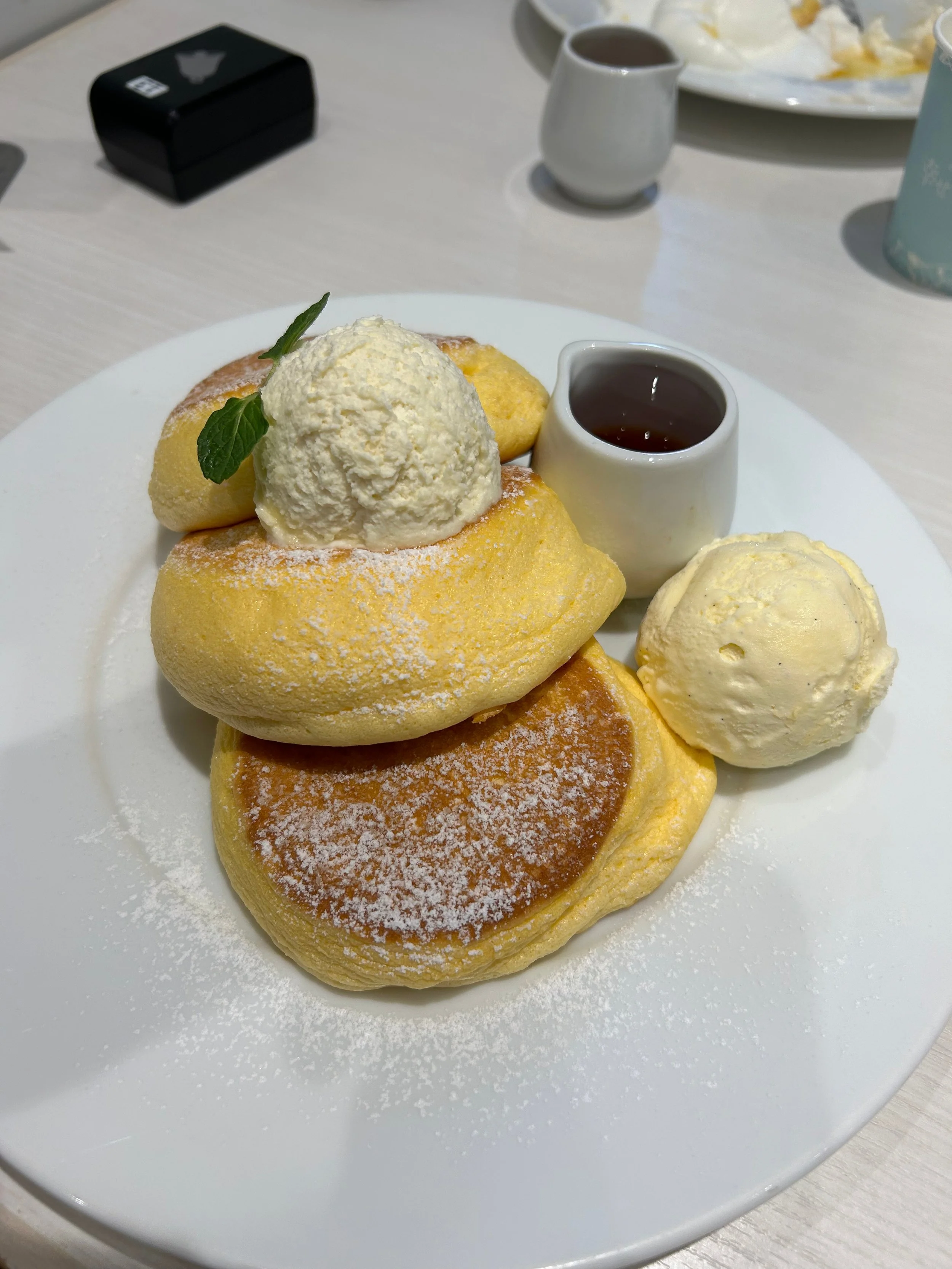
Japanese pancakes are extra fluffy
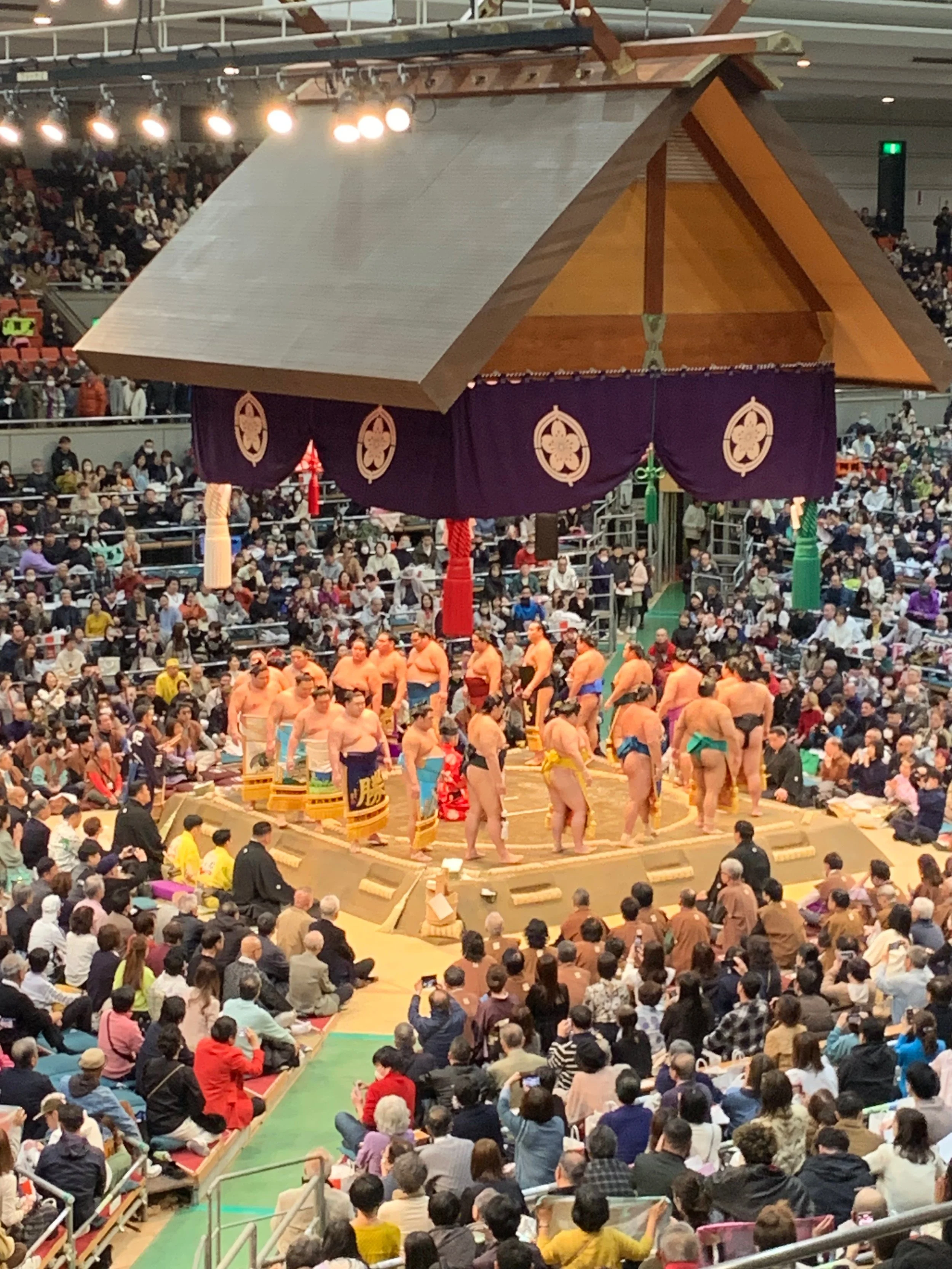
Sumo wrestlers parade around the ring in a sort-of opening ceremony
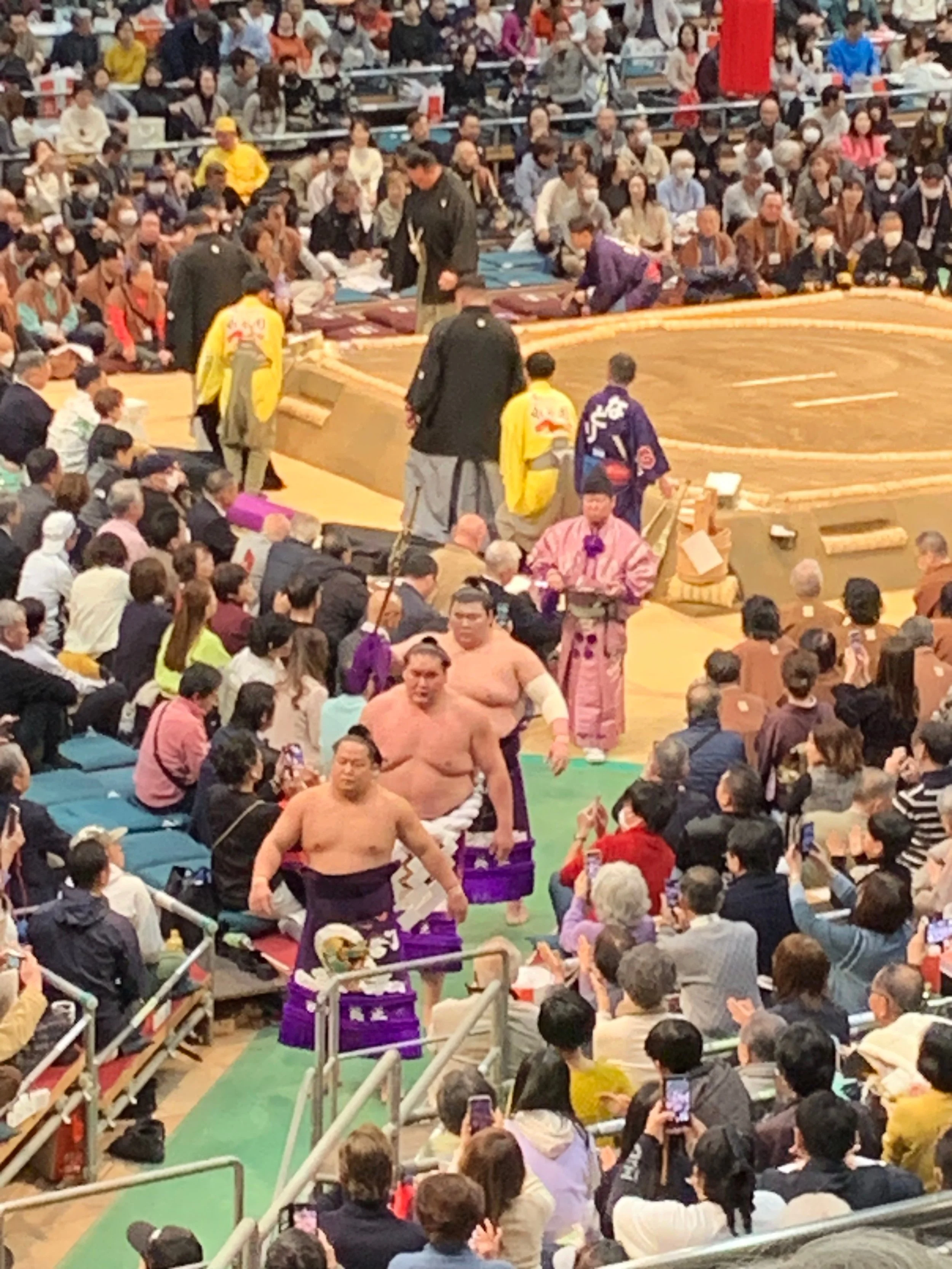
Sumo wrestlers leaving the ring after an opening ceremony at Edion Arena in Osaka
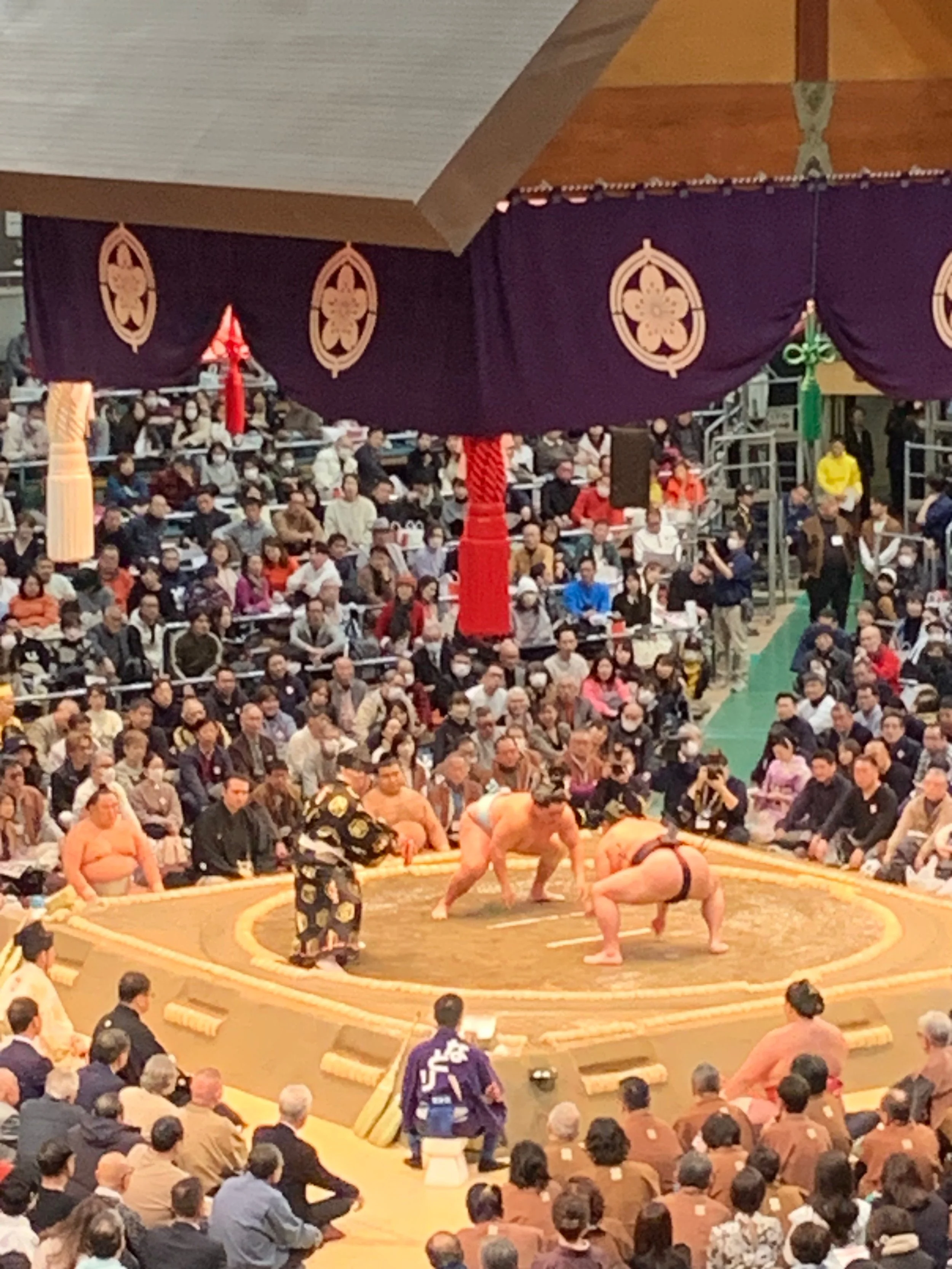
Sumo wrestlers square off
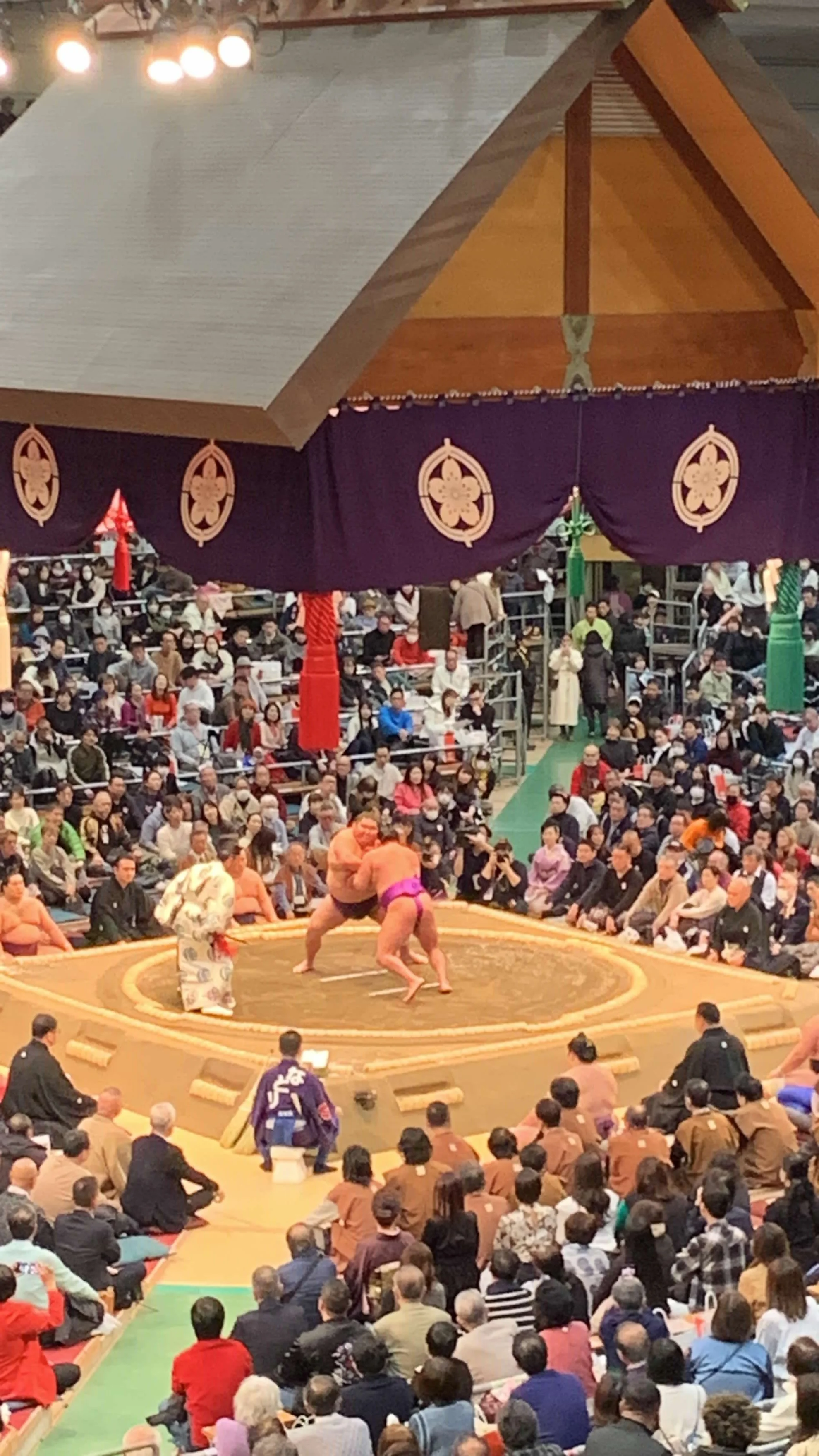
My amateur description: the wrestlers push each other for a few seconds until one steps out of the ring and then it’s over
Hiroshima & Miyajima Island
It’s a long day, but worth it to take this side trip from Kyoto to see impactful Hiroshima and beautiful Miyajima Island. We took at 6:55 am train from Kyoto, arriving in Hiroshima at 8:36 am. Then we transferred directly to a train to Miyajimaguchi, got off, and followed the arrows on the ground to the ferry to Miyajima Island. I was glad we left early because we were able to see the Torii Gate and the ancient Shinto Itsushukima Shrine before the crowds. Note that the Torii Gate is a different experience depending on the tide. I wanted to see it at high tide, when it was partly under water so it looked like it was floating. Others prefer to see it at low tide, when you can walk right up to it. There is a small town on Miyajima, where you can hit a cafe for a coffee and a snack. Others are delighted by the opportunity to get close to the deer that populate the island, but living just a handful of towns away from Lyme, Connecticut, we took a pass. If we had had more time on the island, I would have loved to walk to Daisho-in Temple at the base of Mount Misen, or even hike up to Misen’s summit. Miyajima Island is beautiful and it was nice to be out of the city and in nature. After our visit to Itsushukima Shrine, we took the ferry and then train back to Hiroshima where we hoped to try Osaka-style savory pancakes at Okonomiyaki Nagata-ya, but so did everyone else and we faced a 90-minute wait. Instead, we found a French bakery in the nearby covered pedestrian shopping street, then went on to Hiroshima’s sites.
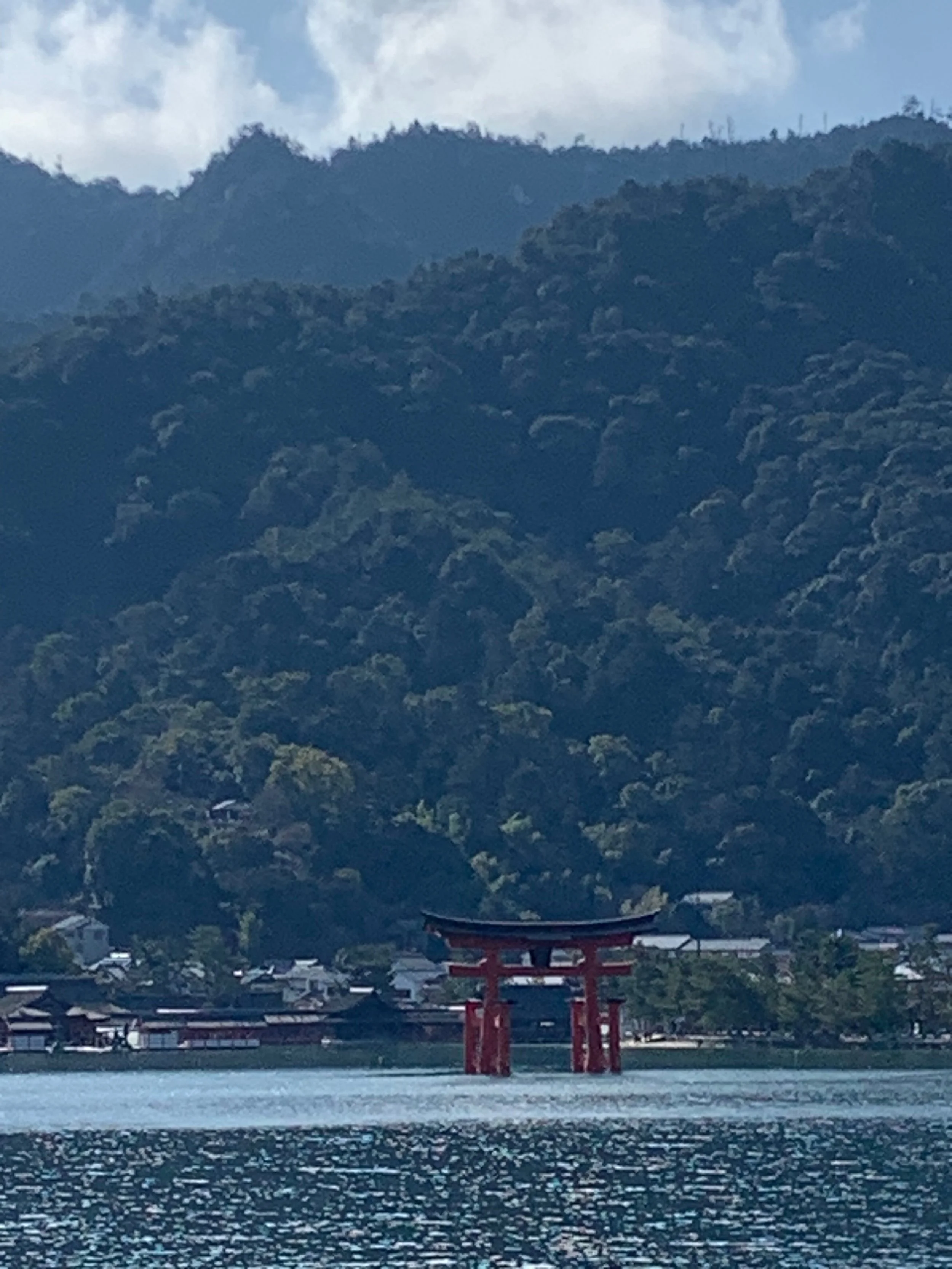
Torii Gate to the Itsukushima Shrine, at high tide, on Miyajima Island
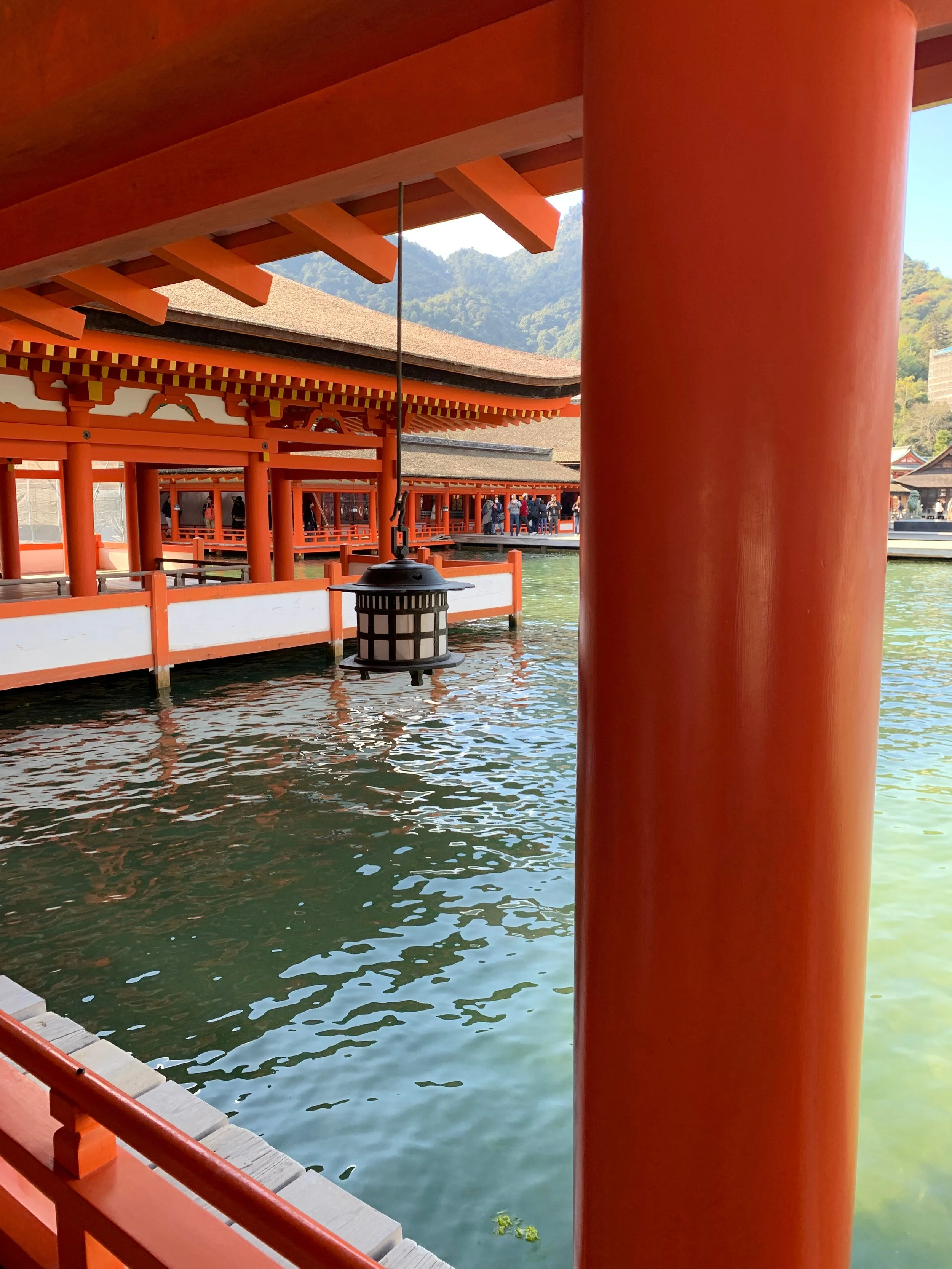
Itsukushima Shrine was among my favorites we visited, both for its beauty and setting
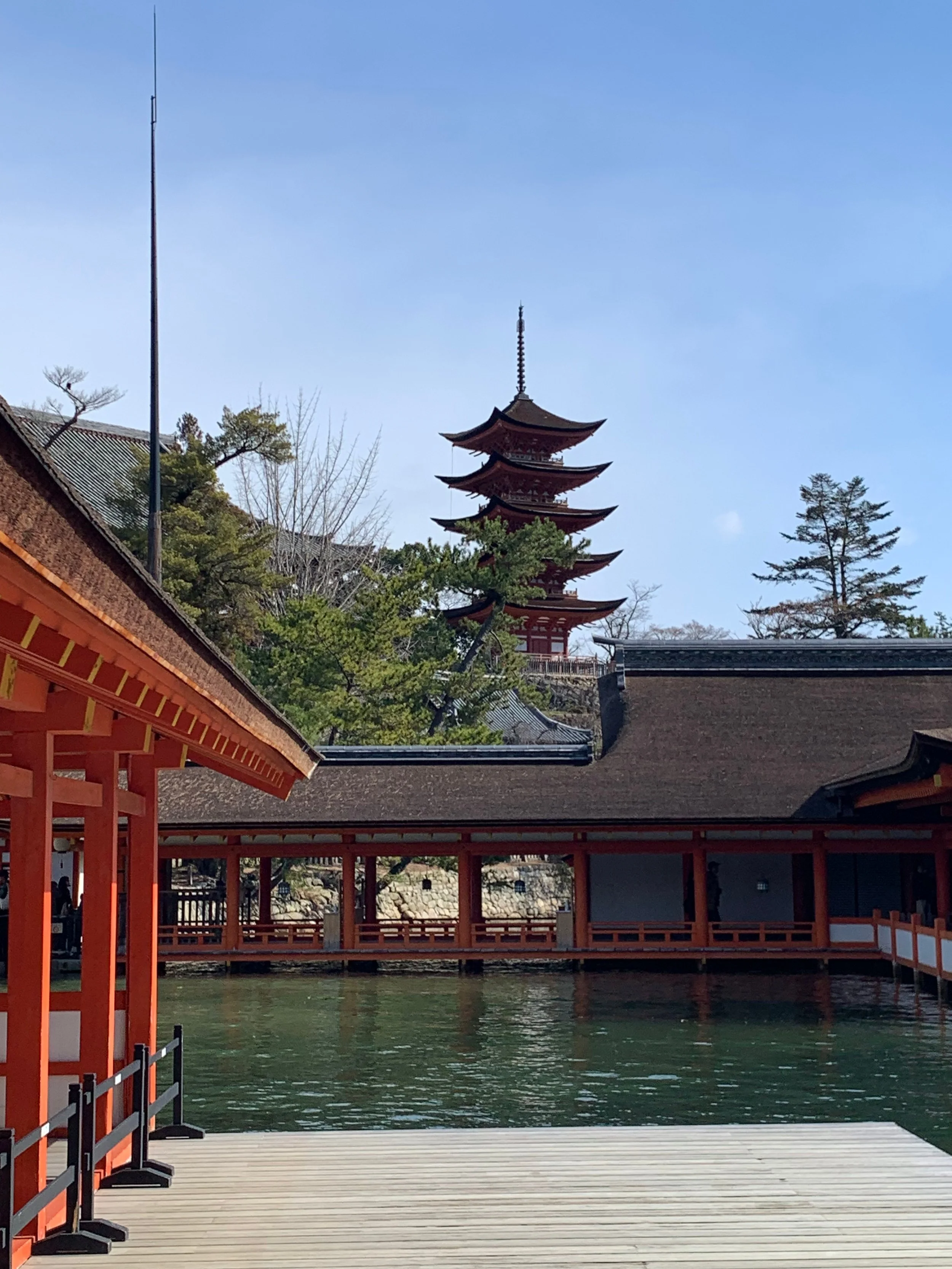
A view from Itsukushima Shrine
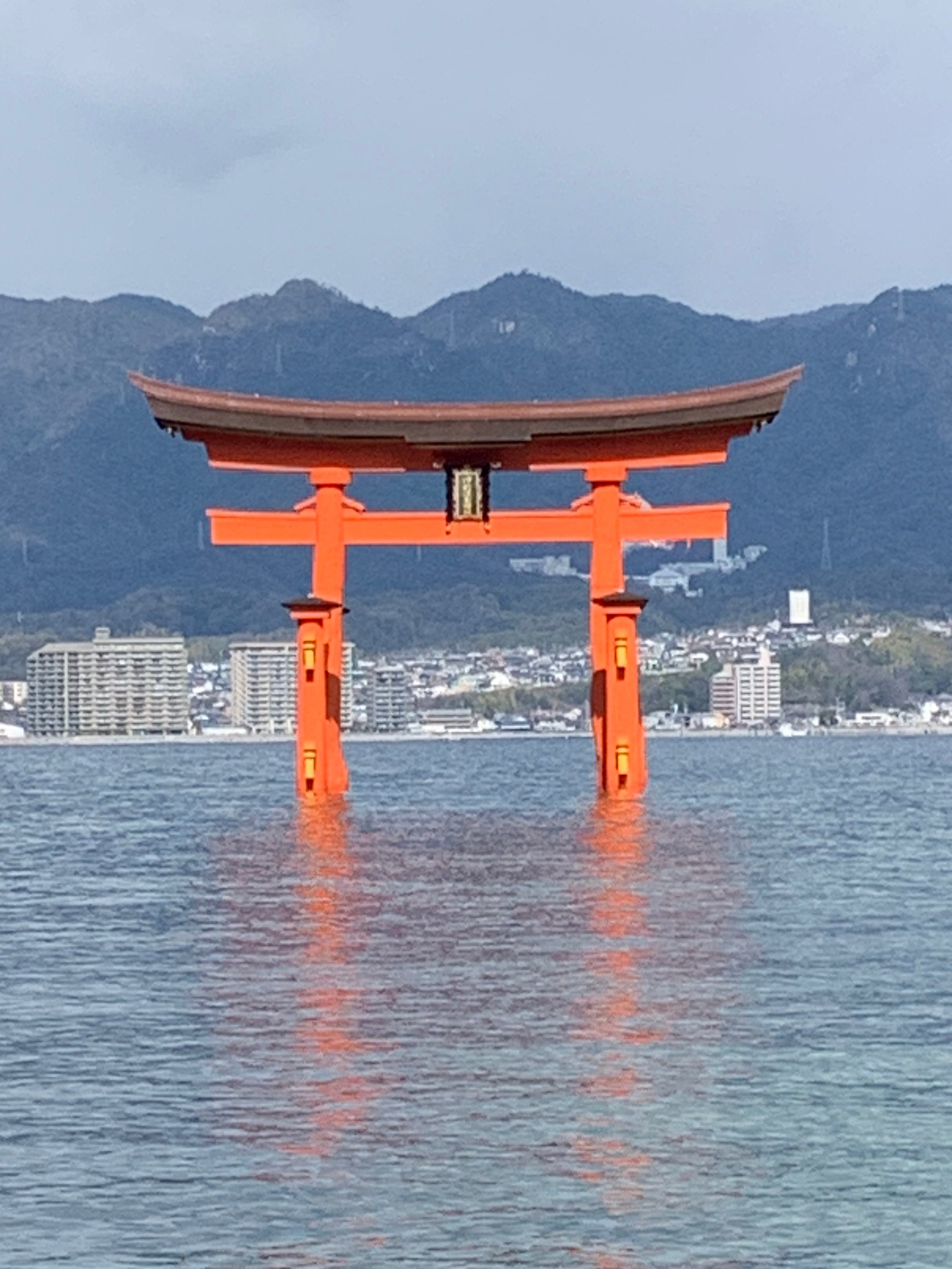
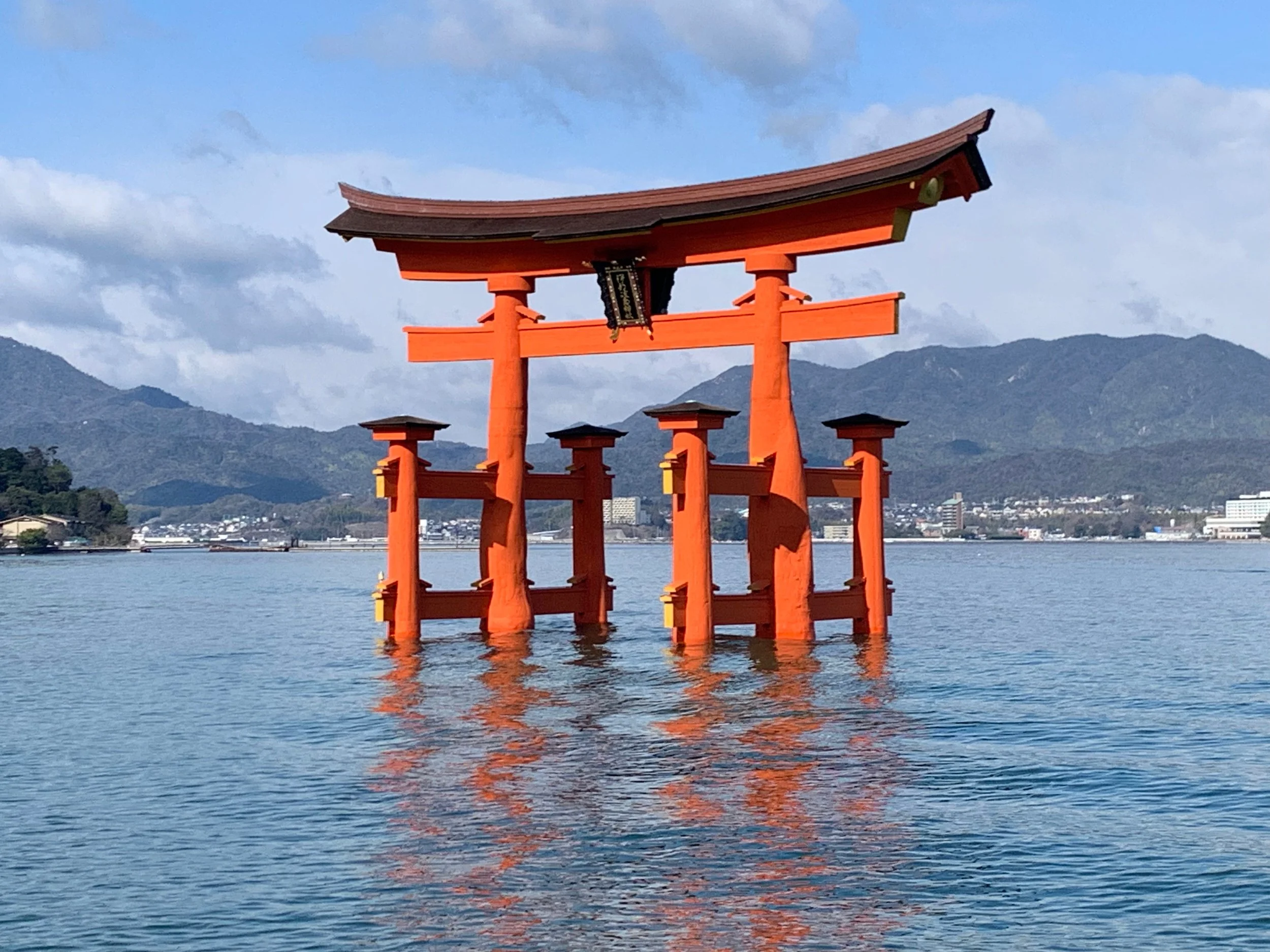
The sun came out during our visit, and the gate shone against the mountains, sky, and water
Hiroshima’s Peace Memorial Park is a beautiful and mournful place. The weight of the 1945 tragedy in Hiroshima is felt perhaps most fiercely at the Children’s Peace Monument, which honors Sadako Sasaki and the many thousands of children who died as a result of the nuclear bomb and its fallout. Sadako was two years old when the bomb as dropped on her city. Sadako survived, but later developed leukemia as a result of radiation exposure. She began folding origami paper cranes, hoping to reach 1,000 of them, which Japanese legend said would heal her. Sadako died at age 11, several hundred cranes short of her goal. Her distraught classmates came together to finish the remaining cranes. Schools around the world sent money, and paper cranes, and as a result of these donations, the Children’s Peace Monument was constructed. Children and visitors still make, send, and leave paper cranes at the monument. Our son and nephew added their paper cranes, which they made in their origami workshop in Tokyo.
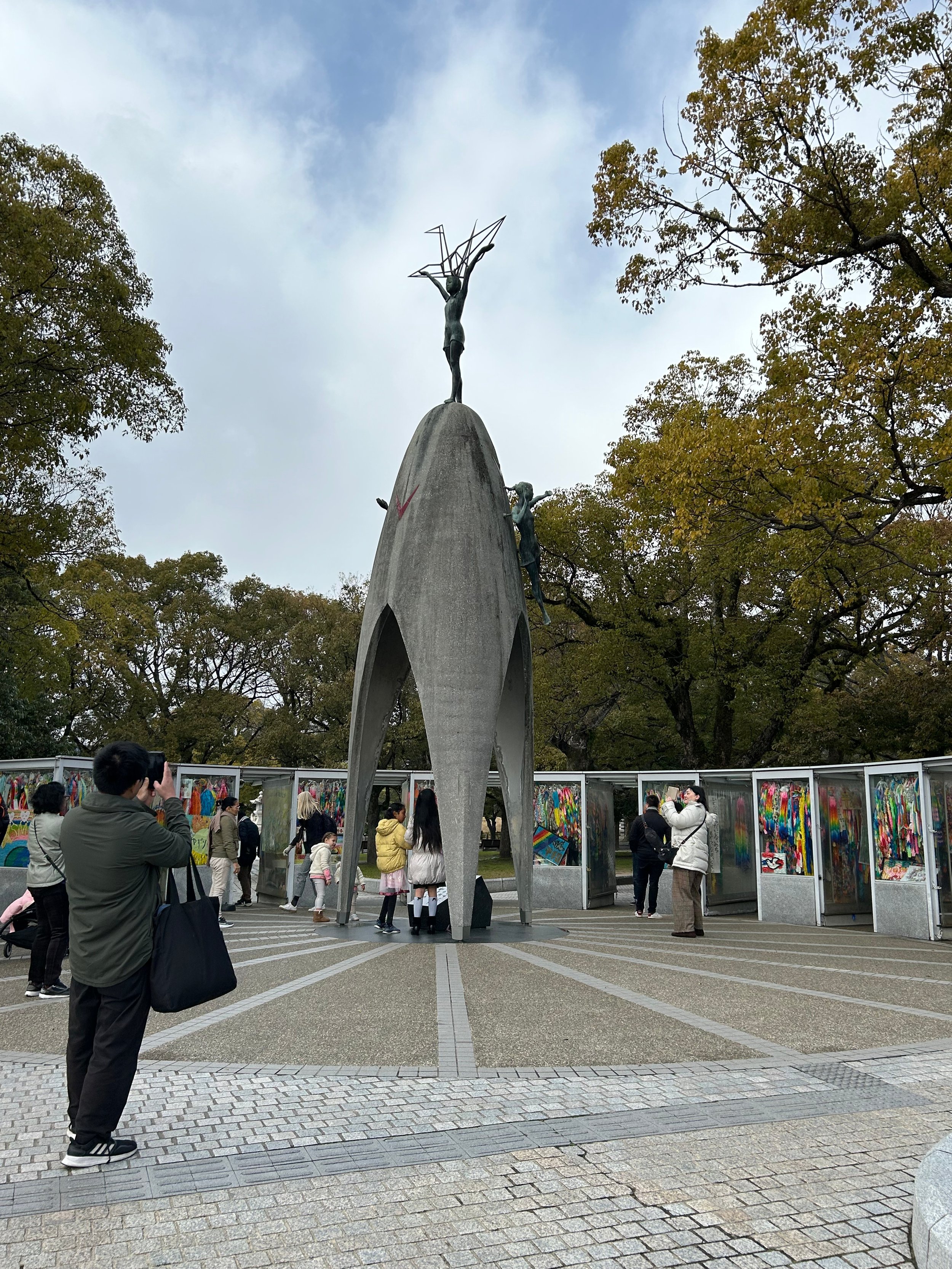
A statute of a child holding a paper crane adorns the top of The Children’s Peace Monument in Hiroshima
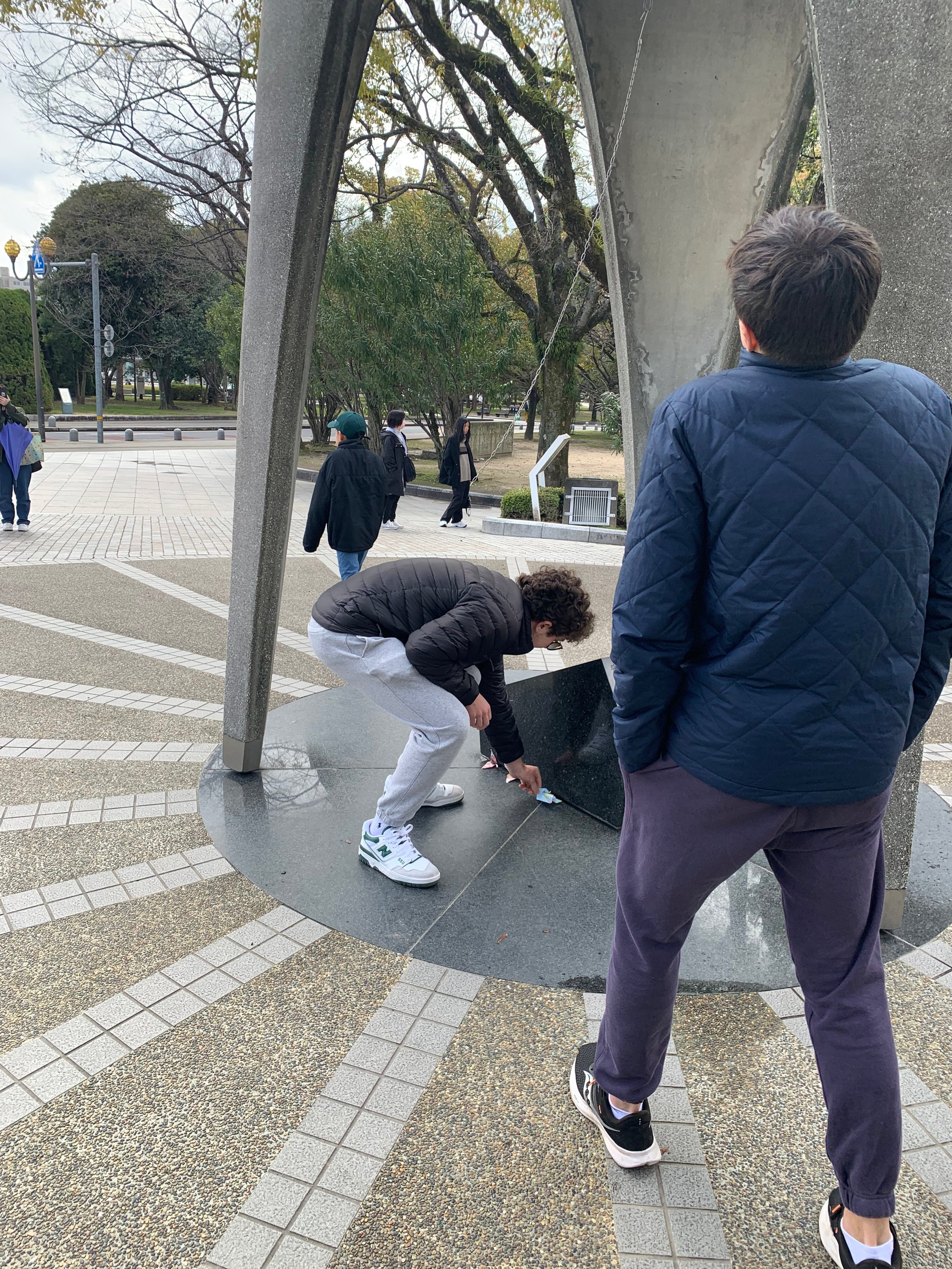
My son and nephew leave their paper cranes from origami class at the monument
There is much more to see in the Peace Memorial Park, like the Atomic Dome, and of course, the Hiroshima Peace Memorial Museum itself. It was crowded when we were there, but I suppose it is encouraging that so many people from around the world come to learn about the horror caused by the dropping of the atomic bombs in Japan. We also walked to the spot where the bomb hit the ground, now on a busy commercial street in the city.
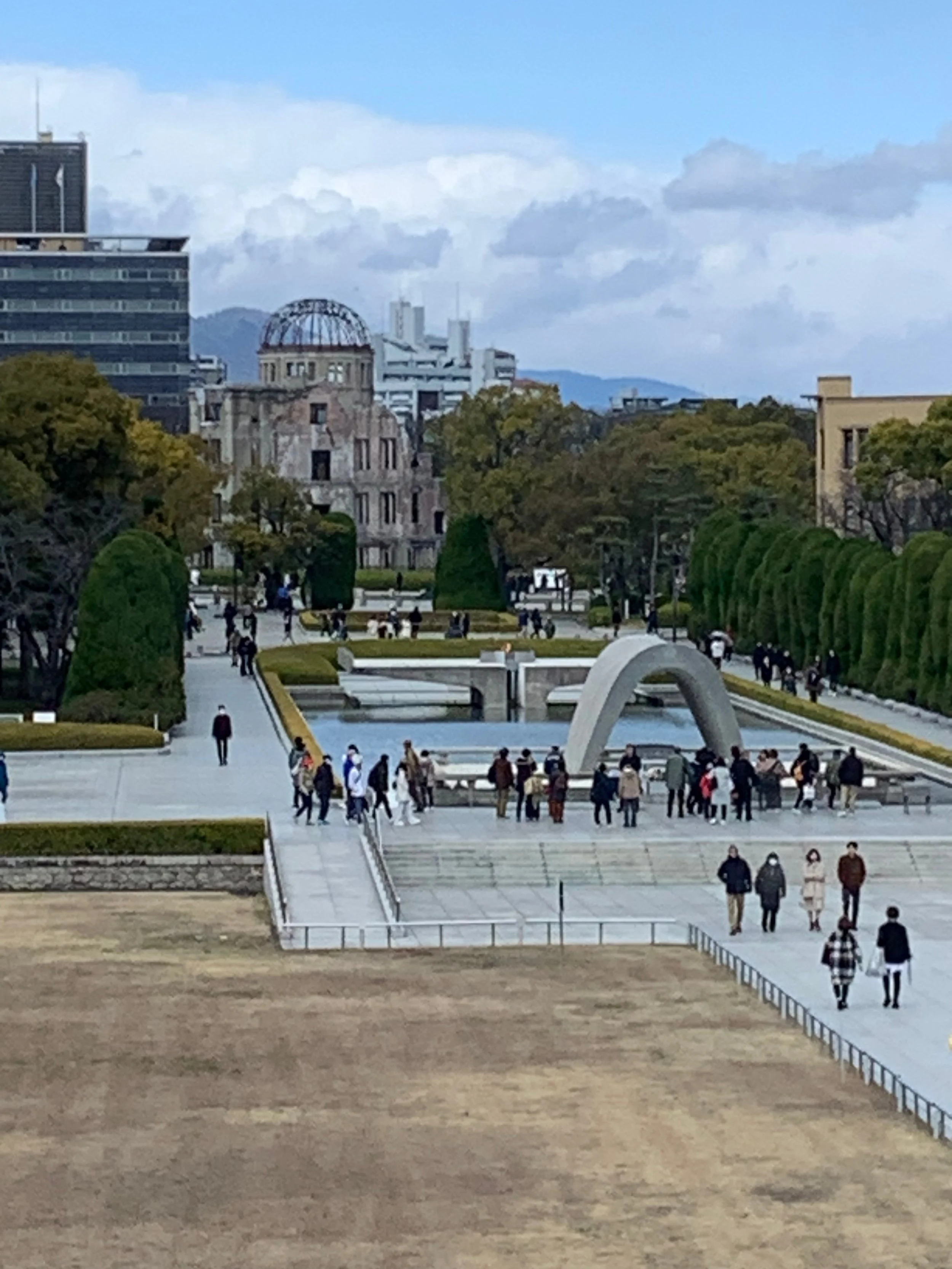
Peace Park, with the Atomic Dome in the background, in Hiroshima
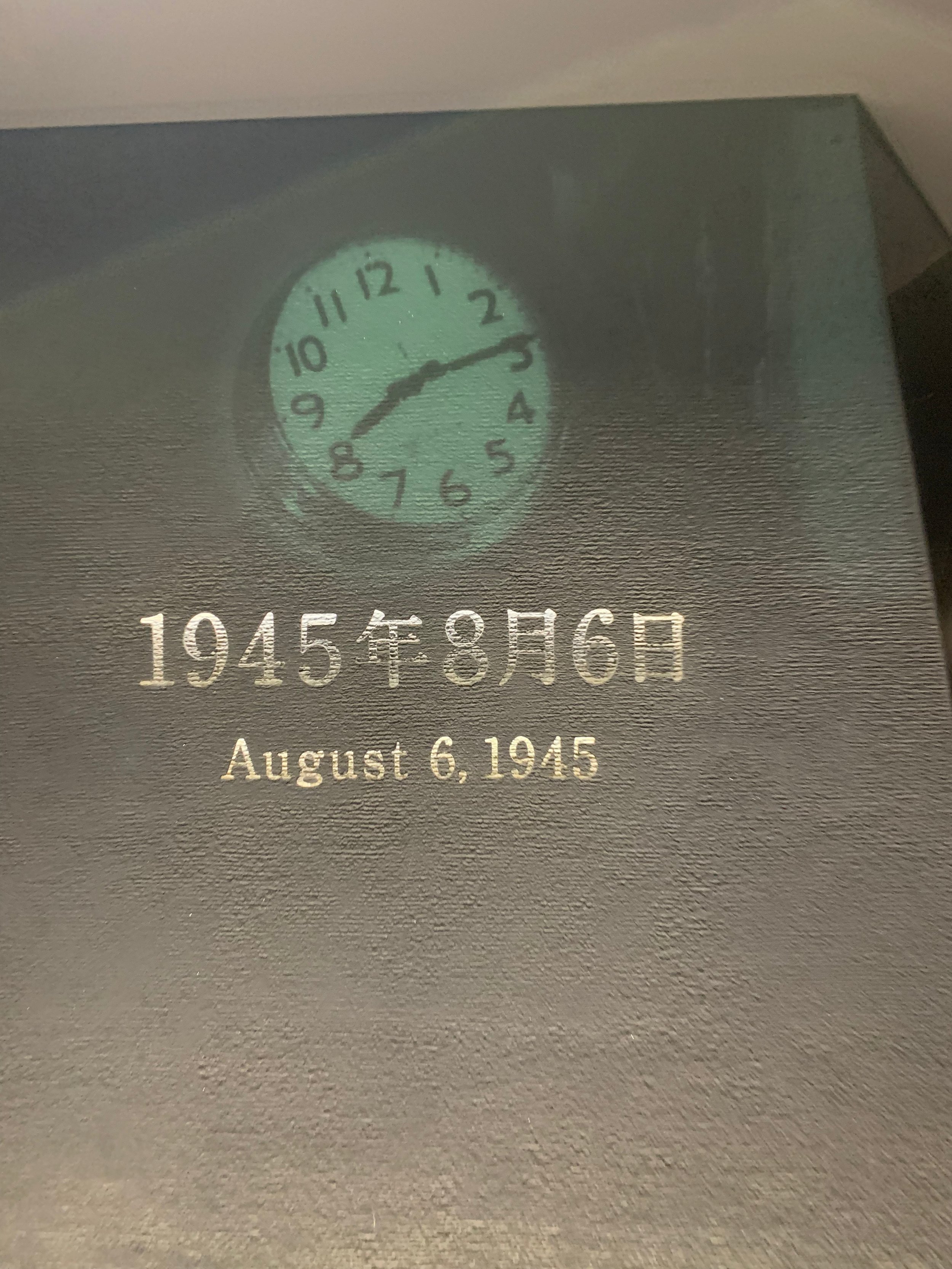
This clock is stopped at the time that the U.S. dropped the atomic bomb on Hiroshima
Our Onsen & Ryokan Experience
On our way from Tokyo to Kyoto, we took at detour to the Asaba Ryokan on the Izu Peninsula. We wanted a night in a ryokan with an onsen (hot spring baths) set in nature, and Asaba delivered on most, but not all, fronts. The reason we chose a less expensive hotel in Kyoto was to divert our dollars to Asaba, as it is extremely expensive. We loved our traditional Japanese-style room, complete with tatami mats and sliding bamboo and paper doors, our multi-course dinner served in our room, the Japanese wood tub with view in our room, and the peaceful setting. The ryokan provided our robes, flip flops (no shoes allowed on the tatami mats), pajamas, robes, and delicious meals. Besides location, setting and reviews, another reason we chose Asaba is for the family bath, where a family can reserve time to enjoy the onsen experience together in their bathing suits, instead of gender-separated nude-only baths. My primary hesitation in recommending Asaba wholeheartedly is that we did not feel that the experience was worth the price paid. We really enjoyed the property, the baths, the room, and the food, but it was just too expensive and I would search for something more reasonably priced. Also, the family bath is not as beautiful as the common area baths, so in order to fully take advantage of the property, you must decide that you are comfortable being nude in public. This rule can be awkward for families with adolescents.
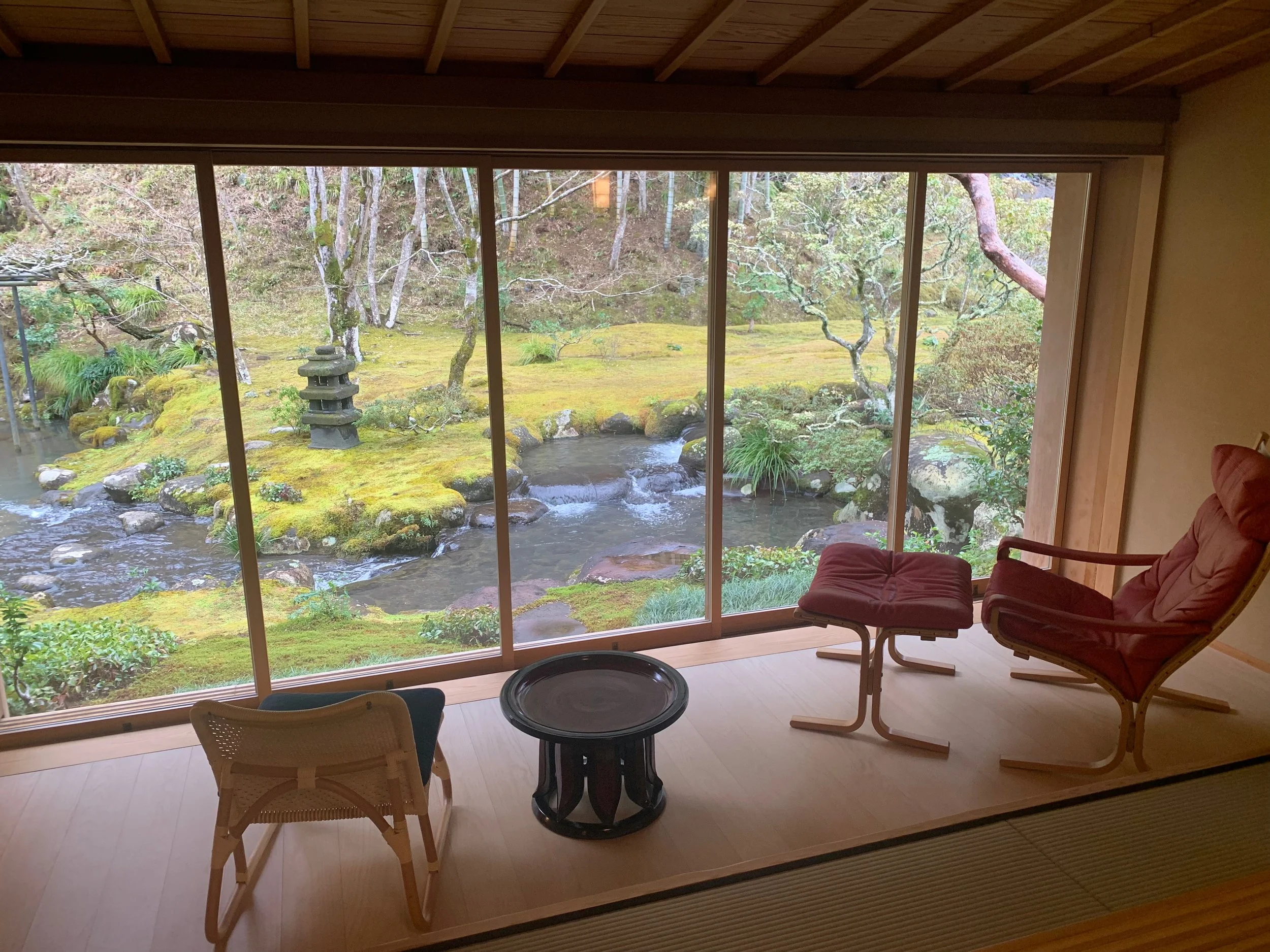
Our room at Asaba Ryokan had such a pretty view
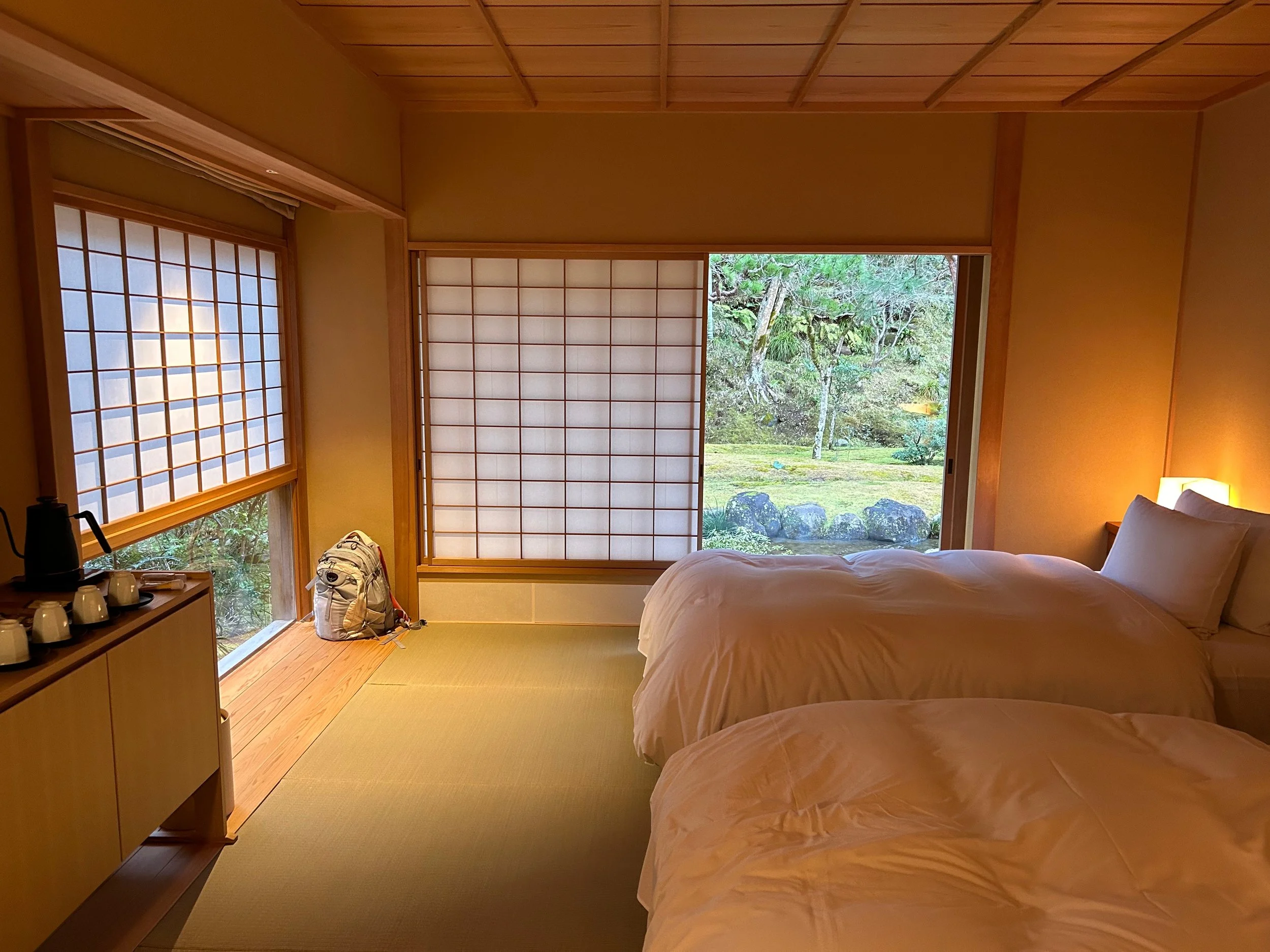
Asaba has different styles of rooms. The main bedroom in our little house had western-style beds, while the boys slept on rolled-out mattresses on the tatami mats in another room.
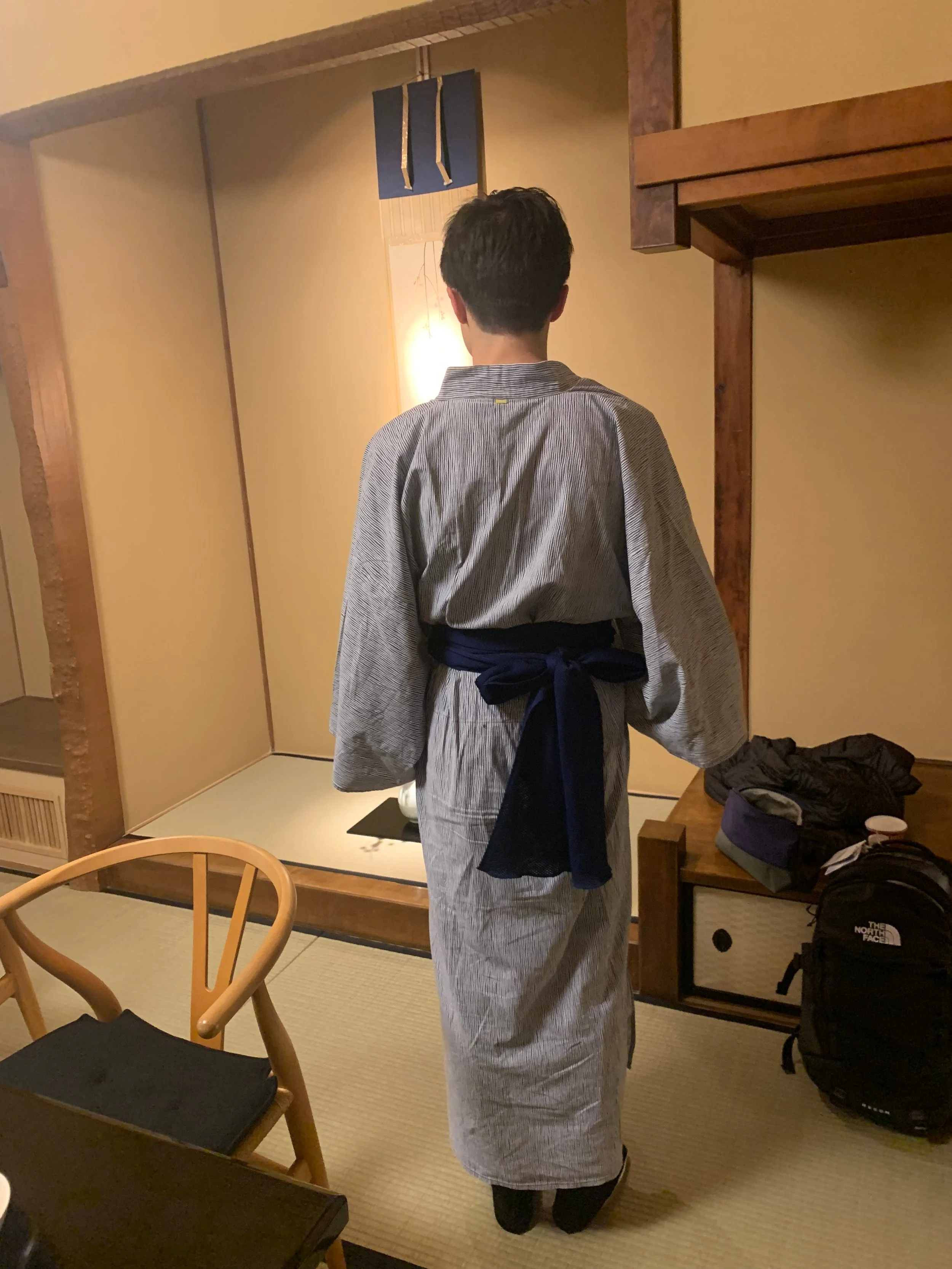
We spent the majority of our time at the ryokan in the robes supplied by Asaba
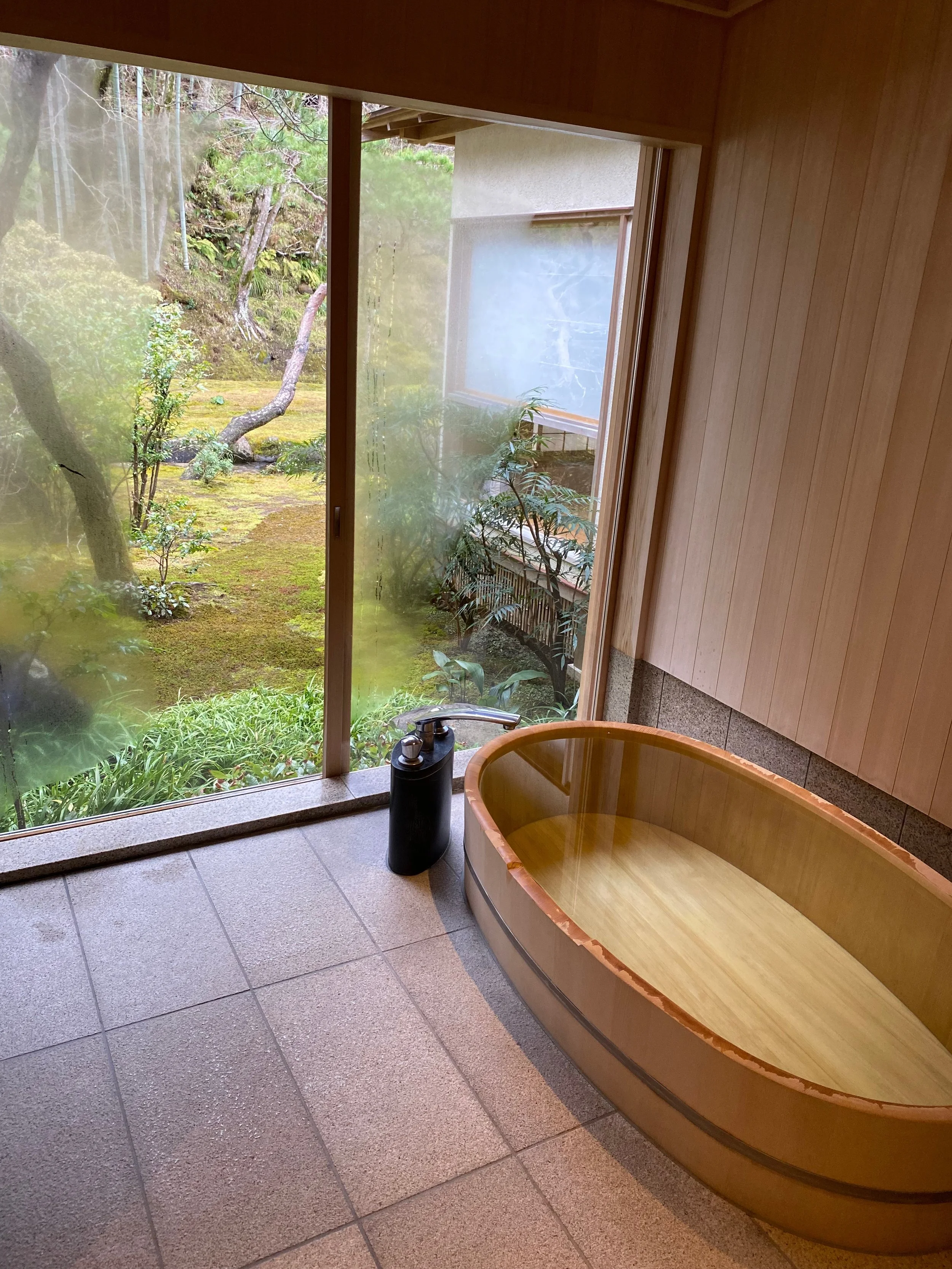
We chose a room that had a private soaking tub with a view
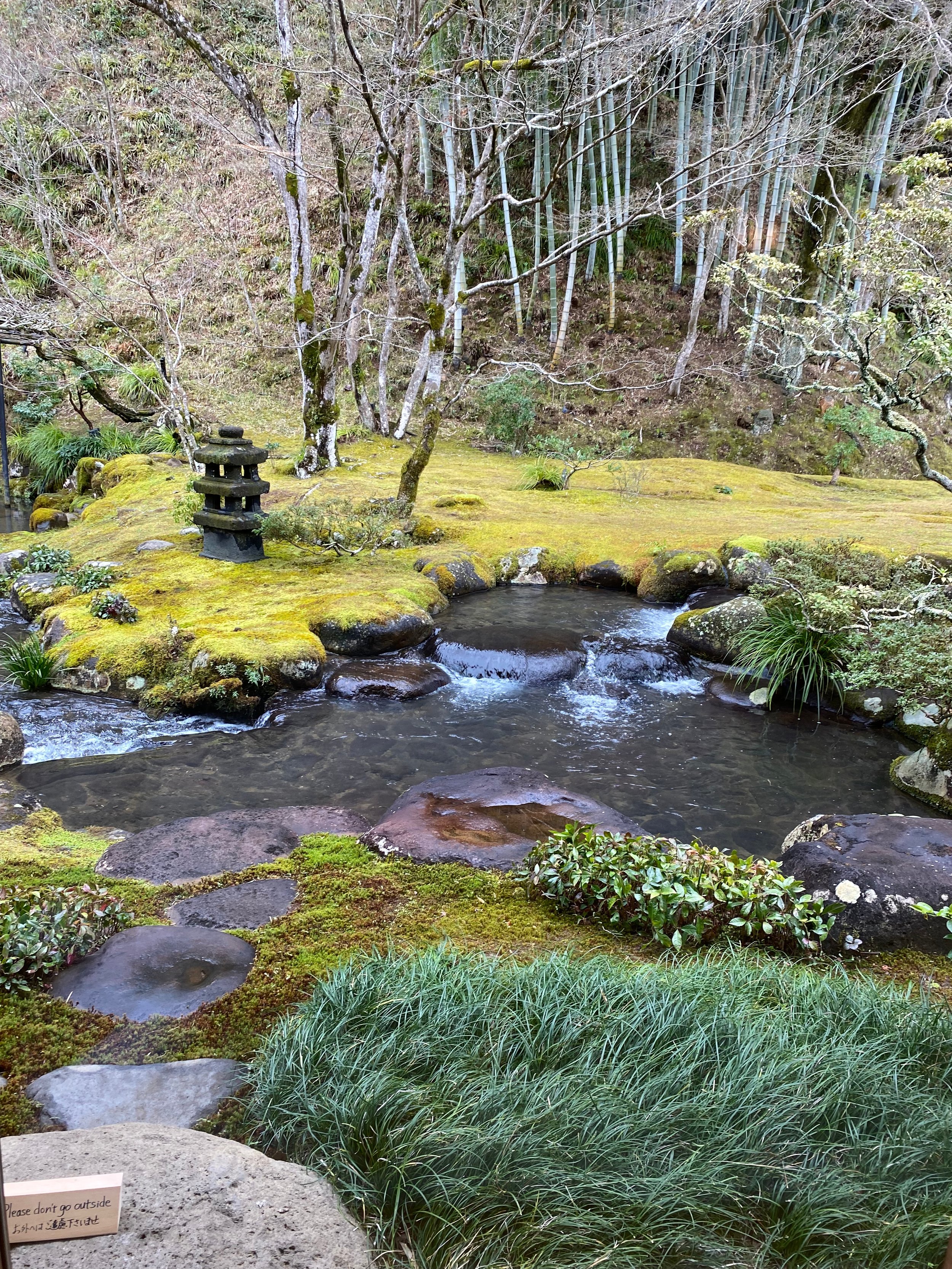
We never grew tired of our view
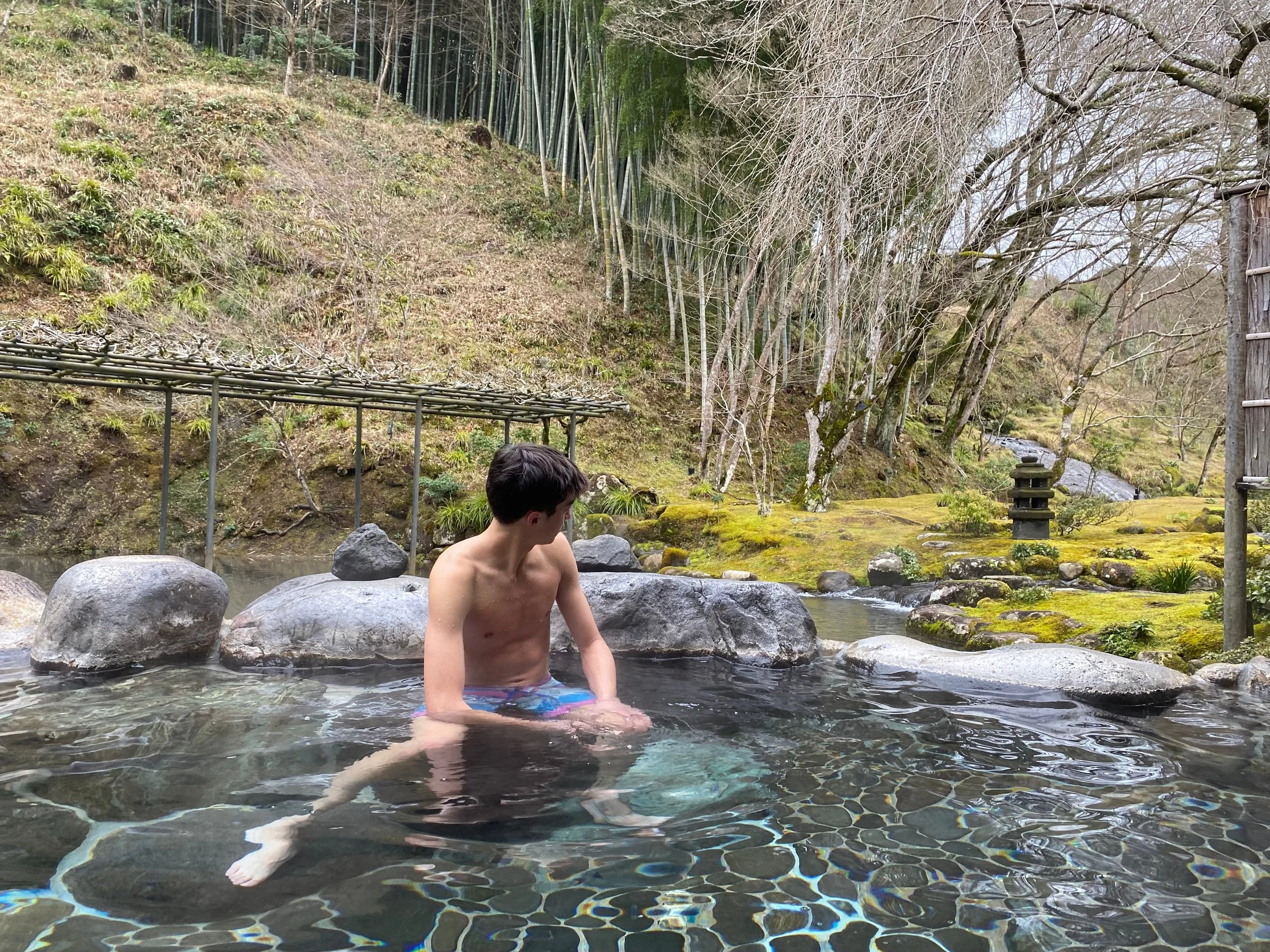
We did not realize the no-bathing-suits rule applied if it was just us, but our nephew was chased out of the hot springs just seconds after my son took this photo
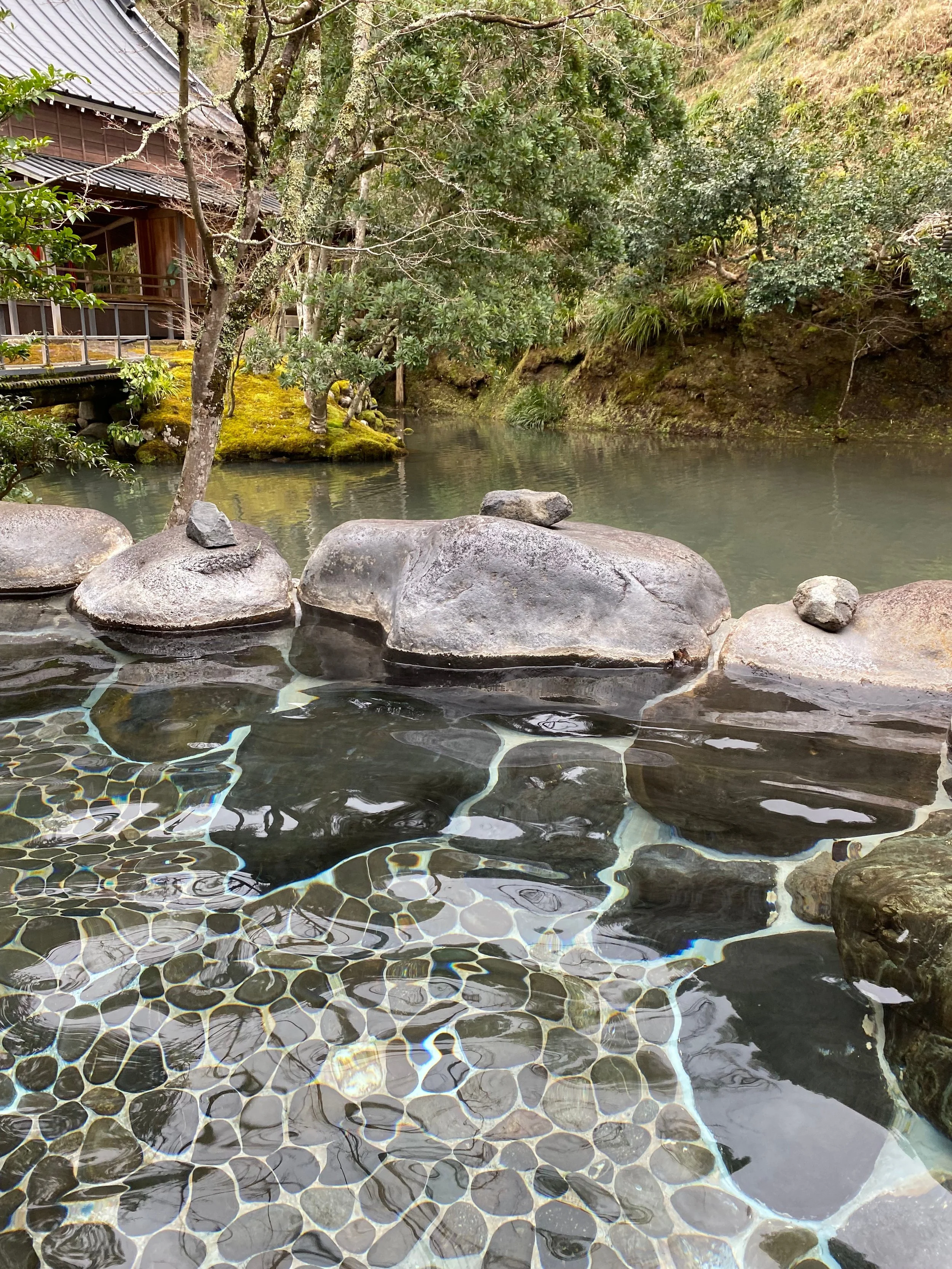
The outdoor hot springs alternated hours between women and men. No bathing suits, no tattoos!
I hope to return to Japan someday to explore more off-the-beaten-path destinations like Sado Island, recommended by an Icelandic friend who married a woman from Sado, the fairytale village of Shirakawa-go, Kakunodate’s samurai district, Okinawa’s beaches, and Hokkaido’s ski resorts in winter!
Quisque iaculis facilisis lacinia. Mauris euismod pellentesque tellus sit amet mollis.